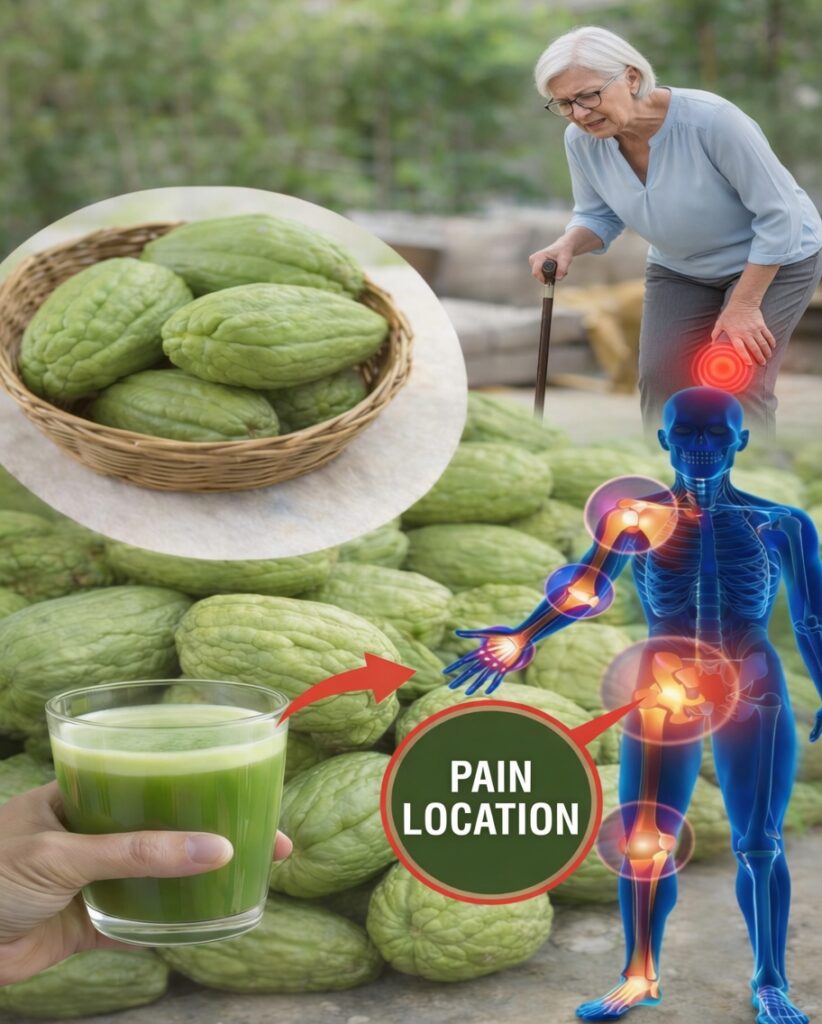
Many adults over 35 begin to notice small but meaningful shifts—metabolism may slow, digestion can feel less predictable, and energy can rise and dip without a clear reason. Over time, these changes can become discouraging, especially when “clean” or “healthy” meals don’t seem to deliver the same results as before. One simple way to support everyday wellness is to add more nutrient-rich, low-calorie plants to your routine—like chayote, a mild, adaptable squash. And there’s one unexpected way to use chayote that many people miss—we’ll share it at the end.
What Is Chayote (Sechium edule) and Where Does It Come From?
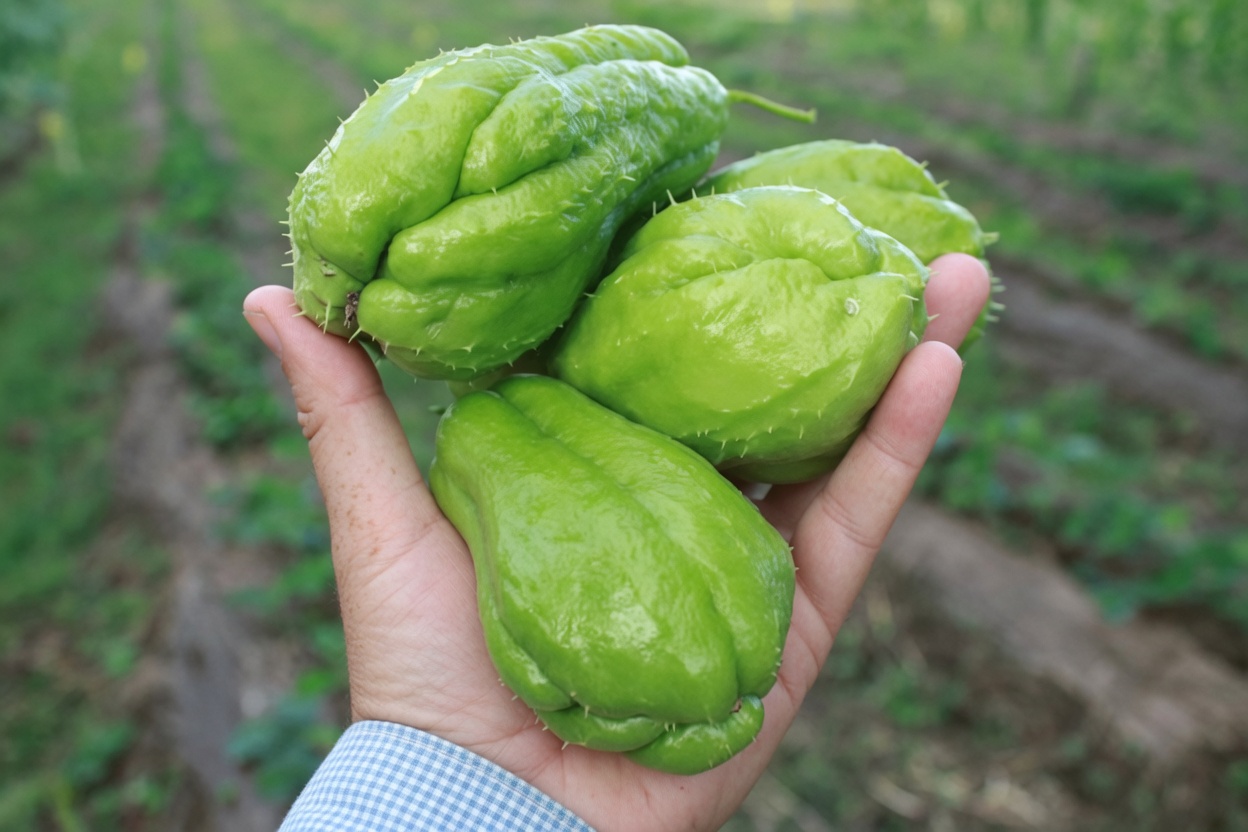
Chayote, also called vegetable pear (Sechium edule), is a light-tasting squash from the gourd family. It originated in Central America and is now cultivated in many regions around the world.
Its shape is typically pear-like, with a crisp bite and a gentle flavor often compared to a blend of cucumber and green apple. Chayote works well both raw and cooked, which makes it easy to fit into different cuisines.
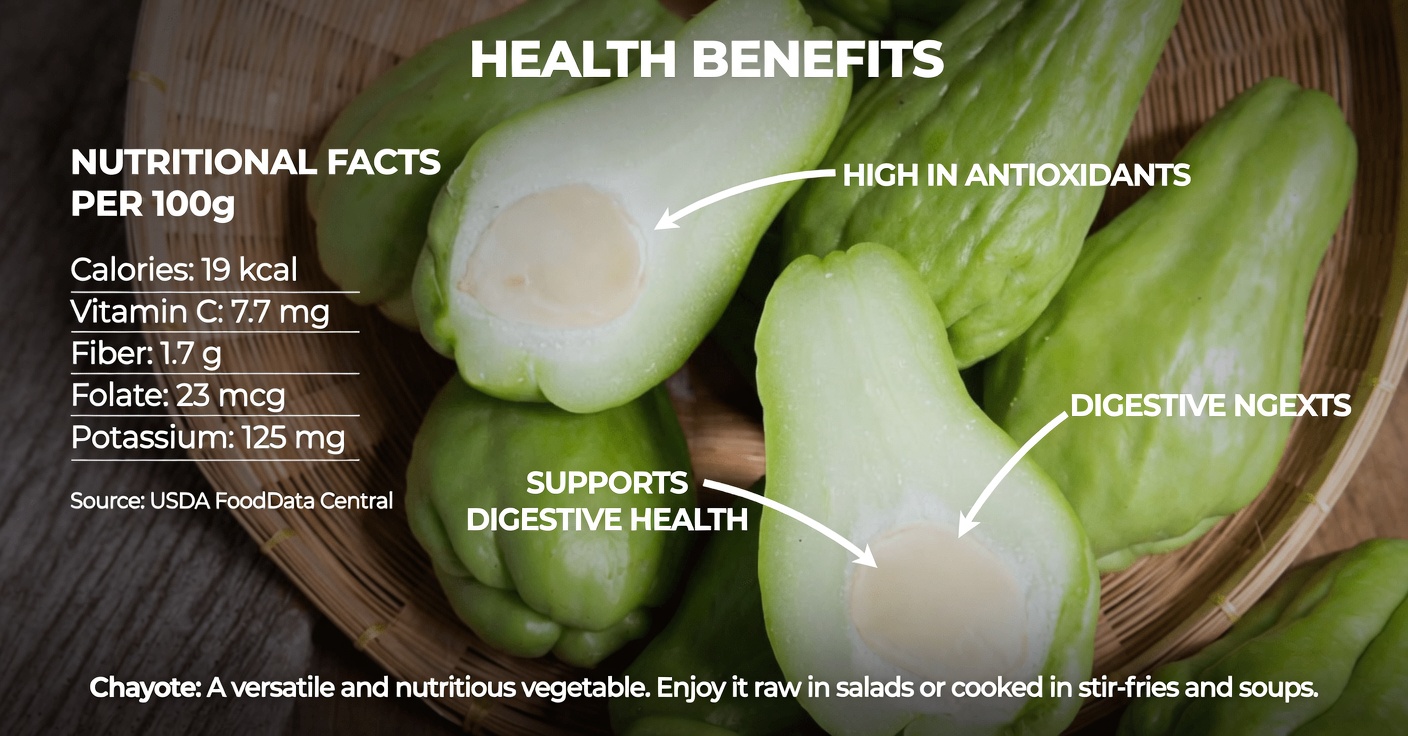
It’s also naturally low in energy—about 19 calories per 100 grams—making it a practical option for people aiming to eat balanced, satisfying meals without excess calories.
Key Nutrients in Chayote (Low Calories, High Value)
Chayote delivers useful nutrition while keeping meals light. A typical 1-cup serving (about 132 g) provides a mix of fiber, vitamins, and minerals that support daily function.
Here’s a simple overview of what you can expect:
- Fiber (about 2–3 g; roughly 8–12% DV)
Helps support regular digestion and longer-lasting fullness. - Vitamin C (about 10–20% DV)
Supports immune defense and antioxidant protection. - Potassium (about 10–15% DV)
Helps maintain fluid balance and supports healthy blood pressure. - Folate (about 15–20% DV)
Essential for cell division and DNA-related processes.
Chayote also contains plant antioxidants such as flavonoids and polyphenols, which may help protect cells from oxidative stress. Small nutritional upgrades like this can add up—especially when they’re easy to repeat consistently.
How Chayote May Help Support Blood Sugar Balance
Stable energy often starts with steadier blood sugar. Chayote contains soluble fiber, which can slow how quickly carbohydrates are absorbed and may help reduce spikes after meals.
Research summaries have reported that chayote intake may be associated with lower serum glucose, particularly in older adults with metabolic concerns. Animal research also suggests chayote compounds may influence enzymes involved in glucose regulation and improve markers related to insulin sensitivity.
One notable mechanism involves pectin, a type of soluble fiber that may influence blood sugar regulation through gut-related pathways, including the production of short-chain fatty acids.
A simple way to start: add thin slices of raw chayote to salads for crunch without added sugar or starch.
Potential Heart Health Benefits of Chayote
As people age, cardiovascular health becomes more top-of-mind. Chayote contributes potassium, which can support blood pressure by helping the body balance sodium and fluid levels.
Studies also point to chayote’s phytochemicals as potential supports for:
- Healthy blood flow
- Balanced lipid profiles
- Reduced oxidative stress affecting blood vessels
Some research on chayote extracts suggests antihypertensive effects, linked to naturally occurring compounds such as cinnamic acid. Dietary interventions that included chayote have also been associated with reductions in systolic and diastolic blood pressure in people with hypertension.
Practical idea: steam chayote until tender-crisp, then season lightly (olive oil, salt, pepper, lemon) as a heart-friendly side dish.
Chayote for Digestion and Gut Comfort
Digestive well-being can influence energy, mood, and daily comfort. The fiber in chayote supports bowel regularity and helps nourish beneficial gut bacteria.
Studies describe chayote’s fiber as having prebiotic-like effects, which may support microbiome balance and help reduce bloating for some individuals. Chayote also has a high water content, which contributes to hydration—another key factor in smoother digestion.
Tip: after scrubbing well, consider eating the skin when appropriate, since it can add extra fiber.
Folate Support for Pregnancy and Cellular Health
Chayote is a useful plant-based source of folate, a nutrient critical for:
- DNA synthesis
- Cell growth and repair
- Fetal development during pregnancy
Folate is widely recognized for its role in lowering the risk of neural tube defects. Because chayote is also low in calories, it can support nutrient density without pushing meals into excess energy—helpful during pregnancy and for anyone focused on balanced eating.
Antioxidants and Healthy Aging Potential
Oxidative stress can contribute to visible aging and internal wear over time. Chayote provides antioxidants such as vitamin C and flavonoids (including compounds like quercetin), which may support immune function and skin health.
In older adults, chayote consumption has been associated in research with antioxidant effects and protection against markers linked to cellular aging, including telomere shortening.
A useful detail: raw chayote generally retains more vitamin C than heavily cooked versions.
Chayote and Weight Management Support
For many people, feeling satisfied while managing portions is a major challenge. Chayote can help because it combines:
- Low calorie density
- High water content
- Dietary fiber for fullness
These qualities can make it easier to stay satisfied without relying on heavier starches. A creative option is to spiralize chayote and use it as a lighter alternative to noodles in lower-carb meals.
Possible Anti-Inflammatory and Liver-Supporting Effects
Low-grade inflammation becomes more common with age and lifestyle stress. Chayote contains plant compounds such as myricetin, which have been studied for anti-inflammatory properties.
Research—including animal studies—also suggests chayote may help protect the liver by reducing markers linked to fat buildup and supporting overall liver resilience.
Easy method: add diced chayote to soups and broths for a gentle, digestion-friendly addition.
Other Emerging Areas: Immunity and More
Chayote contributes to immune support through vitamin C, and early research suggests additional possibilities such as:
- Antimicrobial activity (in certain test settings)
- Potential anticancer properties observed in vitro
- Kidney-related benefits in extract studies, including reduced markers of injury
While these findings are still developing, chayote remains a practical food choice because it’s mild, flexible, and easy to pair with other nutrient-rich ingredients.
Simple, Actionable Ways to Eat More Chayote
If you’re ready to try chayote, start with one easy approach and build from there:
- Raw in salads: slice thinly and toss with lemon or vinegar for a crisp bite
- Quick stir-fry: sauté with garlic, onions, and mixed vegetables
- Swap for potatoes: use in soups or roasted trays for a lighter side
- Blend into smoothies: add small amounts for a nutrient boost with minimal flavor impact
Aim for consistency over intensity—try it once per week, then increase if you enjoy it.
Summary: Why Chayote Deserves a Place in Your Diet
Chayote is a low-calorie, nutrient-rich squash that may support digestion, heart health, blood sugar balance, and healthy aging. Because its flavor is mild, it works in both raw and cooked dishes without overpowering a meal.
And the “surprising” use mentioned earlier: pickling chayote. Fermenting or pickling helps preserve its crunch and can support gut health by adding probiotic-friendly benefits, depending on the method used.
FAQ
What is the best way to prepare chayote?
Wash it well, peel if you prefer, and use it raw or cooked—it works in salads, soups, steamed sides, and stir-fries. Lighter cooking methods can help preserve some nutrients.
Can chayote help with weight management?
Its fiber + water content can support fullness with fewer calories, which may help with portion control. For best results, combine it with overall healthy eating and activity habits.
Is chayote safe for everyone?
Most people can eat chayote without issues. If you have food allergies or a medical condition requiring dietary restrictions, consult a healthcare professional before making changes.
This article is for informational purposes only and does not replace professional medical advice. Always consult your healthcare provider before making significant dietary changes.