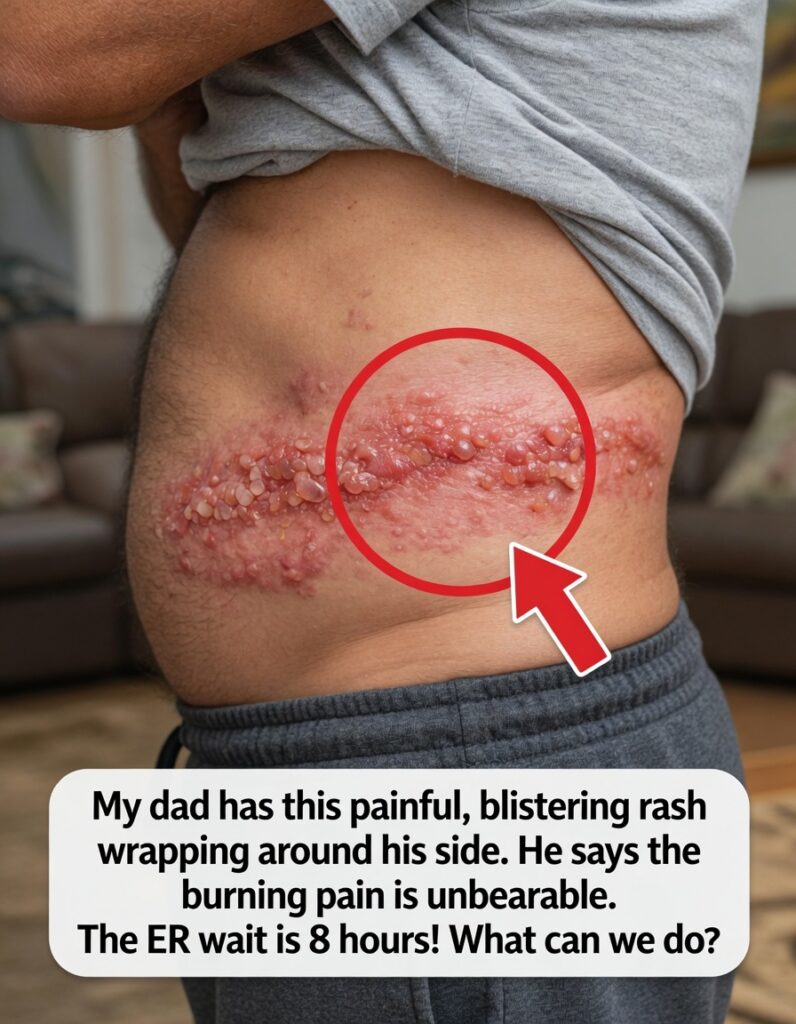
Seeing your mom struggle with a blistering rash that wraps around her side can feel frightening—especially when she describes the burning as unbearable and the ER wait is eight hours (or longer). The redness, blisters, and intense discomfort can leave you feeling powerless and worried about complications during the delay. While home care can’t replace medical evaluation, there are safe, gentle steps you can take to make the waiting period more tolerable. Stay to the end for a surprisingly simple emotional technique that research suggests may lower perceived pain.
When to Go to the ER Immediately (Even If the Wait Is Long)
Not every rash is the same. Certain symptoms signal that your mom needs urgent medical assessment right away. A blistering rash paired with severe pain can point to multiple conditions, and postponing care may allow a serious problem to worsen.
Seek emergency care promptly if you notice any of the following:
- Fever above 101°F (38.3°C), which can suggest a spreading infection
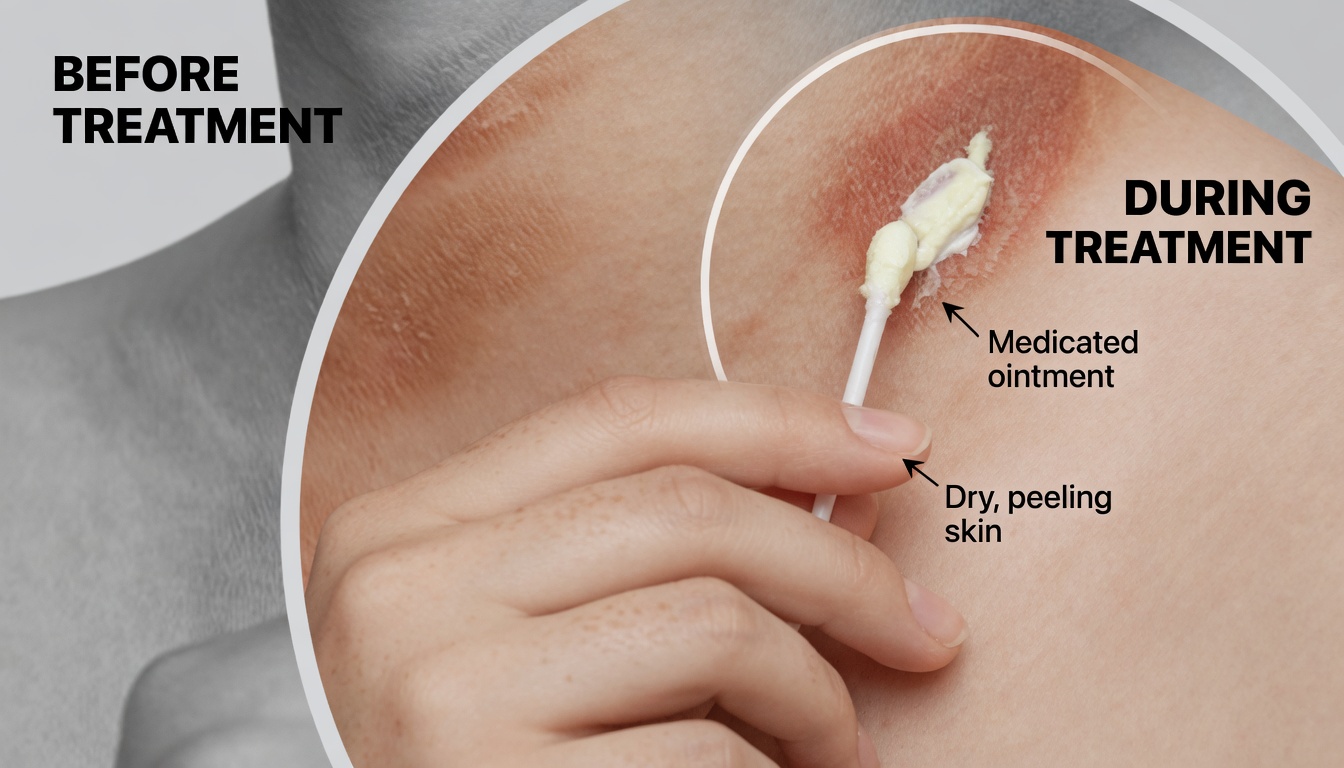
- Blisters that are opening, new sores, or peeling skin
- Swelling of the face, lips, or tongue, which may indicate a dangerous allergic reaction
- Breathing trouble, dizziness, or a fast heartbeat (possible severe reaction, including anaphylaxis)
- A rash that spreads rapidly, especially with purple spots that don’t blanch (fade) when pressed
- Pain so intense it prevents sleep, walking, or resting comfortably
Medical sources (including major health systems such as Mayo Clinic) emphasize that conditions like shingles and cellulitis can present with several of these features and may require timely treatment to reduce complications.
Possible Causes (Without Self-Diagnosing)
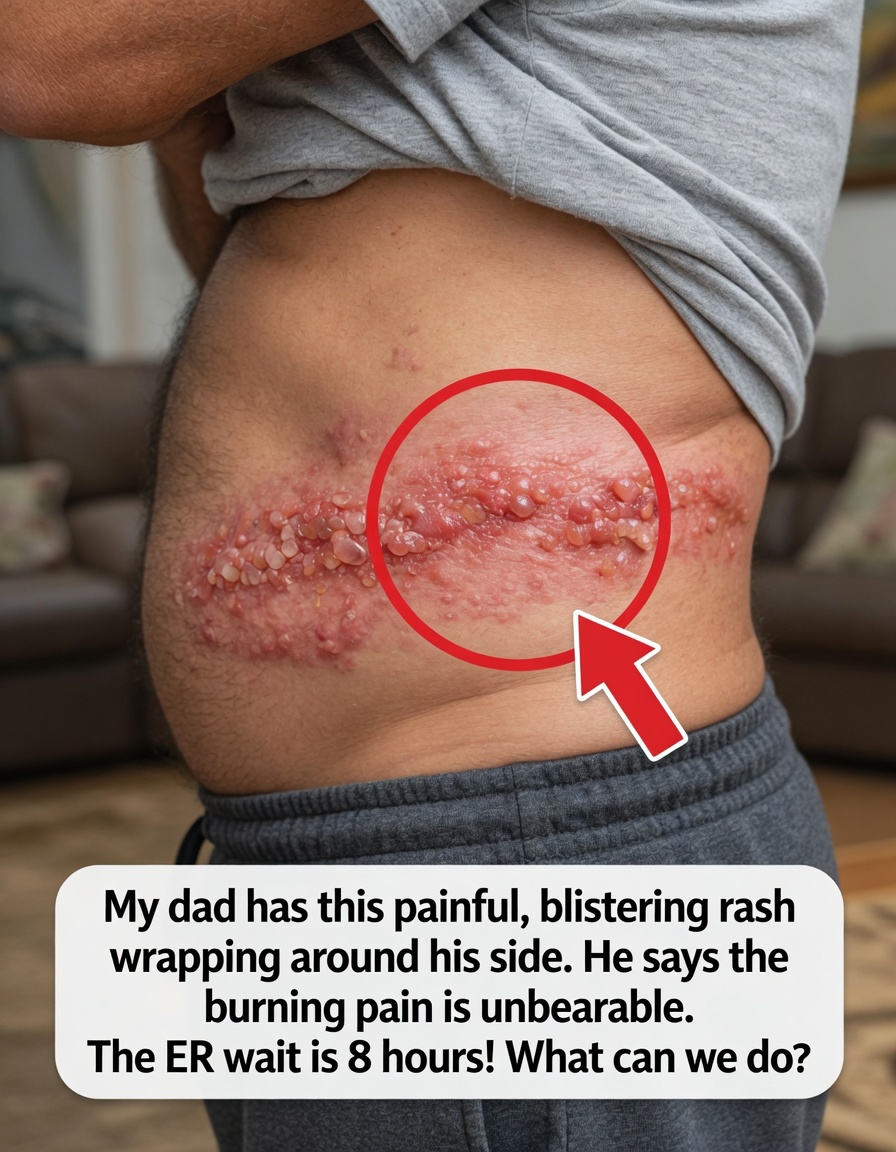
It’s completely normal to wonder what’s causing the rash, but only a clinician can diagnose it accurately. Still, knowing the common patterns can help you provide clear, useful information when you arrive at the ER.
Here are several frequent possibilities and what they often look like:
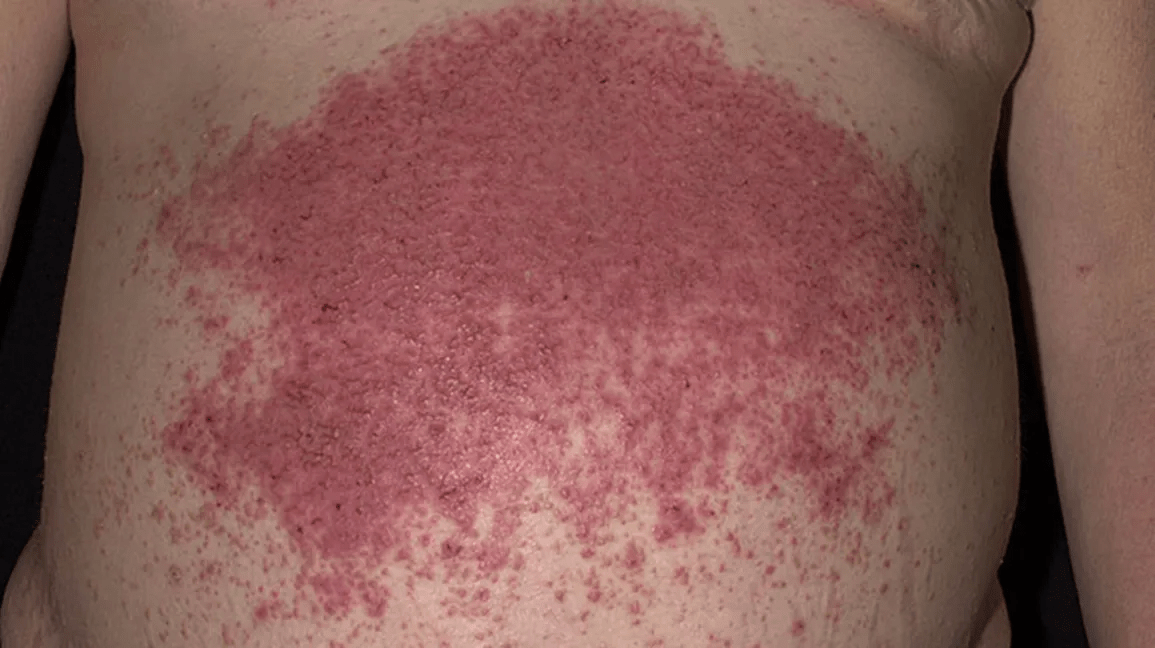
- Shingles (herpes zoster): burning or tingling pain before the rash, typically one-sided and band-like, with blisters
- Contact dermatitis: rash appearing where the skin touched something new (detergent, plant, lotion, jewelry)
- Cellulitis: a hot, red, swollen area that may be tender and may come with fever
- Allergic reaction: itchy hives or swelling after a new food, medication, or exposure
Quick comparison of common clues
| Possible trigger | Common clues |
|---|---|
| Shingles | Burning pain before rash; one-sided, band-like distribution |
| Contact dermatitis | Rash at contact sites after new soap, detergent, jewelry, or plants |
| Cellulitis | Warm, red, swollen skin; often painful; may include fever |
| Allergic reaction | Itchy hives and/or swelling after new food or medication |
Dermatology organizations (including the American Academy of Dermatology) commonly recommend tracking onset and recent routine changes because these details can speed up evaluation once you reach care.
Gentle At-Home Comfort Measures While You Wait
If there are no immediate danger signs but the pain is still significant, focus on safe symptom relief. These steps won’t “treat the cause,” but they can reduce discomfort until your mom is seen.
1) Cool compresses to calm burning
- Use a clean, soft cloth soaked in cool (not icy) water
- Apply gently for 10–15 minutes
- Repeat every 1–2 hours as needed
Cooling helps reduce inflammation and temporarily numbs the burning sensation.
2) Colloidal oatmeal bath or paste
Colloidal oatmeal is widely used to soothe irritated skin, and research has discussed its anti-inflammatory benefits.
- Bath option: add about 1 cup of finely ground oats/colloidal oatmeal to lukewarm water; soak for 15 minutes
- Paste option (for a smaller area): mix oatmeal with water, apply a thin layer gently, and rinse off with lukewarm water
3) Over-the-counter options (choose carefully)
- Oral antihistamines (e.g., diphenhydramine/Benadryl, cetirizine/Zyrtec) may help if itching and allergy symptoms are likely
- 1% hydrocortisone cream can reduce mild inflammation, but do not apply if the skin is broken, oozing, or blistered open
- For pain, acetaminophen (Tylenol) is often preferred; some evidence suggests NSAIDs may aggravate certain skin issues in some situations, and blisters warrant caution
If your mom has liver disease, takes blood thinners, is on multiple medications, or has other medical conditions, it’s safer to confirm OTC choices with a pharmacist or clinician.
4) Support the basics: hydration, temperature, and clothing
- Encourage water or electrolyte drinks (pain and stress can contribute to dehydration)
- Keep the room cool (fans can help)
- Choose loose, breathable cotton clothing to minimize friction
What to Avoid (So You Don’t Make It Worse)
During a painful rash episode, well-meant actions can backfire. Avoid these common irritants:
- Scratching or rubbing, which can break skin and raise infection risk
- Harsh soaps, perfumes, and alcohol-based lotions, which often intensify stinging and dryness
- Tight clothing, waistbands, or anything that rubs the affected area
- DIY “internet remedies” like vinegar or essential oils, which can further irritate sensitive or blistered skin according to many dermatology cautions
Reducing friction and chemical irritation alone can noticeably improve comfort while waiting.
Prepare for the ER: Track Symptoms and Bring Useful Details
A little organization can make a busy emergency visit more efficient.
Write down or note in your phone:
- When the rash started (sudden vs. gradual)
- Any new medications, supplements, foods, or exposures (detergent, soap, plants, travel)
- Whether pain is constant or intermittent, and how severe it is (0–10 scale)
- Any associated symptoms: fever, headache, swelling, nausea, fatigue
- Photos of the rash from several angles (and again later if it changes)
Clear, specific details help clinicians triage faster and understand progression, which patient advocacy research often highlights as a practical way to improve the quality and speed of care.
Emotional Support That Actually Helps (Not Just “Nice to Have”)
Your presence can meaningfully affect how your mom experiences pain. Stay steady and reassuring: speak softly, offer a hand to hold, and remind her she isn’t facing this alone.
Also optimize the environment:
- Keep things quiet and cool
- Offer gentle distraction (calm music, a familiar podcast)
- Avoid overheating, which can amplify burning sensations
A research-backed technique: guided breathing
Behavioral psychology and nursing pain research suggests that simple breathing practices can reduce distress and help regulate pain perception.
Try this together:
- Sit comfortably and relax shoulders.
- Inhale slowly for 4 counts.
- Hold for 4 counts.
- Exhale slowly for 4 counts.
- Repeat several cycles while visualizing a calming scene (ocean, forest, a favorite place).
Common Rash Myths (And Why They Can Lead to Bad Choices)
Stress makes misinformation more tempting. Two misconceptions are especially common:
- “All rashes need antibiotics.” Many rashes are viral, allergic, or inflammatory—not bacterial.
- “It’s just a rash; pain doesn’t matter.” Severe pain is a serious symptom, especially with blisters, fever, or rapid spread.
Relying on credible medical sources (not rumors or social media trends) supports better decisions during urgent situations.
The Bottom Line: Helping Mom Get Through the Wait
Focus on three priorities:
- Identify red flags (fever, facial swelling, trouble breathing, rapidly spreading rash, purple spots, skin peeling, unbearable pain) and seek urgent care when present.
- Use gentle comfort measures—cool compresses, colloidal oatmeal, careful OTC options, hydration, loose clothing, and a cool room.
- Avoid irritants and prepare clear notes and photos for the ER team.
And that “unexpected emotional strategy” that can reduce perceived pain? It’s not complicated: feeling emotionally supported—calm presence, steady reassurance, and shared breathing—can measurably change how the brain processes pain. Your composed, consistent support is not secondary; it’s part of real relief while your mom waits for medical care.