
A Simple Ginger-Lemon Morning Habit for Healthy Circulation
A warm morning drink made with two everyday kitchen staples—fresh ginger and lemon—is gaining attention for its potential to support circulation and promote overall vascular wellness as part of a balanced lifestyle.
Many adults over 50 begin noticing small changes such as:
- Legs that feel tired during short walks
- Hands and feet that run cooler than usual
- A heavy, sluggish sensation after climbing stairs
These shifts can be influenced by everyday inflammation and the natural tendency of blood vessels to become less flexible over time. Circulation also matters for the bigger picture: cardiovascular disease remains a leading health concern. According to recent American Heart Association reporting, it has been linked to over 915,000 deaths in the U.S. in recent years, underscoring how valuable supportive daily routines can be.
So could a ginger-lemon drink play a helpful role in encouraging healthier blood flow? Below is a research-informed look at how this simple ritual may support your body—plus practical tips for using it safely.

Why Circulation Often Becomes More Noticeable After 50
With age, blood vessels may gradually lose some elasticity. At the same time, low-grade inflammation and oxidative stress can contribute to everyday discomfort—like tired legs, reduced stamina, or mild breathlessness with activity. Surveys suggest that many adults experience some degree of circulation-related fatigue, even if it’s subtle.
While movement, nutrition, sleep, and stress management are the foundation, certain natural compounds may offer additional support by helping the body manage:
- Inflammation
- Oxidative stress
- Endothelial and vessel function
This is not a substitute for medical care—but it can be a useful complementary habit.
Why Ginger and Lemon Work Well Together
Research has highlighted ginger’s active components—especially gingerols—for their anti-inflammatory properties and potential to support vessel relaxation. Lemon contributes vitamin C and protective plant compounds, including flavonoids (many of which are concentrated in the peel).
Together, they may create a practical “synergy”:
- Ginger supports smoother vessel function and relaxation
- Lemon provides antioxidant and nutrient support for vascular health
Research-Backed Ways Ginger and Lemon May Support Blood Flow
Studies suggest the ginger-lemon combination may contribute to cardiovascular wellness through several complementary pathways.
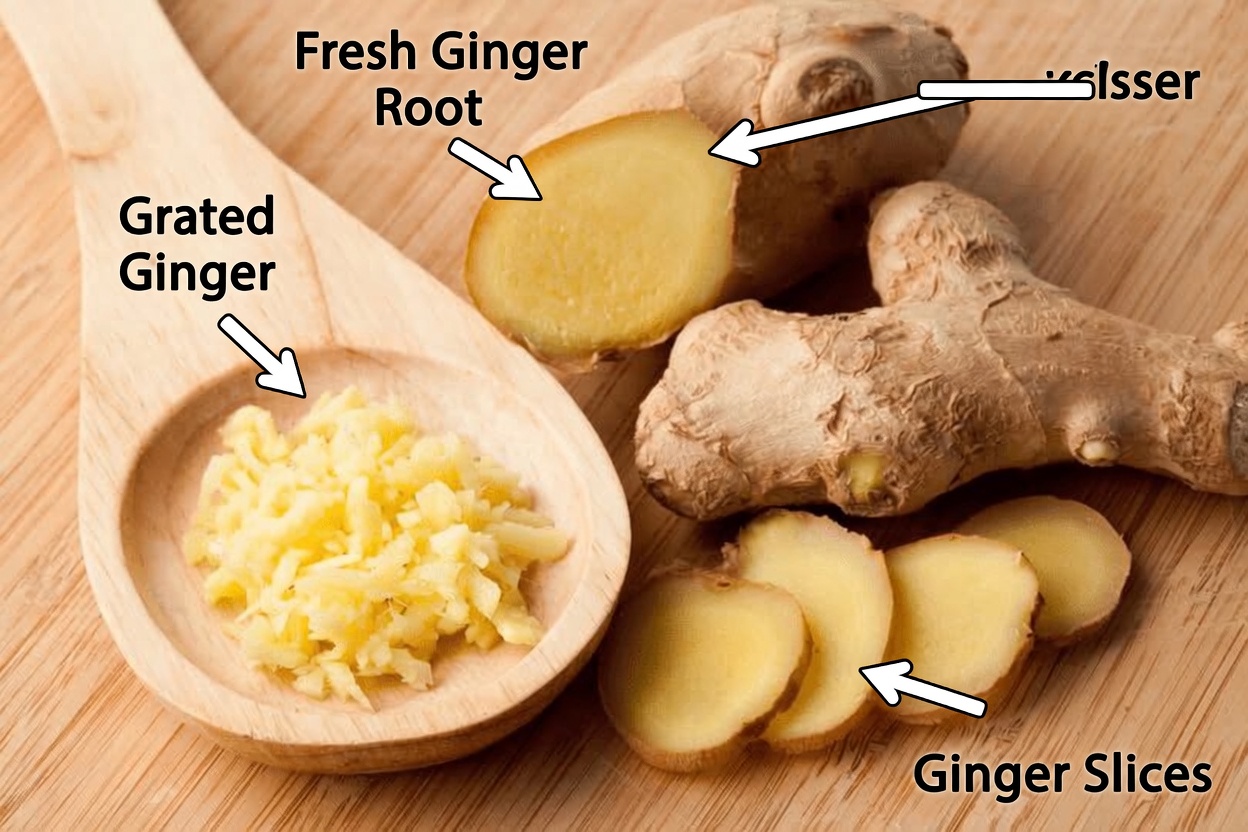
1) Helps Manage Everyday Inflammation
Ongoing low-level inflammation is associated with vessel stiffness and discomfort. Ginger’s gingerols have demonstrated anti-inflammatory activity in research, which may support comfort—especially when people describe “heavy legs” or sluggishness.
2) Supports Natural Vessel Relaxation
Certain ginger constituents (including 6-gingerol) have been linked in animal and human research to improved endothelial function and may influence nitric oxide, a molecule that helps blood vessels widen to support smoother flow.
3) Strengthens Antioxidant Protection (Especially With Lemon Peel)
Lemon peel contains flavonoids such as hesperidin, often present in far higher concentrations than in juice alone. Research suggests these compounds may help reduce oxidative stress, including processes like LDL oxidation, which is relevant to arterial wall health.
4) Encourages a Gentle, Balanced Approach to Circulation Support
Ginger has a mild influence on platelet activity, while vitamin C supports blood vessel structure and resilience. Used reasonably, this pairing aims at supportive balance rather than extreme effects.
5) May Improve Peripheral Warmth
When circulation improves, many people first notice it as warmer hands and feet. Increased nitric-oxide-related vessel support may contribute to better peripheral flow over time.
6) Supports Healthier Blood Sugar Responses
Blood sugar spikes can add stress to blood vessels. Studies suggest both ginger and lemon-related nutrients may support insulin sensitivity, which helps protect vascular health indirectly.
7) Builds Overall Antioxidant Defenses
The plant compounds in both ingredients—such as ginger’s aromatic components and lemon’s protective phytochemicals—may work better together to neutralize free radicals than either ingredient alone.
Additional everyday benefits may include immune support (ginger’s shogaols and lemon’s limonene) and improved hydration when the drink is taken warm.
Quick Guide: Common Circulation Concerns and How Ginger-Lemon May Help
- Inflammation: may calm internal inflammatory responses (gingerols)
- Vessel stiffness: may encourage relaxation and smoother flow (gingerol, nitric oxide pathways)
- Oxidative stress: may protect vessels from free radical damage (hesperidin from lemon peel)
- Cold hands/feet: may support peripheral circulation over time (combined synergy)
- Blood sugar fluctuations: may aid insulin sensitivity and vessel protection (ginger + vitamin C and flavonoids)
How to Make a Ginger-Lemon Morning Drink (Simple, Fresh, and Practical)
For best results, prioritize fresh ginger and consider using organic lemon, including some peel when possible.
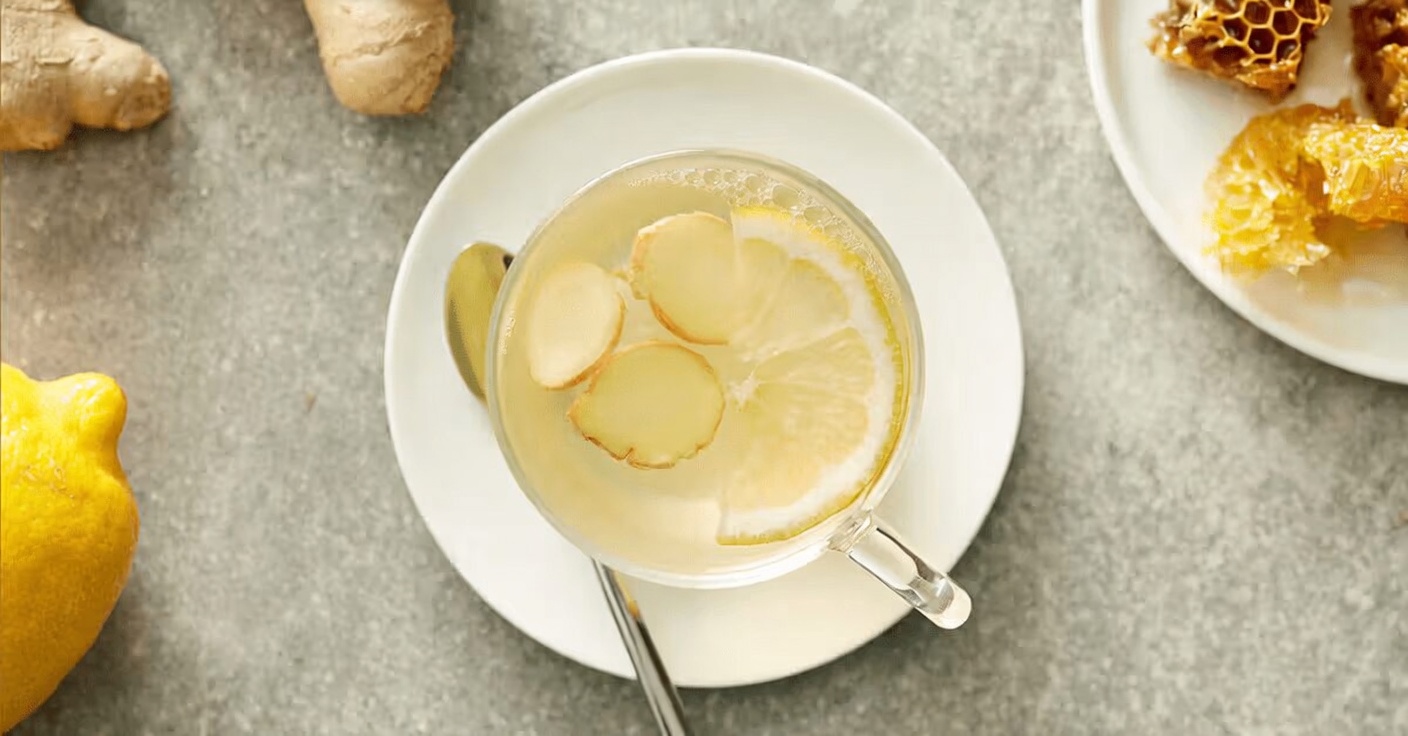
Simple Recipe (Serves 1)
- Grate 1–2 inches of fresh organic ginger (leave the skin on if well washed).
- Slice ½–1 organic lemon (wash thoroughly; include peel for flavonoids).
- Add ginger and lemon to 1–2 cups of hot water (hot, not boiling).
- Steep for 5–10 minutes (longer steeping creates a stronger infusion).
- Strain if you prefer a smoother drink, then sip warm—ideally on an empty stomach.
- Optional: add a small amount of raw honey for taste (skip if limiting sugar).
Practical Tips for Better Results
- Grate ginger fresh for stronger flavor and more active compounds.
- Cold steeping overnight (in the refrigerator) can significantly increase flavonoid extraction from lemon peel.
- If you’re sensitive to spice or acidity, start small and increase gradually.
- Pair the drink with a short morning walk to complement circulation support.
Consistency is key—some people report changes in warmth, comfort, or energy within a few weeks.
Track Your Progress (Simple and Useful)
A quick daily check-in can help you notice patterns. Consider journaling:
- Morning energy (1–10)
- Leg or chest comfort after activity
- Hand and foot temperature
- Overall sense of daily vitality
Adjust the recipe and timing based on how you feel.
Conclusion: A Small Morning Step Toward Better Circulation
Adding a ginger-lemon morning ritual is a simple, enjoyable way to support healthy circulation alongside good nutrition, regular movement, and adequate rest. Over time, small habits can compound—supporting more comfortable walks, steadier energy, and greater confidence in daily routines.
Try it tomorrow morning and observe how you feel during the first week.
Medical disclaimer: This content is for informational purposes only and does not constitute medical advice. It is not intended to diagnose, treat, cure, or prevent any disease. Consult a qualified healthcare professional before starting new habits, especially if you are pregnant, have a medical condition, or take medications.
FAQ
1) Is a ginger-lemon drink safe to have every day?
For most people, yes—when used in moderate amounts. However, ginger may interact with blood thinners or certain blood pressure medications, so check with your healthcare provider if you take prescriptions.
2) Should I use fresh ginger or powdered ginger?
Fresh ginger typically provides more active compounds such as gingerol. Powdered ginger can still be used, but it’s often less potent and may vary in quality.
3) Can ginger-lemon replace medication for circulation problems?
No. This drink is supportive, not a treatment. If you have diagnosed circulation or cardiovascular conditions, follow professional medical guidance and use lifestyle habits as complementary support.