
Many people scoop out and toss the small black seeds from a ripe papaya, paying attention only to the sweet, juicy flesh. Yet these tiny seeds contain a range of bioactive compounds that researchers are studying for their potential role in everyday wellness. Early findings link papaya seeds to digestive support and antioxidant activity, among other benefits. Despite viral claims of “7-day miracles,” the research points to something more realistic: subtle, cumulative support for gut comfort, inflammation balance, and overall vitality—when used thoughtfully and in moderation.

If you experience occasional bloating, feel sluggish after meals, or simply want an easy way to add more functional nutrients to your routine, you may be wondering whether a small daily amount of papaya seeds is worth trying. Below is a science-based look at what makes them unique, how to use them safely, and what you can reasonably expect.
Common Everyday Challenges: Digestion, Energy, and Modern Diets
By midlife, many adults notice mild digestive discomfort, intermittent bloating, or that familiar afternoon energy dip. Stress, highly processed foods, irregular meal patterns, and low dietary variety can all contribute. In many cases, these issues are linked to gut function, shifts in the microbiome, and increased oxidative stress from daily life.
While fiber-rich foods and probiotics work well for many people, others look for additional food-based options that deliver broader bioactive support. Papaya seeds stand out because they can contain more concentrated amounts of certain compounds than the fruit itself—making them an intriguing, kitchen-friendly addition.
Why Papaya Seeds Are Different: The Key Science
Papaya seeds contain a mix of compounds that are frequently discussed in nutrition and phytochemistry research, including:
- Benzyl isothiocyanate (BITC) (derived from glucosinolates)
- Polyphenols and flavonoids
- Dietary fiber
- Minerals such as magnesium and zinc
Reviews and preliminary studies (including reports in journals such as Nutrients and the Journal of Pharmacognosy and Phytochemistry) describe these compounds as contributors to antioxidant activity, which helps neutralize free radicals that build up through everyday stressors.
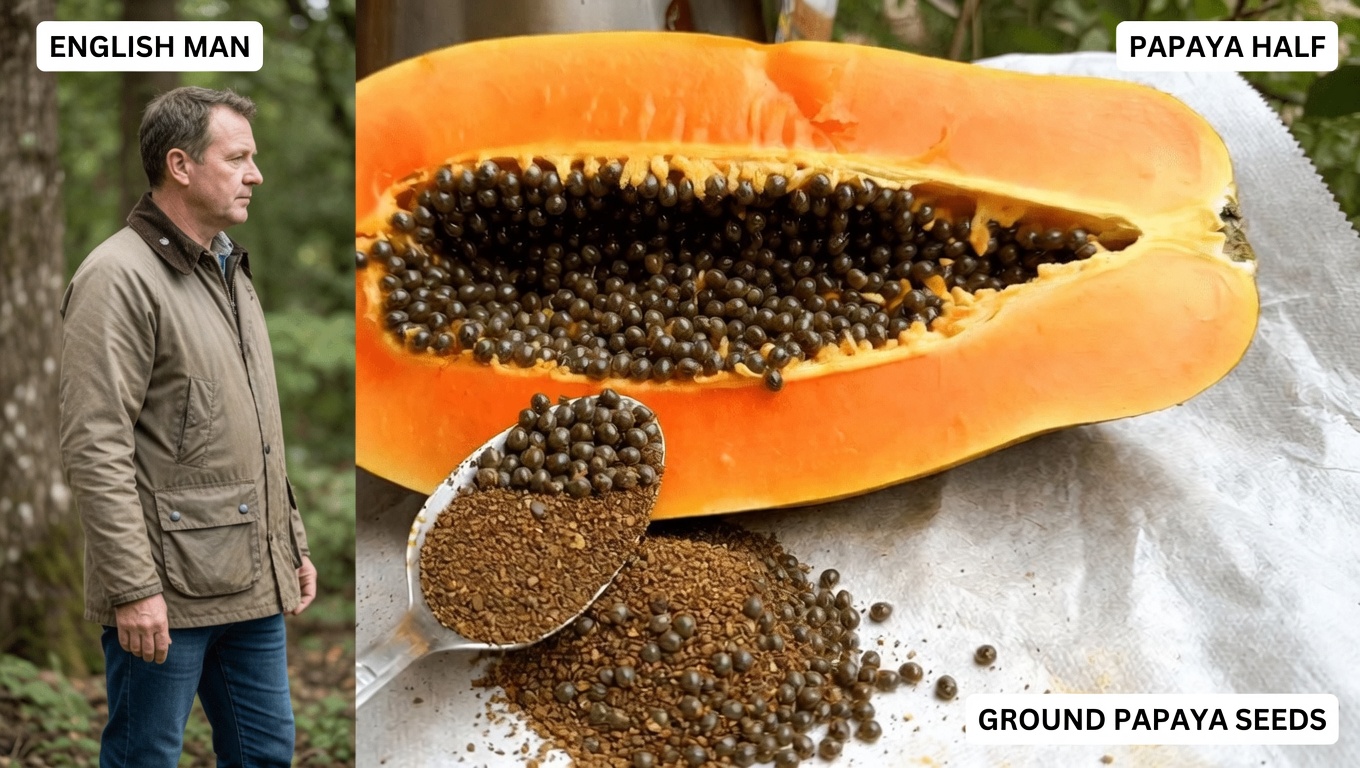
Lab and animal research also suggests that papaya seed compounds may help reduce oxidative stress and support a balanced inflammatory response, which could explain why they are often associated with liver and kidney protection in experimental models. For digestion, their fiber may encourage regularity, while naturally occurring enzymes in papaya are commonly discussed in relation to protein digestion. Some extracts have shown antimicrobial and antiparasitic potential in early research, but human evidence remains limited and should not be overstated.
Overall, papaya seeds are best viewed as a supportive food, not a cure—and their value is more likely to come from consistent, moderate intake over time.
Potential Benefits Suggested by Emerging Research
Current evidence (especially preclinical studies) points to several promising areas:
- Digestive support: Fiber and papaya-associated enzymes may help with occasional bloating and promote regularity.
- Antioxidant support: Polyphenols and BITC may help reduce oxidative stress and support cellular health.
- Gut environment balance: Preliminary antimicrobial activity may help maintain a healthier gut ecosystem, though more human research is needed.
- Inflammation response: Certain compounds may help moderate low-grade inflammation that can contribute to fatigue and discomfort.
- Liver and kidney protection (preclinical evidence): Animal models suggest potential protective effects against oxidative load and certain toxins.
- Foundational micronutrients: Minerals and other nutrients contribute to overall immune and metabolic resilience.
- Other areas under study: Antiparasitic and metabolic effects appear in lab research, but should be considered exploratory until confirmed in humans.
A key takeaway: the benefits most consistently align with moderate, ongoing use, not short-term extremes.
How to Use Papaya Seeds Safely (Practical Guide)
Start small and pay attention to how your body responds. A simple approach:
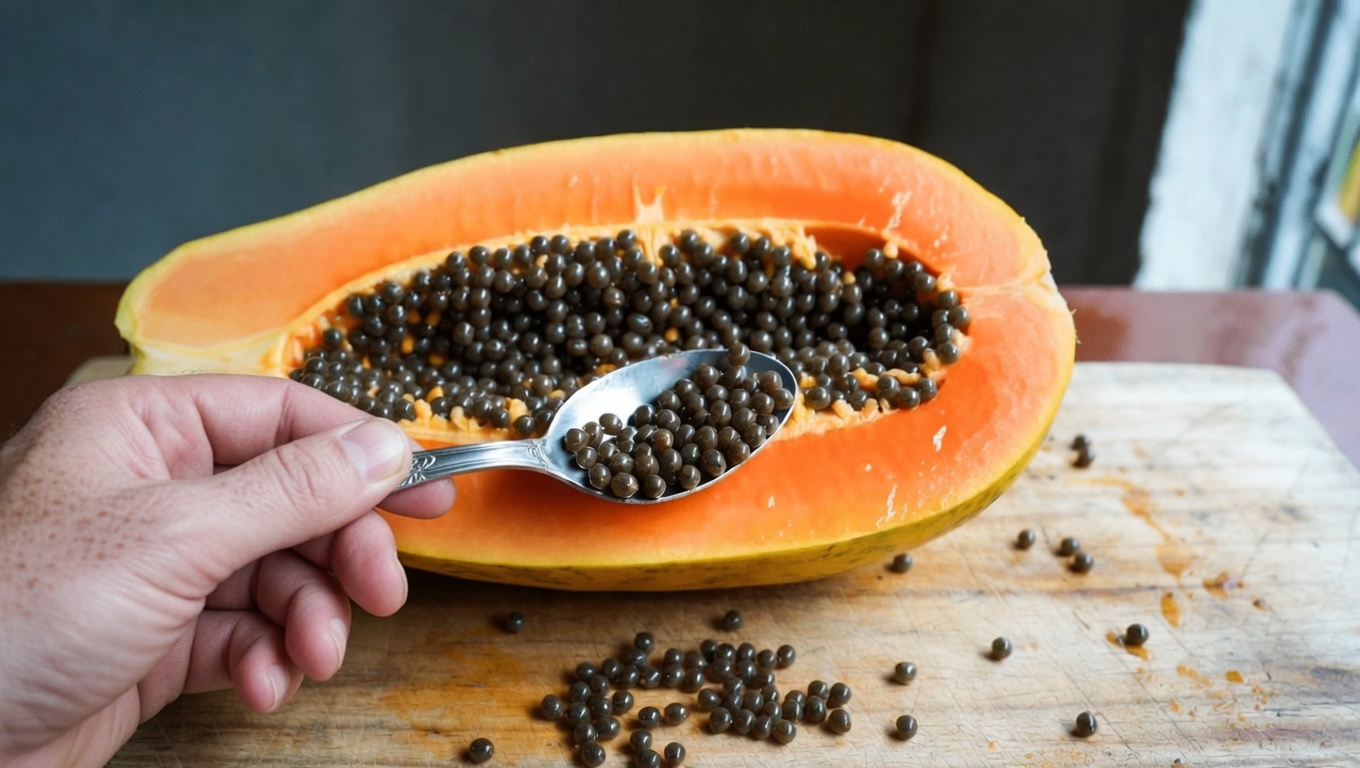
- Scoop seeds from a ripe papaya.
- Rinse briefly with water and pat dry.
- Begin with 5–7 seeds per day (about ½ teaspoon).
- Choose a method:
- Chew them raw (peppery, slightly bitter)
- Air-dry and grind for easier mixing
- Add to foods:
- Blend into smoothies
- Stir into yogurt or honey
- Mix with lemon water
- Sprinkle ground seeds over salads or bowls
- Keep intake conservative: ½ to 1 teaspoon daily is a common upper range mentioned in wellness contexts. Avoid going beyond this without professional guidance.
Tips for better results:
- Use fresh or properly air-dried seeds for quality.
- Track changes in a quick note (digestion, energy after meals, bloating).
- Combine with a balanced, fiber-rich diet for stronger overall effects.
A Realistic 7-Day Timeline: What You Might Notice
The evidence does not support dramatic overnight changes, but some people report gradual shifts when they use papaya seeds consistently:
- Days 1–2: Mild digestive adjustment is possible as fiber intake changes.
- Days 3–4: Some may notice steadier energy or less “heavy” feeling after meals, potentially linked to overall diet quality and antioxidant intake.
- Days 5–7: Subtle improvements in gut comfort may become more noticeable for some individuals.
Results vary widely depending on baseline diet, stress, hydration, sleep, and individual sensitivity. Think in terms of incremental support, not transformation.
Papaya Seeds vs. Common Alternatives
- Cost
- Papaya seeds: Low (if you already buy papaya)
- Probiotics: Moderate
- Fiber supplements: Low to moderate
- Evidence strength
- Papaya seeds: Promising but mostly preliminary
- Probiotics: Stronger for specific strains and outcomes
- Fiber supplements: Well-supported for regularity
- Primary support
- Papaya seeds: Antioxidants + enzymes + fiber
- Probiotics: Microbiome support
- Fiber supplements: Bulk-forming support
- Potential downsides
- Papaya seeds: Bitter taste; start low
- Probiotics: Occasional GI upset
- Fiber supplements: Bloating if increased too quickly
Papaya seeds can be a simple, whole-food option to add bioactive variety—especially if you already enjoy papaya.
Important Precautions and Who Should Avoid Them
Papaya seeds are typically tolerated in small amounts, but too much may cause stomach upset. Also note these key cautions:
- Pregnancy and breastfeeding: Avoid due to potential risk and limited safety data.
- Fertility concerns: Some animal studies suggest high doses may affect fertility. Men trying to conceive (or anyone with concerns) should consult a clinician.
- Allergies and medications: If you have latex-related allergies or take medications, check with a healthcare professional first.
This article is for informational purposes only and does not replace medical advice.
Conclusion: Are Papaya Seeds Worth Adding?
Papaya seeds are an easy, low-cost way to include antioxidants, fiber, and plant compounds that may support digestion, energy, and everyday wellness over time. They are not a miracle food—but used in small, consistent amounts, they can be a smart add-on for many people.
Frequently Asked Questions
How many papaya seeds should I eat per day?
Start with 5–10 fresh seeds daily (about ½ teaspoon). Increase only if you tolerate them well, and stay within moderate amounts.
Can papaya seeds replace medical treatment?
No. They are a supportive food, not a substitute for medical care or prescribed therapies.
What do papaya seeds taste like?
They taste peppery, sharp, and slightly bitter. Many people prefer them mixed into smoothies, yogurt, or honey.