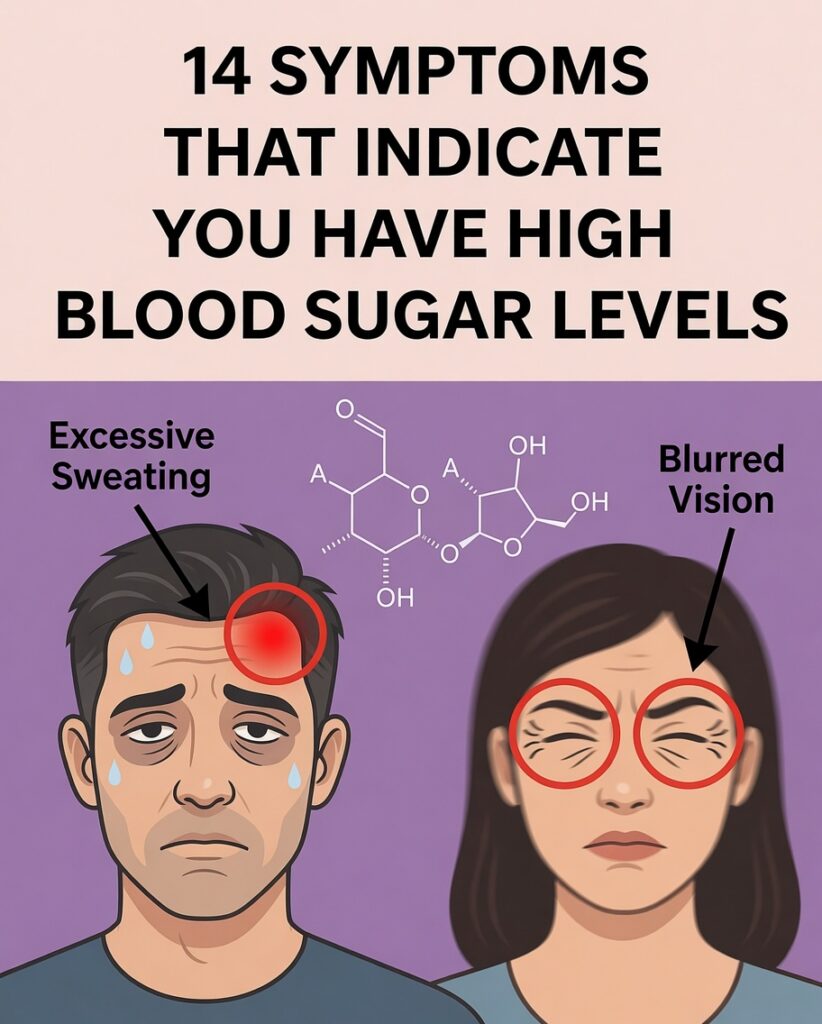
Feeling unusually exhausted, constantly thirsty, or noticing your eyesight seems “off” can be both disruptive and unsettling—especially when these issues start affecting work, sleep, and everyday routines. Many people search for explanations and wonder whether high blood sugar (hyperglycemia) could be involved. Learning the early signs of high blood sugar can help you respond sooner and protect your long-term health.
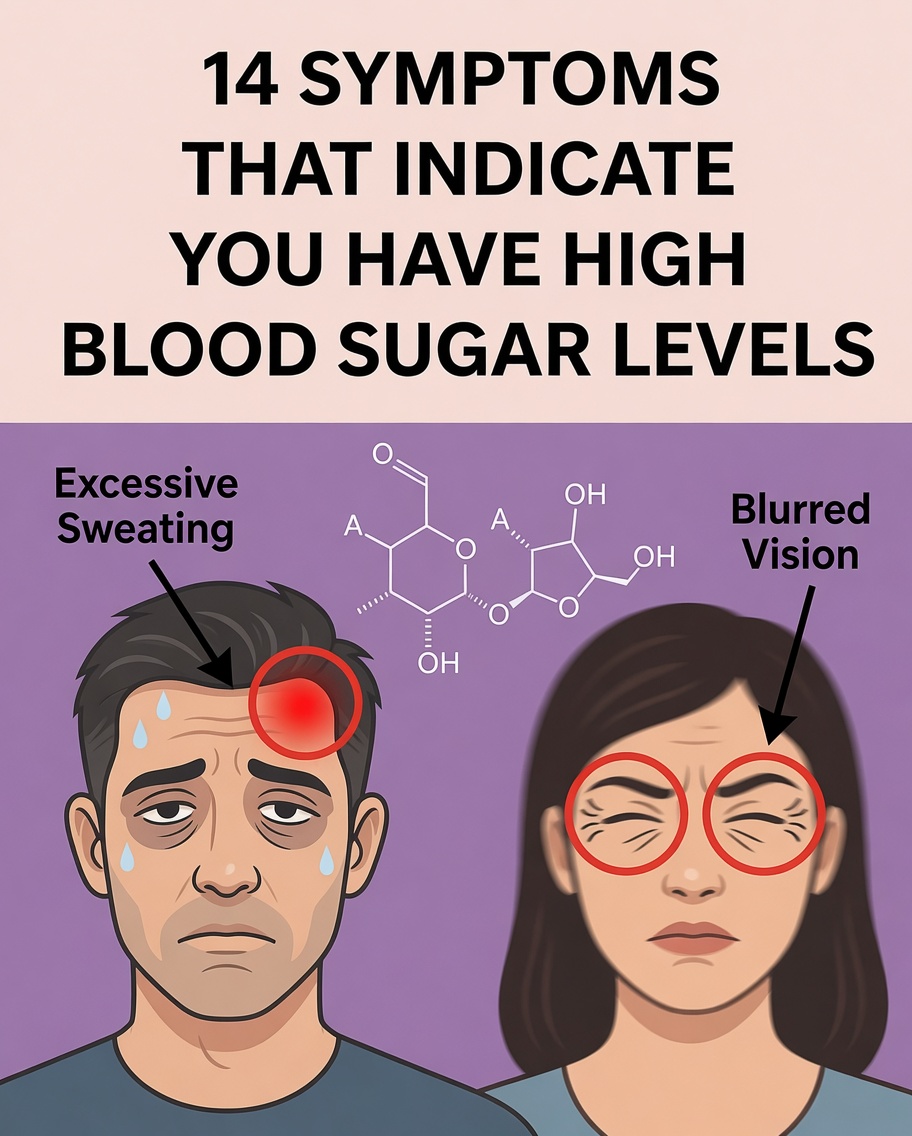
Understanding High Blood Sugar (Hyperglycemia) and Why It Matters
High blood sugar happens when glucose builds up in the bloodstream, often because the body isn’t producing enough insulin or isn’t using insulin effectively. The cause may relate to diet, stress, illness, medications, or underlying metabolic conditions.
What makes hyperglycemia tricky is that symptoms can start subtly and worsen over time. It’s easy to brush them off as “normal fatigue” or “just dehydration,” but paying attention to your body’s signals can make a meaningful difference in how you feel day to day.
Frequent Urination: A Common Early Sign of High Blood Sugar
If you’re urinating more often than usual—especially if it interrupts sleep or repeatedly pulls you away from daily activities—this can be an early indicator of elevated blood glucose.
When blood sugar rises, the kidneys try to remove extra glucose through urine. That process draws more water out of your body, which increases urine output. The result is a frustrating cycle that can leave you feeling drained and worn down, particularly overnight.

Excessive Thirst That Doesn’t Seem to Go Away
Feeling persistently thirsty, even after drinking water, often goes hand-in-hand with frequent urination. As your body loses more fluid, it sends stronger thirst signals to restore balance.
This constant dry-mouth sensation can be uncomfortable and inconvenient, and ignoring it may deepen dehydration. Ongoing thirst is one of the classic signs of high blood sugar many people report early on.

Blurred Vision: A Warning Sign You Shouldn’t Ignore
If reading becomes harder, screens look fuzzy, or your eyes struggle to focus, blurred vision may be linked to high blood sugar. Excess glucose can shift fluid levels in the eye and affect the lens, temporarily changing how well you see.
Even if the blurriness comes and goes, repeated episodes can be a sign that elevated glucose is affecting sensitive tissues. Because vision changes can impact safety and independence, they deserve prompt attention.
Persistent Fatigue Even After Rest
Waking up tired despite sleeping “enough” can feel discouraging and can drain your motivation. With high blood sugar, fatigue may happen because your cells aren’t getting glucose efficiently for energy—even though glucose is present in the blood.
This low-energy state can make workouts, hobbies, and even basic tasks feel unusually difficult. For many people, ongoing exhaustion becomes one of the most limiting symptoms of hyperglycemia.

Unexplained Weight Loss
Unexpected weight loss might seem like a positive at first, but it can be a concerning clue—especially if you haven’t changed your diet or activity. When insulin isn’t working effectively, the body may start breaking down fat and muscle for fuel, leading to unintended weight loss.
This sign often appears alongside other symptoms like thirst, frequent urination, or fatigue, and it may indicate that blood sugar control needs attention.
More Frequent Infections and Slower Healing
High blood sugar can make it easier for bacteria and fungi to grow, and it can also weaken immune response. As a result, some people notice:
- More frequent infections (such as yeast infections or UTIs)
- Symptoms that linger longer than expected
- Repeated infections that return soon after treatment
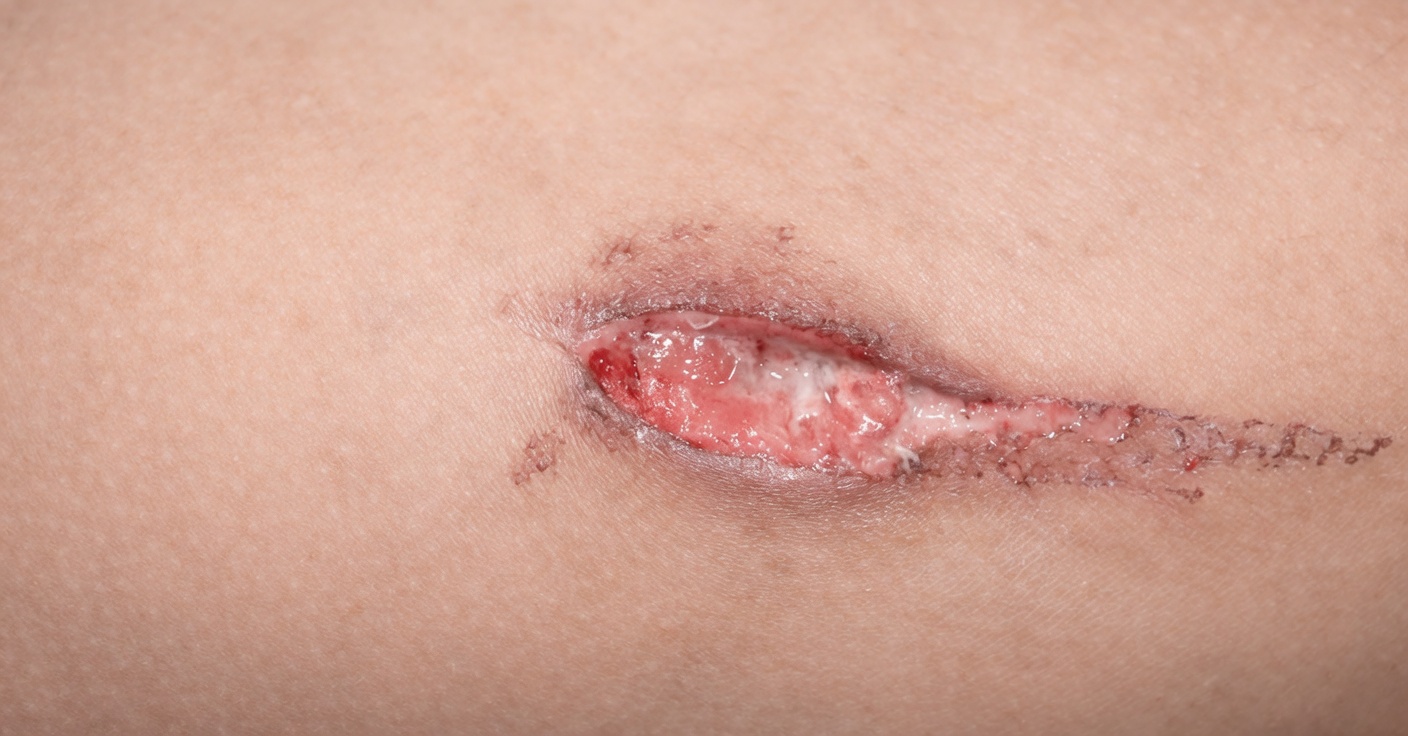
In addition, wounds may heal slowly. Elevated glucose can damage blood vessels and reduce oxygen and nutrient delivery to tissues, which delays repair and increases the risk of complications from even small cuts or scrapes.

Tingling or Numbness in Hands and Feet (Neuropathy)
A pins-and-needles feeling, burning sensations, or numbness—especially in the feet or hands—can be linked to nerve damage from long-term high blood sugar. This condition is often called diabetic neuropathy.
Catching this early matters. When nerve symptoms are addressed sooner, it may help reduce progression and protect mobility and quality of life.
Severe High Blood Sugar Symptoms That May Signal an Emergency
When blood glucose becomes dangerously high, more serious symptoms can appear, including:
- Nausea or vomiting
- Fruity-smelling breath
- Rapid breathing
- Abdominal pain
- Very dry skin or extreme dehydration
- Confusion or unusual drowsiness
These can be signs of a medical emergency (such as diabetic ketoacidosis) and require urgent care. The encouraging part is that noticing mild signs early often helps prevent dangerous escalation.
Practical Ways to Support Healthy Blood Sugar Levels
Managing the signs of high blood sugar can feel overwhelming, but consistent basics often have a strong impact. Consider these supportive habits:
- Choose high-fiber carbohydrates and watch portion sizes
- Prefer whole grains over refined options
- Move regularly (even a daily walk helps)
- Drink water consistently throughout the day
- Build meals with vegetables, lean proteins, and fiber
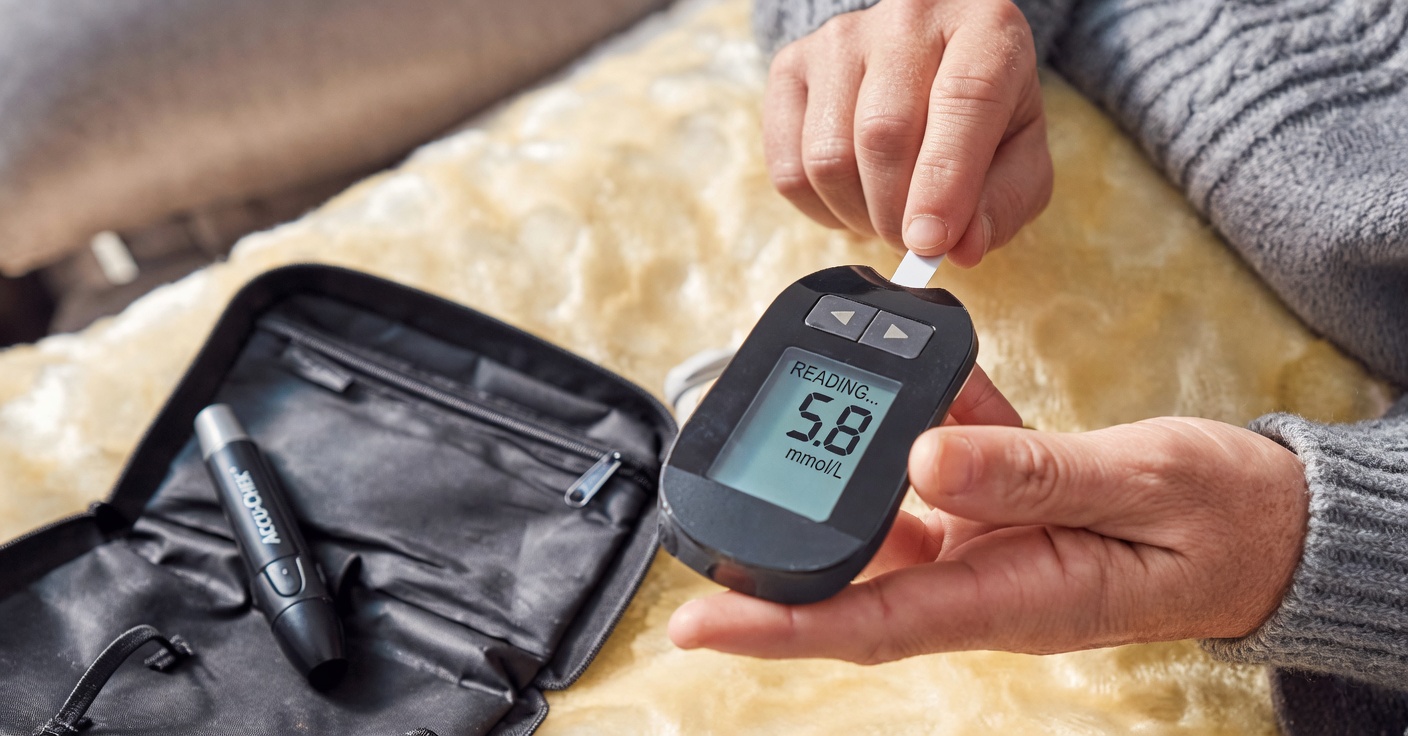
- Monitor blood sugar if your clinician recommends it
- Protect sleep and reduce chronic stress
Health organizations such as the American Diabetes Association and medical resources like the Mayo Clinic commonly support these strategies for better blood sugar stability.
Final Thoughts: Take High Blood Sugar Signs Seriously
Symptoms like constant thirst, frequent urination, blurred vision, fatigue, and slow healing can be alarming—but awareness gives you a path forward. When you recognize potential high blood sugar symptoms early and respond with informed choices, you’re more likely to regain energy, comfort, and confidence.
For personalized guidance and safe next steps, it’s always best to consult a healthcare professional.
Frequently Asked Questions
-
What are the most common early signs of high blood sugar?
Frequent urination, persistent thirst, fatigue, and blurred vision are among the most commonly reported early symptoms. -
Can high blood sugar affect body weight?
Yes. Some people experience unexplained weight loss when the body can’t use glucose effectively and starts breaking down fat and muscle for energy. -
When should I see a doctor about possible high blood sugar symptoms?
Seek medical evaluation if symptoms persist, worsen, or become severe—especially if you experience nausea, confusion, rapid breathing, or fruity-smelling breath.