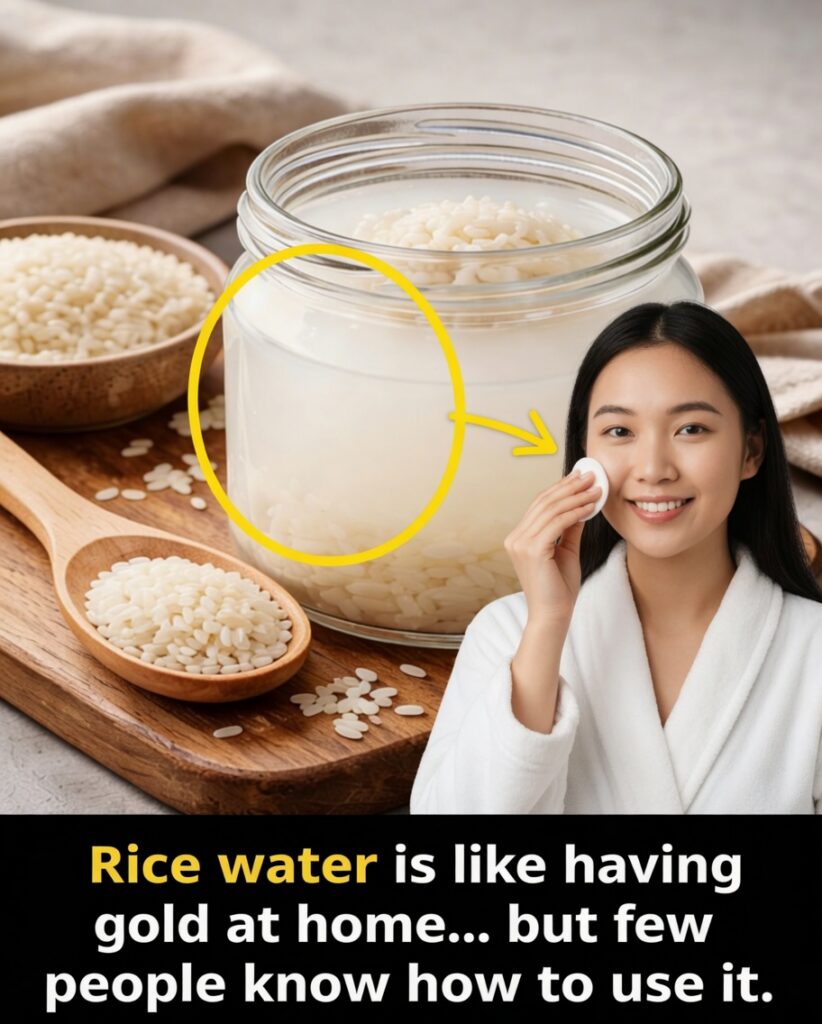
Dull-looking skin and brittle hair can chip away at your confidence—especially when high-priced products overpromise and underdeliver, sometimes leaving irritation behind. Meanwhile, a surprisingly useful “ingredient” often gets poured out without a second thought: the water left over from rinsing rice. The good news is that rice water—a long-standing staple in many Asian beauty routines—can be a gentle, budget-friendly addition to your skincare and haircare. In this guide, you’ll learn how to make rice water and how to use it safely for everyday support.
Why Rice Water Has Been a Beauty Secret for Centuries
Dry patches, uneven tone, or hair that seems to thin or snap easily can affect how you feel day to day. That’s one reason rice water has been used for generations in Japan, Korea, and China as a simple beauty practice. Rice water naturally contains amino acids, vitamins, antioxidants, and inositol—components often associated with supporting the skin barrier and hair resilience.
Rice water isn’t a miracle cure, but its mild nature and low cost make it appealing for people looking for a more natural, minimal approach.
What Research Suggests About Rice Water’s Benefits
If your skin looks tired or your hair breaks frequently, it can be discouraging. While research is still limited, existing findings offer promising clues. For example, inositol has been studied for its potential to help improve hair strength and reduce breakage, while antioxidants may help the skin cope with environmental stress.
Here’s a quick summary of key components and their commonly discussed roles:
- Inositol
- Potential support: hair strength and elasticity
- Evidence type: studies linked to reduced breakage
- Antioxidants
- Potential support: brighter-looking skin and protective support
- Evidence type: research related to barrier function
- Amino acids
- Potential support: hydration and skin repair support
- Evidence type: traditional use plus lab observations
- Vitamins B & E
- Potential support: overall nourishment
- Evidence type: nutrient analysis of rice water
These nutrients help explain why rice water remains popular as a complementary skincare and haircare option.
Easy Soaked Rice Water Recipe (Beginner-Friendly)
When your skin feels tight or your hair looks flat even with regular care, starting with plain (non-fermented) rice water is a simple, gentle first step.
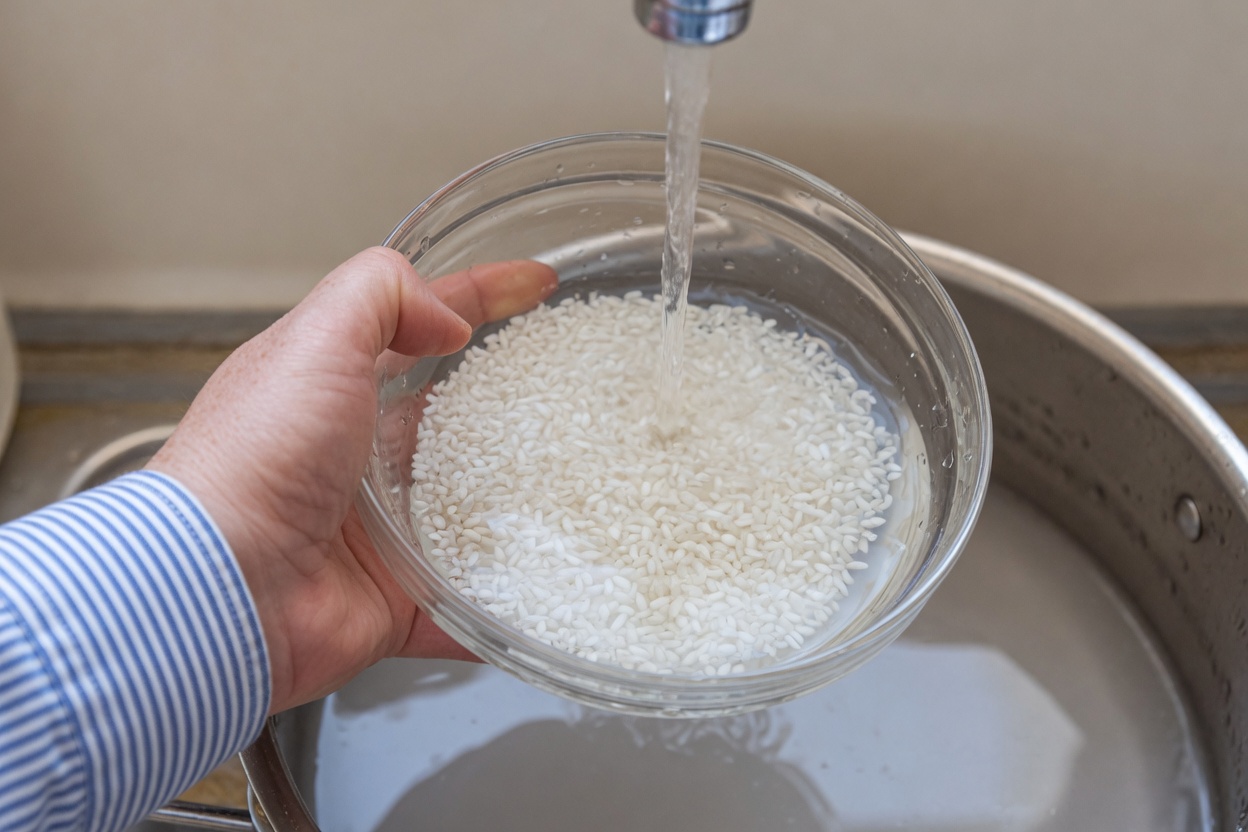
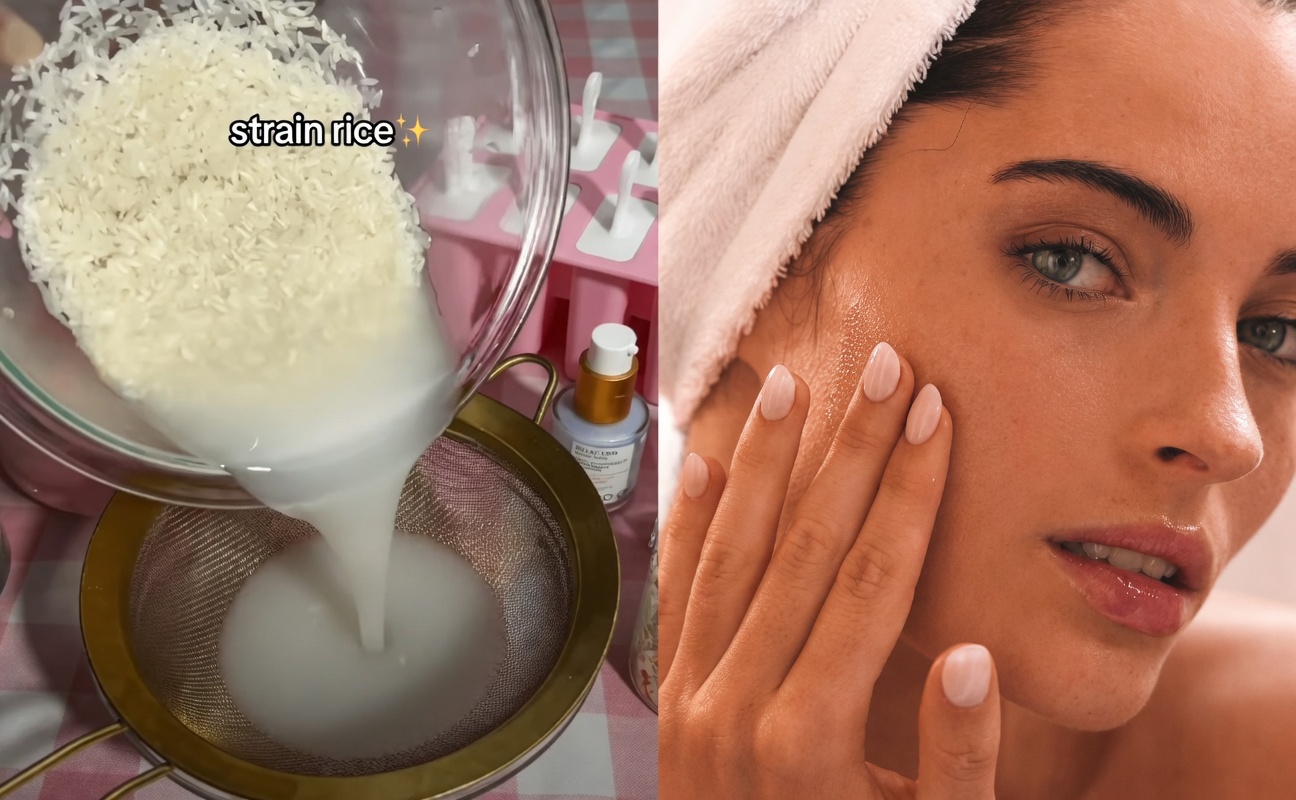
How to make soaked rice water
- Rinse ½ cup of rice (any variety) to remove surface debris.
- Add 2–3 cups of clean water.
- Let it soak for 30 minutes, stirring now and then.
- Strain the cloudy water into a clean bottle or bowl.
Storage: Use within 24 hours, or refrigerate and use within up to 3 days.
Fermented Rice Water (Stronger Option)
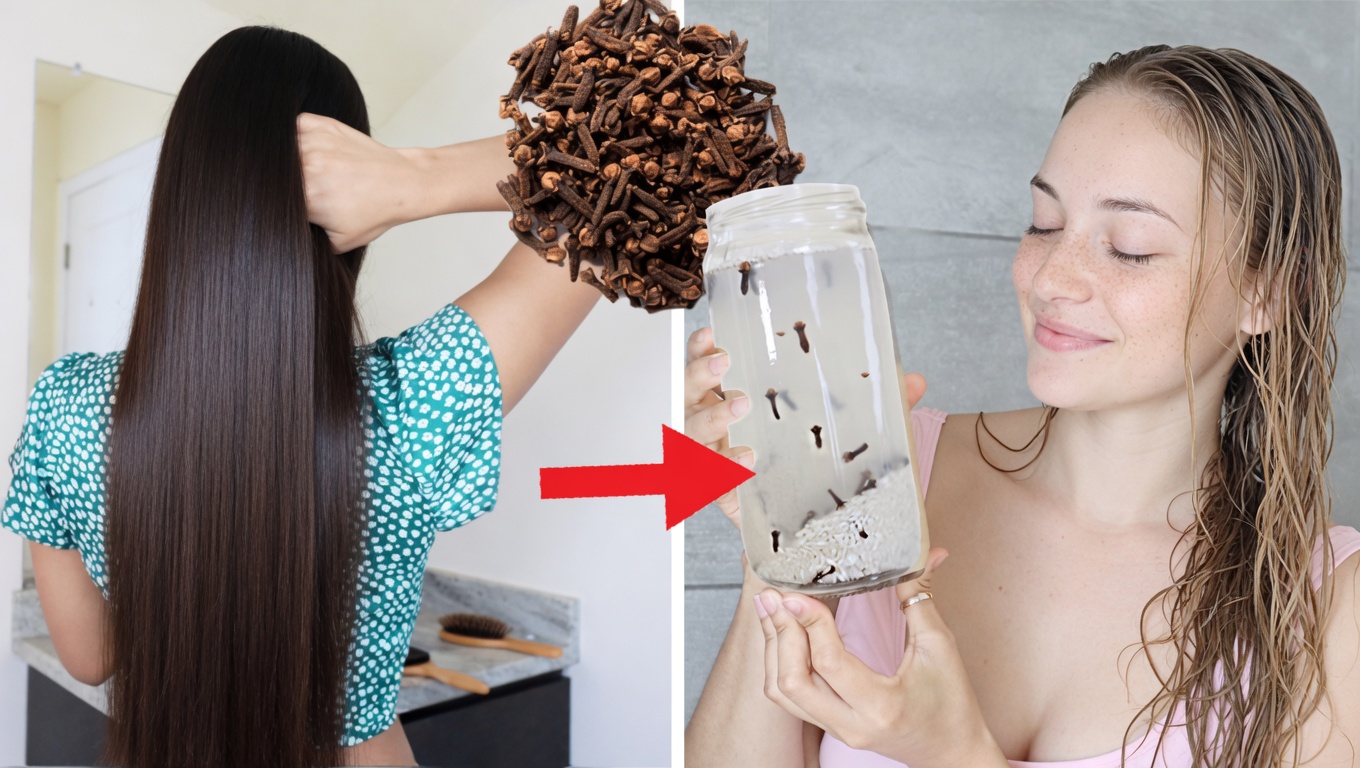
If you’re dealing with stubborn dullness or ongoing hair damage, fermented rice water is often considered a more concentrated version because fermentation can increase the availability of certain compounds. This method is frequently associated with the Yao women of China, who are well known for their long, healthy-looking hair traditions.
How to make fermented rice water
- Prepare soaked rice water using the method above.
- Pour it into a clean jar and leave it at room temperature for 24–48 hours.
- It’s ready when it develops a light sour scent (similar to yogurt).
- Before using, dilute 1:1 with water, then refrigerate.
Note: Fermented rice water can feel strong on sensitive skin—patch test first.

How to Use Rice Water as a Facial Toner or Mist
Uneven-looking tone, mild redness, or skin that feels stressed can make your routine feel complicated. Rice water is often used as a simple toner to support a calmer, fresher look.
Ways to apply
- Soak a cotton pad in chilled rice water and swipe over a clean face morning and/or night.
- Pour into a spray bottle and use as a face mist whenever your skin feels dry.
- Leave it on—no rinse required—if your skin tolerates it well.
With consistent use, many people report softer-feeling, more comfortable skin over several weeks.
Rice Water Hair Rinse for Shine and Strength
Frizz, breakage, and weak strands can make styling difficult. A rice water rinse is a traditional, low-effort method that many people use to support shine and manageability.
How to do a rice water hair rinse
- Shampoo as usual.
- Slowly pour rice water over your hair.
- Massage into the scalp and work through the lengths.
- Leave it on for 10–20 minutes.
- Rinse thoroughly with cool water.
For many routines, fermented rice water once weekly is enough to avoid overdoing it.
Extra Ways to Use Rice Water for Skin Comfort
If your skin feels uncomfortable from dryness or too much sun, rice water can also be used in gentle, supportive ways:
- Add 1 cup of rice water to a bath for overall skin comfort.
- Apply with a soft cloth to help calm occasional visible redness.
- Use as a cool compress on sensitive areas.
If you’re using fermented rice water, always dilute, especially on delicate skin.
Practical Tips for Better Results (and Fewer Mistakes)
To get the most out of rice water skincare and haircare while keeping your routine safe and simple:
- Choose organic rice when possible to reduce residue exposure
- Do a patch test on the inner arm before broader use
- Start with soaked rice water before trying fermented
- Store in the fridge and discard if the smell becomes unpleasant or “off”
- Pair it with your usual moisturizer or conditioner
- Stay consistent—many people notice changes in 2–4 weeks
Conclusion: A Simple Tradition Worth Testing
Rice water is a time-tested, essentially free method that may gently support healthier-looking skin, stronger-feeling hair, and everyday comfort thanks to its natural nutrients. Results vary, but many find it worthwhile when used consistently. Try it for a few weeks and track how your skin and hair respond.
Frequently Asked Questions
-
How often should I use rice water on skin or hair?
Start with 2–3 times per week, then adjust based on how your skin and scalp feel. Some people tolerate daily use with the soaked (non-fermented) version. -
Is fermented rice water better than plain rice water?
Fermented rice water may be more potent, especially for hair, but it can also be more intense. If you have sensitive skin, begin with plain rice water first. -
Can I drink rice water for health benefits?
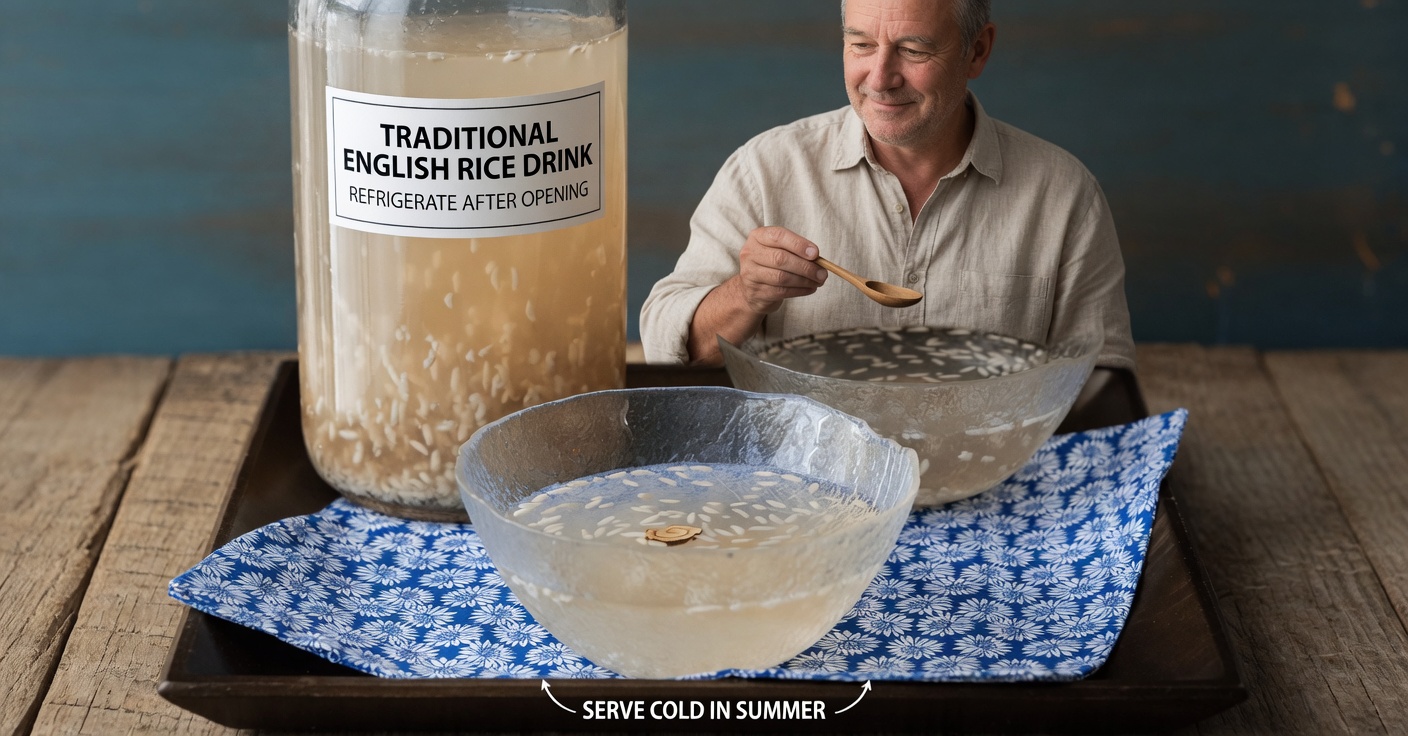
Only drink boiled rice water (the water left from cooking rice) for traditional digestive comfort. Do not drink raw or fermented rice water.