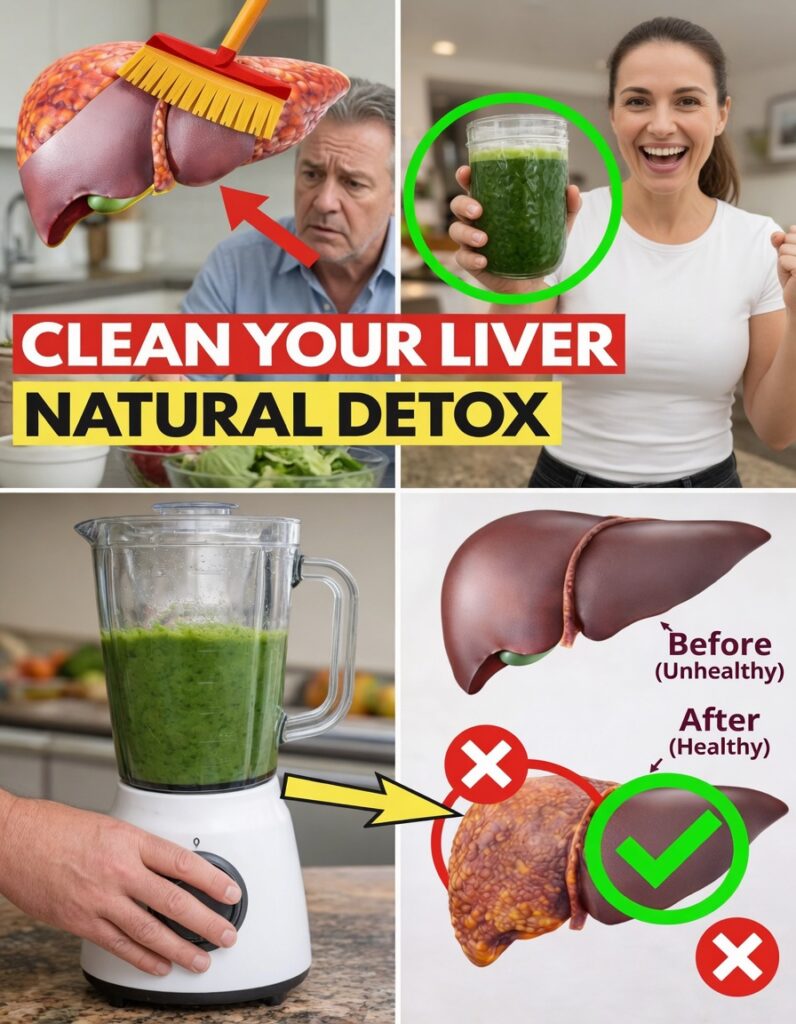
Non-Alcoholic Fatty Liver Disease (NAFLD/MASLD) After 40: Can Celery, Lemon, and Honey Help?
Non-alcoholic fatty liver disease—often called NAFLD and increasingly referred to as MASLD—is now extremely common. Recent estimates suggest roughly 33–38% of U.S. adults are affected, and numbers may continue rising as modern diets and sedentary routines persist.
Many adults over 40 start noticing low-key but nagging changes: ongoing tiredness, bloating after meals, or a persistent “heavy” feeling that doesn’t improve with sleep or another cup of coffee. In many cases, these signals reflect a body (and liver) trying to keep up with processed foods, chronic stress, and environmental exposures.
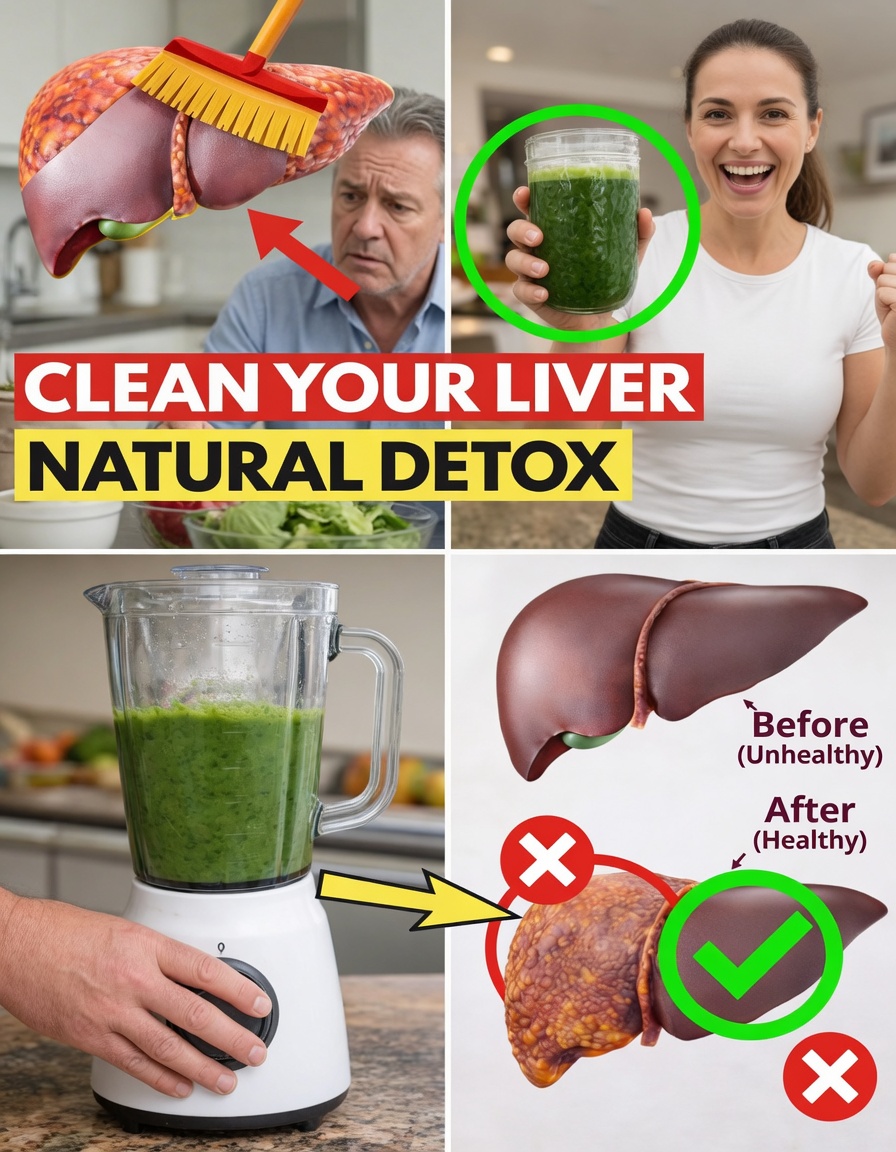
A question worth exploring: could a simple daily drink made with fresh celery, lemon, and honey provide gentle, nutrition-based support? While no beverage can “cleanse” the liver in a few days, these ingredients contain antioxidants, hydration, and bioactive compounds that align with liver wellness goals—especially when used consistently.
This guide breaks down the science, realistic expectations, and a practical routine you can try.
Why Liver Health Often Becomes More Important After 40
As you age, the liver carries the cumulative impact of decades of inputs—diet patterns, occasional alcohol, medication use, sleep debt, and stress. Over time, this can contribute to fat accumulation in liver cells, now one of the most common chronic liver-related concerns worldwide.
When the liver is under strain, people may notice changes connected to broader metabolic function, including:
- Energy and stamina
- Digestion and comfort after meals
- Blood sugar regulation
- Overall vitality and resilience
Many people try quick solutions—“detox” teas, extreme fasts, or popular supplements (like milk thistle)—and experience only temporary improvement or a rebound dip in energy. A more evidence-aligned perspective is that liver wellness responds best to steady habits: hydration, fiber intake, antioxidant-rich foods, and sustainable lifestyle patterns—not dramatic interventions.
The Science: Why Celery, Lemon, and Honey Are Discussed for Liver Support
This trio is popular because each ingredient contains compounds studied for antioxidant or anti-inflammatory effects. Importantly, most evidence comes from ingredient-level research and animal or mechanistic studies, not large human trials testing this exact combination as a “liver drink.”
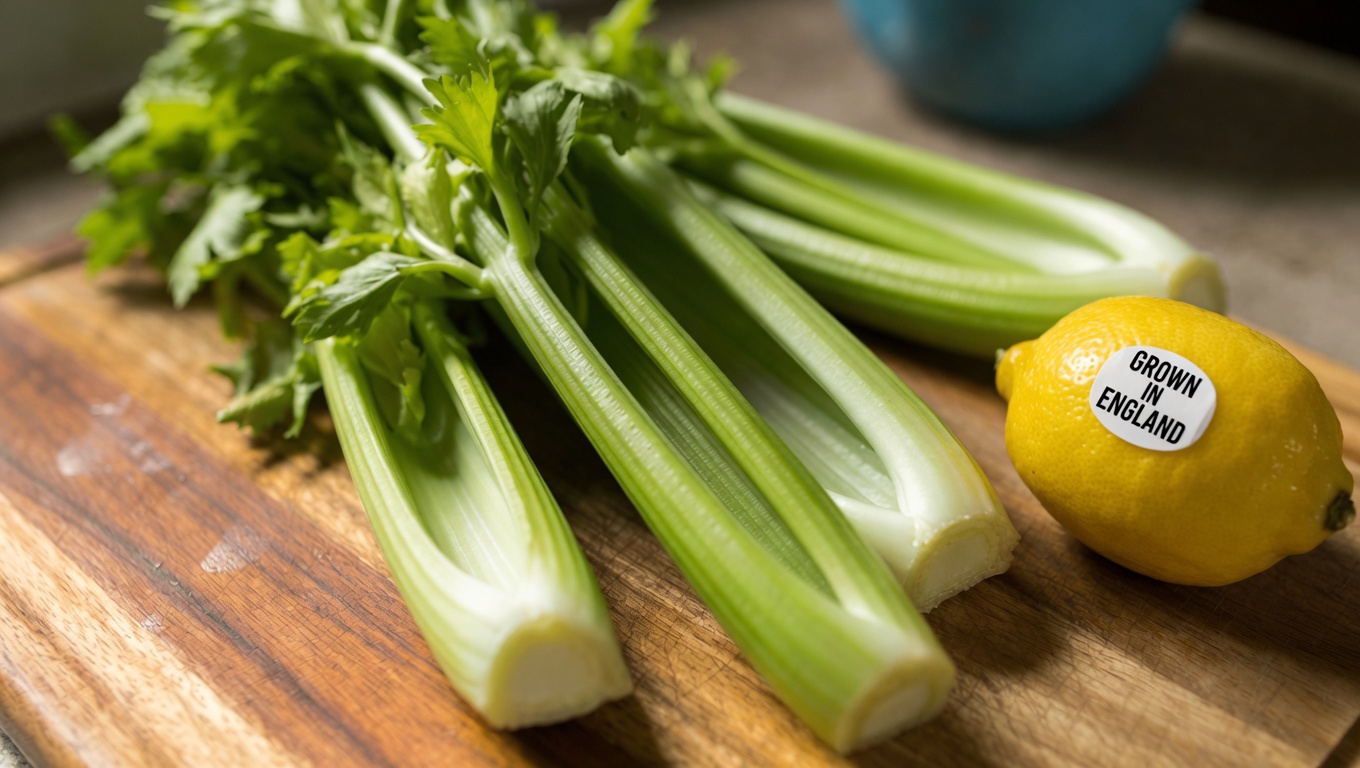
Celery: Hydration + Flavonoids
Celery provides:
- Flavonoids such as apigenin and luteolin, which have shown antioxidant and anti-inflammatory potential in research (including animal models with hepatoprotective signals)
- Potassium and magnesium, supporting normal electrolyte balance and enzymatic function
- High water content, contributing to daily hydration
Lemon: Vitamin C + Citric Acid
Lemon contributes:
- Vitamin C, which supports the body’s antioxidant systems and is associated with glutathione support (glutathione is a key molecule involved in normal detox pathways)
- Citric acid, often discussed for its potential role in supporting digestion and bile-related processes
Raw Honey: Polyphenols and Antioxidants
Raw honey contains:
- Polyphenols and other antioxidant compounds
- Evidence from some models (including fatty liver progression models) suggesting potential roles in reducing oxidative stress
The Most Accurate Takeaway
Research on citrus compounds, honey varieties, and plant flavonoids supports the idea that these foods can help address oxidative stress and support general metabolic health. Still:
- Human studies on the exact celery–lemon–honey mix are limited
- No drink offers a rapid “liver cleanse”
- The value—if any—comes from consistent, nutrient-dense support, not overnight transformation
What People Commonly Notice (Realistic, Gradual Changes)
When people adopt a similar nutrient-forward daily ritual, they often describe subtle improvements over time, such as:
- Feeling less weighed down after meals
- Reduced bloating
- More stable energy (especially when hydration improves)
- A general sense of “lighter” digestion
These reports match what nutrition research repeatedly shows: benefits often accumulate from hydration, fiber, and antioxidants—not from instant resets.
15 Evidence-Informed Ways This Trio May Support Liver Wellness
Below are practical, research-aligned ways this routine may contribute to liver-friendly wellness (without overpromising medical outcomes):
- Provides antioxidants that help counter everyday oxidative stress
- Supplies vitamin C (lemon) to support antioxidant pathways, including glutathione-related processes
- May support bile-related digestive function via citric acid
- Offers plant flavonoids (celery) associated with lower inflammatory signaling in studies
- Adds hydration plus electrolytes (notably potassium)
- Includes fiber (especially if pulp is kept) supporting the gut–liver connection
- Delivers polyphenols (honey) for cellular antioxidant protection
- Contributes magnesium to support enzyme activity
- May support steadier blood sugar responses when fiber slows absorption
- Helps with satiety due to low calorie density (celery) in a structured routine
- Supports immune defenses through vitamin C and antioxidant intake
- Contributes to cardiovascular wellness through potassium intake
- Combines ingredients that may work synergistically as part of a nutrient-rich diet
- Builds a simple daily habit that is easier to sustain than extreme plans
- Supports overall vitality through consistent, cumulative nutrition
Pairing this drink with adequate water intake and light movement (like walking after meals) tends to amplify the gentle benefits.
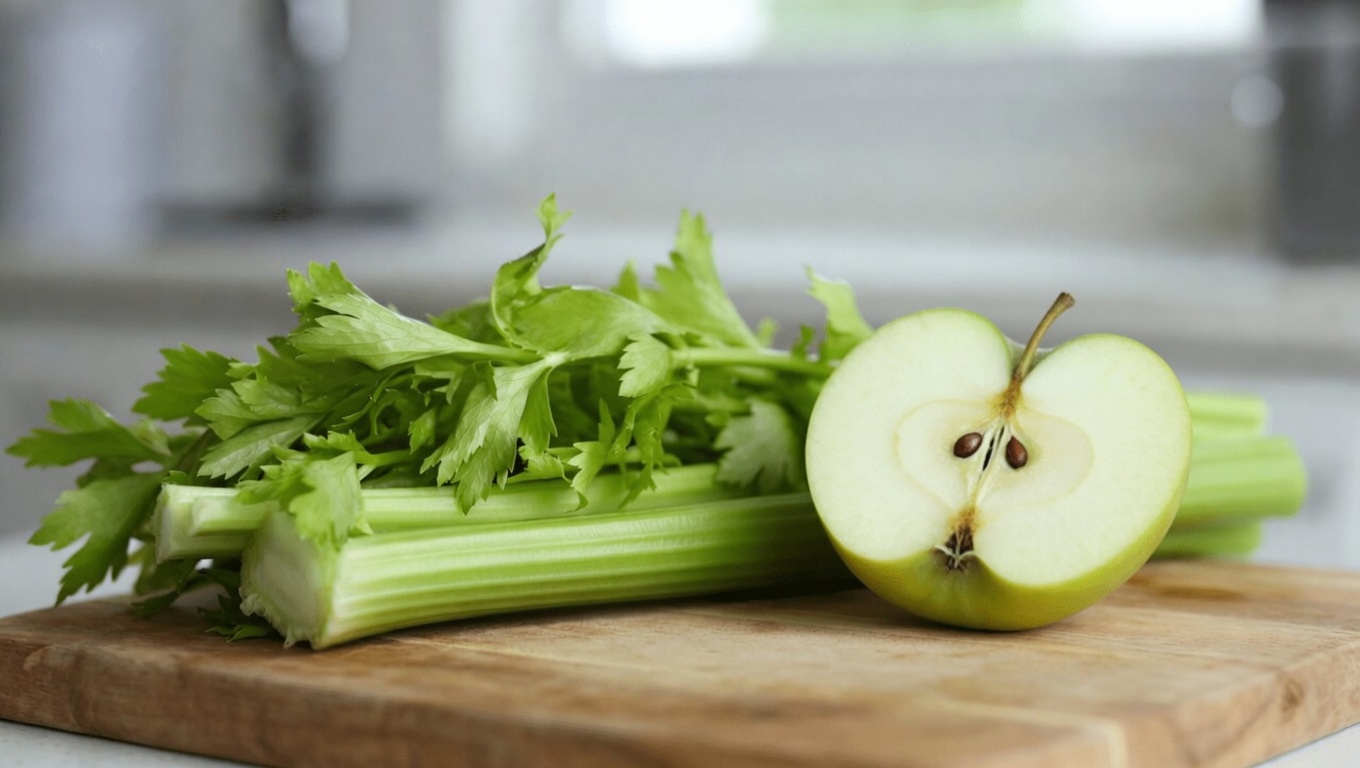
How to Make a Celery–Lemon–Honey Drink (Daily Batch)
Ingredients
- 5–6 large celery stalks, chopped
- 1 whole lemon, washed and cut (keep the peel for added bioflavonoids if tolerated)
- 1–2 tablespoons raw honey, adjust to taste
Steps
- Blend or juice the celery and lemon until smooth.
- Strain if you want a thinner texture (keeping some pulp increases fiber).
- Stir in honey until fully dissolved.
- Divide into 4–5 small portions to sip throughout the day.
- Refrigerate and use within 24 hours (fresh is best).
Optional tip: Add a tiny pinch of sea salt for flavor and electrolyte support.
A Simple Timeline to Build Consistency
-
Days 1–3: Sip 4–5 small servings/day
- Potentially noticed: hydration lift, slightly lighter digestion
- Helpful habit: drink extra water and jot down how you feel
-
Days 4–7: Continue daily
- Potentially noticed: less bloating, steadier energy
- Helpful habit: short walk after meals
-
Ongoing (5–7 days/week):
- Potentially noticed: improved overall sense of well-being over time
- Helpful habit: track energy, digestion, and weight trends simply (no obsession)
How It Compares With Other Popular “Liver” Approaches
-
Celery–lemon–honey routine
- Cost: low
- Evidence: promising at the ingredient level
- Sustainability: high (simple daily habit)
- Downsides: results are subtle and gradual
-
Juice fasts
- Cost: moderate to high
- Evidence: limited for long-term benefit
- Sustainability: low (short-term only)
- Downsides: hunger, fatigue, rebound eating
-
Milk thistle supplements
- Cost: moderate
- Evidence: moderate (depends on product and context)
- Sustainability: easy but can become “pill-first” thinking
- Downsides: occasional GI upset, interactions for some people
Precautions and Honest Expectations
This drink can be a supportive wellness habit, but it is not a treatment and not a rapid detox solution. Talk to a clinician before starting if you:
- Have diagnosed liver disease or abnormal liver enzymes
- Have gallstones or gallbladder symptoms
- Experience significant acid reflux (lemon may aggravate it)
- Take medications or manage chronic conditions
- Are sensitive to increased fiber (start small and increase gradually)
The most realistic expectation: focus on weeks of consistency, not days of dramatic change.
Next Steps: Build Steadier Energy Without Extreme Measures
Better mornings, less post-meal heaviness, and more stable energy often come from a simple principle: small, repeatable nutrition habits that support the body’s daily processes. If you want to try this approach, make one fresh batch tomorrow and pay attention to how your digestion and energy respond over the next 1–2 weeks.
FAQ
-
Can I drink this every day long-term?
For most people, yes—when used as part of a balanced diet. Adjust portions, vary your overall produce intake, and listen to your body. -
Does this replace medical care for fatty liver or liver disease?
No. It may support wellness habits, but it does not diagnose, treat, or cure any condition. Seek personalized medical guidance. -
What’s the best time to drink it?
Sipping between meals works well for many people. Some prefer one portion in the morning and the rest spaced through the day.
Medical disclaimer: This article is for informational purposes only and does not replace professional medical advice. Consult a qualified healthcare provider for personal guidance, especially if you have liver concerns, take medications, or live with chronic conditions.