Peripheral Neuropathy After 60: 10 Signs You Shouldn’t Ignore (Including One Often Missed)
Peripheral neuropathy becomes increasingly common with age, and it often shows up first in the feet and hands. Many people over 60 notice unusual sensations—tingling, discomfort, or numbness—then dismiss them as “normal aging” or poor circulation. However, growing medical evidence suggests peripheral nerve damage affects a substantial share of older adults and can gradually interfere with balance, independence, and overall quality of life.
Because early symptoms can be subtle, neuropathy may progress quietly for months or years. This guide breaks down the most important warning signs supported by clinical observations and research, explains why awareness matters, and outlines practical next steps to discuss with your healthcare provider—especially one frequently overlooked symptom that can signal hidden risk.
The Silent Impact: Why Peripheral Neuropathy Often Goes Unnoticed After 60
In your 60s and beyond, aches, fatigue, and “off” sensations can feel like part of everyday life. Yet studies suggest peripheral neuropathy is far from rare in older populations. A 2025 study using the Michigan Neuropathy Screening Instrument (MNSI) reported a prevalence of roughly 62% among very old adults (median age 84), including participants without diabetes. Other estimates place prevalence around 26–39% for adults 70+, with rates generally increasing as people age due to a mix of natural nerve changes, common health conditions, and lifestyle factors.
Peripheral neuropathy affects nerves outside the brain and spinal cord—often starting with the longest nerves that travel to the toes and fingers. Since symptoms usually develop gradually, they are easy to minimize. Left unaddressed, neuropathy may contribute to:
- Reduced mobility and confidence when walking
- Higher fall risk
- Minor cuts, blisters, or burns that go unnoticed
- Declines in day-to-day function and well-being
The encouraging part: spotting patterns early helps you have more productive medical conversations. With proper evaluation, many people find meaningful improvement through lifestyle changes, targeted treatment, or addressing underlying causes.
What Peripheral Neuropathy Actually Is
Peripheral neuropathy refers to damage or malfunction of nerves that carry messages between the central nervous system and the rest of the body. Depending on which nerves are involved, it may affect:
- Sensory nerves (touch, pain, temperature)
- Motor nerves (muscle control and movement)
- Autonomic nerves (automatic processes like digestion and blood pressure)
In many older adults, symptoms follow a classic “stocking-glove” pattern, beginning in the feet and hands and sometimes spreading upward over time. Causes vary widely and may include aging-related nerve wear, vitamin deficiencies, medication side effects, chronic conditions, or unexplained (idiopathic) factors.
10 Key Signs of Peripheral Neuropathy Over 60
The signs below often start mildly and become more noticeable over time. You may experience only a few—or several at once.
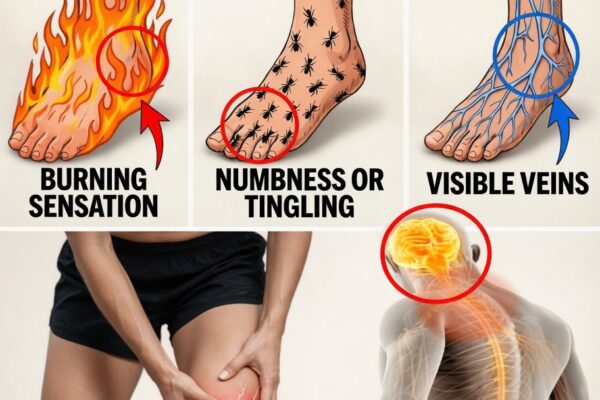
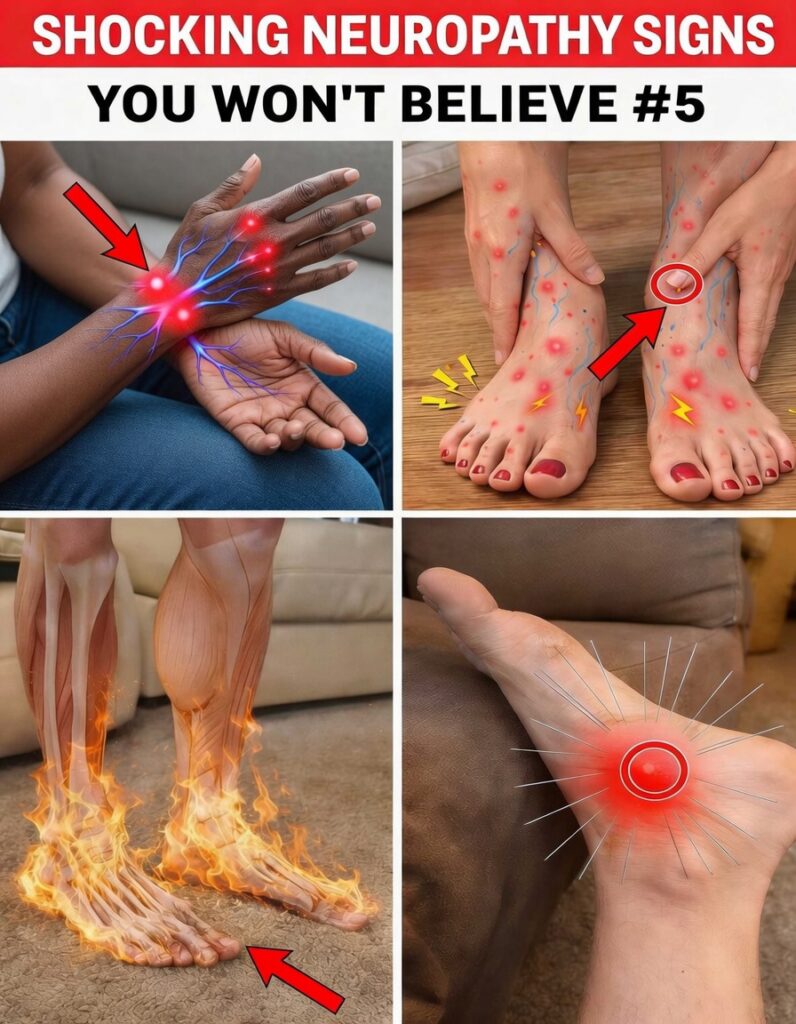
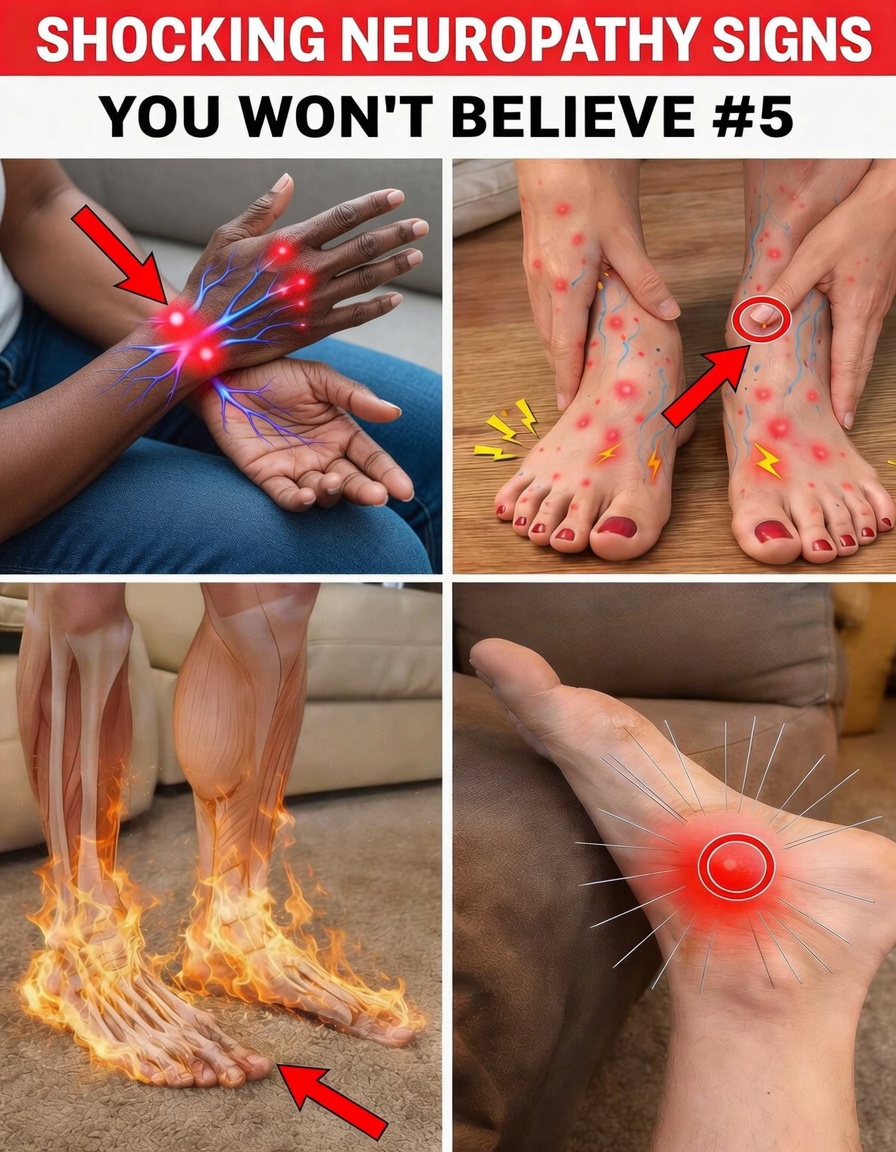
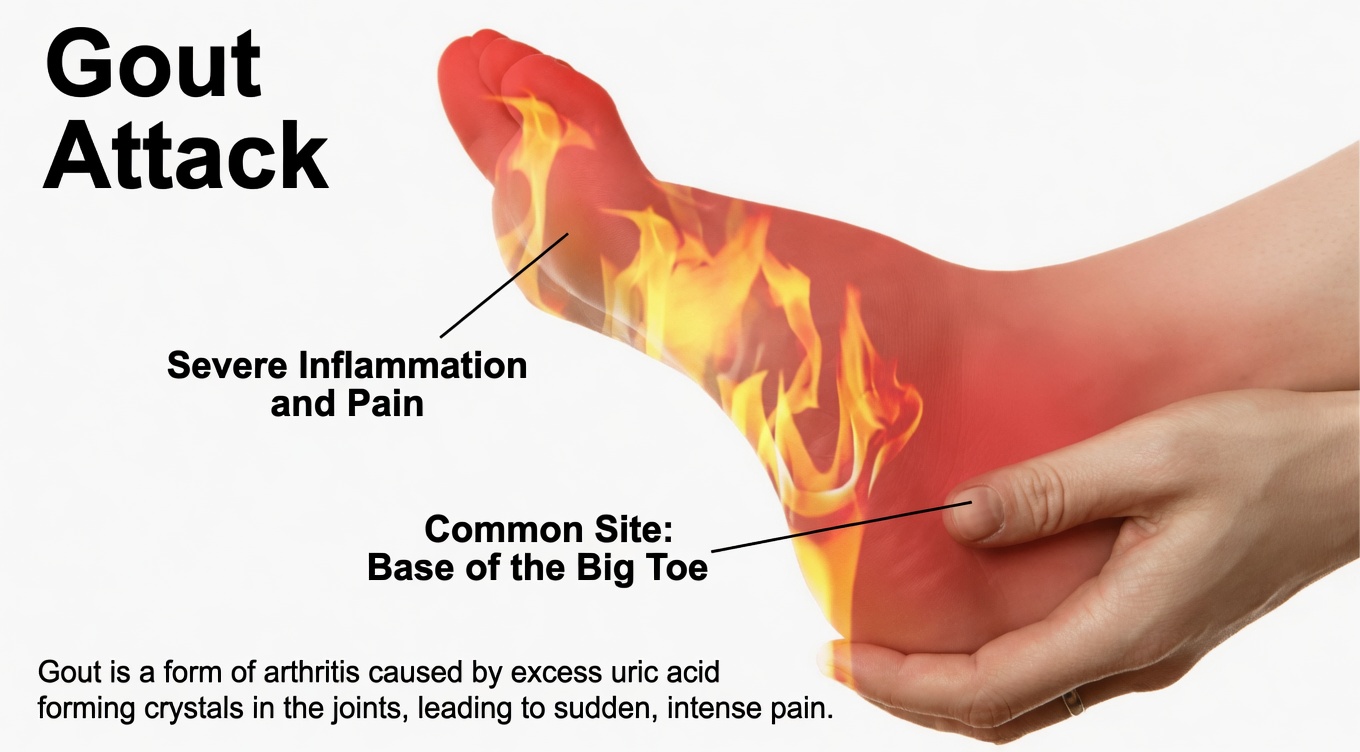
1) Burning or Hot Sensations in the Feet (Often Worse at Night)
A burning feeling in the feet, especially when lying down, is a common neuropathy complaint and is frequently associated with small nerve fiber irritation. During the day, activity can distract from symptoms; at night, the discomfort may become harder to ignore. Some people even find bed sheets irritating.
2) Ongoing Tingling or “Pins and Needles”
Tingling typically begins in the toes or fingertips and may come and go early on. It is widely reported as an initial symptom in clinical settings and can reflect abnormal nerve signaling.
3) Gradual Numbness or Reduced Sensation
Numbness can make it harder to feel light touch, pain, or temperature. This matters because reduced protective sensation increases the chance of unnoticed injuries—such as blisters from shoes or small cuts on the feet.
4) Sudden Electric-Shock-Like Pains
Some people feel sharp, shooting “jolts” that appear without warning. These sensations may be linked to larger nerve fiber involvement or irritation/compression patterns described in pain-focused research.
5) Reduced Ability to Sense Hot vs. Cold (The Often-Missed Sign)
Difficulty telling warm from cool can be an early sign of small fiber nerve damage and is easy to overlook—until it causes a problem. When temperature sensation is dulled, the risk of accidental burns (hot bath water, heating pads) or cold-related injury rises because warning signals don’t register normally.
A simple at-home check (using safe warm—not hot—and cool temperatures) may reveal changes worth discussing with a clinician.
6) Muscle Weakness, Heaviness, or Changes in Foot/Hand Control
Neuropathy may affect motor nerves, leading to weakness, clumsiness, or a heavy feeling in the legs. Some people develop foot drop (difficulty lifting the front of the foot), while others notice weaker grip strength or trouble with buttons and fine tasks. Chronic cases commonly report some level of motor impact.
7) Balance Issues and Unsteadiness
When sensory feedback from the feet is impaired, the brain receives less information about body position (proprioception). This can lead to wobbliness, unstable walking, and a higher risk of falls. Gait research has linked neuropathy to markedly increased fall rates in older adults.
8) Pain from Light Touch (Allodynia)
If gentle contact—like clothing, socks, or bedding—feels painful or uncomfortable, it may reflect hypersensitive or misfiring nerve pathways.
9) Digestive or Autonomic Symptoms
Peripheral neuropathy can also affect autonomic nerves. Some people experience issues such as:
- Constipation or bloating
- Dizziness or lightheadedness when standing (orthostatic symptoms)
10) Chronically Cold Feet or Poor Temperature Regulation
Feet that feel persistently cold—even in warm rooms—can be related to altered nerve control of circulation and temperature regulation, not only to “bad circulation” in the typical sense.
Common “Normal Aging” Explanations vs. Possible Neuropathy Clues
Many neuropathy symptoms are easy to misinterpret. Here’s a quick comparison:
- Burning feet → Often blamed on tight shoes or arthritis → May reflect small fiber irritation
- Tingling → Frequently attributed to poor circulation → Can be early abnormal nerve firing
- Numbness → Dismissed as “just getting older” → May reduce protective sensation
- Weakness → Written off as being out of shape → Can involve motor nerve impairment
- Balance problems → Blamed on vision or the inner ear → Often tied to sensory/proprioceptive loss
Keeping a simple symptom journal (what you felt, where, when, and what helped) can make patterns clearer and improve the quality of your medical visit.
Practical Steps You Can Take Today
Only a healthcare professional can diagnose peripheral neuropathy, but these actions can support awareness and preparation:
- Track symptoms consistently, especially in the evening, to capture patterns
- Try a basic temperature awareness check at home using safe warm (not hot) and cool water—note whether differences feel muted
- Stay gently active, such as walking or balance exercises (use support if needed), to promote circulation and stability
- Review nutrition, aiming for adequate B vitamins through food sources like leafy greens, nuts, and lean proteins (ask your clinician before starting supplements)
- Schedule an evaluation if symptoms persist—ask about sensation testing, blood work, or nerve studies when appropriate
Early recognition often leads to more options and better symptom control.
Final Thoughts: What to Do Next
Noticing early signs of peripheral neuropathy after 60 is not about fear—it’s about protecting comfort, mobility, and independence. Small steps like documenting symptoms and bringing specific concerns to your healthcare provider can help uncover treatable causes and reduce risks such as falls or unnoticed injuries.
Frequently Asked Questions
What causes peripheral neuropathy in older adults?
It may result from aging-related nerve changes, diabetes, vitamin deficiencies, medications, other chronic conditions, or unknown causes (idiopathic). Importantly, risk tends to increase with age even when no single cause is identified.
How do doctors evaluate peripheral neuropathy?
Evaluation usually includes symptom history, a physical exam (including sensation and reflex checks), and often blood tests. Some cases involve specialized nerve testing. Screening tools such as the Michigan Neuropathy Screening Instrument may also be used.
Can lifestyle changes help support nerve health?
For many people, yes. Gentle movement, balanced nutrition, managing blood sugar when relevant, and avoiding extreme heat or cold exposure may help. Always seek personalized advice from a qualified healthcare professional.
This article is for informational purposes only and does not replace professional medical advice. Consult your healthcare provider for personalized guidance.