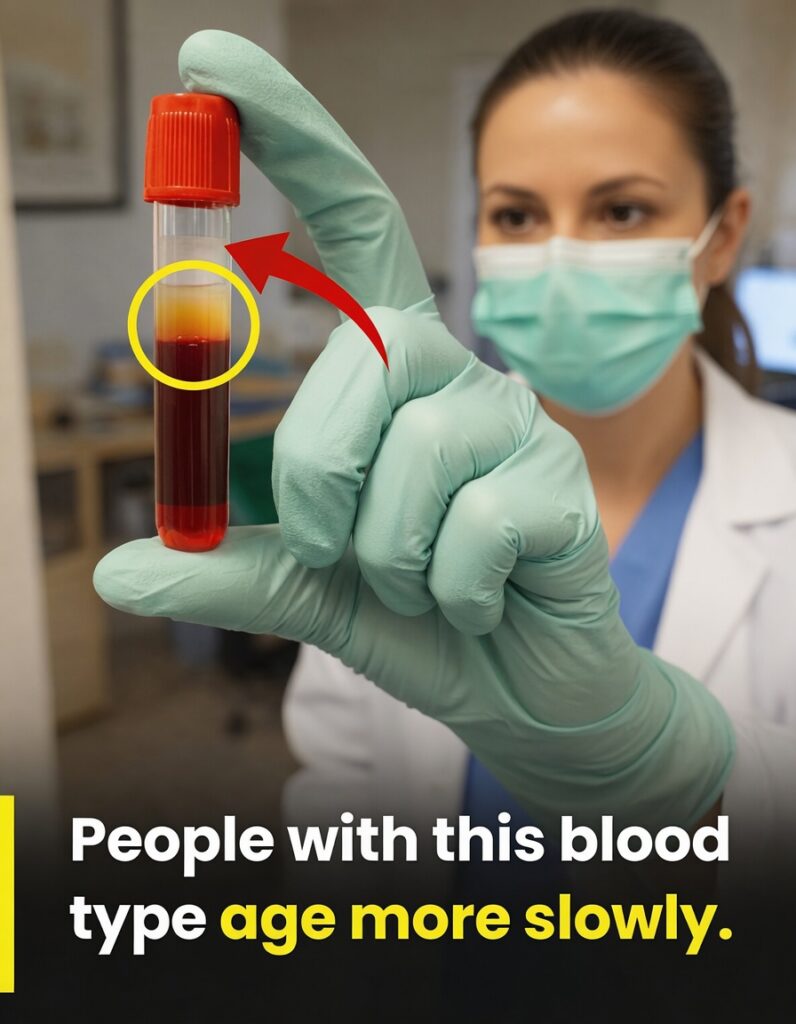
Blood Type and Aging: What Research Suggests About Circulation, Inflammation, and Longevity
Aging affects everyone—stiffer joints, longer recovery times, and growing concerns about heart health and mental sharpness. While nutrition, exercise, genetics, and environment remain the biggest drivers of how we age, newer research proposes an interesting possibility: blood type may slightly influence certain aging-related processes, including circulation and inflammation.
This doesn’t mean your blood type “controls” your future. But understanding the possible blood type–aging connection can add a useful layer of insight when you’re building a more personalized wellness plan.
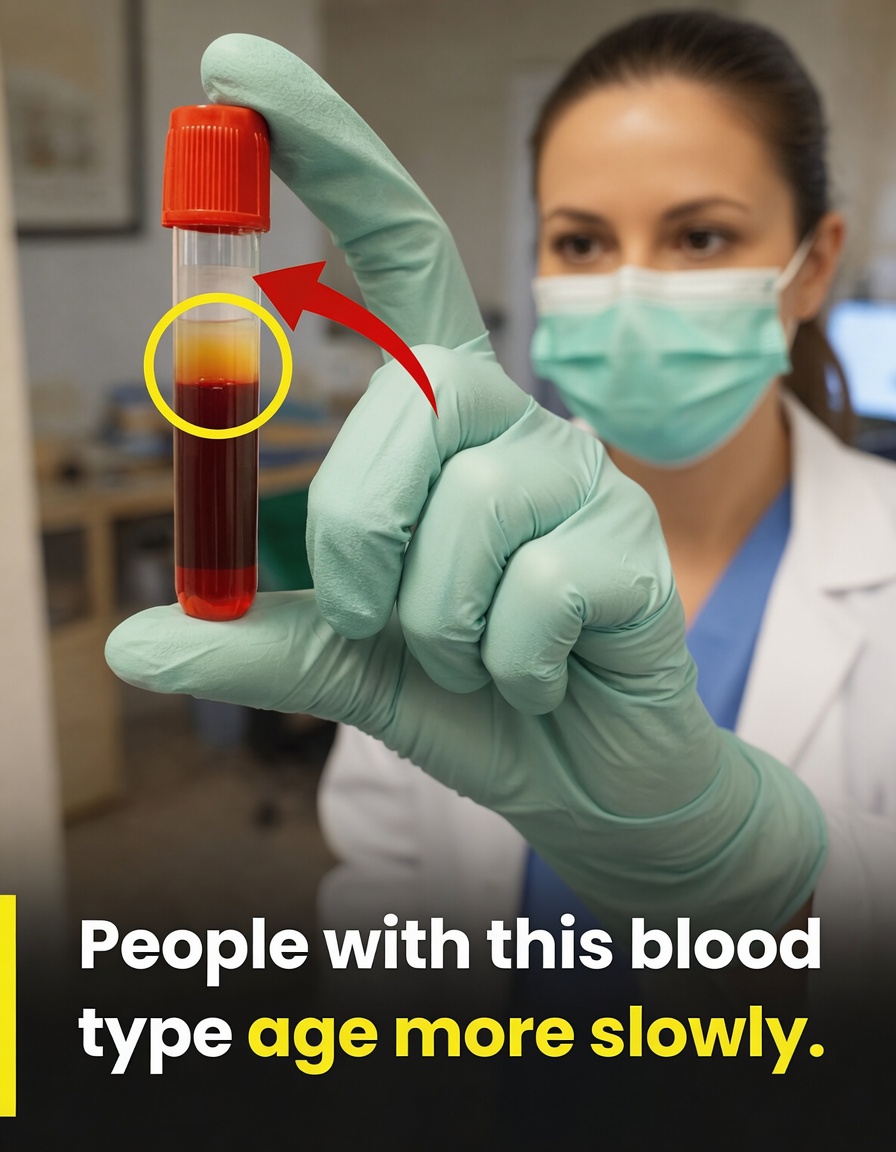
Blood Type O: Does It Offer a Small Advantage for Healthy Aging?
Many studies have observed that blood type O is associated with a modestly lower risk of cardiovascular events—including heart attack and stroke—when compared with non-O blood types. Large-scale analyses and reviews (including publications connected to organizations such as the American Heart Association) frequently report this pattern.
One potential explanation involves clotting-related proteins. People with type O often show lower levels of von Willebrand factor, a protein involved in blood clotting. Lower levels may support:
- Smoother circulation
- A more balanced clotting tendency
- More efficient oxygen delivery to tissues, which may help preserve energy and physical function over time
These findings are associations from observational data, not promises. Still, if you’re type O, you may have a small biological “buffer” against certain age-related cardiovascular stresses—though lifestyle remains far more important.
Blood Types A, B, and AB: Possible Links to Inflammation and Clotting With Age
For blood types A, B, and AB, research increasingly points to a different trend: some studies report slightly higher levels of markers connected to chronic inflammation, a process strongly tied to aging and many long-term conditions.
In addition, certain analyses suggest non-O blood types may show:
- Higher likelihood of elevated blood pressure later in life
- Greater tendency toward clotting-related factors as people age
For example, research published in journals such as Arteriosclerosis, Thrombosis, and Vascular Biology has noted that von Willebrand factor may be higher in non-O groups, potentially influencing blood vessel health over time.
The key takeaway is reassuring: these are tendencies, not destiny. Inflammation is highly responsive to daily habits, and proactive lifestyle choices can meaningfully reduce risk—especially for those who may be more vulnerable.

Quick Blood Type Comparison (General Research Trends)
Keep in mind: these are broad patterns from population studies, not individual predictions.
- Blood Type O: Often associated with lower cardiovascular risk and potentially more favorable clotting balance
- Blood Types A, B, AB: In some studies, linked to higher inflammation markers and/or clotting factors, with differences sometimes becoming more noticeable with age
Blood type may interact with aging-related pathways—but it is only one piece of a much bigger health picture.
Blood Type, Oxidative Stress, and Immune Resilience: What We Know So Far
Oxidative stress occurs when unstable molecules (often called free radicals) damage cells and tissues, accelerating many features of aging. Some scientists are exploring whether blood type is related to how the body handles oxidative stress—possibly through differences in immune behavior or antioxidant processes.
Blood type can influence immune function in subtle ways, including how the body responds to infection and how efficiently tissues recover. Over decades, these small differences could contribute to long-term resilience.
Still, this area remains under active investigation. No blood type cancels out the benefits of consistent, healthy habits.
Lifestyle Is the Biggest Predictor of How Well You Age
Regardless of your blood type, daily behavior is the strongest driver of healthy aging. Research consistently shows that good habits can reduce inflammation, support cardiovascular health, and protect long-term brain function.
Here are practical, evidence-aligned steps you can start now:
-
Eat an anti-inflammatory, nutrient-dense diet
Focus on colorful fruits and vegetables (berries, spinach, broccoli), whole grains, nuts, and healthy fats such as olive oil and avocado. Consider antioxidant-rich options like green tea and spices such as turmeric. -
Move every day
Aim for about 150 minutes of moderate activity per week, combining:- Cardio (brisk walking, swimming)
- Strength training (weights or bodyweight work)
- Flexibility/mobility (yoga or stretching)
-
Protect your sleep
Target 7–9 hours nightly. Reduce screen time before bed and keep your evening routine calm to support recovery and repair. -
Manage stress deliberately
Chronic stress increases inflammation. Use methods you can stick with—mindfulness, breathing exercises, hobbies, or time outdoors. -
Avoid high-risk habits
Don’t smoke, and keep alcohol moderate (or avoid it) to support circulation and cellular health. -
Get routine health check-ups
Track blood pressure, cholesterol, blood sugar, and other key markers. Early awareness makes prevention easier.
Small changes compound. Even one or two consistent upgrades can improve long-term outcomes.
Conclusion: Blood Type May Matter a Little—Your Habits Matter a Lot
Ongoing research suggests blood type may subtly influence aging, especially through circulation, clotting balance, inflammation, and possibly immune resilience. Type O is often associated with modest protective cardiovascular patterns, while A, B, and AB may show higher inflammation- or clotting-related markers in some studies.
But these influences are minor compared with lifestyle. The most powerful strategy for graceful aging remains consistent, mindful living—nutritious food, regular movement, quality sleep, and stress reduction. Knowing your blood type can add context, but your daily choices shape the outcome.
Frequently Asked Questions
Does blood type determine how long I will live?
No. While some studies show associations (for example, type O and slightly lower cardiovascular risk), longevity is far more influenced by lifestyle, genetics, healthcare access, and environment than by blood type alone.
Should I change my diet based on my blood type?
Evidence strongly supports balanced, anti-inflammatory eating for all blood types. Popular “blood type diets” are not backed by strong scientific consensus compared to general healthy dietary patterns.
Can knowing my blood type help prevent age-related conditions?
It can provide helpful context—such as being more attentive to cardiovascular markers if you are non-O—but preventive habits (diet, exercise, sleep, stress management) benefit everyone.
Disclaimer
This article is for informational purposes only and does not provide medical advice. Consult a qualified healthcare professional for personalized guidance on health concerns, testing, or lifestyle changes. Research in this area is ongoing, and individual results may vary.