Do you regularly finish the day with legs that feel heavy, ankles that look puffy, or skin indented by tight socks and shoes? That ongoing pressure, occasional nighttime cramps, or veins that seem more noticeable can make walking, standing, or wearing your favorite clothes feel less comfortable. It’s easy to blame age, long hours on your feet, or hot weather—but these signs may also suggest that blood isn’t returning upward through the veins as efficiently as it should.
The encouraging part is that small lifestyle adjustments—paired with a few plant-based ingredients commonly found in home kitchens—may support a lighter, more comfortable feeling in the legs when used responsibly. This guide covers five widely discussed herbs, supported by traditional use and early research, along with practical ways to add them safely—without exaggerated claims.

Why Healthy Leg Circulation Deserves Attention
Your legs depend on veins, one-way valves, and the “calf muscle pump” to push blood back to the heart against gravity. When you sit for long periods, stand all day, or move very little, this system can slow down. The result may be blood pooling in the lower legs, leading to heaviness, mild swelling, or a restless sensation.
If these issues become frequent, they can affect everyday comfort and mobility. Even more important: sudden or unusual symptoms—such as swelling in only one leg, sharp pain, warmth, redness, or shortness of breath—can indicate a potentially serious problem that needs urgent medical care. Herbs are not a treatment for emergencies or suspected clots, but they may play a supportive role alongside hydration, movement, and other healthy habits.
What to Expect Realistically (And What Not to Expect)
Many people look for a single “powerful cure,” but circulation support usually comes from steady routines built over time. When paired with daily movement and leg elevation, herbs may help you feel less weighed down by evening and improve day-to-day comfort.
What is not realistic—and may be dangerous—is using herbs to treat blood clots, replace prescribed medication, or ignore worsening symptoms. Some herbs can mildly affect platelet activity or inflammation, which is exactly why extra caution is needed if you take anticoagulants or antiplatelet medications.
A safer mindset: choose gentle, food-based options, go slowly, and build habits you can maintain.
9 Commonly Reported Benefits With Consistent Use
These effects are not guaranteed, and they tend to be subtle—often noticed over weeks rather than days. Still, many people describe improvements like:
- A lighter, less “heavy” feeling in the legs toward the end of the day
- Better peripheral comfort, including fewer cold-feeling hands or feet
- Less inflammation-related tightness that can add to heaviness
- Possible mild influence on platelet activity (this is a caution point, not a goal)
- A calming daily ritual that encourages short walks or leg elevation
- Reduced ankle puffiness when combined with lower salt and better hydration
- More motivation to stay active because discomfort improves
- Easy addition to meals, making consistency more realistic
- Long-term routine support for overall vascular wellness
The 5 Most Talked-About Herbs for Circulation Support
These herbs are frequently mentioned in wellness discussions and have some research interest for circulation-related comfort. For most people, culinary use is the gentlest place to start, rather than high-dose supplements.
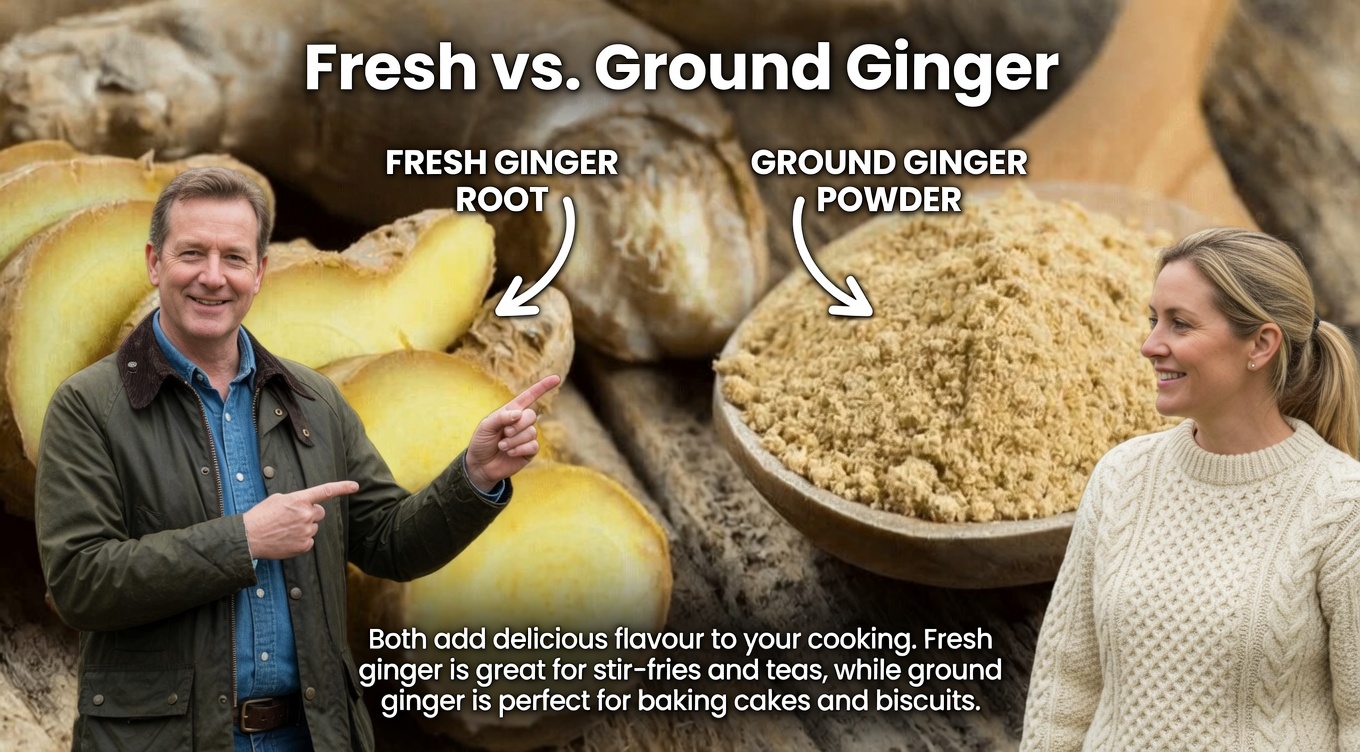
1. Ginger — A Warming Classic
Ginger contains compounds such as gingerols, which are associated with anti-inflammatory activity and may support blood vessel relaxation in early research.
How to use it
- Slice fresh ginger (about 1–2 inches) into hot water
- Steep for 8–10 minutes
- Add lemon or a small amount of honey if desired
Important caution
- Ginger may have mild blood-thinning effects. Speak with a clinician if you use anticoagulants/antiplatelets or have digestive sensitivity.
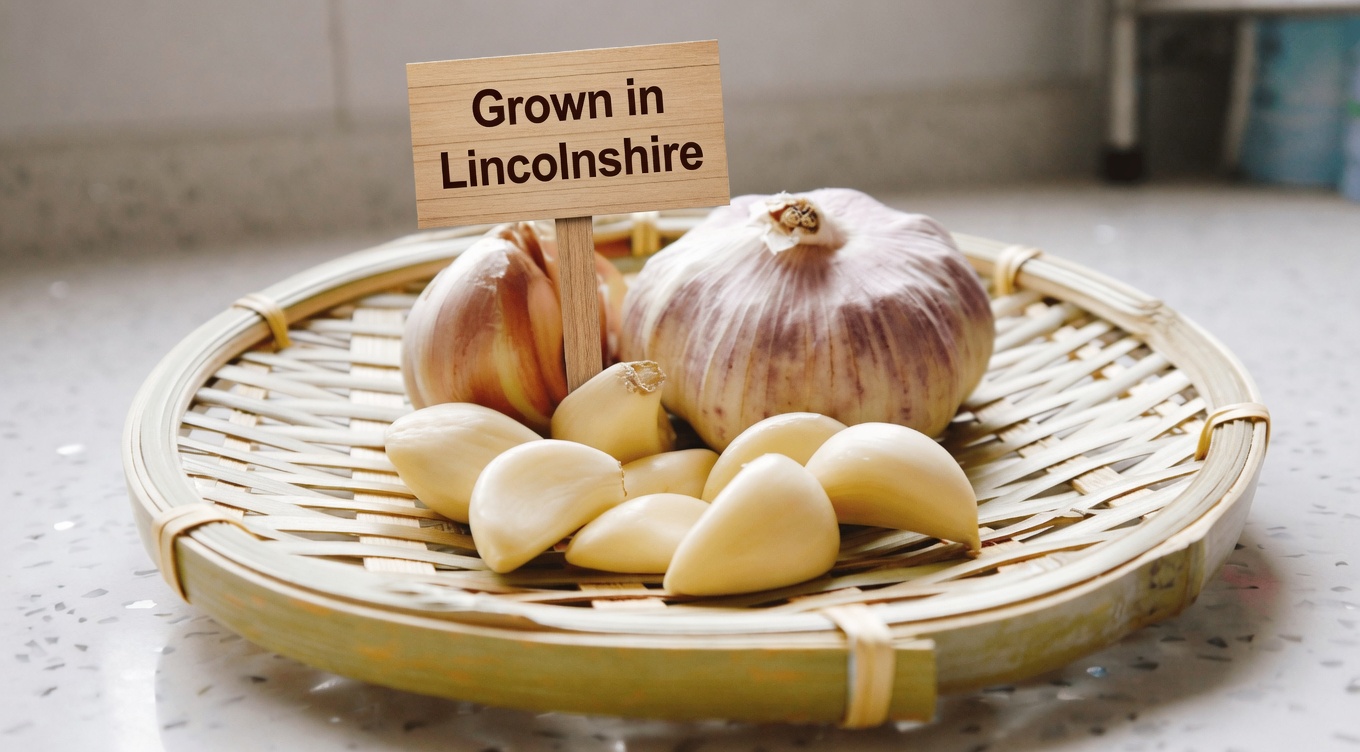
2. Garlic — Everyday Support for Vascular Wellness
Garlic is rich in sulfur compounds (including allicin), widely studied for cardiovascular support. Regular culinary intake may gently support circulation and platelet function.
How to use it
- Crush or chop fresh garlic and add to meals
- Use in salads, sauces, soups, or lightly sautéed dishes
- Start small if you’re not used to it
Important caution
- Garlic can interact with blood thinners and may irritate the stomach in some people.
3. Cayenne Pepper (Chili) — A Gentle Heat Boost
Cayenne provides capsaicin, which can create a warming sensation and may support vessel dilation—helpful for some people who feel “poor flow” in hands and feet.
How to use it
- Add a very small pinch to soups, eggs, broths, or roasted vegetables
- Increase only if your digestion tolerates it well
Important caution
- Avoid if you have reflux, ulcers, or sensitive digestion, as spicy ingredients can aggravate symptoms.
4. Turmeric — The Golden Anti-Inflammatory Ally
Turmeric contains curcumin, studied for inflammation-modulating properties. Since inflammation can contribute to vascular discomfort, managing it may indirectly support better leg comfort.
How to use it
- Stir ½ teaspoon turmeric into warm milk (dairy or plant-based)
- Add a pinch of black pepper to improve absorption
- Or use it regularly in curries, rice dishes, and roasted vegetables
Important caution
- Higher amounts may interact with some medications, including blood thinners. Moderate culinary use is typically the safest approach.
5. Ginkgo Biloba — Traditional Support for Microcirculation
Ginkgo leaf has a long history of use for peripheral circulation. Some studies suggest benefits for small-vessel blood flow and mild effects related to platelets.
How to use it
- Consider ginkgo tea or standardized extracts
- Follow label directions carefully, or consult a professional for guidance
Important caution
- Use strong caution with anticoagulants/antiplatelets and before surgery. Professional advice is essential.
Quick Comparison Table (At a Glance)
-
Ginger
- Potential support: Warming, inflammation comfort
- Key compounds: Gingerols
- Easy use: Fresh ginger tea
- Main caution: Possible mild blood-thinning; digestive sensitivity
-
Garlic
- Potential support: Cardiovascular and circulation support
- Key compounds: Allicin
- Easy use: Added to meals (raw or cooked)
- Main caution: Interaction with blood thinners; stomach irritation
-
Cayenne
- Potential support: Warming sensation, flow support
- Key compounds: Capsaicin
- Easy use: Tiny pinch in food
- Main caution: Avoid with reflux/ulcers
-
Turmeric
- Potential support: Inflammation management for vascular comfort
- Key compounds: Curcumin
- Easy use: Golden milk or cooking
- Main caution: Possible medication interactions at higher intakes
-
Ginkgo biloba
- Potential support: Microcirculation support
- Key compounds: Flavonoids and terpene lactones
- Easy use: Tea or standardized extract
- Main caution: High caution with blood thinners and before surgery
A Safe, Simple Way to Start (Step-by-Step)
- Choose one herb only to begin (ginger or turmeric are often the easiest).
- Use it consistently for 7–10 days and note how your legs feel—avoid combining multiple herbs at first.
- Pair it with proven circulation-friendly basics:
- 10–20 minutes of walking daily
- Leg elevation for 10 minutes in the evening
- Ankle circles 2–3 times per day
- Drink adequate water
- Reduce excess salt
- Stand up and move at least once per hour if you sit at a desk
- Watch for side effects (digestive upset, bruising, unusual bleeding, headaches, etc.). Stop and seek advice if they occur.
- Check with a healthcare professional if you take blood thinners, have chronic conditions, or are preparing for surgery.
Realistic Examples: Small Habits That Add Up
Maria, 62, often felt heavy legs by evening after long days. She started drinking ginger tea in the afternoon and took short walks after dinner. After about a month of consistency, she noticed better evening comfort and more motivation to stay active.
Juan, 58, stands at work most of the day. He began adding garlic and turmeric to meals and made leg elevation part of his nightly routine. Over several weeks, his nighttime discomfort eased—showing how repetition tends to matter more than quick fixes.
Final Thoughts: Build a Routine for Long-Term Leg Comfort
Heavy, tired legs are not something you have to automatically accept as “normal.” Start with one gentle, food-based herb, combine it with daily movement and hydration, and pay attention to how your body responds. These herbs can be supportive allies for circulation comfort—but they work best as part of a broader lifestyle approach, not as stand-alone solutions.
If symptoms persist, worsen, or include red-flag signs (one-sided swelling, sudden pain, warmth/redness, or breathing problems), seek medical care promptly.
Frequently Asked Questions
Can these herbs replace medical treatment for vein or circulation problems?
No. They may support comfort in mild situations, but they do not replace professional evaluation or prescribed treatment—especially for suspected clots or advanced vein disease.
How long does it usually take to notice a change?
Many people report subtle shifts in 2–4 weeks when herbs are used daily alongside movement and hydration. Results vary, and consistency is more important than speed.
Is it risky to combine multiple herbs?
It can be—especially if several herbs with potential blood-thinning effects are stacked together. Start with one, avoid combining without guidance, and check medication interactions with a qualified professional.