As the years add up, it can take more effort to maintain steady energy, support cardiovascular function, keep digestion comfortable, and feel consistently well. Many adults begin to notice small but meaningful changes—like post-meal sluggishness, less predictable bathroom habits, or worries about missing key nutrients that influence everyday vitality.
The encouraging news: simple, repeatable upgrades to your routine can have a real impact. One of the easiest options is adding nutrient-dense foods that deliver a lot of value in small servings—starting with what you do in the morning.
A Simple Morning Habit: Add the Right Seeds
A surprisingly effective wellness habit is incorporating specific seeds into breakfast. Although tiny, certain seeds provide a powerful mix of healthy fats, fiber, antioxidants, and essential minerals. When used as part of a balanced diet, these nutrients are associated with:
- Heart and circulatory support
- Smoother digestion and regularity
- More stable blood sugar and energy patterns
- Broad antioxidant protection that supports healthy aging
Below are three of the best options to consider—along with practical ways to make them part of your mornings.
1) Chia Seeds: Omega-3s and Fiber for a Strong Start
Chia seeds may be small, but they’re densely packed with nutrition. A typical serving delivers plant-based omega-3 fatty acids (ALA), soluble fiber, protein, calcium, and a range of antioxidants.
This combination matters. Omega-3s are linked with inflammation support, while soluble fiber helps promote regularity and slows how quickly sugars are absorbed—often translating to steadier energy after meals. Chia also contains antioxidant compounds that help combat oxidative stress, a factor associated with everyday aging processes.
Key Benefits at a Glance
- Supports heart health with omega-3s and fiber that may help maintain healthy cholesterol levels
- Promotes digestive comfort by adding bulk and supporting regularity
- Helps balance blood sugar by slowing glucose uptake via soluble fiber
- Provides antioxidant support to protect cells from daily wear and tear
Easy Ways to Eat Chia Seeds in the Morning
For the best texture and comfort, soak 1–2 tablespoons in water, almond milk, or yogurt overnight. By morning, chia forms a gentle gel that works well for:
- Mixing into oatmeal or overnight oats
- Blending into smoothies to add thickness
- Topping yogurt or cottage cheese for a nutrient boost
Tip: Always combine chia with enough liquid so the fiber can do its job without causing discomfort.
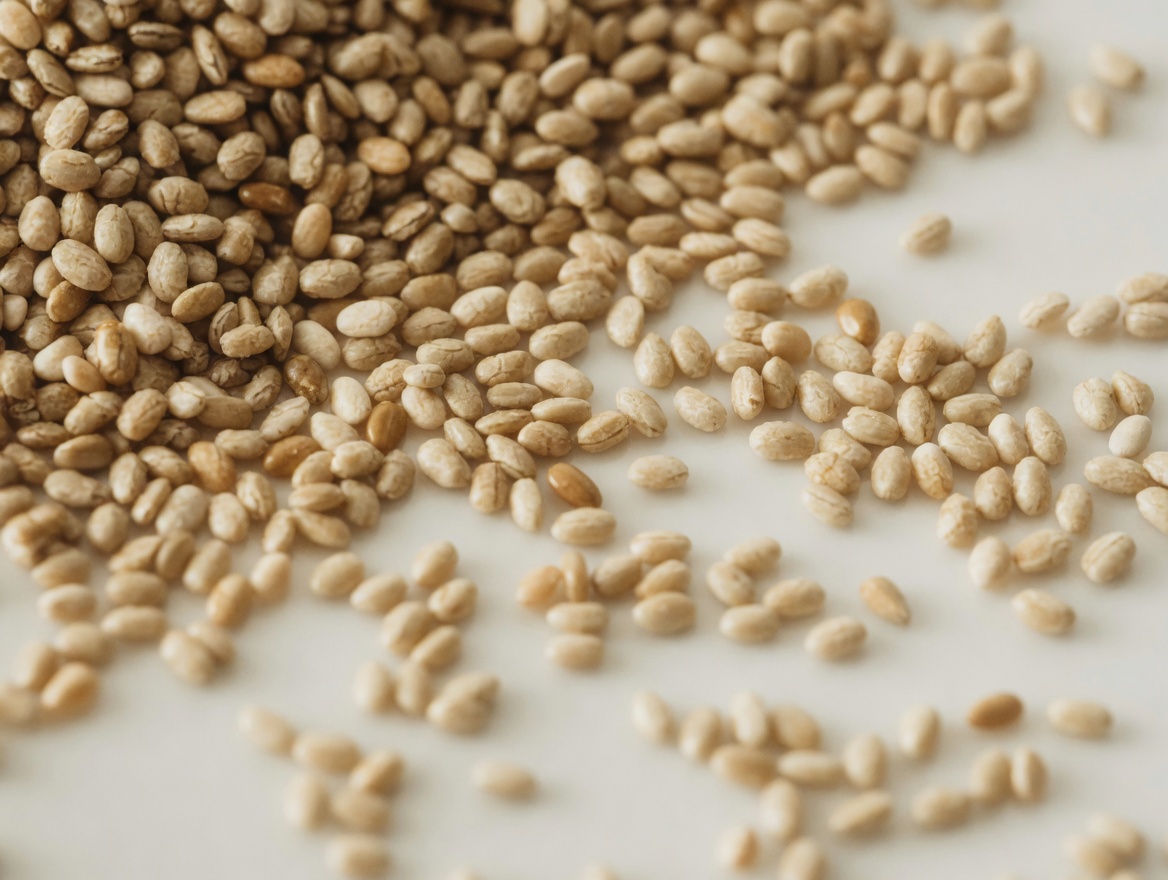
2) Flaxseeds: Lignan-Rich Support for Heart and Overall Balance
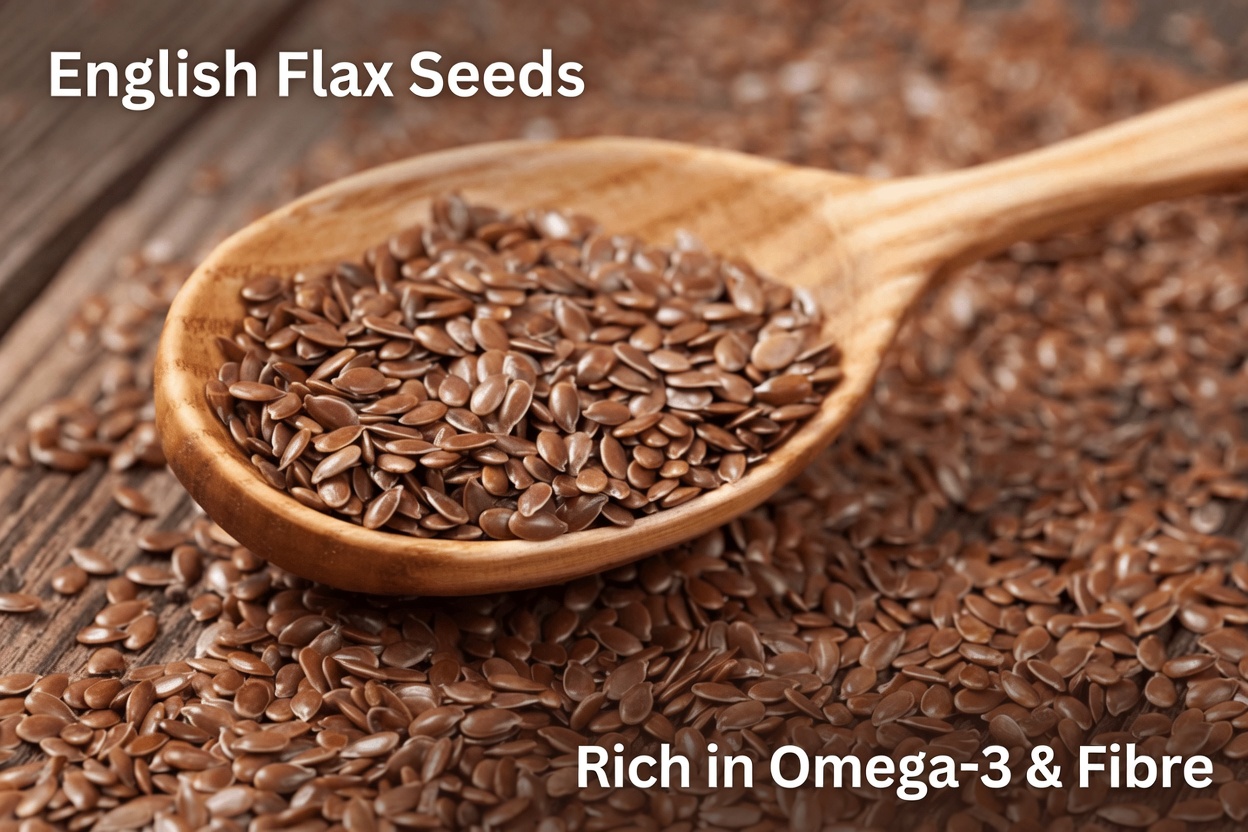
Flaxseeds (often called linseeds) share some similarities with chia—especially their ALA omega-3s and soluble fiber. What makes flax stand out is its high content of lignans, unique plant compounds with antioxidant properties.
Research connects flax’s fiber and omega-3 content with cardiovascular wellness, including potential support for healthy cholesterol and blood pressure when flax is included in a varied eating pattern. Lignans may provide additional long-term protective benefits and are sometimes discussed in relation to hormone-related balance in specific contexts.
One important detail: ground flaxseed is more bioavailable than whole flaxseed, meaning your body can access more of its nutrients.
Key Benefits at a Glance
- Supports cardiovascular wellness with omega-3s and fiber that may help manage cholesterol
- Encourages regularity thanks to soluble fiber
- Delivers lignans that offer antioxidant support and may contribute to long-term health
Practical Morning Ideas for Flaxseeds
Use freshly ground flax (or buy pre-ground) and add about 1 tablespoon to:
- Hot cereal, porridge, or cold breakfast cereal
- Smoothies for a mild, nutty flavor
- Yogurt, baked recipes, or homemade energy bites
If you’re new to flax, start with a smaller amount and increase gradually to reduce the chance of temporary bloating as your fiber intake rises.
3) Pumpkin Seeds: Mineral-Dense Fuel for Immunity and Strength
Pumpkin seeds (pepitas) are especially valued for their magnesium and zinc, along with healthy fats, fiber, and antioxidants. These nutrients support multiple systems:
- Magnesium is linked to muscle relaxation and bone strength
- Zinc plays a key role in immune function and recovery
- Healthy fats contribute to overall heart support
A small handful offers an impressive mineral payoff, making pumpkin seeds a practical choice for people aiming to address common nutrient gaps that can become more relevant with age.
Key Benefits at a Glance
- Supports immune resilience with zinc for everyday defense and recovery
- Promotes heart health with magnesium and unsaturated fats that support healthy blood pressure and cholesterol balance
- Supports bones and muscles thanks to magnesium’s role in relaxation and strength
Simple Ways to Add Pumpkin Seeds
Sprinkle 1–2 tablespoons of raw or lightly roasted pumpkin seeds:
- Over salads or grain bowls
- Into yogurt, oatmeal, or cereal
- As a crunchy mid-morning snack
Roasting at home with herbs or spices can boost flavor without relying on extra sodium.
Why These Three Seeds Support Healthy Aging
Chia, flax, and pumpkin seeds share one major advantage: high nutrient density in small portions. Their core nutrients—omega-3 fats, fiber, antioxidants, magnesium, and zinc—are frequently associated with foundational aspects of wellness, including heart function, stable energy, digestive health, and immune support.
When used consistently (and sensibly) within a balanced diet, these seeds offer a simple, low-effort way to support vitality over time—without major lifestyle disruption.
Quick Tips to Start Today
- Choose one seed to begin: Chia is often the easiest entry point
- Keep the portion reasonable: Start with 1–2 tablespoons per day total
- Pair fiber with fluid: High-fiber seeds work best with adequate water
- Rotate for variety: Alternate chia, flax, and pumpkin seeds throughout the week
- Store correctly: Use an airtight container in a cool place to maintain freshness
Small habits compound quickly, especially when they’re easy to repeat.
FAQ
How much of these seeds should I eat daily?
A practical starting range is 1–2 tablespoons total per day, whether you use one type or combine them. Adjust gradually based on comfort and how you feel.
Do I need to soak or grind them?
- Chia: Soaking improves texture and may aid digestion
- Flax: Grinding is recommended for better nutrient absorption
- Pumpkin seeds: Can be eaten whole, raw, or roasted
Can these seeds replace other healthy foods?
No. They’re best viewed as a nutrient booster, not a substitute. Aim for an overall eating pattern that includes fruits, vegetables, whole grains, and quality protein sources.
Any precautions to consider?
If you have digestive sensitivity, introduce seeds slowly and increase water intake. If you have medical conditions or take medications, speak with a healthcare professional before making significant dietary changes.
Disclaimer
This article is for informational purposes only and is not medical advice. Seeds can support overall wellness as part of a balanced lifestyle, but results vary by individual. Consult a qualified healthcare professional before making major changes to your diet, particularly if you have health concerns or existing conditions.