
Supporting kidney health plays a major role in how energized and well you feel day to day. Your kidneys continuously filter waste from the blood, regulate fluid levels, and help keep key clinical markers—creatinine and glomerular filtration rate (GFR)—within healthy ranges. When creatinine rises or GFR drops, it may indicate your kidneys are under extra strain, often influenced by hydration status, sodium intake, inflammation, and certain underlying health conditions.
The encouraging part is that everyday nutrition choices can help lighten that load. No single “miracle food” can replace medical care or transform lab values overnight, but a steady pattern of kidney-supportive foods may promote better overall kidney function over time. Below are two accessible, widely available options with kidney-friendly profiles: cranberries and cauliflower. In appropriate portions, they’re generally low in minerals that may need monitoring (especially potassium and phosphorus) and provide beneficial plant compounds linked to antioxidant support and gentle detox pathways.

Why Kidney Health Matters (More Than Most People Realize)
Many people only start thinking about kidney function after routine labs show changes. Shifts in creatinine or GFR can be connected to dehydration, high sodium diets, ongoing oxidative stress, chronic inflammation, and metabolic factors.
Research and clinical guidance from kidney health organizations consistently emphasize one helpful strategy: choosing more anti-inflammatory, antioxidant-rich foods while reducing highly processed, high-sodium options. Smart swaps can make meals easier on the kidneys—especially when you prioritize foods that naturally provide:
- Lower potassium and phosphorus (when required by your care plan)
- Fiber for digestive support
- Protective phytonutrients that help combat oxidative stress
1) Cranberries: An Antioxidant Berry That Supports Urinary and Kidney Wellness
Cranberries are best known for urinary tract support, largely due to compounds called proanthocyanidins (PACs). These plant nutrients can help reduce the ability of certain bacteria to adhere to the urinary tract lining. While this doesn’t “treat” infections on its own, supporting urinary tract health may indirectly benefit the kidneys—because avoiding recurrent infections can reduce complications that could impact filtration.
Scientific reviews and studies also link cranberries to antioxidant and anti-inflammatory effects. These properties matter because oxidative stress is often discussed as one factor associated with kidney strain. Another advantage: cranberries are typically low in potassium, which may make them easier to fit into many kidney-conscious eating patterns (portion and product type matter).
Why cranberries stand out for kidney-friendly eating
- Antioxidant support: PACs and other polyphenols help neutralize free radicals.
- Low-potassium choice (in typical servings): Helpful for people tracking mineral intake.
- Anti-inflammatory potential: May support healthier inflammatory balance over time.

Easy ways to eat cranberries more often
You don’t need complicated recipes—small additions can be enough:
- Drink unsweetened 100% cranberry juice diluted with water for a tart, refreshing option (watch portion size and sugar content on labels).
- Add fresh or frozen cranberries to smoothies with lower-potassium fruits such as apples or mixed berries.
- Top oatmeal or plain yogurt with unsweetened or low-sugar dried cranberries for texture and flavor.
- Sprinkle chopped cranberries into salads or grain bowls for a bright, tangy finish.
Cranberries can also complement savory meals—adding punchy flavor without relying on excess salt.
2) Cauliflower: A Low-Mineral, Versatile Vegetable That Can Reduce Kidney Workload
Cauliflower is a frequent favorite in kidney-focused meal plans because it’s generally lower in potassium and phosphorus than many common vegetables and starches (such as potatoes). In typical portions, it’s often considered a gentler option for people who need to manage mineral intake.
Beyond minerals, cauliflower offers:
- Fiber to support digestion and regularity
- Vitamin C and antioxidant nutrients
- Sulfur-containing compounds (including glucosinolates and indoles) that support normal detox pathways and inflammatory balance
It’s also widely used as a satisfying substitute for higher-starch foods, which can generate more metabolic byproducts for the kidneys to filter.
Key benefits of cauliflower at a glance
- Supports natural detox pathways: Plant compounds help the body’s normal cleansing processes.
- Anti-inflammatory nutrients: Vitamin C and antioxidants support overall cellular health.
- Supports steadier blood sugar: Fiber can help reduce spikes, indirectly benefiting kidney and vascular health.
- Lower “waste” burden than some starches: Helpful for people aiming to reduce filtration demand through food choices.
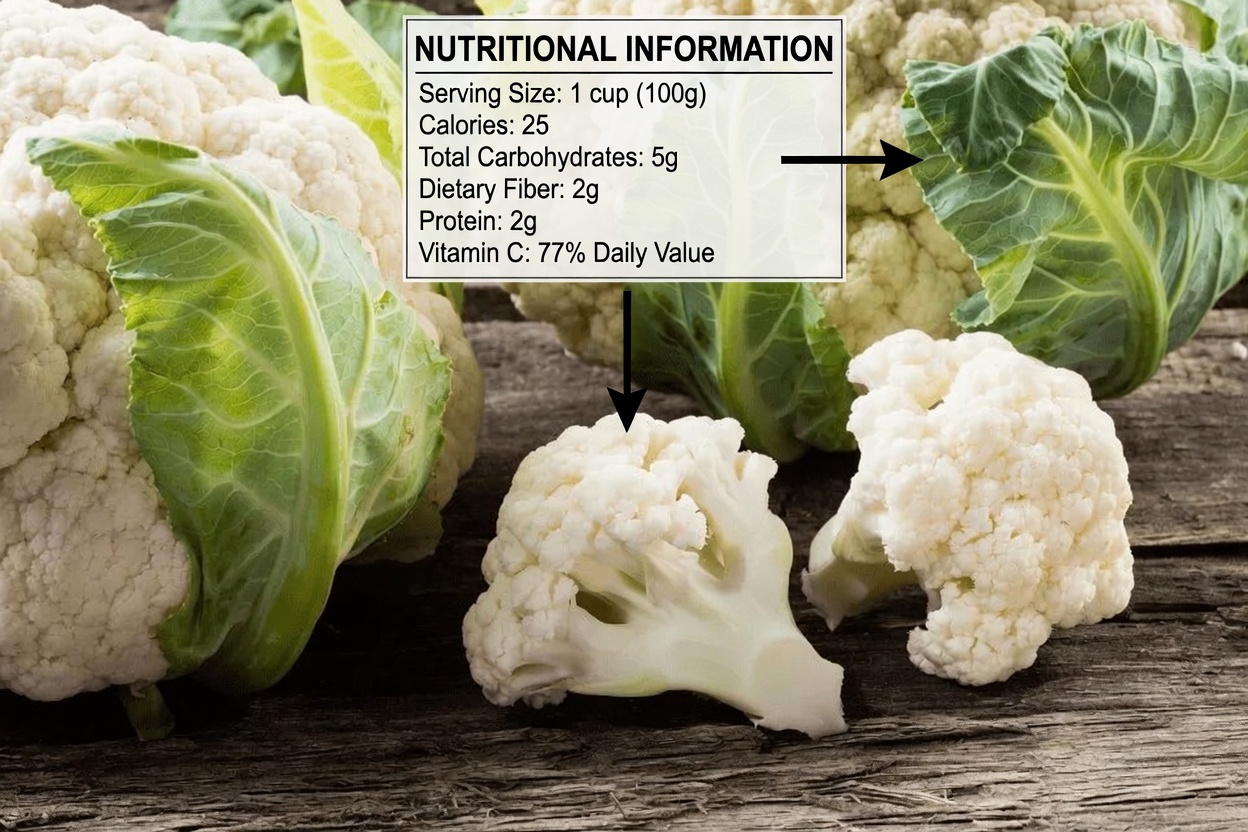
Simple, flavorful ways to use cauliflower
Because cauliflower is mild, it works in many cuisines:
- Steam florets and mash with herbs as a comforting alternative to mashed potatoes.
- Roast with olive oil, garlic, and spices at 400°F (about 200°C) for 20–25 minutes until golden.
- Blend into “cauliflower rice” using a food processor—great for bowls, stir-fries, and curries.
- Add florets to soups and stews for volume and texture without heavy carbs.
These approaches keep meals satisfying without making your plate feel restrictive.
Quick Comparison: Why Cranberries and Cauliflower Work Well Together
- Both are kidney-friendly in typical portions (often lower in potassium and phosphorus than many alternatives).
- They deliver different protective compounds:
- Cranberries: PACs and polyphenols for antioxidant and urinary support
- Cauliflower: fiber, vitamin C, and cruciferous plant compounds for detox and inflammation support
- They’re easy to use across meals—from smoothies to savory side dishes.
Practical Tips to Start Today
- Choose wisely: Buy cranberries and cauliflower in fresh or frozen forms; avoid added salt and excessive added sugar.
- Begin with consistency: Try one serving of each 3–4 times per week, then adjust based on your nutrition plan.
- Flavor without strain: Use herbs, lemon, garlic, pepper, and salt-free seasoning blends instead of relying on sodium.
Small, repeatable changes usually matter more than “perfect” eating.
Final Thoughts: Building a Sustainable Kidney-Supportive Routine
Cranberries and cauliflower are flavorful, nutrient-dense foods that can fit smoothly into a kidney-supportive diet. Combined with good hydration, lower sodium intake, appropriate portions, and fewer ultra-processed foods, they may support long-term stability in markers like creatinine and GFR.
Diet is only one part of kidney care. If you have chronic kidney disease, take medications that affect electrolytes, or follow strict mineral limits, consult your doctor or a registered dietitian before making significant changes.
FAQ
-
Can cranberries or cauliflower replace kidney medication?
No. These foods can support overall nutrition, but they do not replace medical treatment or prescribed medications. -
How much is too much?
Portion size matters. A common starting point is about 1/2 cup per serving, but the right amount depends on your lab results and care plan. -
Are there risks with cranberries?
Choose unsweetened options when possible to limit added sugar. Cranberry supplements (especially concentrated forms) may not be appropriate for everyone—particularly those with a history of certain kidney stones—so discuss supplements with your clinician.