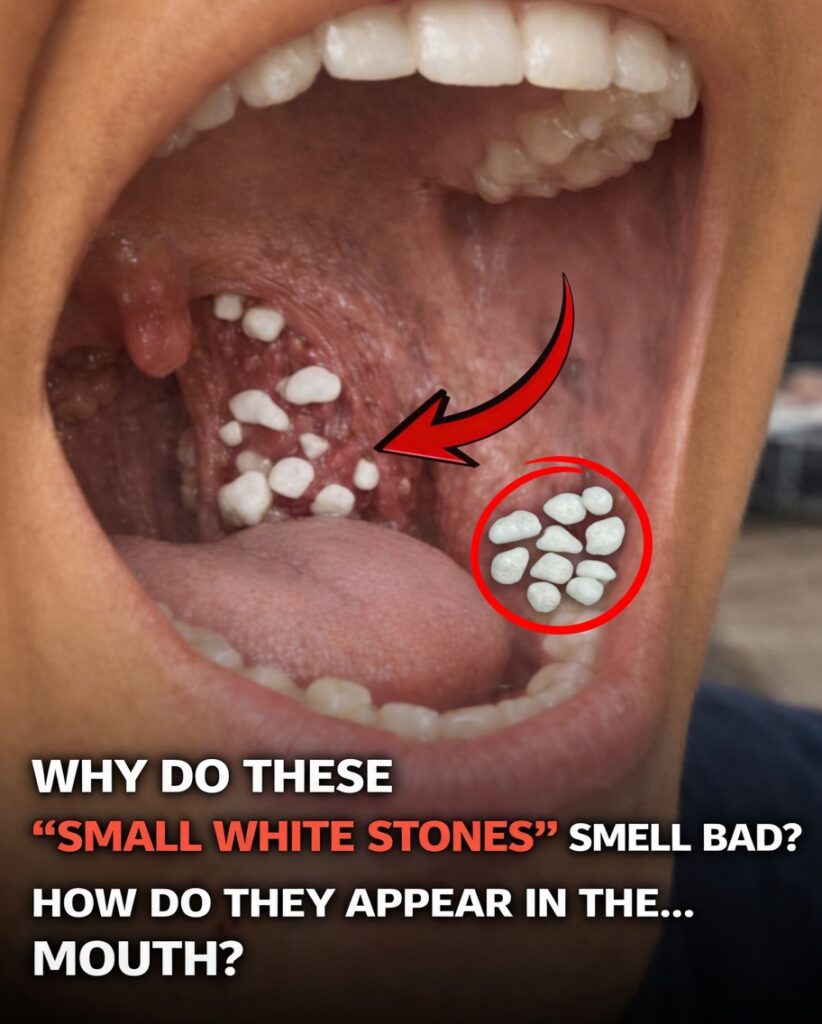
Persistent bad breath can feel discouraging—especially when you brush thoroughly, floss every day, and still hesitate during close conversations. Sometimes, after coughing or clearing your throat, a small white or yellowish lump appears, and the odor can be surprisingly intense. It’s easy to start doubting your hygiene, your diet, or even your overall health.
The good news: in many situations, the root cause is common, identifiable, and manageable—often originating deeper in the throat rather than on your teeth. By the end of this guide, you’ll know what’s happening and which daily routines can make a real difference for chronic bad breath.
What Tonsil Stones (Tonsilloliths) Really Are
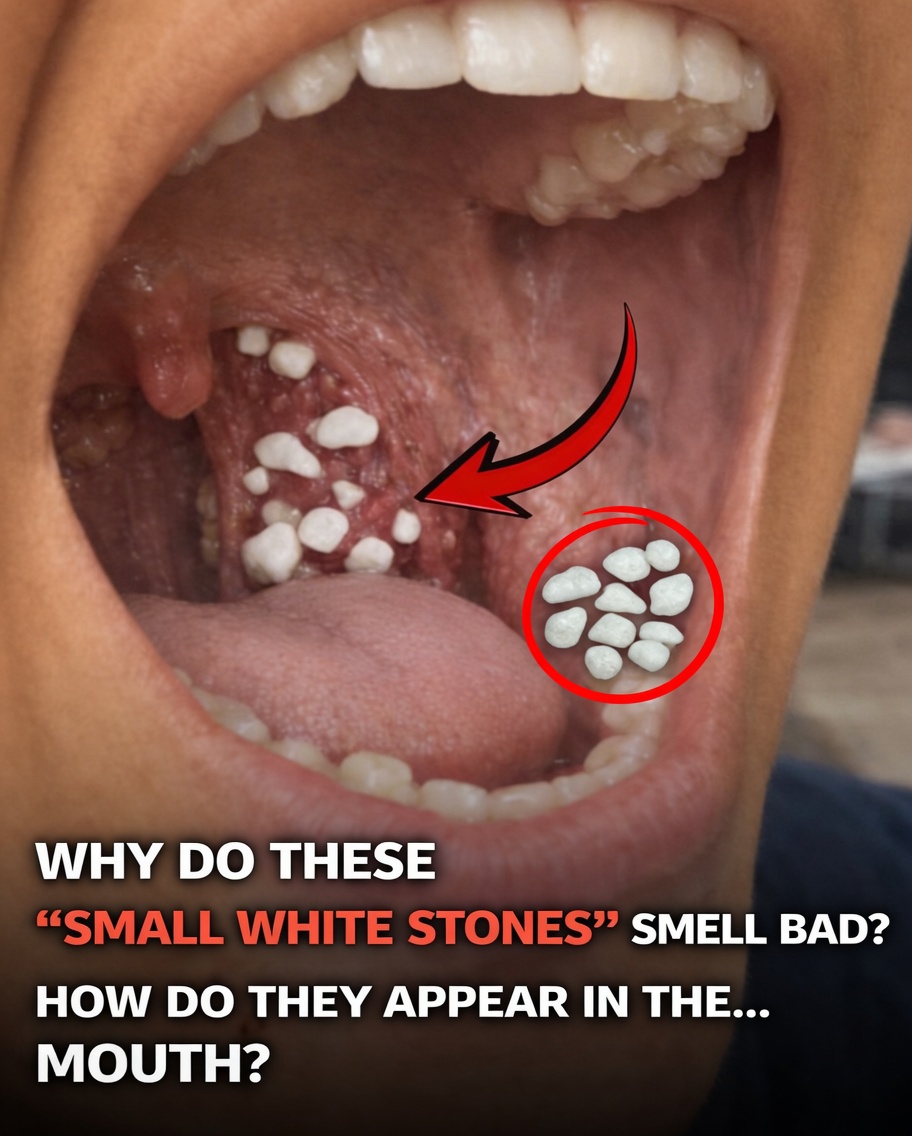
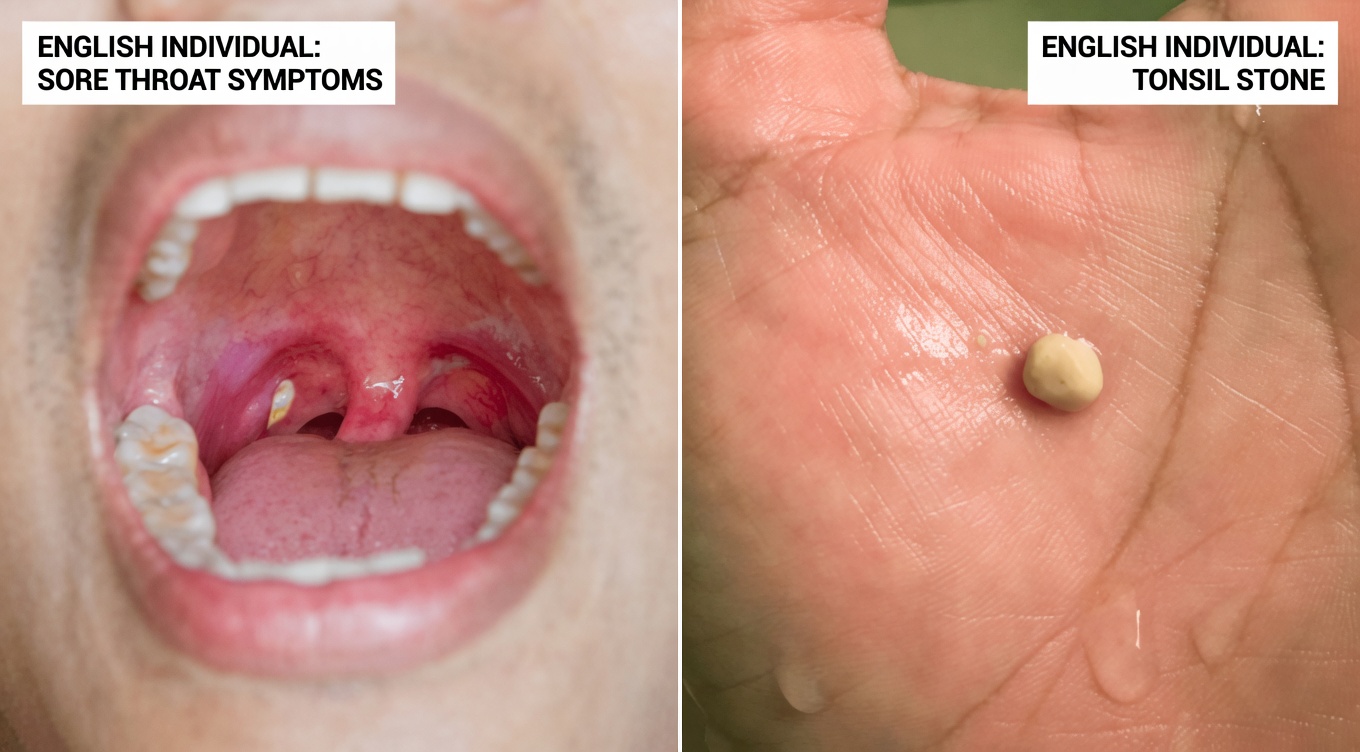
Those tiny, strong-smelling lumps are typically tonsil stones, also known as tonsilloliths. They develop inside small pockets within the tonsils called crypts.
Tonsils aren’t flat, smooth tissue. They naturally contain folds and crevices. In some people, these crypts are deeper, which makes it easier for material to get trapped.
Over time, the following can build up inside these pockets:
- Food particles
- Dead cells from the mouth lining
- Mucus
- Bacteria
When minerals in saliva—especially calcium—mix with this trapped debris, it can gradually harden into a small, stone-like deposit.
Tonsil stones may be:
- As tiny as a grain of rice
- As large as a pea
Even a very small stone can noticeably impact breath odor.
Why Tonsil Stones Cause Such Strong Bad Breath
The intense smell is not your imagination. Many tonsil stones harbor anaerobic bacteria—microbes that thrive where oxygen is limited. Research in oral health links these bacteria to volatile sulfur compounds (VSCs).
VSCs are responsible for odors commonly described as:
- Rotten egg smell
- Sulfur-like odor
- Persistent halitosis (chronic bad breath)
This also explains why mouthwash alone often fails: it may freshen the front of the mouth, but it usually can’t reach deep into the tonsil crypts where the odor starts.
The smell can seem even worse after coughing because a stone may shift or partially dislodge, releasing trapped gases more suddenly.
8 Common Signs You May Have Tonsil Stones
Tonsil stones aren’t always visible. Many people have symptoms for a long time without seeing a clear “stone.”
Common indicators include:
- Ongoing bad breath despite good oral hygiene
- Bad, bitter, or metallic taste near the back of the throat
- A sensation that something is stuck in your throat
- White or yellow spots on the tonsils
- Mild ear discomfort (due to shared nerve pathways)
- Recurrent mild sore throat
- Coughing up small, firm, foul-smelling lumps
- Frequent throat clearing
It’s very common to experience several of these signs without realizing tonsil stones are the cause.
Who Is More Likely to Get Tonsil Stones?
Tonsil stones are not a sign of being “dirty” or careless with hygiene. Anatomy plays a major role.
They’re more frequent in:
- People with large tonsils or deeply cryptic tonsils
- Teenagers and young adults
- Those with post-nasal drip
- People with chronic sinus problems or allergies
- Individuals who had frequent tonsillitis during childhood
ENT research suggests repeated inflammation can contribute to deeper crypts over time, creating more room for debris to collect.
Why Mouthwash Usually Isn’t Enough
Mouthwash can be helpful, but it has limits. It may:
- Freshen the mouth’s surface
- Lower bacteria on the gums and tongue
- Provide temporary odor improvement
However, it typically does not remove hardened material trapped inside the tonsils.
A simple way to think about it: it’s like trying to make a room smell better without taking out the trash. You might mask the odor briefly, but the source remains.
How to Reduce and Manage Tonsil Stones at Home
The most important principle is consistency over force. Aggressive removal can irritate tissue and make things worse.
1) Gentle Removal (Only If the Stone Is Clearly Visible)
If a stone is easy to see and reach:
- Use a clean cotton swab
- Apply light, careful pressure
- Avoid digging or using sharp tools
Afterward, rinse well with warm salt water. If it doesn’t come out easily, don’t force it.
2) Build a Nightly Gargling Routine
Many people see improvement by staying consistent with simple habits:
- Gargle with warm salt water every night
- Consider an alcohol-free mouthwash
- Stay well-hydrated throughout the day
Salt water can help reduce bacterial buildup and may loosen trapped debris gradually.
3) Consider Gentle Oral Irrigation
A low-pressure oral irrigator can be aimed carefully toward the tonsil area.
Key safety points:
- Start on the lowest setting
- Avoid high pressure
- Stop immediately if pain or discomfort occurs
Done cautiously, some people find it helps reduce recurrence.
4) Don’t Skip Tongue Cleaning
The tongue can hold a large amount of odor-producing bacteria. Daily tongue scraping may:
- Reduce sulfur-producing bacteria
- Improve overall breath freshness
For many people, the best results come from combining tongue care + throat care.
A Mild Throat Spray Some People Use
Some prefer a gentle homemade spray as part of throat hygiene. A commonly used mix includes:
- 200 ml warm water
- 1 teaspoon salt
- 3–4 drops grapefruit seed extract or food-grade peppermint essential oil
Spray lightly toward the tonsil area a few times per day. Some people report stones feel looser after several days.
Use only ingredients confirmed safe for oral use, and stop if irritation occurs.
When to See a Professional
Most tonsil stones are harmless. Still, consider a dental or medical evaluation if:
- Stones are larger than 5–6 mm
- One tonsil stays enlarged on one side
- There is bleeding
- Infections keep returning
- Pain becomes persistent
A clinician can examine the tonsils and discuss appropriate options based on your situation.
Quick Comparison of Common Approaches
-
Mouthwash alone
- Breath relief: temporary
- Stone removal: no
- Recurrence prevention: low
- Cost: moderate
-
Salt water + gentle irrigation
- Breath relief: yes
- Stone removal: often yes
- Recurrence prevention: moderate to good
- Cost: low
-
Professional evaluation
- Breath relief: yes
- Stone removal: yes
- Recurrence prevention: longer-term guidance
- Cost: higher
Many people who commit to nightly gargling plus gentle daily hygiene notice improvement in 1–2 weeks.
The Emotional Impact People Rarely Mention
Chronic bad breath can affect confidence, relationships, and everyday comfort. You might:
- Avoid speaking close to others
- Cover your mouth while talking
- Feel anxious before meetings or social events
It helps to remember: tonsil stones are common, often manageable, and they do not mean you have poor hygiene. Sometimes your tonsil anatomy simply requires a slightly different routine.
Final Takeaway
Tonsil stones form when debris becomes trapped in tonsil crypts and gradually hardens. The odor is largely caused by sulfur-producing bacteria inside these deposits. With consistent habits—warm salt-water gargling, hydration, tongue cleaning, and careful irrigation—many people reduce recurrence and significantly improve breath freshness.
Better breath often starts with understanding what’s happening behind the scenes.
FAQ (Frequently Asked Questions)
-
Are tonsil stones dangerous?
Usually, no. They are typically harmless collections of debris. However, ongoing pain, swelling, or bleeding should be assessed by a healthcare professional. -
Can tonsil stones disappear on their own?
Yes. Small stones often dislodge naturally through coughing, sneezing, or gargling. Strong daily oral and throat hygiene can help reduce how often they return. -
Why do I keep getting tonsil stones even with excellent oral hygiene?
The structure of your tonsils matters. Deep tonsil crypts can trap debris regardless of how well you brush and floss.
Disclaimer
This article is for informational purposes only and is not a substitute for professional medical advice. If symptoms persist, worsen, or cause significant discomfort, consult a qualified healthcare provider.