
As we age, it’s normal to notice that energy fades sooner, recovery takes more time, and minor health issues feel more frequent. A major reason is the gradual rise in oxidative stress and low-grade inflammation—two quiet processes that can influence how well cells function over the years. The good news: many familiar, everyday foods contain compounds that may help support cellular health—and the final habit in this article may be the most overlooked.
Why Cellular Protection Matters After 65
Your body is built from trillions of cells—forming everything from skin and muscles to the brain, heart, and immune system. With age, normal metabolism plus factors like pollution, sunlight exposure, and emotional stress can increase free radicals (unstable molecules that can damage cells).
A growing body of research links diets high in antioxidants and anti-inflammatory nutrients with better health outcomes in older adults. Large population studies consistently show that people who eat plenty of colorful fruits and vegetables, along with healthy fats and other plant-based compounds, often have lower inflammation markers and better functional aging.
The real secret is consistency:
- It’s not about one “miracle” ingredient.
- It’s about repeating smart choices daily.

Top 10 Foods to Support Cellular Health After 65
1. Blueberries: A Simple Daily Antioxidant Upgrade
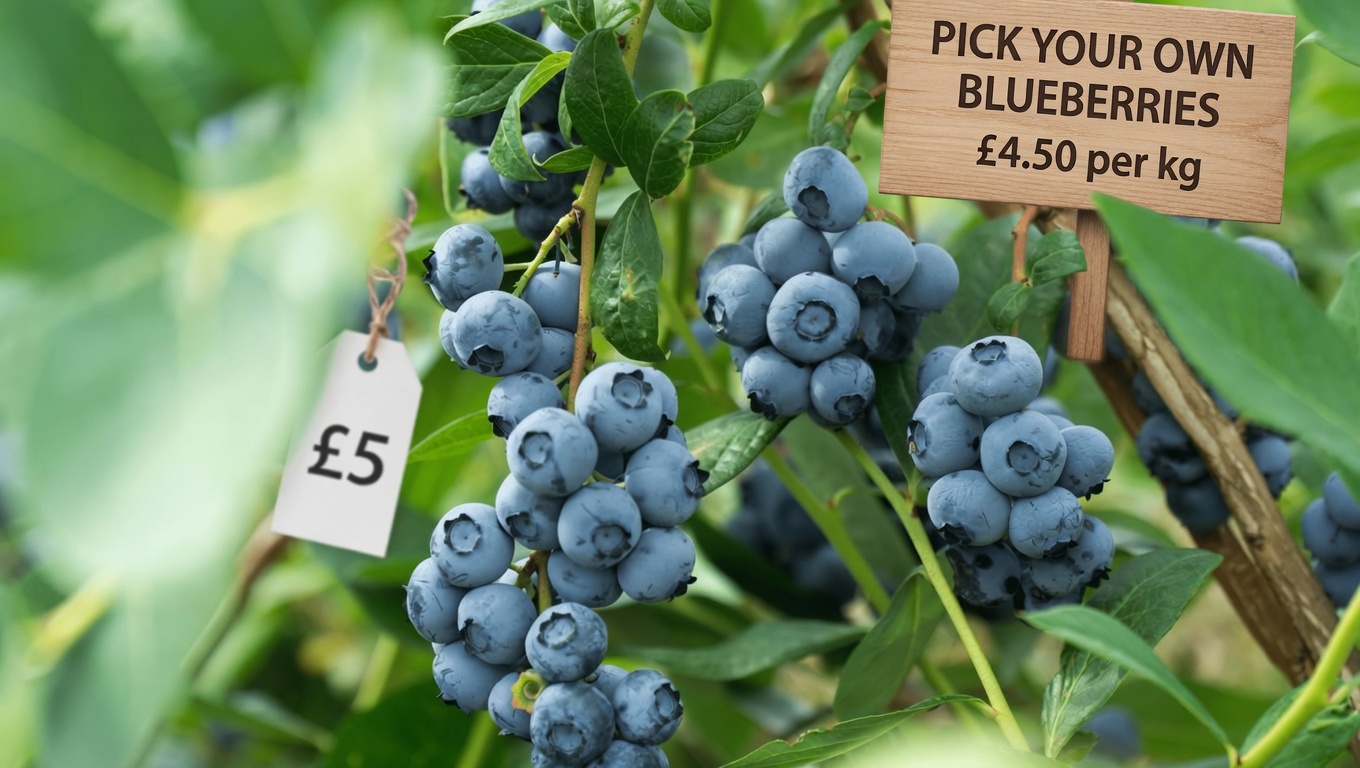
Blueberries are loaded with anthocyanins—the pigments behind their deep color and a major source of antioxidant activity. Regular berry consumption has been associated in studies with better brain and heart support, including potential benefits for cognitive performance in older adults.
Ways to eat them more often:
- Stir into oatmeal or Greek yogurt
- Blend into smoothies
- Snack on fresh or frozen berries
They may also help support blood vessel function, which helps deliver oxygen and nutrients to cells.
2. Garlic: Small Clove, Major Benefits
Garlic is known for allicin, a sulfur-based compound studied for antioxidant and protective effects. Because immune response naturally changes with age, garlic may help support normal immune function while also helping reduce oxidative stress.
Best-use tip:
- Crush or chop garlic and let it rest 5–10 minutes before cooking to allow more allicin to form.
That tiny pause can significantly improve its potential impact.
3. Green Tea: A Gentle Daily Defense
Green tea provides polyphenols—especially EGCG—commonly researched for supporting cellular defense pathways. Swapping soda or sweetened drinks for green tea is an easy way to reduce excess sugar while increasing beneficial plant compounds.
Daily routine ideas:
- Drink 1–3 cups per day
- Add lemon for extra vitamin C
- Enjoy it hot or iced
In many populations, regular green tea intake is linked with markers of healthier aging.
4. Turmeric: The Golden Spice for Inflammation Support
Turmeric contains curcumin, widely studied for its role in supporting a balanced inflammatory response. Since chronic low-grade inflammation becomes more common later in life, turmeric can be a practical addition to everyday meals.
Improve absorption:
- Combine turmeric with black pepper plus a little healthy fat.
Easy ways to use turmeric:
- Golden milk
- Curries, soups, stews
- Sprinkled onto roasted vegetables
5. Tomatoes: More Powerful When Cooked
Tomatoes are rich in lycopene, a potent antioxidant. Lycopene becomes more bioavailable when tomatoes are cooked, especially when paired with healthy fats such as olive oil.
Research often connects lycopene intake with cardiovascular support and reduced oxidative stress.
Try these cooked options:
- Tomato sauce
- Stewed tomatoes
- Roasted cherry tomatoes
Sometimes a small cooking change makes nutrients more effective.
6. Broccoli Sprouts: Tiny, Concentrated, and Potent
Broccoli sprouts are a highly concentrated source of sulforaphane, a compound linked to the body’s natural detox and protective enzyme systems. Research suggests sulforaphane may help activate internal antioxidant enzymes inside cells.
Simple ways to add them:
- Toss into salads
- Layer onto sandwiches
- Mix into scrambled eggs
A small handful is often enough.
7. Red Grapes: Whole-Food Support With Resveratrol
Red grapes contain resveratrol, a plant compound frequently studied in the context of healthy aging. Since grapes contain natural sugars, portion awareness matters—but whole grapes also deliver fiber, hydration, and antioxidants.
Practical ideas:
- Freeze grapes for a refreshing snack
- Add to fruit bowls
- Pair with nuts to balance energy
8. Ginger: Warming, Soothing, and Antioxidant-Rich
Ginger contains gingerols, known for antioxidant and soothing properties. Many older adults also value ginger for digestive comfort and general muscle ease.
Easy daily uses:
- Fresh ginger tea
- Grated into stir-fries
- Added to smoothies
Small daily amounts can add up over time.
9. Mushrooms (Shiitake, Maitake, Reishi): Immune-Focused Compounds
Many mushrooms contain beta-glucans, researched for supporting balanced immune regulation. Since immune function can shift with age, rotating different mushroom types may help diversify supportive nutrients.
Simple serving ideas:
- Stir-fries
- Omelets
- Soups and broths
10. Pomegranate: Bright Color, Strong Antioxidants
Pomegranate arils contain punicalagins and other polyphenols with strong antioxidant activity. Research often associates pomegranate intake with heart support and healthy circulation.
Ways to enjoy it:
- Sprinkle over salads
- Mix into yogurt
- Add to sparkling water
Bright, colorful foods often signal a higher concentration of beneficial plant compounds.
Quick Comparison: What Each Food Is Known For
- Blueberries — Anthocyanins — Brain and heart support
- Garlic — Allicin — Immune balance
- Green tea — EGCG — Cellular defense
- Turmeric — Curcumin — Inflammation support
- Tomatoes — Lycopene — Cardiovascular health
- Broccoli sprouts — Sulforaphane — Detox pathways
- Red grapes — Resveratrol — Healthy aging research
- Ginger — Gingerols — Digestive comfort
- Mushrooms — Beta-glucans — Immune regulation
- Pomegranate — Polyphenols — Circulation support
It’s not an accident that these foods are largely plant-based and colorful.
Daily Eating Tips for Healthier Aging
Supporting cellular health doesn’t require a strict plan—it’s more about repeating a few strong patterns.
Add More Color to Every Meal
Aim for:
- At least two different vegetables
- One fruit
- A source of healthy fat
More color often equals a broader range of nutrients.
Prioritize Protein
Muscle mass naturally decreases with age, so protein helps support strength and independence.
Good options:
- Eggs
- Fish
- Beans and lentils
- Greek yogurt
Choose Healthy Fats
Healthy fats support absorption of fat-soluble nutrients.
Focus on:
- Olive oil
- Avocado
- Nuts and seeds
Stay Hydrated
Even mild dehydration can affect energy and concentration.
Drink:
- Water
- Herbal tea
- Green tea
Hydration helps move nutrients efficiently throughout the body.
A Simple 7-Day Starter Pattern (Easy to Repeat)
Morning
- Green tea + oatmeal with blueberries
Lunch
- Salad with broccoli sprouts, tomatoes, and olive oil
Snack
- A small handful of red grapes or pomegranate seeds
Dinner
- Mushroom stir-fry with garlic, turmeric, and ginger
Repeat with small variations. Long-term consistency matters far more than perfect execution.
The Bigger Picture: Focus on Patterns, Not Perfection
No single food guarantees longevity. However, daily nutrient-dense choices can support cellular resilience, energy levels, cognitive performance, and cardiovascular health over time.
Research repeatedly associates Mediterranean-style and plant-forward eating patterns with better outcomes in older adults. Their shared foundation is simple: whole foods, healthy fats, and antioxidant-rich ingredients.
One Final Habit That Often Gets Ignored
Eat slowly and mindfully. Studies suggest mindful eating can improve digestion, nutrient absorption, and satisfaction—helping people stick to healthier habits long term.
Sometimes how you eat matters as much as what you eat.
Frequently Asked Questions
How often should older adults eat antioxidant-rich foods?
Ideally every day. Even small daily servings help build the overall dietary pattern most associated with healthy aging.
Can these foods replace medications?
No. These foods can support overall wellness, but they are not substitutes for prescribed medical care or treatments.