Castor Oil: Benefits, Uses, Extraction Methods, and Safety Tips
Castor oil (often called castor bean oil) has a long history in traditional wellness and natural beauty care. Sourced from the seeds of the Ricinus communis plant, it stands out for its dense, thick texture and its nutrient-rich fatty acid profile. From supporting the look of fuller hair to improving dry skin and fitting into simple self-care routines, castor oil remains one of the most multipurpose plant oils used today.
In this guide, you’ll learn what castor oil is, how it’s made, its top benefits, how to use it correctly, and what precautions to keep in mind.
What Is Castor Oil?
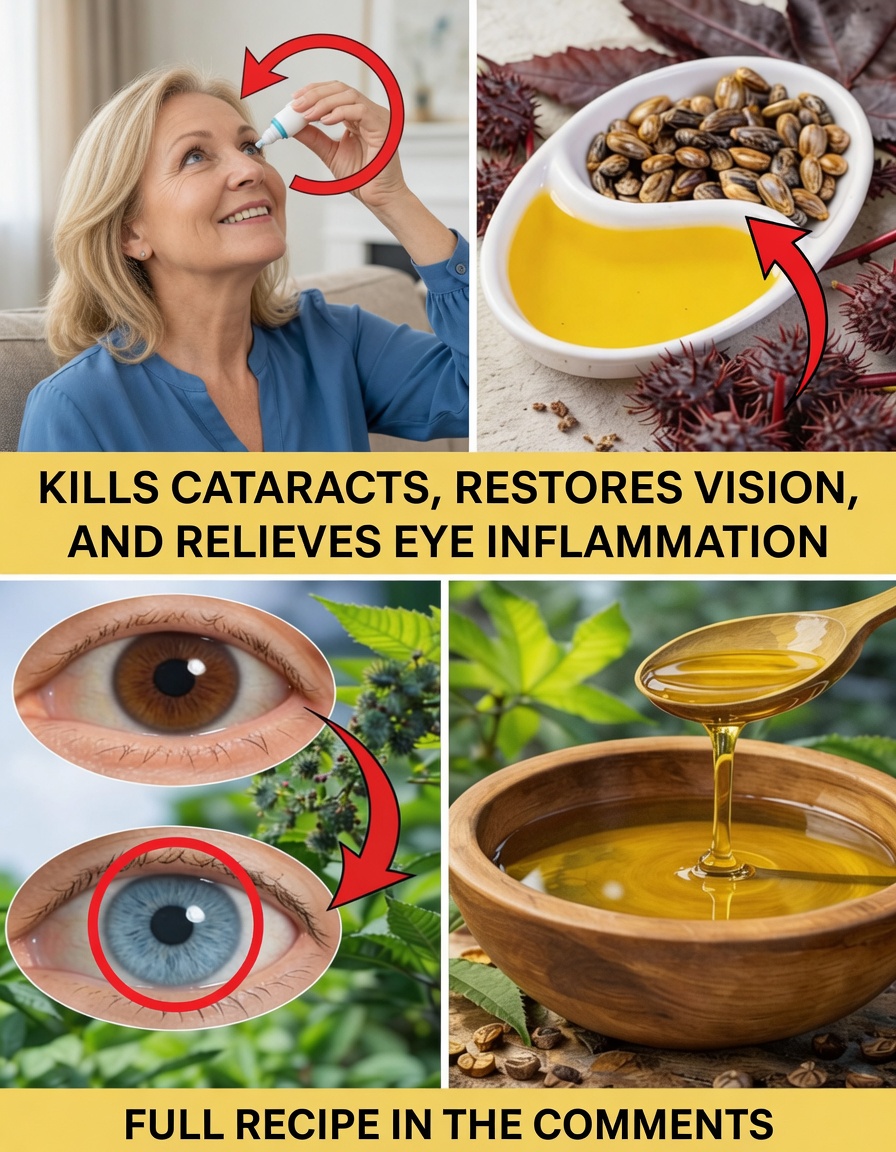
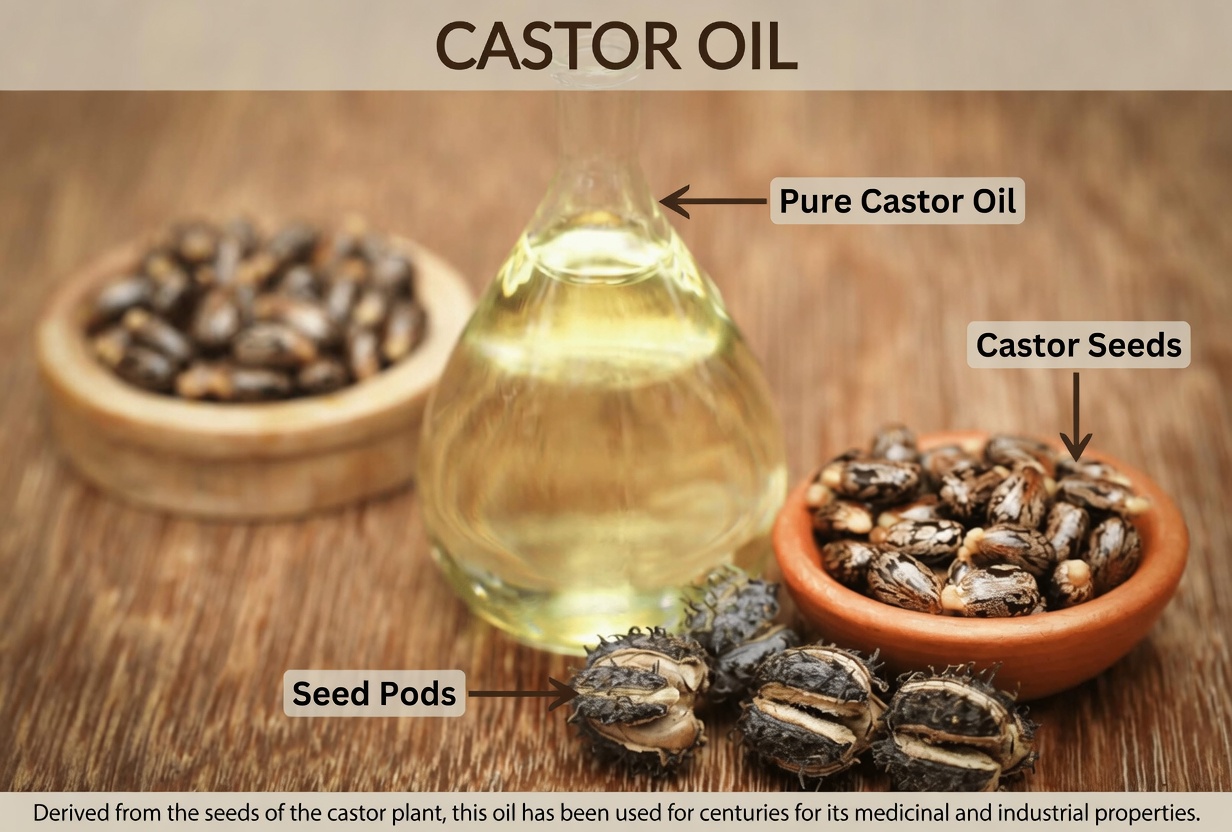
Castor oil is a plant-based (vegetable) oil pressed from the seeds of the Ricinus communis plant. Its reputation in both skincare and hair care comes from its unusually concentrated composition.
Key components of castor oil
- Ricinoleic acid (up to ~90%)
- Omega-9 fatty acids
- Vitamin E
- Naturally occurring compounds associated with anti-inflammatory and antimicrobial activity
Because of this blend, castor oil is widely valued for being deeply moisturizing, protective, and conditioning. Compared to lighter oils, its thicker consistency helps it coat and penetrate hair and skin more effectively, which is why it’s frequently used for intensive treatments.
How Is Castor Oil Extracted?
The extraction method has a direct impact on castor oil quality—especially for cosmetic and wellness use. Two main approaches are commonly used.
Method 1: Cold-Pressed Extraction (Recommended)
Cold-pressed castor oil is typically preferred because it helps preserve beneficial nutrients and limits degradation caused by heat.
What you’ll need
- Dried castor beans
- Manual or electric oil press
- Fine filter or cotton cloth
- Dark glass bottle or jar
Basic steps
- Rinse the beans and dry them completely.
- Crush the beans into a paste.
- Place the paste into the oil press.
- Press slowly at low temperature.
- Filter the oil to remove sediment.
- Store in a cool place in a tightly sealed dark glass container.
Main advantage: Better retention of vitamins and antioxidants, with reduced oxidation risk.
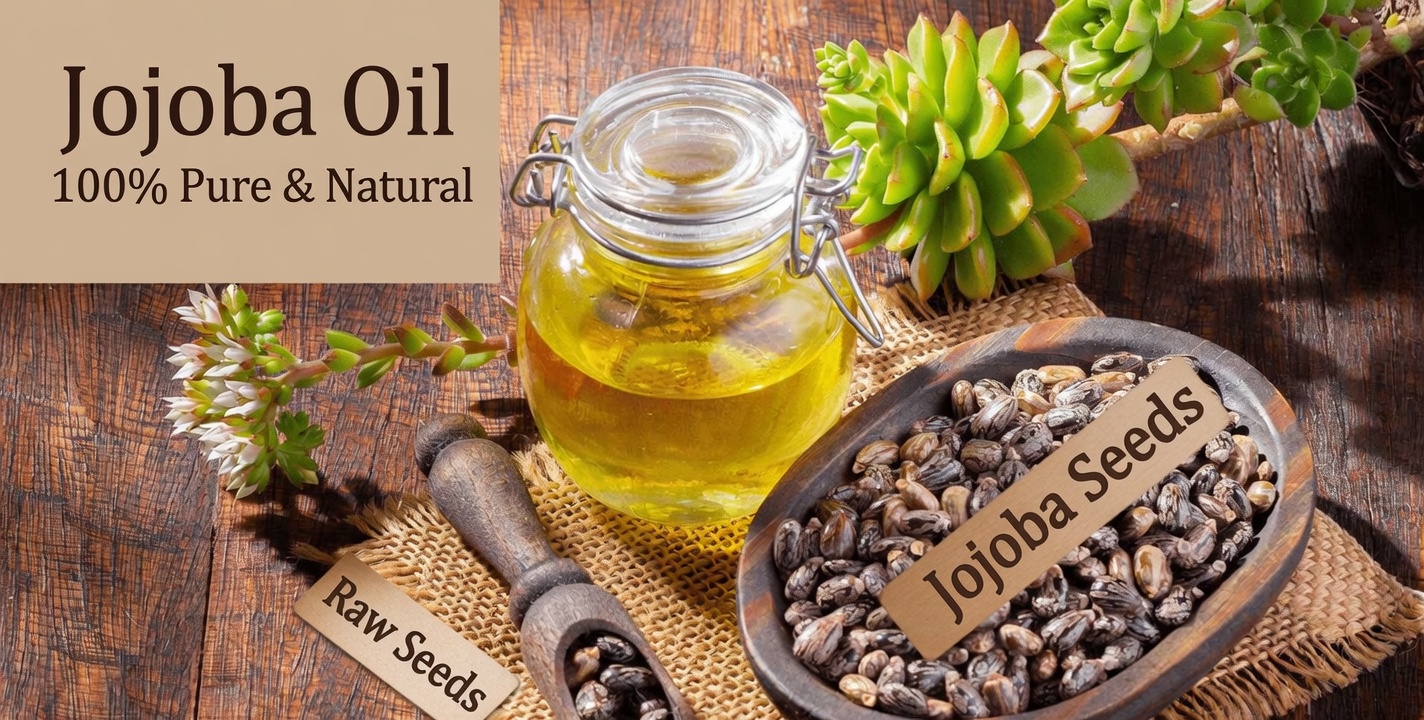
Method 2: Boiling (Heat) Extraction
In some traditional settings, castor oil is produced by heating the crushed seeds.
How it works
- The seeds are crushed and boiled in water.
- Oil separates and floats to the top, then it’s collected and filtered.
This method can still produce usable oil, but heat may reduce some nutritional qualities compared with cold-pressing.
Main Benefits of Castor Oil
1) Supports the Look of Hair Growth and Thickness
Castor oil is widely used in hair routines because it may help:
- Encourage scalp circulation
- Support stronger-looking follicles
- Reduce the appearance of breakage
- Improve shine and the look of thicker hair
Why it may help: Ricinoleic acid is often linked with improving the scalp environment, which can be beneficial for maintaining healthy-looking hair.
How to use
- Massage into the scalp 2–3 times per week
- Leave on 30–60 minutes, or overnight if tolerated
- Shampoo thoroughly to remove buildup
2) Deep Moisturizing for Skin and Hair
Castor oil functions as a strong humectant-like moisturizer, helping reduce moisture loss.
Common benefits
- Helps relieve dryness
- Supports skin elasticity
- Softens rough patches and damaged-feeling hair
It’s especially popular for areas that tend to crack or roughen, such as heels, elbows, knees, and cuticles.
3) Enhances the Appearance of Eyebrows and Eyelashes
When used carefully, castor oil is often applied to:
- Condition brows and lashes
- Reduce the look of brittleness
- Improve a healthier, fuller appearance over time
How to use
- Apply a thin layer at night using a clean spoolie/brush
- Avoid getting the oil into the eyes
4) Soothing and Comforting for Minor Discomfort
Castor oil is commonly used topically to support comfort from:
- Mild skin irritation
- Muscle tightness after activity
- Joint tension
Many people use it for massage or as part of a warm compress routine.
5) Digestive Support (Traditional Use)
Historically, castor oil has also been used as a laxative. However, internal use can cause unwanted effects if misused.
Important: Only consider ingestion under medical supervision, as dosing and personal health factors matter.
How to Use Castor Oil Safely
For hair
- Combine with lighter oils like coconut, argan, or jojoba to improve spreadability
- Focus application mainly on the scalp
- Use 1–2 times per week to reduce buildup
For skin
- Apply a few drops to slightly damp skin
- Many people prefer nighttime use due to its thickness
For massage
- Warm a small amount slightly (not hot)
- Massage using gentle circular motions
Important Precautions
- Do not ingest castor oil without medical guidance
- Always do a patch test before first use
- Keep away from eyes and mucous membranes
- Choose cold-pressed, chemical-free castor oil
- Avoid medicinal use during pregnancy unless approved by a clinician
Note: Castor beans themselves are toxic. Only properly processed castor oil is considered safe for external use.
How to Choose High-Quality Castor Oil
When purchasing castor oil, look for products that are:
- Cold-pressed
- 100% pure
- Organic and/or unrefined (when possible)
- Packaged in a dark glass bottle to protect from light
Avoid castor oils that contain added fragrances, dyes, or unnecessary chemical additives.
Conclusion
Castor oil remains one of the most versatile natural oils for hair care and skincare. By choosing high-quality, cold-pressed oil and applying it correctly, you can make it a practical part of your routine—whether your goal is better hydration, smoother skin, or supporting the appearance of thicker, healthier-looking hair.
FAQ
-
Can castor oil help with thinning hair?
It may support scalp circulation and help create a healthier scalp environment when used consistently, which can be beneficial for hair appearance. -
Is castor oil safe for eyelashes?
Generally yes for external use, but apply sparingly with a clean brush and avoid direct eye contact. -
Can I use castor oil for dry skin?
Yes. Castor oil is known for strong moisturizing properties and may improve the look and feel of dry, rough skin.
Disclaimer
This article is for informational purposes only and is not a substitute for professional medical advice. Consult a qualified healthcare provider before using castor oil internally or if you have existing health conditions.