Subtle physical shifts are easy to dismiss—especially when they seem harmless, like mild hand weakness or tiredness after a lot of texting. Many people write off these early signals as stress, overuse, or “just a phase.” Yet in some cases, small changes can reflect deeper neurological issues that deserve timely attention. Eric Dane’s experience is a clear reminder of why noticing early symptoms matters—and the lesson at the end is one worth remembering.
Eric Dane’s Story: A Brief Timeline
Actor Eric Dane, widely recognized for his role on Grey’s Anatomy, publicly disclosed his ALS diagnosis in April 2025. Nearly a year later, he died at age 53, with his family describing his experience as a courageous fight.
By speaking openly, Dane helped refocus public attention on Amyotrophic Lateral Sclerosis (ALS)—a progressive neurodegenerative condition that damages motor neurons, the nerve cells that control voluntary muscle movement.
What makes his story especially striking is how quietly it began.
The First ALS Symptom Eric Dane Noticed
In an interview, Dane explained that his earliest sign was easy to overlook:
“I started experiencing some weakness in my right hand, and I didn’t really think anything of it at the time.”
Initially, he attributed it to everyday causes—too much texting or general fatigue. That assumption is common in a world where hand strain is part of modern life.
But the symptom didn’t fade. Within weeks, the weakness became more noticeable and progressively worse—prompting him to seek medical care.
Why Early ALS Symptoms Are Often Missed
ALS (also called Lou Gehrig’s disease) affects both upper and lower motor neurons. The ALS Association describes ALS as leading to a progressive decline in muscle control.
The difficulty is that early symptoms can look like ordinary problems—minor strain, poor sleep, stress, or a pinched nerve.
Common Early Signs of ALS Can Include
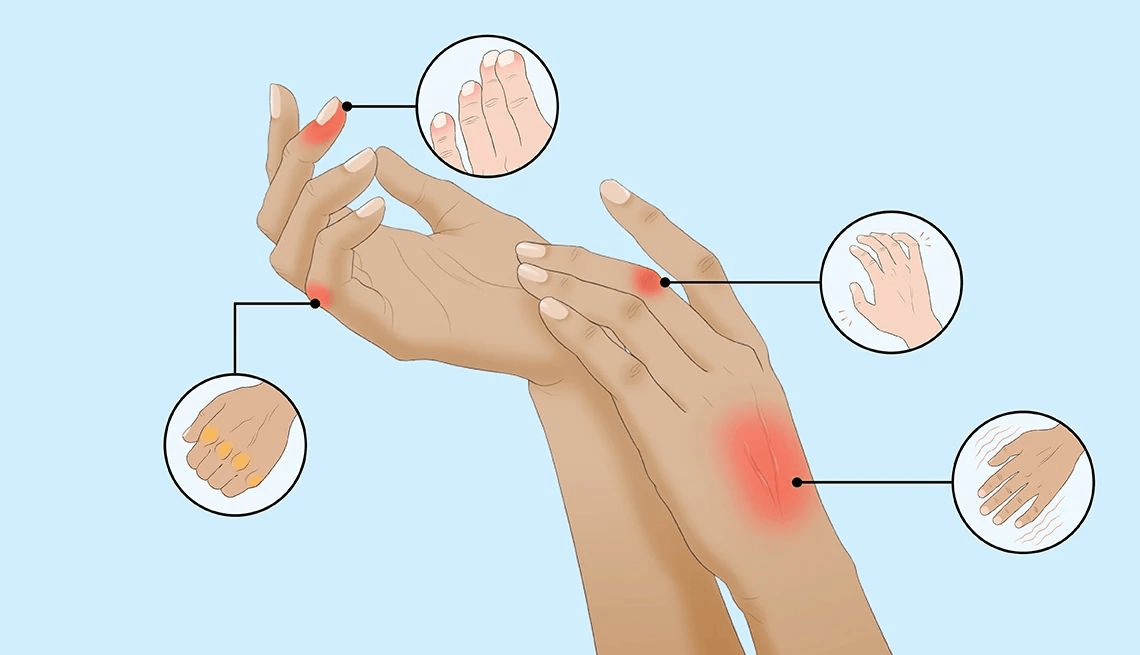
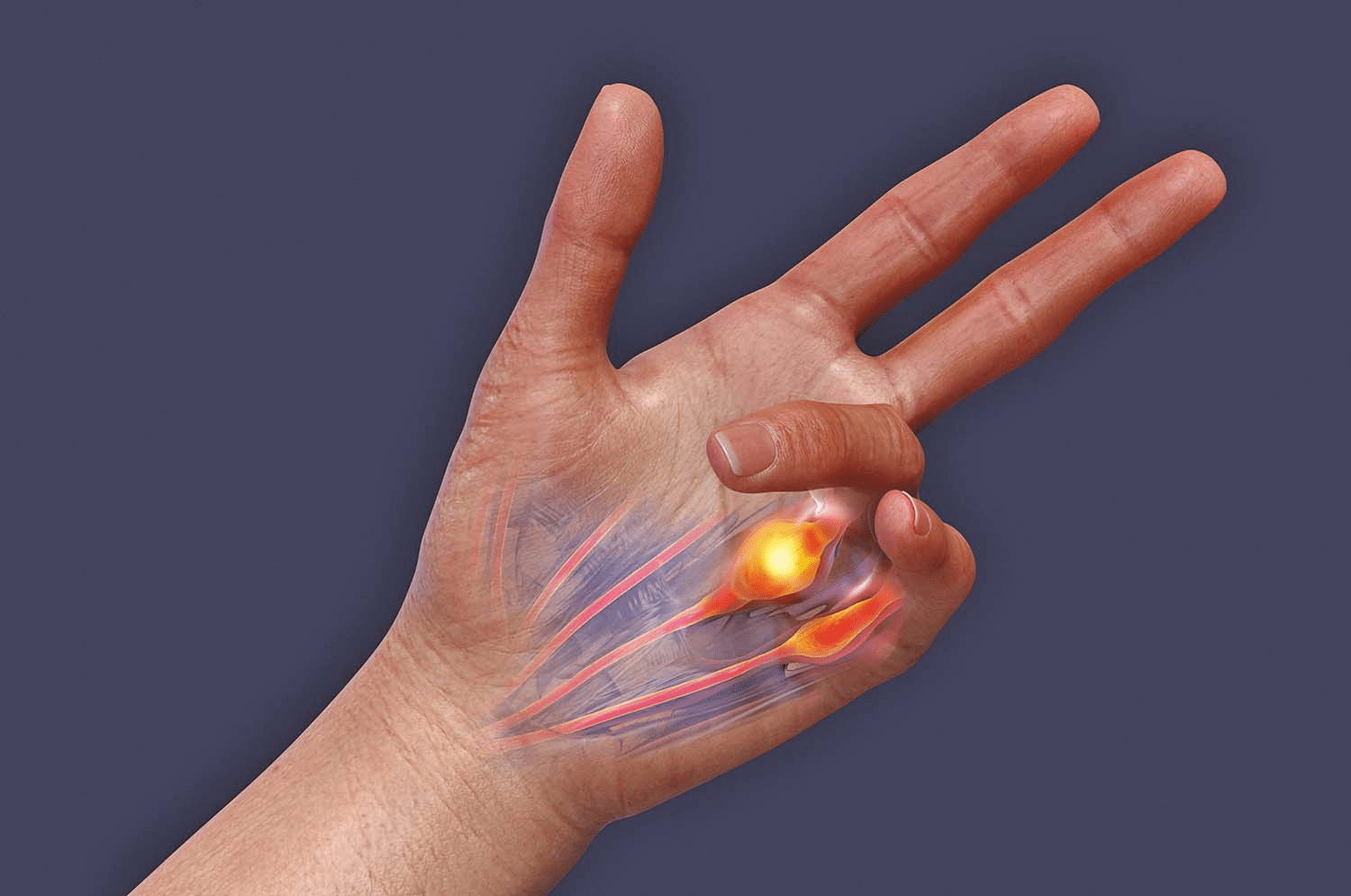
- Weakness in one hand or arm
- Trouble gripping or holding objects
- Small muscle twitches (fasciculations)
- Slurred or altered speech
- Tripping more often or feeling off-balance
A key detail: symptoms frequently begin on one side of the body. In Dane’s case, it started in his right (dominant) hand, making the change more disruptive as it progressed.
The Long Search for Answers: Why Diagnosis Can Take Months
Many people are surprised to learn that Dane said it took nine months from his first symptoms to receive confirmation of the cause.
During that period, he consulted multiple clinicians, including:
- A hand specialist
- Additional specialists
- A neurologist
- A second neurologist
Why the Delay Happens
There isn’t a single definitive test that confirms ALS in one step. Physicians usually need to rule out other conditions first. In clinical practice and peer-reviewed neurological research, evaluation often includes:
- A detailed neurological exam
- Electromyography (EMG)
- Nerve conduction studies
- Imaging and other tests to exclude alternative explanations
This process can take time—and the uncertainty can be emotionally exhausting.
When Weakness Becomes Progressive
Dane later described significant loss of function:
“I have one functioning arm… my right side is completely stopped working.”
He also noted that weakness eventually spread toward the other arm—consistent with how ALS can advance over time. As motor neurons deteriorate, everyday abilities may become harder, such as:
- Lifting and carrying items
- Walking steadily
- Speaking clearly
Another painful contrast is that many people with ALS remain mentally sharp, meaning they can be fully aware of physical changes as they happen.
Why ALS Awareness Makes a Difference
Public figures such as Eric Dane, Lou Gehrig, and Stephen Hawking have shaped global understanding of ALS. Increased awareness has real benefits:
- It encourages people to seek medical evaluation sooner
- It reduces stigma and isolation
- It supports funding for scientific research and patient support resources
While ALS remains rare, persistent, unexplained weakness should never be brushed aside.
Early Muscle Weakness: When to Take It Seriously
Not all weakness is dangerous—fatigue after exertion is normal. The concern rises when weakness is unexplained, persistent, or progressive.
Normal Fatigue vs. Concerning Weakness
- Improves with rest vs. persists or worsens
- Affects both sides similarly vs. mainly affects one side
- Clearly linked to activity vs. appears without a clear trigger
- Short-term soreness vs. steady loss of strength
Consider speaking with a healthcare professional if weakness:
- Lasts longer than a few weeks
- Continues to worsen over time
- Affects coordination or balance
- Interferes with daily routines
This is not about panic. It’s about paying attention early enough to get clarity.
Practical Steps If You Notice Unexplained Weakness
1. Record Your Symptoms
Write down:
- When it started
- Where you feel it (hand, arm, leg, etc.)
- Whether it’s changing over time
- Any additional signs (twitching, speech changes, tripping)
A clear timeline helps clinicians recognize patterns.
2. Start With Primary Care
Begin with a general physician, who can decide whether referral to a neurologist is appropriate.
3. Don’t Self-Diagnose
Online searches often increase fear. Weakness can be caused by many treatable issues, including:
- Vitamin or mineral deficiencies
- Nerve compression
- Autoimmune conditions
- Overuse injuries
- Stress-related factors
Only a clinical evaluation can sort through these possibilities.
4. Seek Credible Support Early
If a neurological condition is suspected, trusted organizations (such as the ALS Association) can offer education and emotional resources.
The Emotional Reality: It Affects More Than the Individual
Dane also spoke publicly about his family and his appreciation for his wife, Rebecca Gayheart, and their daughters. His willingness to share helped put a human face on a condition many people fear but rarely understand.
Chronic illness impacts entire families—not just the person diagnosed. Research consistently shows that strong support systems can meaningfully improve quality of life in neurodegenerative disease. Tools that often help include:
- Counseling or therapy
- Support groups
- Open family communication
- Practical planning and shared caregiving strategies
What Research Says About ALS Today
There is currently no cure for ALS, but research continues to advance in areas such as:
- Genetic contributions
- Environmental risk factors
- Neuroprotective approaches
- Supportive interventions that improve quality of life
Institutions like the National Institute of Neurological Disorders and Stroke (NINDS) emphasize that earlier evaluation can help with planning and symptom management—especially when symptoms are changing over time.
The Core Lesson from Eric Dane’s Experience
Dane’s first sign was not dramatic.
It wasn’t severe pain.
It wasn’t sudden collapse.
It was subtle weakness in one hand.
That is the message: the body often whispers before it screams.
Listening early doesn’t mean assuming the worst—it means respecting persistent change enough to investigate it. And that awareness can shape how you understand, plan for, and respond to whatever comes next.
Frequently Asked Questions (FAQ)
-
What was Eric Dane’s first ALS symptom?
He reported weakness in his right hand, which gradually intensified over several weeks. -
How common is ALS?
ALS is considered a rare neurological disease, affecting a small portion of the population compared with many other neurological conditions. -
Does early muscle weakness always mean ALS?
No. Weakness can result from many causes, including nerve compression, metabolic issues, autoimmune disorders, and overuse. Persistent or worsening weakness should be evaluated by a qualified clinician.
Final Thoughts
Eric Dane’s openness brought renewed attention to ALS symptoms, early neurological warning signs, and the value of not ignoring subtle physical changes. His story is not only about loss—it is also about awareness, advocacy, and resilience.
If one point stands out, it’s this: don’t dismiss persistent changes in your body. Early evaluation helps you gain clarity, plan appropriately, and make informed decisions.
Disclaimer
This article is for informational purposes only and does not replace medical advice. If you have concerning symptoms, consult a qualified healthcare professional for personalized guidance.