Nipah Virus Headlines: What Travelers and Families Should Know
Seeing news about a deadly virus with no approved cure can be unsettling—especially when some airports begin rolling out Covid-style health checks again. Recent reports of confirmed Nipah virus cases in West Bengal, India, along with quarantines affecting about 100 people, have brought the virus back into global conversation.
It’s understandable that uncertainty—combined with mentions of a high fatality rate—can increase anxiety for travelers and families. The best antidote to fear is clarity: knowing how Nipah spreads, what symptoms look like, and what the real-world risk is helps you make smart decisions without panic. There’s also one key fact about how outbreaks are typically controlled—often missed in viral headlines—that we’ll return to later.
Why Health Authorities Track Nipah Virus So Closely
The World Health Organization (WHO) lists Nipah as a “priority pathogen,” meaning it has outbreak potential and needs urgent research focus.
Global agencies continue to monitor Nipah because:
- Reported fatality rates have ranged from 40% to 75%, depending on factors like healthcare access and speed of response
- There is no approved vaccine and no targeted antiviral treatment
- The virus can spread from animals to humans, and in some situations from person to person
The U.S. Centers for Disease Control and Prevention (CDC) notes that Nipah outbreaks have historically been limited to parts of South and Southeast Asia. Still, with modern travel networks, early detection becomes important—especially when cases appear in new clusters.
That’s where airport screening plays a role.
What Is the Nipah Virus?
Nipah virus is zoonotic, meaning it originates in animals and can infect humans. Fruit bats (flying foxes) are the natural reservoir. In some outbreaks, pigs have acted as intermediate hosts that amplified spread.
People may become infected through:
- Direct contact with infected animals
- Eating or drinking contaminated food (for example, fruit exposed to bats)
- Close contact with an infected person, especially in caregiving settings
A critical detail: Nipah does not typically spread through casual, airborne exposure the way highly transmissible respiratory viruses can. In most documented outbreaks, transmission has required close or direct contact.
Equally important: while outbreaks can be severe, sustained global transmission beyond affected regions has not been documented.

Early Symptoms of Nipah Virus Infection
In the first phase, Nipah can look like many common viral illnesses. This similarity is why awareness matters—but it’s not a reason to panic.
Common early symptoms
- Fever
- Headache
- Muscle pain
- Vomiting
- Sore throat
- Fatigue
At this stage, it may resemble influenza-like illness.
When symptoms become severe
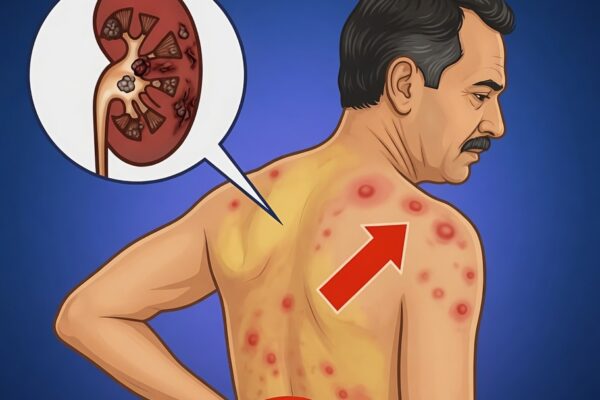
Based on CDC summaries and past outbreak reports, some people develop serious complications such as:
- Persistent cough
- Shortness of breath
- Pneumonia
- Confusion or disorientation
- Seizures
- Reduced alertness or altered consciousness
The most dangerous complication is encephalitis (brain swelling), which can progress rapidly and, in severe cases, lead to coma.
One nuance is often overlooked: not everyone develops severe neurological disease. Outcomes vary, and early supportive medical care and access to healthcare can make a major difference.
Nipah vs. Covid-19: Key Differences
Comparisons to Covid-19 are common. The differences below help explain why public health responses look different.
- Fatality rate: Nipah has reported fatality rates of 40–75% (varying by outbreak), while Covid-19’s early global estimate was around 3.4%
- Vaccines: Nipah has no approved vaccine, whereas Covid-19 has multiple vaccines
- Transmission: Nipah typically requires close contact or animal exposure, while Covid-19 spreads efficiently through respiratory droplets/aerosols
- Spread pattern: Nipah has shown regionally limited outbreaks, while Covid-19 became a global pandemic
In plain terms: Nipah is deadlier in documented cases, but historically far less capable of widespread global spread.
Why Airports Are Reintroducing Health Checks
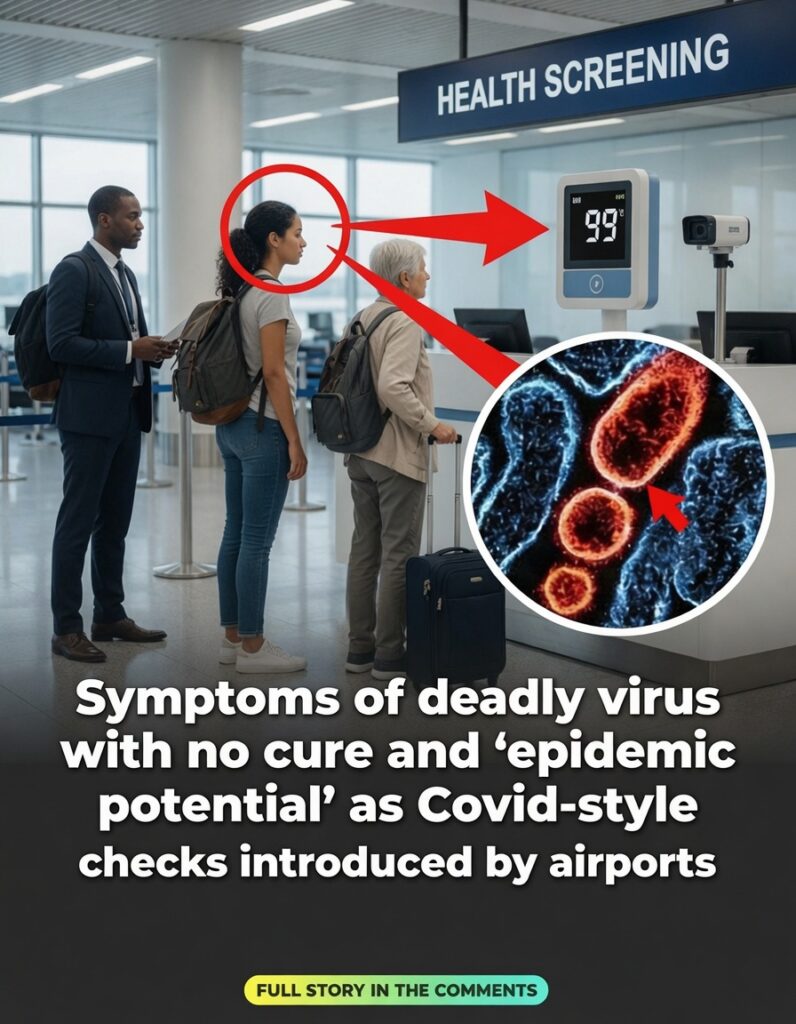
Countries including Thailand, Nepal, and Taiwan have increased screening for travelers arriving from areas with reported cases. These measures can include:
- Temperature checks
- Health questionnaires
- Symptom monitoring
- Travel-history review
This is best understood as precaution, not global panic. Public health strategy often prioritizes early identification and rapid isolation, because fast action reduces the chance of wider transmission.
Airport screening is most effective when paired with informed travelers who recognize symptoms and behave responsibly if they feel unwell.

Incubation Period: Why Post-Travel Monitoring Is Important
Symptoms usually appear 4 to 21 days after exposure, though rare reports suggest longer incubation can occur.
That means a person may feel healthy while traveling and only develop symptoms later. For that reason:
- Monitor your health after travel
- Report symptoms early if they appear
- Stay home and avoid close contact when sick
Preparedness is more useful than fear.
Practical Steps Travelers Can Take Now
You don’t need to panic—there are sensible, preventive actions you can take.
-
Use reliable sources for updates
- WHO
- CDC
- Your national or local public health authority
Avoid treating social media headlines as primary guidance.
-
Stick to basic hygiene and food safety
- Wash hands regularly and thoroughly
- Avoid touching your face with unwashed hands
- Eat properly washed and prepared foods
- Avoid contact with sick animals
-
Monitor health after travel
If you visited an affected area:- Check temperature daily for up to 21 days
- Watch for flu-like symptoms
- Seek medical care promptly if symptoms develop
-
Reduce contact if you feel unwell
- Limit close interactions
- Wear a mask in shared spaces
- Tell healthcare providers about recent travel and exposure history
These steps protect both you and the people around you.
The Psychological Impact of Outbreak News
Outbreak coverage can trigger anxiety even when risk is geographically limited. Health psychology research consistently shows that uncertainty often drives distress more than the actual probability of infection.
What helps most:
- Balanced, evidence-based information
- Clear preventive behaviors
- Context about how transmission actually occurs
Now for the key fact many people miss: historically, Nipah outbreaks have been contained through local public health measures and have not turned into sustained global pandemics. That context is essential for realistic risk assessment.
Why Nipah Fatality Rates Vary So Much
Many readers wonder why reported fatality spans 40% to 75%. The range often reflects:
- How quickly an outbreak is detected
- The strength of clinical and supportive care
- Access to intensive care resources
- The effectiveness of local public health response
WHO reporting emphasizes that surveillance and early supportive treatment can significantly affect outcomes. In other words, readiness and response matter.
Epidemic Potential vs. Real-World Spread
“Epidemic potential” sounds alarming, but in epidemiology it means a pathogen has traits that could enable broader spread under the right conditions—it does not mean worldwide spread is inevitable.
So far:
- Nipah has largely remained regionally contained
- There is no evidence of sustained transmission outside affected areas
- Modern surveillance and outbreak response tools are stronger than in past decades
Summary: What You Actually Need to Remember
- Nipah virus has a high reported fatality rate but has shown limited spread historically.
- Early symptoms often look like flu-like illness.
- Severe cases may include pneumonia and neurological complications, including encephalitis.
- There is no approved vaccine and no specific antiviral treatment currently.
- Airport screenings are designed to reduce the chance of wider transmission.
- Informed travelers—who monitor symptoms and act early—support containment.
Frequently Asked Questions (FAQ)
- Can Nipah virus spread easily through casual contact?
Current evidence suggests Nipah transmission usually requires close, direct contact with infected animals or infected people, rather than brief, casual interactions.