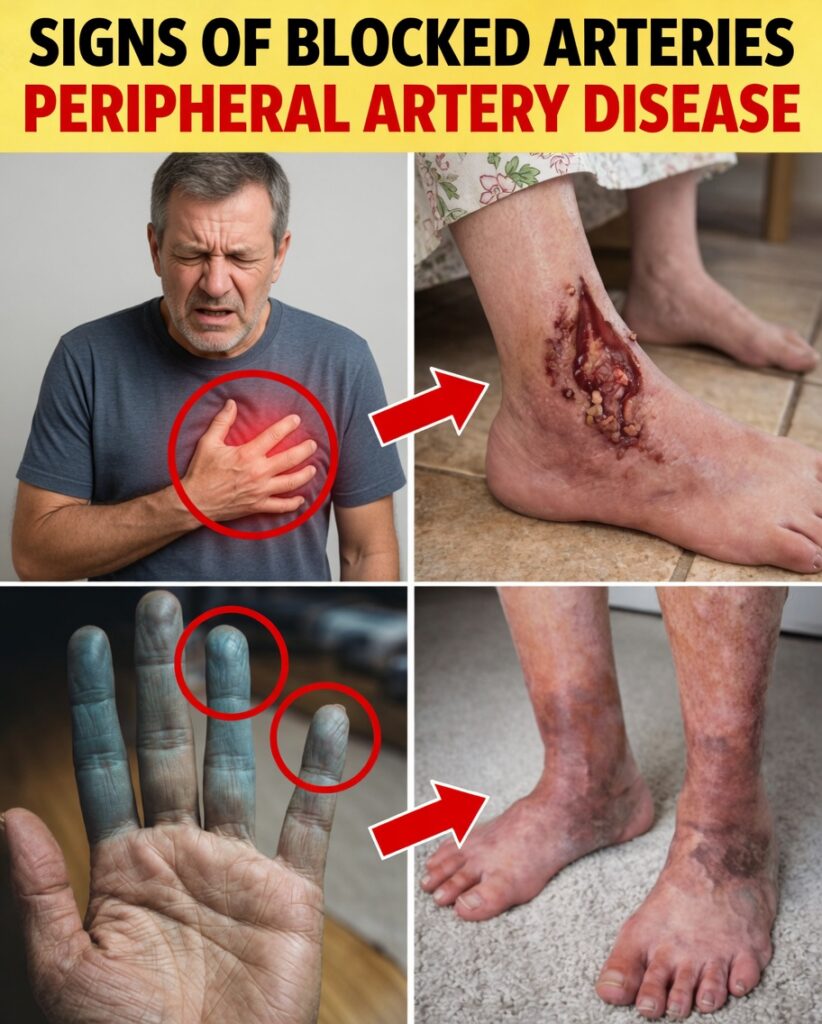
Many adults over 40 begin to feel unfamiliar discomfort in their legs during simple routines like walking. It’s easy to dismiss this as “normal aging” or everyday tiredness. However, peripheral artery disease (PAD)—a condition where narrowed arteries limit blood flow to the legs and feet—affects millions of people in the United States. Estimates suggest more than 8 million adults aged 40 and older may have PAD, and many don’t realize it until problems become harder to ignore.
When circulation drops, the legs may show subtle signals such as pain with movement, skin changes, or slow-healing sores—all of which can impact mobility and also hint at broader cardiovascular risk. Spotting these early signs and getting evaluated can significantly improve long-term vascular health. Toward the end, you’ll also learn about a simple screening test many clinicians use to catch PAD early.
Why Blocked Leg Arteries Often Stay Hidden After 40
As people age, mild aches, stiffness, or slower recovery after activity can feel “expected,” which is one reason PAD is frequently overlooked. Public health sources note that PAD becomes increasingly common with age (especially after 60), yet a large number of cases remain undiagnosed because symptoms can be subtle—or blamed on joints, back issues, or general fatigue.
With PAD, restricted arteries deliver less oxygen and fewer nutrients to working muscles and tissues. That reduced supply can trigger discomfort during movement and gradually affect the health of the skin and nerves in the lower limbs. If you’ve ever felt leg heaviness or fatigue that improves after resting, it’s worth paying attention to the pattern rather than brushing it off.
Warning Sign #1: Leg Pain or Cramping with Activity That Improves with Rest (Intermittent Claudication)
One of the most typical PAD symptoms is aching, tightness, or cramping in the calves, thighs, or buttocks that appears during walking or exercise and usually settles after a few minutes of rest. The mechanism is straightforward: active muscles demand more oxygen-rich blood, but narrowed arteries can’t keep up, leading to pain as waste products build up in the muscle.
This “start with walking, stop with rest” pattern is widely recognized in cardiovascular medicine. If you routinely pause during short walks just to let the discomfort fade, consider tracking:
- How far you can walk before symptoms begin
- Whether the distance is shrinking over time
- Which muscle groups are affected (calf, thigh, buttock)
These details can be very useful for a medical evaluation.
Warning Sign #2: Weak or Missing Pulses in the Feet or Lower Legs
Healthcare professionals often check pulses in areas such as the top of the foot or behind the ankle. If these pulses feel faint or absent, it may indicate reduced blood flow downstream from a narrowed artery. Importantly, diminished pulses can show up before a person recognizes clear walking pain.
Because self-checking pulses is unreliable, this is best identified during an exam. If a clinician notes weak pulses, it usually leads to additional screening rather than being ignored.

Warning Sign #3: Skin Color or Temperature Differences Between Legs or Feet
PAD may cause one foot or leg to feel cooler than the other, or the skin may look:
- Paler when the leg is elevated
- Reddish or bluish when the leg is lowered
These changes reflect long-term reductions in oxygen delivery. A consistent, noticeable difference between the two sides—especially in temperature—deserves attention.
A simple self-check is to compare both legs in good lighting and feel the temperature with the back of your hand. If the difference persists day after day, it’s worth discussing with a clinician.
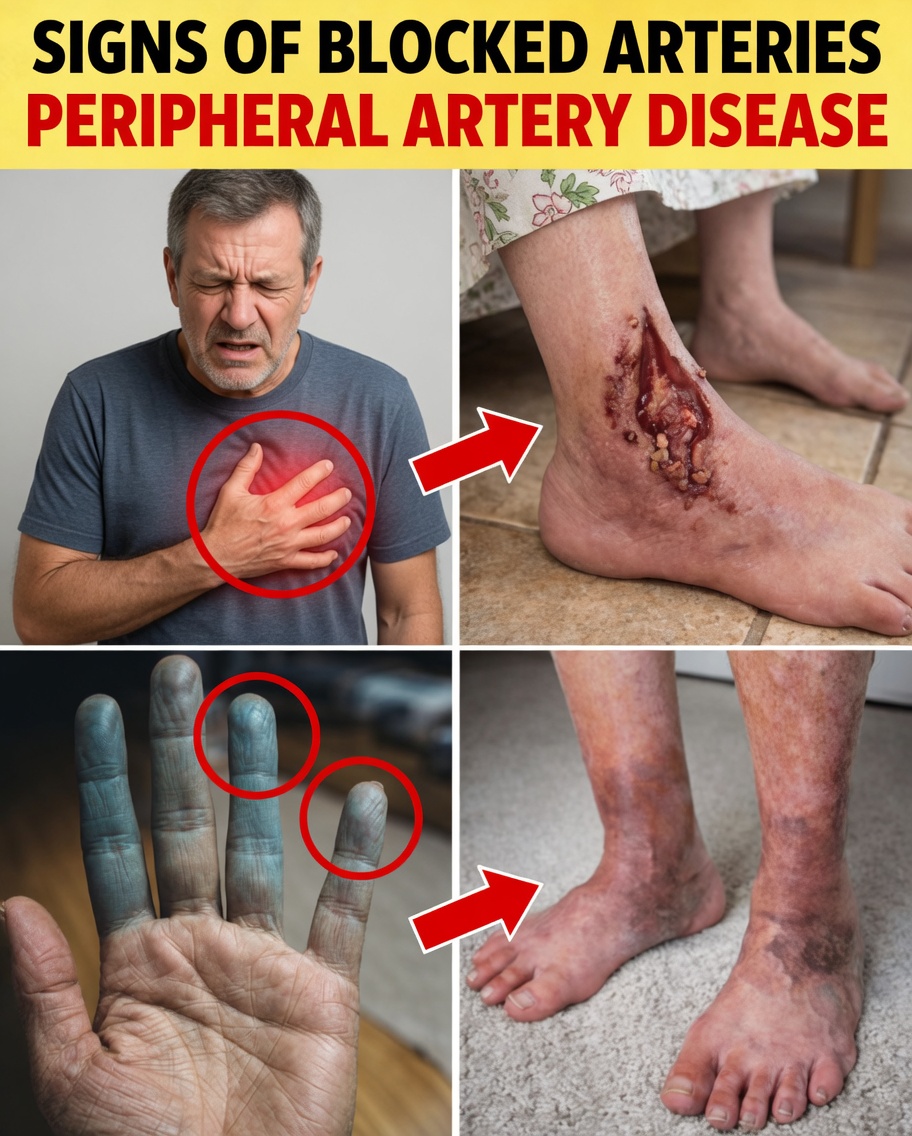
Warning Sign #4: Cuts or Sores on the Feet or Legs That Heal Slowly
When blood flow is limited, the body has a harder time delivering what tissues need to repair—oxygen, nutrients, and immune support. As a result, small wounds may linger, reopen, or fail to close properly.
This is especially important for people with diabetes, where PAD can significantly increase the risk of complications. As a general rule, a sore on the lower leg or foot that isn’t clearly improving within a couple of weeks should be medically assessed.
Quick self-observation habits
- Compare skin color and temperature between both legs daily
- Note any new blisters, cuts, or sores, and track healing time
- Observe whether symptoms change with leg elevation vs. dangling
Warning Sign #5: Shiny Skin and Loss of Hair on the Lower Legs
Over time, poor circulation can affect skin quality and hair growth. Common visible clues include:
- Thinning or loss of hair below the knees
- Skin that appears smooth, shiny, tight, or “polished”
These changes happen because reduced blood flow impacts hair follicles and skin texture. Comparing both legs side-by-side can make the difference more obvious. If areas that once had normal hair growth become unusually smooth, include that in your symptom notes.
Warning Sign #6: Erectile Dysfunction as a Possible Early Signal (in Men)
In men, erectile dysfunction can sometimes appear earlier than leg symptoms because smaller pelvic arteries may narrow sooner. While ED can have multiple causes, vascular disease is a well-established contributor, and it may be part of a broader circulation issue.
If erectile function changes are new or worsening, it’s worth discussing openly with a healthcare provider—especially if any leg symptoms are also present.
Warning Sign #7: Numbness, Tingling, or Ongoing Weakness in the Legs or Feet
When nerves and muscles receive insufficient blood flow, people may notice:
- Tingling or “pins and needles”
- Numbness
- A heavy, rubbery, or weak feeling in the legs
- Persistent symptoms in more advanced cases, even at rest
If you’re unsure how frequent or severe these sensations are, try rating daily symptoms on a simple 0–10 scale. Persistent or worsening abnormal sensations should be evaluated promptly.
Quick Summary: 7 PAD Clues to Watch For
- Activity-related leg pain that eases with rest (classic intermittent claudication)
- Weak or absent pulses in feet or ankles (often found on exam)
- Cooler skin or color shifts in one foot or leg compared with the other
- Slow-healing sores on the feet or lower legs
- Shiny skin and hair loss on the lower legs
- Erectile dysfunction (men) as a potential early vascular sign
- Numbness, tingling, or weakness in legs/feet
Practical Steps to Support Circulation Starting Now
Only a qualified clinician can diagnose PAD, but these general measures are commonly recommended to support vascular health and reduce risk:
- Walk regularly, using short intervals and rest breaks if discomfort appears (and seek guidance if pain is significant)
- Avoid smoking, a major driver of artery damage
- Keep key risk factors controlled through checkups:
- Blood pressure
- Cholesterol
- Blood sugar
- Elevate your legs while resting if swelling is an issue
- Wear comfortable footwear and inspect feet daily for new sores or changes
A practical first move is simple: schedule a visit and bring a list of the signs you’ve noticed.
The Key Takeaway: Pay Attention to Leg Signals Before PAD Progresses
Your legs can provide early warnings about circulation problems that may affect more than mobility. PAD is closely tied to overall cardiovascular health, including heart and brain risks. Taking symptoms seriously—while they’re still mild—can help protect long-term movement, independence, and peace of mind.
A Simple Early Test Doctors Often Use: The Ankle-Brachial Index (ABI)
One common screening tool is the ankle-brachial index (ABI). It compares blood pressure measured at the ankle with blood pressure in the arm. A lower ankle reading can suggest reduced blood flow to the legs. It’s quick, noninvasive, and often used to evaluate PAD early—especially when symptoms or risk factors are present.
Frequently Asked Questions
What is the most common early sign of PAD in the legs?
The most classic early sign is leg pain or cramping during walking that improves with rest (intermittent claudication). However, some people have PAD with minimal or atypical symptoms, which is why professional screening can matter when risk factors or subtle signs are present.