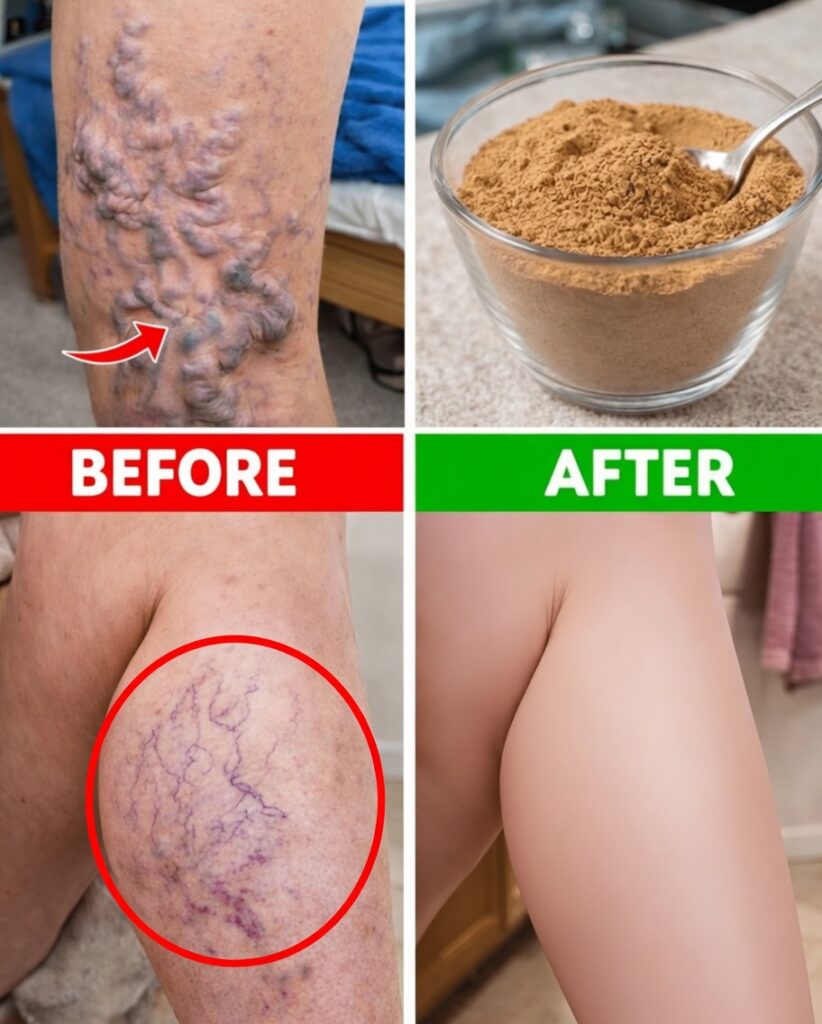
Varicose veins affect millions of people worldwide. In the U.S. alone, research suggests roughly 23% of adults experience them. They often show up as twisted, enlarged leg veins and may come with aching, heaviness, swelling, or leg fatigue—especially after long hours of standing or sitting. Even though varicose veins are common (and tend to become more noticeable with age), many people prefer gentle, everyday ways to support circulation and vein comfort before considering invasive options.
The encouraging part: small lifestyle shifts can help promote healthier blood flow and ease day-to-day discomfort for many individuals. Below are 10 evidence-informed natural strategies you can start using right away—plus a final “bonus connection” that helps tie them together for stronger results.
How Poor Circulation Can Affect Everyday Life
When circulation slows down, the impact goes beyond appearance. Many people notice leg heaviness, puffiness, cold feet or hands, or a “tired legs” sensation that makes daily routines feel harder than they should. Organizations such as the American Heart Association note that circulation challenges often become more pronounced with age, which can influence energy and mobility.
Some people get temporary relief from tools like compression stockings or topical products. However, addressing the habits that influence blood flow—including movement, hydration, and nutrition—can offer broader, longer-term support for vein health.
The key is consistency: small improvements repeated daily often create the most noticeable changes over time.
1. Stay Hydrated to Support Better Blood Flow
Adequate hydration helps keep blood flowing more smoothly. When you’re dehydrated, blood viscosity can increase slightly, which may make circulation work harder than it needs to.
- Simple goal: Aim for about 8 glasses of water per day, adjusting for heat, travel, and activity level.
- Helpful add-on: Add lemon for a natural source of vitamin C, which supports collagen, an important structural component of blood vessel walls.
Many people find that steady hydration helps reduce the “heavy legs” feeling by late afternoon or evening.
2. Use Gentle Massage to Encourage Circulation
A light, consistent massage can support circulation by helping with lymphatic drainage and easing muscle tension around the legs.
- At-home method: Apply a natural oil (such as olive oil or coconut oil).
- Use upward strokes from the ankles toward the heart for 10–15 minutes, a few times per week.
Massage therapy research suggests it may temporarily improve peripheral blood flow, and many people report their legs feel warmer, looser, and less tight afterward.
3. Elevate Your Legs to Reduce Pooling
Leg elevation uses gravity to help blood return toward the heart, which may reduce pressure in leg veins and minimize swelling.
- How to do it: Lie down and raise your legs above heart level using pillows or a couch arm.
- Timing: 15–20 minutes, ideally after long periods of standing or sitting (even once daily can help).
Vascular health research supports leg elevation as a simple way to lower venous pressure and improve comfort.
Everyday Habits That Support Leg Comfort (Quick Overview)
-
Hydration
- Why it helps: Supports smoother circulation
- Easy start: Keep a refillable water bottle nearby
- Potential benefit: Less heaviness later in the day
-
Gentle massage
- Why it helps: Encourages drainage and relaxation
- Easy start: 10 minutes in the evening
- Potential benefit: Lighter, warmer legs
-
Leg elevation
- Why it helps: Aids venous return
- Easy start: 15–20 minutes after work
- Potential benefit: Faster reduction in swelling
With those fundamentals in place, nutrition can add another layer of support.
4. Eat More Folate-Rich Foods
Folate contributes to normal red blood cell function and supports overall vascular health. It’s an easy dietary focus that feels supportive rather than restrictive.
- Top options: Leafy greens, beans, lentils, asparagus, and avocado
- Practical ideas:
- Spinach in salads or smoothies
- Lentils in soups
- Avocado on whole-grain toast
Adequate folate intake is associated with better vascular function indirectly through cellular and metabolic support.
5. Drink Green Tea for Antioxidant Support
Green tea contains antioxidants—especially catechins—that may support blood vessel function and circulation. Research has linked green tea intake with improved endothelial function, a key factor in healthy blood flow.
- Simple routine: 2–3 cups daily, ideally unsweetened
- Optional upgrade: Add fresh ginger for flavor and a warming effect
With consistency, many people notice improved warmth in hands and feet.
6. Choose Looser Clothing to Avoid Restricting Flow
Clothing that’s tight around the waist, groin, or legs can increase pressure and restrict circulation.
- What to prioritize: Comfortable waistbands, looser pants, non-restrictive shapewear alternatives
- Why it matters: Health guidance (including from institutions like Mayo Clinic) commonly recommends avoiding overly constrictive clothing to support circulation.
Comfort here isn’t just about style—it can influence how your legs feel by the end of the day.
7. If You Smoke, Consider Quitting for Circulation Benefits
Smoking can harm blood vessel health by contributing to constriction and reducing oxygen delivery to tissues. Over time, this can worsen circulation and overall vascular function.
- Good news: Quitting allows the body’s repair mechanisms to begin improving circulation gradually.
- Support options: Counseling, quit apps, medical support, and structured programs
The CDC and other major health organizations emphasize that stopping smoking improves circulation and cardiovascular health over time.
8. Add Warming Spices Like Ginger, Garlic, and Cayenne
Certain spices contain bioactive compounds that may support blood flow by promoting vessel relaxation and healthy circulation.
- Easy ways to use them:
- Ginger in tea or stir-fries
- Garlic in soups and sauces
- A small pinch of cayenne on eggs or roasted vegetables
If you’re sensitive to spice, start small and increase gradually.
9. If You Drink Alcohol, Keep Red Wine Moderate
For people who already consume alcohol, moderate red wine intake may offer antioxidants such as resveratrol, which has been studied for cardiovascular and vessel support.
- Common guideline: Up to one glass per day, if appropriate for your health status
- Prefer not to drink? Similar antioxidants can be found in grapes, blueberries, and other berries
Always consider your personal health history and medication interactions.
10. Move More—A Pet Can Make It Easier
Regular walking activates the calf muscles, which act like a “pump” to help push blood back up the legs.
- Why pets help: Dogs often encourage consistent daily walks, which naturally supports circulation.
- The American Heart Association has linked pet ownership with increased activity and heart-health benefits.
Even short walks add up—what matters most is building a routine you’ll stick with.
Putting It All Together: Your Simple Circulation Routine
These strategies work best when combined consistently. A practical order many people find manageable:
- Start with hydration and leg elevation
- Add gentle massage a few times per week
- Improve your diet with folate-rich foods, green tea, and circulation-supportive spices
- Increase daily movement (walks are a great baseline)
- Reduce key barriers (tight clothing, smoking)
Over time, these habits may translate into less swelling, lighter-feeling legs, and better day-to-day energy.
FAQ
-
How soon can I notice improvements from natural strategies?
Many people report changes in swelling or heaviness within 2–4 weeks of consistent habits, though individual results vary. -
Are these tips safe for everyone?
Most are gentle lifestyle approaches, but you should consult a clinician if you have chronic conditions, are pregnant, or take medications that affect circulation. -
Can natural approaches replace medical treatment for varicose veins?
These strategies can support comfort and circulation, but they don’t remove underlying vein damage. Persistent or worsening symptoms should be evaluated by a healthcare professional.
Medical disclaimer: This article is for informational purposes only and does not replace professional medical advice. Always consult your healthcare provider before making health changes, especially if you have existing conditions or take prescription medications.