Don’t Throw Them Away: Why Papaya Seeds May Be Worth Saving
Most people scoop the tiny black seeds out of a ripe papaya and toss them in the trash, assuming they’re just bitter, messy leftovers. Yet growing interest in papaya seeds suggests they may be far more than waste. These overlooked seeds contain nutrients and plant compounds—such as antioxidants, fiber, and enzymes—that researchers are exploring for their potential role in digestion support, inflammation balance, and more.
While papaya seeds have a long history in traditional wellness practices, modern studies are beginning to examine what makes them unique—prompting a simple question: could something so small make a meaningful difference in everyday health?
Why Papaya Seeds Deserve a Second Look
Papaya seeds come from the same tropical fruit known for its sweet, juicy flesh. Their taste is often described as peppery and slightly bitter, which makes them surprisingly easy to use as a seasoning once you get used to the flavor.
Nutritionally, they contain a range of bioactive compounds—including polyphenols, flavonoids, and the enzyme papain. Early research points to antioxidant and anti-inflammatory potential, echoing many traditional uses. Another bonus: adding papaya seeds to meals can be a budget-friendly way to diversify your diet without relying on expensive supplements.
13 Potential Benefits of Papaya Seeds (What Research and Tradition Suggest)
The points below reflect commonly discussed potential benefits supported by a mix of early studies, lab research, animal data, and traditional use. They are not guaranteed outcomes, and they work best as part of an overall healthy lifestyle.
-
May support digestion
- Papaya seeds contain papain, an enzyme associated with protein breakdown, which may help with occasional heaviness after meals. Their fiber may also support regularity.
-
Provides antioxidant support
- The presence of polyphenols and flavonoids may help defend cells from oxidative stress caused by daily environmental and dietary factors.
-
May assist liver function
- Some lab and animal findings suggest compounds in the seeds may support the liver’s natural protective and detox pathways.
-
Supports kidney wellness
- Research has explored possible protective effects on kidney tissue, including reduced oxidative stress in these organs.
-
May help reduce inflammation
- Bioactive compounds in papaya seeds are studied for anti-inflammatory activity, which could support comfort in the body.
-
Offers antibacterial activity
- Certain studies report activity against specific bacteria (including E. coli), suggesting a natural protective angle.
-
Traditionally used for parasite support
- A small pilot study reported that air-dried papaya seeds were associated with high clearance rates of intestinal parasites in children, with no major side effects observed in that setting.
-
May support clearer-looking skin
- Antioxidants and nutrients may help counter free-radical effects that contribute to dull-looking skin over time.
-
May contribute to heart health
- Fiber and antioxidant compounds may help maintain healthy cholesterol balance, including support against LDL oxidation.
-
Supports immune function
- Nutrient density and antioxidant content may help reinforce the body’s natural defenses.
- Shows promise for cell protection (early-stage research)
- Lab studies on papaya seed phytochemicals have explored possible effects on abnormal cell growth. Human research is still limited, and more evidence is needed.
- May assist weight management efforts
- Fiber can increase fullness, potentially supporting appetite control and balanced portions.
- May support balanced blood sugar
- Some animal studies of extracts suggest a role in glucose regulation, though human studies are needed for confirmation.
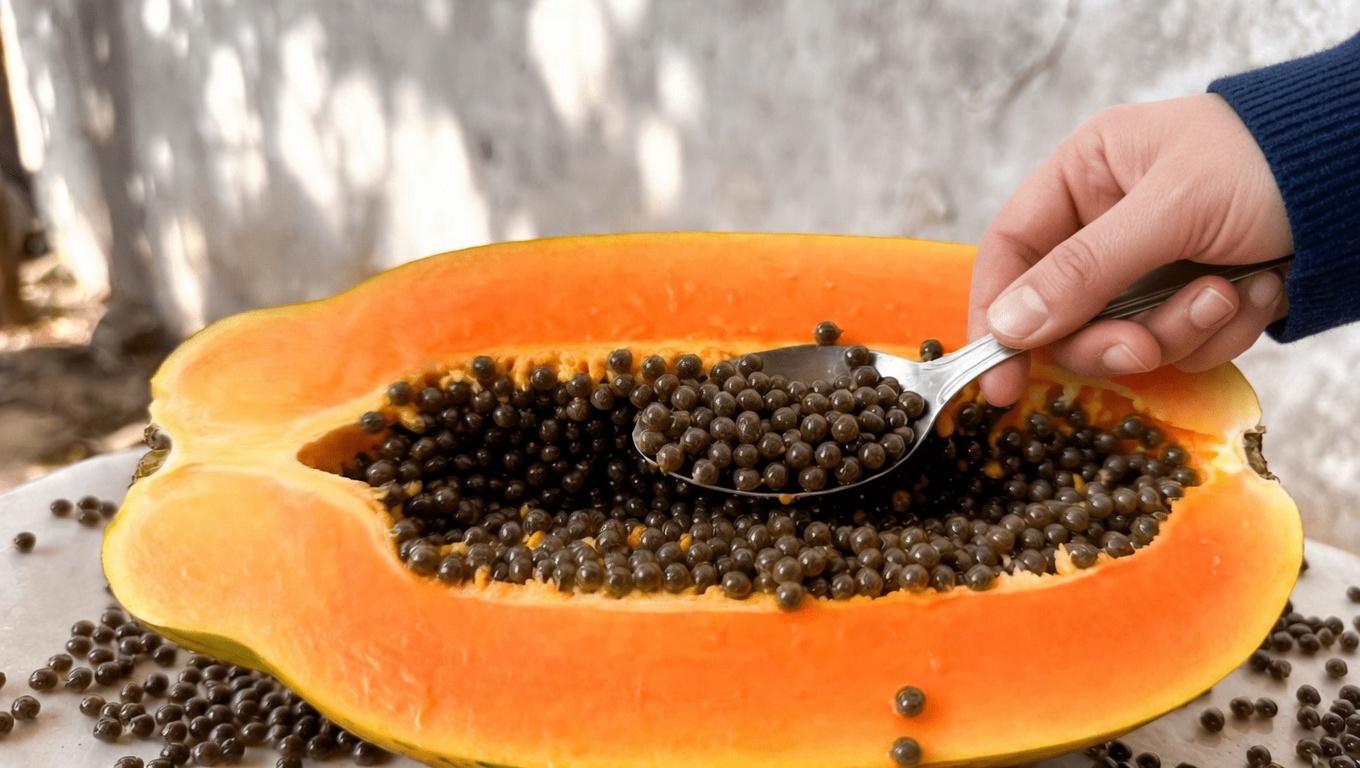
Easy Ways to Use Papaya Seeds (Start Small)
If you’re curious about adding papaya seeds to your diet, begin with a small amount to adjust to their strong, peppery bite.
- In smoothies
- Blend ½–1 teaspoon of ground seeds for a simple nutrition boost.
- On salads
- Sprinkle crushed seeds like a bold, peppery topping for extra texture.
- As tea
- Steep 1 teaspoon in hot water for 5–10 minutes as a gentle, warming option.
- As a seasoning
- Dry and grind them, then use them like black pepper on vegetables, soups, or proteins.
- Raw (with caution)
- If you enjoy intense flavors, start with about ½ teaspoon and see how your stomach responds.
How to Make Papaya Seed Powder at Home (Step-by-Step)
Making your own papaya seed powder is simple and keeps ingredients fresh.
- Scoop seeds from a ripe papaya and rinse with cool water to remove the pulp.
- Pat dry, then spread the seeds in a single layer on a clean tray.
- Air-dry in a shaded, well-ventilated area for 5–7 days until crisp.
- Grind into a fine powder using a blender, spice grinder, or mortar and pestle.
- Store in an airtight jar in a cool, dry place (often stable for months).
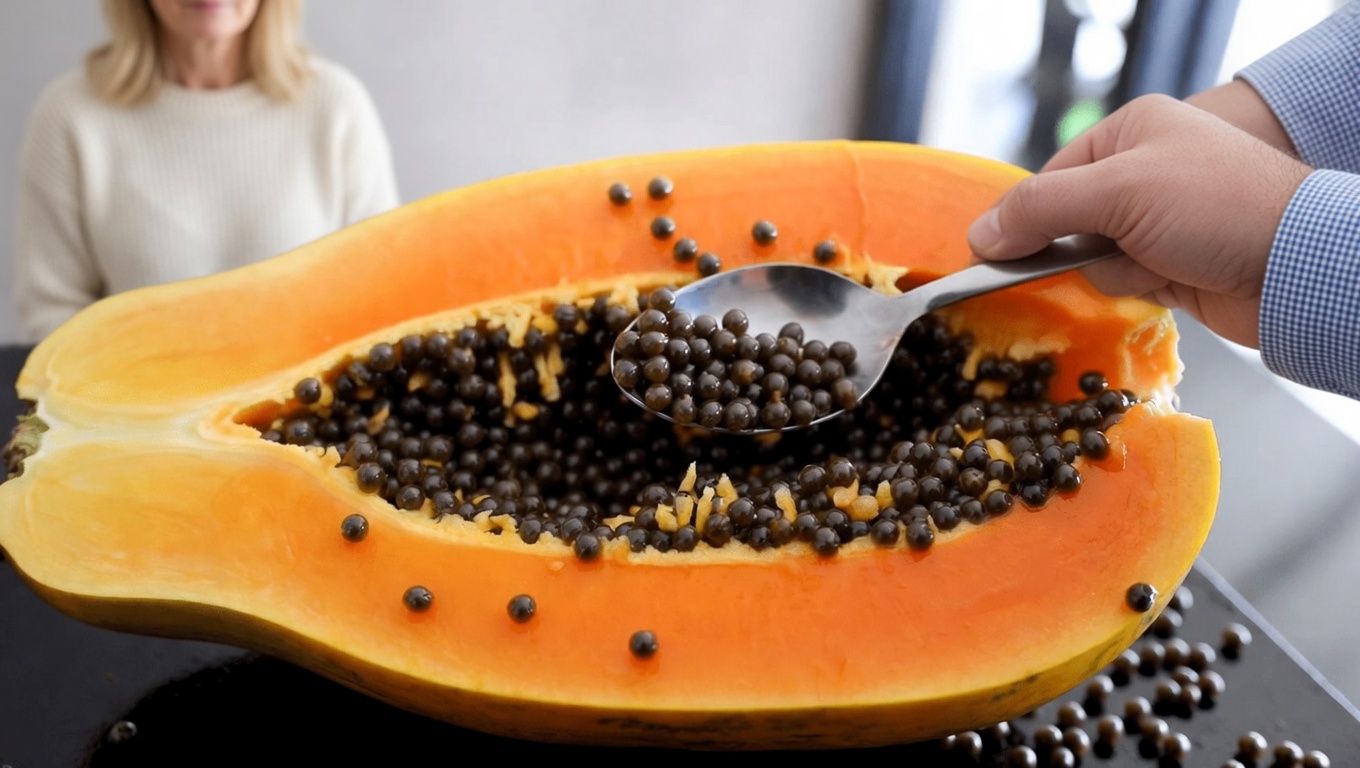
Where to Find Papaya Seeds
The simplest source is a fresh papaya from a grocery store or local market—your seeds are already inside. If you prefer convenience, you can also buy organic papaya seeds or papaya seed powder online or in health food stores. Look for reputable brands with clear sourcing and quality details.
Safety and Precautions (Read Before Using)
Papaya seeds can be potent, so moderation matters.
- Start with ½–1 teaspoon per day to reduce the chance of digestive discomfort.
- Avoid papaya seeds if you have a latex allergy, as cross-reactivity may occur.
- Pregnant or breastfeeding individuals should avoid papaya seeds due to potential effects suggested in studies.
- If you take medications (such as blood thinners or blood pressure drugs) or have ongoing health conditions, consult a qualified healthcare provider before using them regularly.
- More is not better—high intake may increase the risk of unwanted effects.
Final Takeaway: A Small Habit With Big Potential
Papaya seeds can transform what many people treat as kitchen waste into a simple, low-cost addition to a wellness-focused routine. From digestive support to antioxidant content, they’re easy to experiment with—especially when used in small amounts as a seasoning or powder. Next time you slice open a papaya, consider saving the seeds instead of discarding them.
Frequently Asked Questions
Are papaya seeds safe to eat every day?
For most healthy adults, yes—when used in moderation, typically no more than 1–2 teaspoons per day. Start small and stop if you notice stomach upset.
Do papaya seeds really help with parasites?
Some small studies and traditional practices suggest potential support for certain intestinal parasites, but papaya seeds are not a replacement for medical treatment. Speak with a healthcare professional if you suspect parasites.
Can I eat papaya seeds during pregnancy?
It’s best to avoid papaya seeds during pregnancy, as some compounds in the seeds may pose risks based on study findings.
Disclaimer
This article is for informational purposes only and does not provide medical advice. Consult a qualified healthcare professional before changing your diet, especially if you have medical conditions or take medications. Results vary by individual, and further research is often needed to confirm potential benefits.