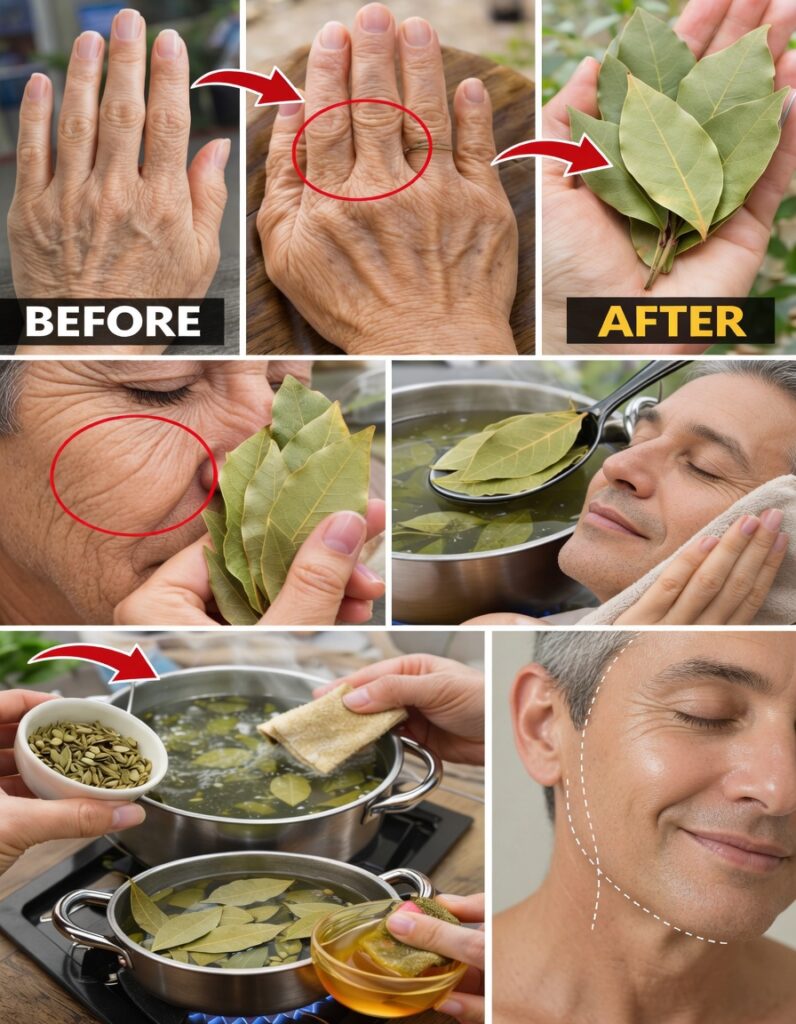
Bay Leaves for Skin Care: A Natural, Kitchen-Friendly Option for Gentle Support
With age, many of us start noticing subtle shifts in skin texture—fine lines become more visible, and that “fresh” look can feel harder to maintain. These changes are often tied to everyday influences such as UV exposure, stress, and the body’s natural decrease in collagen over time. Although the market is full of products claiming instant results, more people are exploring simpler, food-based approaches that can complement a consistent routine.
Bay leaves—best known as an everyday culinary herb—are now gaining attention beyond the kitchen. Their long-standing role in traditional wellness practices, paired with growing interest in plant-based compounds, has sparked curiosity about how bay leaves may support skin wellness in gentle, practical ways.
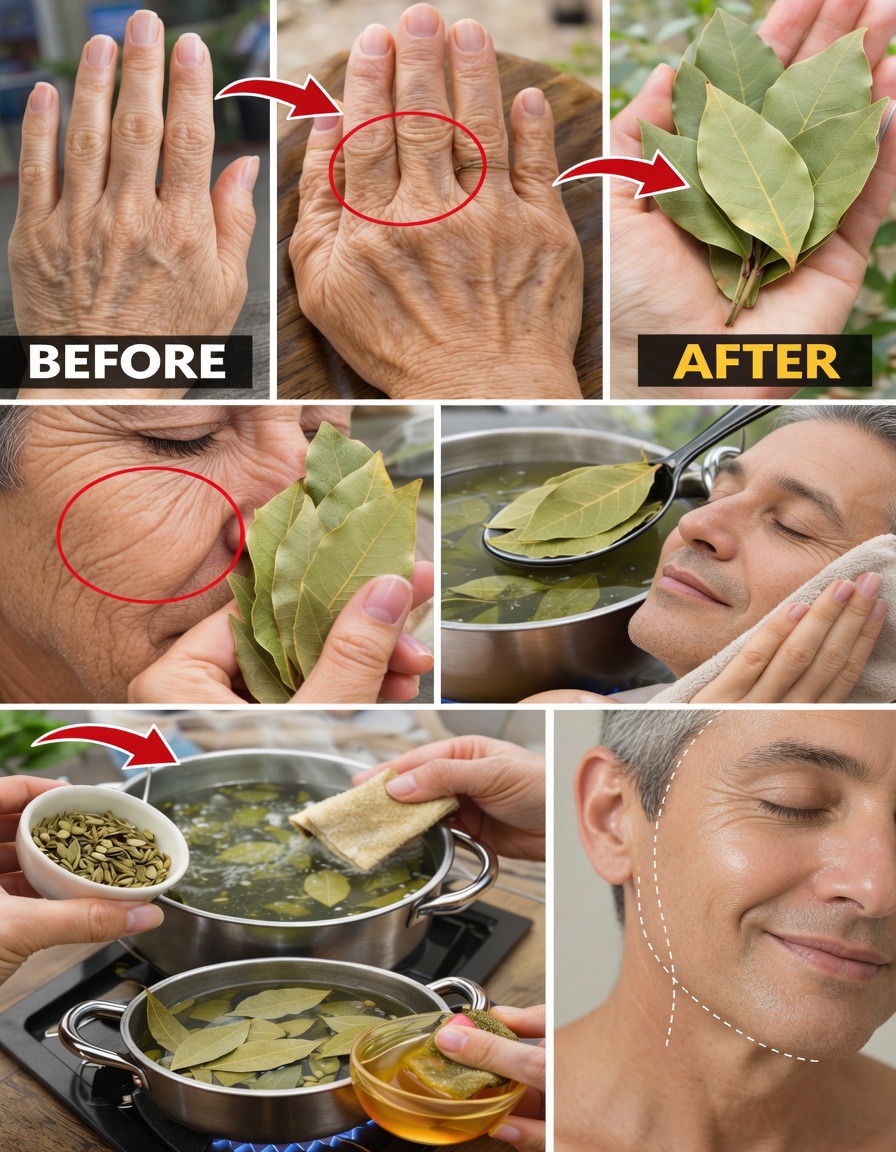
Why Bay Leaves Are Showing Up in Natural Beauty Conversations
Bay leaves (Laurus nobilis) contain a mix of naturally occurring components that researchers often associate with skin-supportive properties. These include:
- Essential oils, commonly featuring 1,8-cineole
- Polyphenols and flavonoids, widely recognized for antioxidant activity
- Other bioactive antioxidants that may help counter oxidative stress
Oxidative stress is frequently discussed in skin-aging research because it can contribute to visible changes over time. Alongside this, lab research also suggests bay leaves may have anti-inflammatory potential, which can be relevant for calming the skin and supporting the skin barrier.
Historically, bay leaves have been used in folk routines for general skin comfort, including soothing applications for irritation. Modern curiosity focuses on whether these traditional uses align with what early research is finding—especially for topical use or infused preparations.
What Research Suggests About Bay Leaves and Skin Wellness
Multiple studies highlight bay leaves for their antioxidant properties. In lab settings, certain extracts (such as ethanol-based extracts) have shown a strong ability to reduce lipid peroxidation—an indicator often used when evaluating oxidative damage—largely due to their phenolic content. For skin care discussions, this matters because antioxidants are commonly linked to helping skin defend against environmental stressors.
Research has also explored Laurus nobilis hydrosols (water-based byproducts from essential oil distillation). These hydrosols may contain meaningful levels of oxygenated monoterpenes and have shown antioxidant and mild wound-supportive effects in cell models. Some reviews even point to bay leaf components as promising for cosmeceutical (cosmetic + pharmaceutical-inspired) formulations.
In addition, certain animal studies that paired bay leaf extracts with other ingredients found supportive effects on markers associated with UV exposure, such as maintaining specific enzyme levels. Human clinical evidence is still limited, but these findings help explain why bay leaves are being explored as a supportive (not corrective) ingredient in natural skin routines.
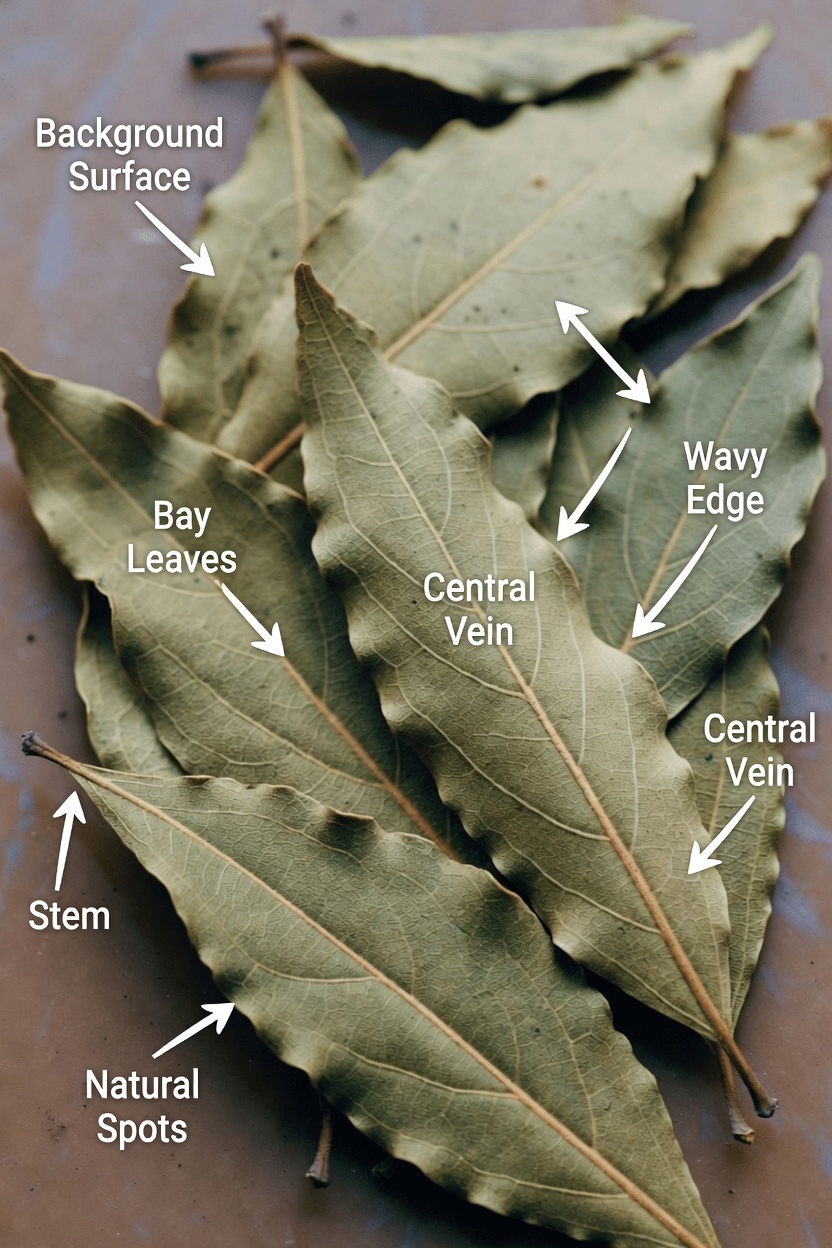
Key Bay Leaf Compounds Often Mentioned in Skin-Related Discussions
- 1,8-Cineole: Associated with soothing and antimicrobial qualities
- Polyphenols and flavonoids: Help strengthen antioxidant defenses against free radicals
- Eugenol and related compounds: Frequently linked to anti-inflammatory activity
Together, these compounds fit into broader research interest around plant-based antioxidants and their role in supporting skin resilience.
Traditional vs. Modern Ways People Use Bay Leaves for Skin
For generations, bay leaves have appeared in home wellness traditions for comfort and cleansing. Today, the approach has evolved into gentler, lifestyle-friendly methods—especially:
- Warm infusions used as compresses
- Facial steams for an aromatic, spa-like ritual
- Natural toner-style applications made from diluted infusions
Because bay leaf essential oil can be irritating for some individuals, it’s important to approach topical use thoughtfully. If you’re trying bay leaves on skin for the first time, patch testing is a must.
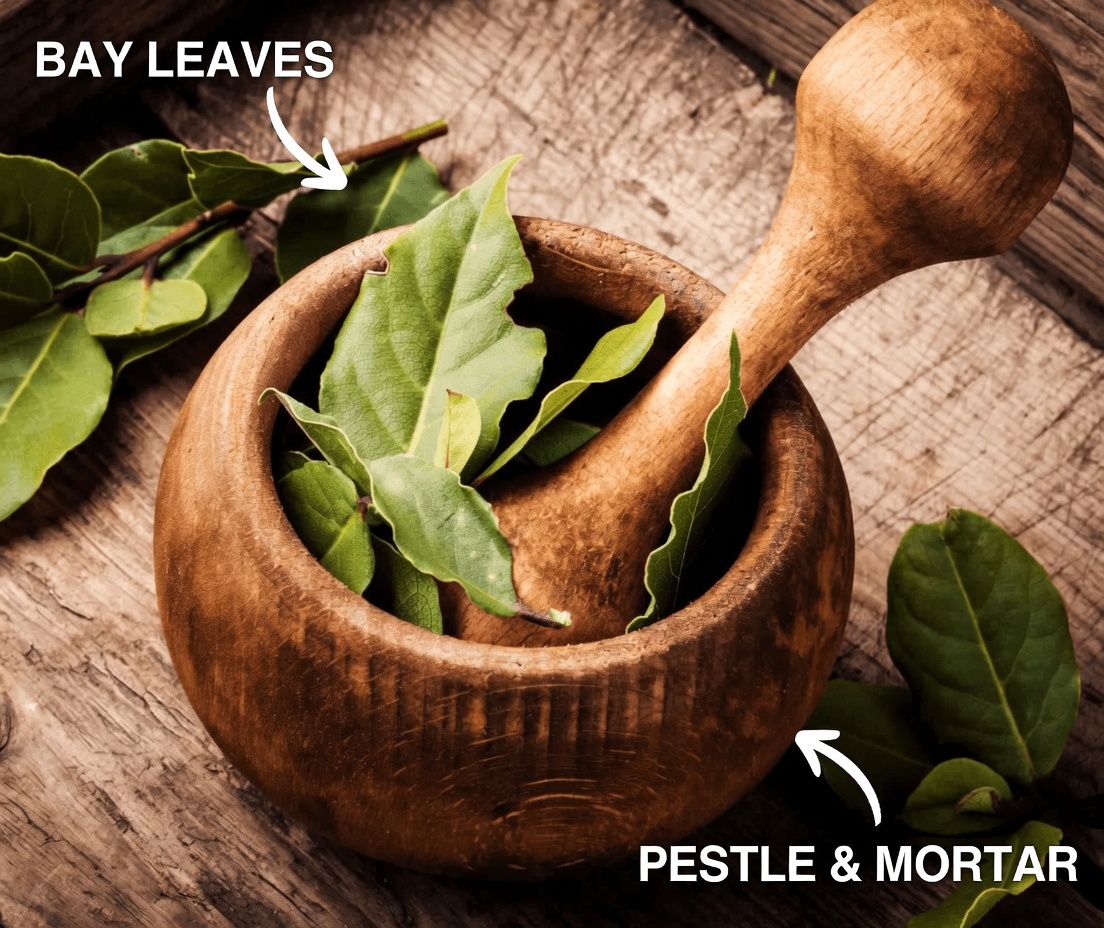
Easy, At-Home Bay Leaf Infusion (Beginner-Friendly)
If you want a simple way to experiment, a bay leaf water infusion is one of the most accessible options.
Bay Leaf Infusion Recipe
-
Ingredients
- 5–7 dried bay leaves
- 2 cups water
-
Simmer
- Add bay leaves to water and simmer gently for 10–15 minutes.
- Turn off heat and allow it to cool completely.
-
Strain + Store
- Strain out the leaves.
- Pour the liquid into a clean container and refrigerate.
- Use within up to 1 week.
How to Use It
- Compress method: Soak a clean cloth in the cooled infusion, apply to clean skin for 10–15 minutes, then rinse or gently pat dry.
- Rinse method: Use as a final rinse after cleansing.
- Steam method: Add the infusion (or freshly simmered leaves) to a bowl for a facial steam.
Optional Add-Ons
- Combine with gentle botanicals like chamomile for extra soothing potential.
Many people report subtle improvements only with consistent, gentle use over time—think weeks rather than days.
Bay Leaf Facial Steam (Popular Option)
- Boil water and add a few bay leaves.
- Remove from heat, lean over the steam at a safe distance, and drape a towel over your head.
- Steam for 5–10 minutes.
This method is often used for relaxation and to help soften the feel of skin during a routine.
Safety Notes and Practical Tips
Bay leaves are widely considered safe in normal culinary use, and some cosmetic references note that bay leaf-derived ingredients are generally tolerated. Still, concentrated forms can be a problem for sensitive skin.
- Always patch-test before applying to your face
- Avoid using undiluted essential oil directly on skin
- Stop use if you notice redness, burning, itching, or swelling
- If pregnant, breastfeeding, or managing a skin condition, seek professional guidance first
- Those with known sensitivities to the Lauraceae plant family should consult a clinician before trying topical use
Conclusion: A Simple, Low-Cost Addition to a Skin-Support Routine
Bay leaves aren’t a miracle fix for wrinkles or aging skin, but they are an affordable, accessible plant ingredient with a compelling combination of antioxidant and soothing compounds. Supported by traditional use and early-stage research, bay leaf infusions and steams may be a pleasant way to complement a consistent skin care routine—especially if you enjoy natural, kitchen-based wellness habits.
Frequently Asked Questions
Can bay leaves replace professional skin treatments?
No. Bay leaves can be used as a complementary, natural option, but they do not replace dermatologist-recommended care. For persistent or significant concerns, consult a qualified professional.
How often can I use bay leaf infusion on my skin?
Begin with 2–3 times per week and watch how your skin reacts. Some people may tolerate more frequent use, but it’s best to adjust based on sensitivity.
Are there side effects to using bay leaves topically?
Possible side effects include irritation or allergic reactions, especially with concentrated preparations. Patch-test first and discontinue immediately if irritation appears.
Disclaimer
This article is for informational purposes only and does not provide medical advice. These statements have not been evaluated by the FDA. Bay leaves are not intended to diagnose, treat, cure, or prevent any disease. Consult a healthcare professional before starting any new routine, particularly if you have skin conditions, allergies, or sensitivities.