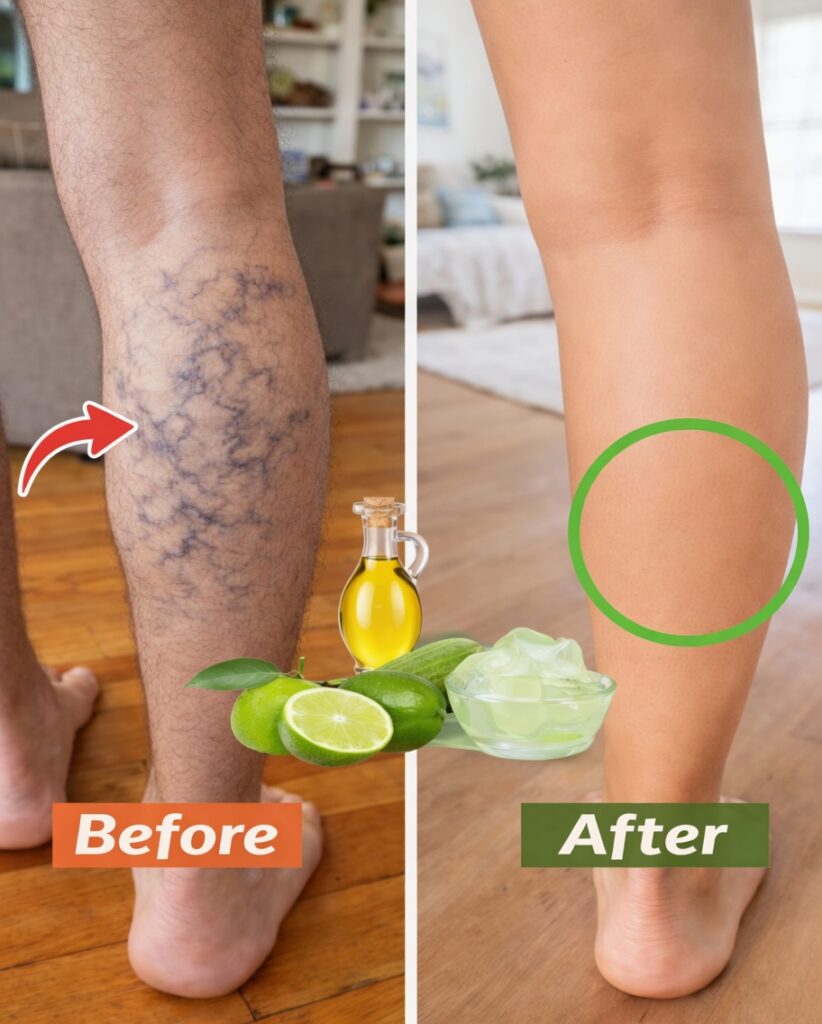
Varicose Veins: When “Just Cosmetic” Turns Into Daily Discomfort
Varicose veins—the visible, rope-like veins that bulge under the skin—aren’t only an appearance issue. For many people, they bring heaviness, tenderness, itching, and pain that can make everyday movement uncomfortable. In fact, varicose veins are extremely common in older adults, affecting a significant share of people over 50.
Now consider a simple trio you may already have at home: aloe vera, apple cider vinegar (ACV), and lemon. Used thoughtfully, these familiar ingredients may help soothe irritation, support circulation, and improve the look and feel of skin around affected areas.
Before you continue, ask yourself: on a scale of 1–10, how much do varicose veins disrupt your daily life? Keep your number in mind as you explore the approach below.
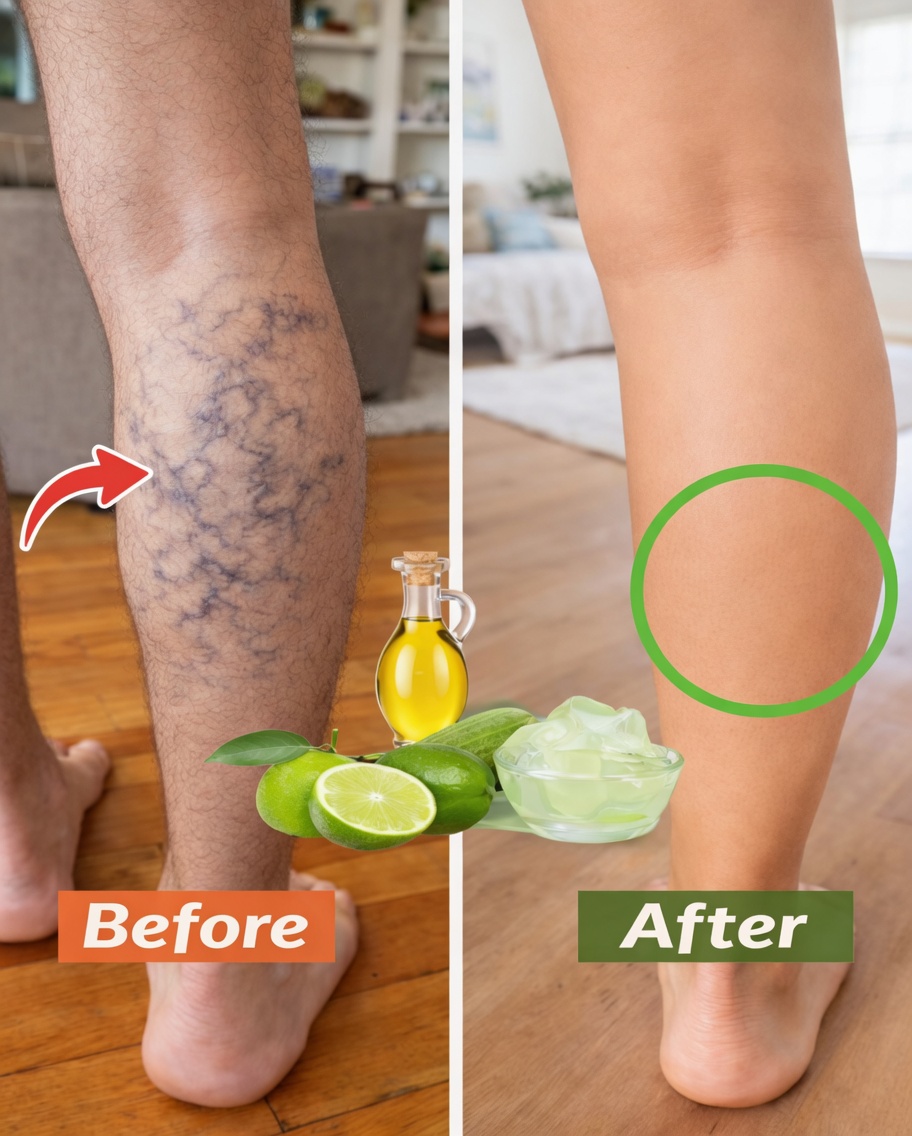
The Real Impact of Varicose Veins (Beyond the Surface)
As the body ages, vein valves can weaken and circulation may become less efficient—one reason varicose veins become more noticeable over time. The American Society for Vascular Surgery reports that a large portion of adults experience varicose veins, and women are affected more often than men.
While many people start with compression stockings or store-bought creams, these options often focus on symptom relief rather than the underlying contributors such as poor circulation and local inflammation. A natural routine won’t “cure” varicose veins, but it may help reduce discomfort, calm irritated skin, and support healthier-looking legs when used consistently.
Why Aloe Vera, Apple Cider Vinegar, and Lemon Are Often Used Together
These three ingredients are popular in home care routines because they bring different strengths:
- Aloe vera is widely used for its cooling and soothing feel on sensitive or irritated skin.
- Apple cider vinegar contains acetic acid and is traditionally used in wellness routines aimed at supporting circulation.
- Lemon provides vitamin C, an important nutrient involved in collagen production, which supports skin structure.
Together, they create a simple blend that targets three common concerns linked with varicose veins: inflammation-like discomfort, sluggish circulation, and dry or uneven skin texture.
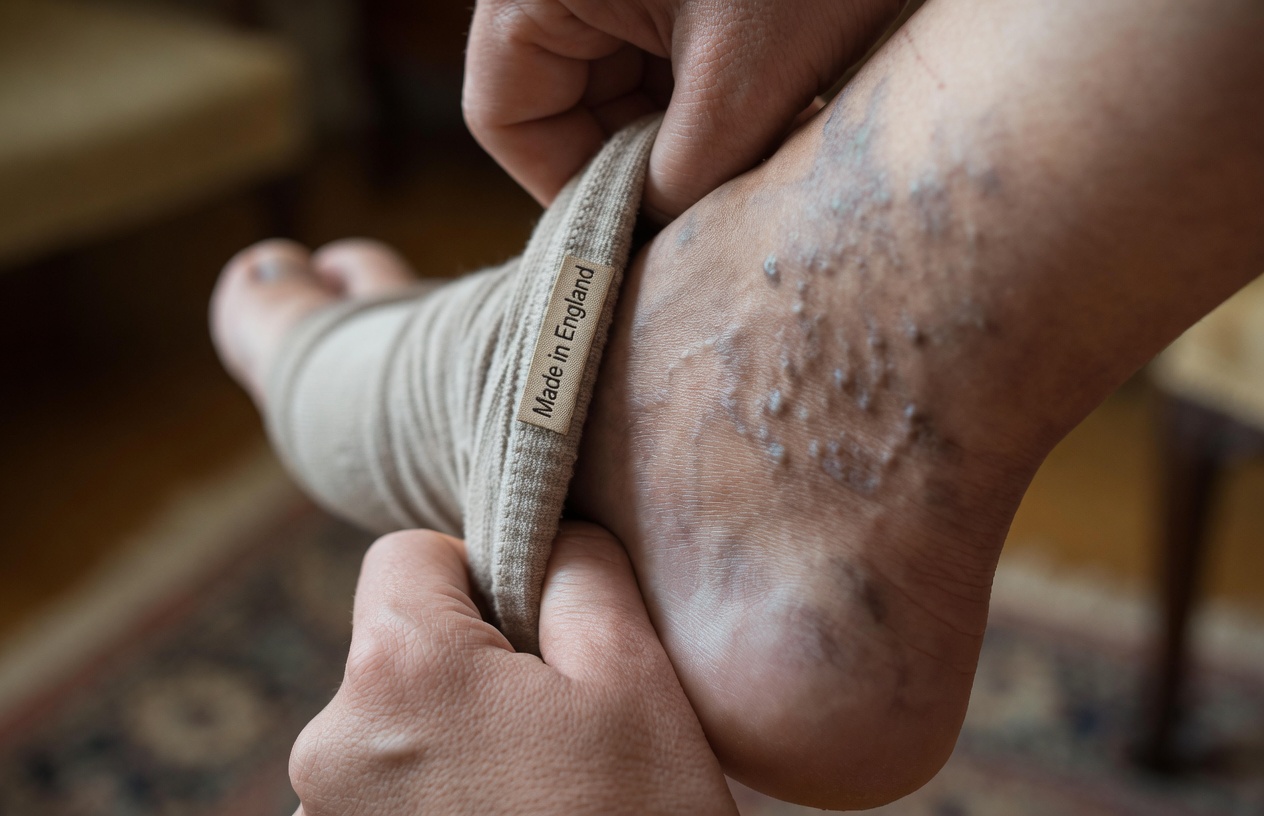
Key Potential Benefits of This Kitchen Remedy
1) May Help Calm Swelling and “Heavy Legs”
If your legs feel puffy, tight, or tired by the end of the day, aloe’s naturally soothing profile may be helpful. A 2019 study in the Journal of Ethnopharmacology noted aloe’s topical anti-inflammatory potential, which may translate into less visible redness and a more comfortable feeling in irritated areas.
Practical tip: chilling the mixture before use can add an extra cooling sensation.
2) May Support Circulation-Related Comfort
Many people with varicose veins report cramping, aching, or stiffness—symptoms often associated with circulation challenges. ACV is commonly used in routines intended to promote better blood flow. A 2020 paper in the International Journal of Molecular Sciences discussed how acetic acid may influence processes related to vascular health.
3) Can Help Improve the Look of Dry, Rough Skin
Skin around varicose veins may appear dry or flaky, especially if the area is irritated. Vitamin C from lemon supports collagen formation, which contributes to skin elasticity and smoother appearance. A 2021 study in Nutrients highlighted vitamin C’s role in collagen synthesis and skin health.
4) Offers Antioxidant Support
Oxidative stress can affect tissues throughout the body. Lemon and aloe contain antioxidant compounds, and ACV is also used in wellness routines for its potential supportive properties. While antioxidants won’t erase varicose veins, they may help support healthier skin and overall tissue resilience.
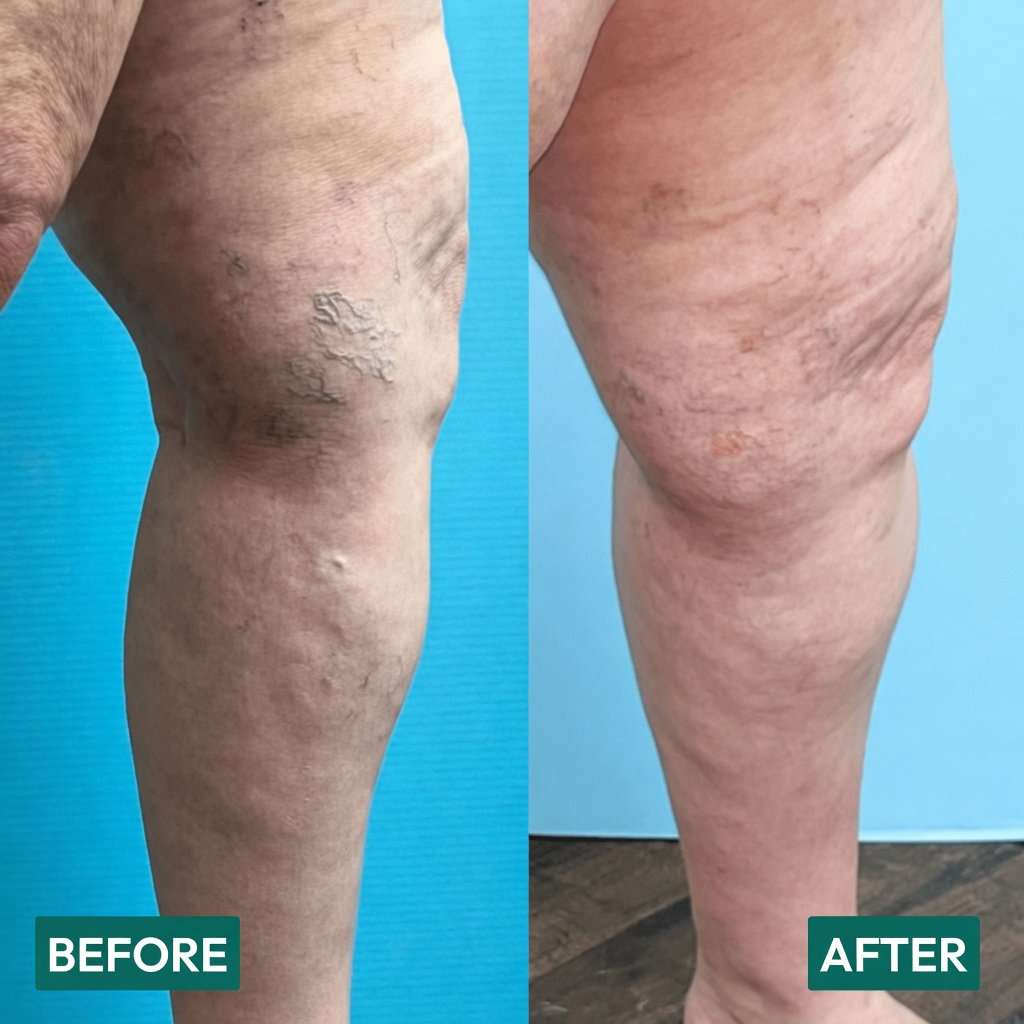
Quick Summary: What You Might Notice With Consistent Use
With regular, careful use, some people report:
- Less swelling and a lighter feeling in the legs
- Reduced irritation and improved comfort
- Smoother-looking skin around affected veins
- Better day-to-day mobility as stiffness eases
Results vary by person, severity, and consistency.
How to Use Aloe Vera, ACV, and Lemon
Option A: Topical Application (Most Common)
- Mix equal parts:
- aloe vera gel
- apple cider vinegar
- fresh lemon juice
- Apply to the legs twice daily.
- Massage gently using upward strokes (avoid aggressive pressure on painful areas).
Option B: Simple Morning Tonic (Optional)
In a glass of water, combine:
- 1 tablespoon aloe vera juice
- 1 teaspoon apple cider vinegar
- Juice of ½ lemon
Drink in the morning. If you have reflux, sensitive stomach, or take medications that may interact with acidic drinks, check with a clinician first.
Conclusion
Varicose veins can affect confidence, comfort, and everyday movement—but relief doesn’t always have to start with expensive products. Aloe vera, apple cider vinegar, and lemon form a simple, accessible routine that may help with comfort, circulation-related symptoms, and skin appearance. Used consistently and safely, this trio can be a supportive addition to a broader leg-health plan.
Frequently Asked Questions
-
Will this remedy remove varicose veins completely?
It may help reduce discomfort and improve the look of the skin, but it’s unlikely to eliminate varicose veins entirely. Medical procedures are typically required for full removal. -
How soon can I expect results?
Some people notice changes in 1–2 weeks. More visible improvement often takes 4–6 weeks of consistent use. -
Is it safe for everyone?
Many people tolerate these ingredients well, but do a patch test first—especially because lemon and vinegar can irritate sensitive skin. If you’re pregnant, have a chronic condition, or use prescription medications, consult a healthcare professional.
Disclaimer
This article is for informational purposes only and is not a substitute for professional medical advice, diagnosis, or treatment. Always consult a qualified healthcare provider for personalized guidance.