
Wild Thyme: A Natural Ally for Recurring Infections and Joint Discomfort
Recurring urinary tract infections, stubborn digestive issues, sciatica flare-ups, and ongoing joint pain can feel exhausting—especially when conventional options either don’t solve the underlying problem or bring along unpleasant side effects. A potential solution may be far more familiar than you think.
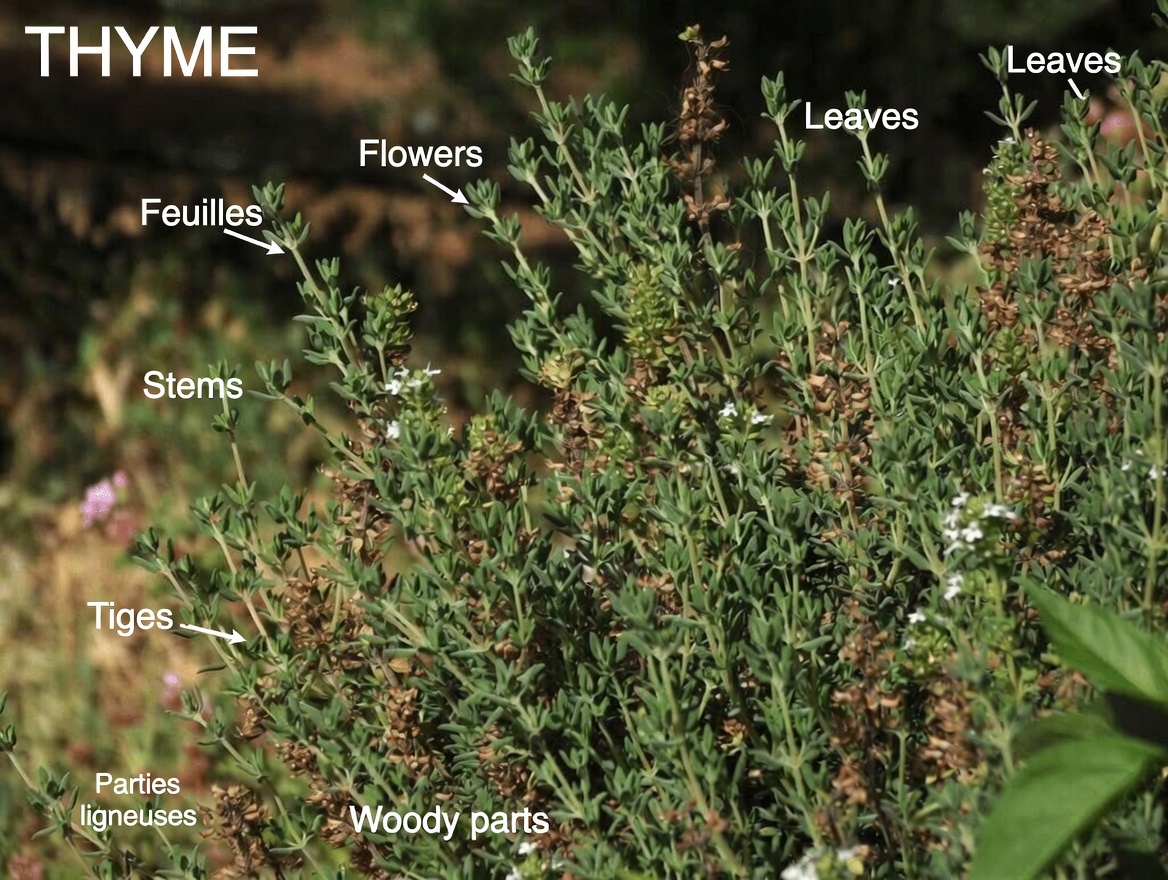
Wild thyme (Thymus serpyllum) is a small, hardy herb that grows across rocky landscapes in parts of Europe and Asia. For generations, it has been used to help defend the body against parasites, bacteria, fungi, and even certain viruses. Modern research is now catching up, exploring why this “humble” plant may offer surprisingly broad support for immunity, inflammation, and microbial balance.

Why Wild Thyme Is Considered a “Powerful Plant”
As people get older, chronic inflammation and recurring infections become more common. Arthritis-related problems affect tens of millions of adults in the United States, and UTIs remain one of the most frequent infections worldwide. Many treatments focus on short-term symptom relief, while issues like inflammation, oxidative stress, or microbial imbalance can continue in the background.
Wild thyme differs from the common kitchen herb (Thymus vulgaris) because it survives harsher conditions—often associated with a richer concentration of bioactive compounds. Its standout components include:
- Thymol and carvacrol (well-known antimicrobial compounds)
- Rosmarinic acid (noted for anti-inflammatory and antioxidant activity)
Instead of only masking discomfort, wild thyme may help address two major drivers behind many complaints: microbes and inflammation.
1) Helps Defend Against Parasites and Supports Gut Comfort
Persistent bloating, low energy, and digestive discomfort are sometimes linked to unwanted organisms in the gut. Research on thyme and its essential oils suggests antiparasitic potential, with thymol known to disrupt parasite membranes and impair their survival.
One example often shared in personal wellness circles: after adding wild thyme tea to a daily routine, some people report less bloating and improved energy. A 2024 review also pointed to thyme’s potential activity against parasites such as protozoa and helminths.
2) Targets Bacteria Linked to UTIs
UTIs are common, painful, and frequently recurring. Evidence suggests thyme essential oil has notable antibacterial effects, including against E. coli, the bacteria responsible for many urinary infections.
Mechanistically, thymol can interfere with bacterial cell membranes and internal function, slowing growth and making bacteria less able to thrive. Some people use thyme-based rinses or supportive herbal routines alongside lifestyle changes to reduce recurrence.
3) Shows Lab-Test Activity Against Herpes Viruses
For individuals dealing with herpes simplex outbreaks, management can be frustrating—especially when flare-ups return or medications cause side effects. Laboratory studies have found thyme extracts can demonstrate antiviral effects, including activity against HSV-1 and HSV-2 in controlled settings.
A German study reported that aqueous thyme extracts showed activity against both strains, suggesting thyme may be a supportive botanical option for those looking to complement standard approaches.
4) Supports the Body Against Fungal Overgrowth (Including Candida)
Candida overgrowth is often associated with fatigue, recurring irritation, and imbalance—sometimes following antibiotic use. Wild thyme has shown effectiveness against Candida albicans, a leading cause of yeast-related issues.
Studies indicate thyme oil may inhibit Candida growth, including in cases where some conventional options become less effective. People who experience post-antibiotic symptoms sometimes turn to gentle herbal support (like tea) as part of a broader recovery routine.
5) May Ease Joint Pain by Calming Inflammation
Arthritis and chronic joint stiffness can limit mobility and reduce quality of life. Wild thyme’s rosmarinic acid content is particularly interesting for inflammation control, with research linking it to reduced swelling and discomfort.
Some clinical and experimental findings suggest:
- Topical formulations containing thyme extract may help reduce knee pain in osteoarthritis
- Animal studies show thyme can reduce pro-inflammatory cytokines, chemical messengers that fuel inflammation
For many people, wild thyme works best as a complementary strategy alongside evidence-based care.
6) May Help with Sciatica and Nerve-Related Pain Patterns
Sciatica typically involves radiating pain from the lower back down the leg, often aggravated by inflammation and nerve sensitivity. Traditionally, thyme has been used for rheumatic aches and discomfort linked to inflammation.
Because wild thyme combines analgesic and anti-inflammatory properties, it may provide supportive relief for people navigating sciatica-like discomfort—especially when paired with movement therapy, posture work, and professional guidance.
Quick Check-In: What Stood Out Most?
Take a moment to reflect:
- How many wild thyme benefits have been covered so far? (6)
- What’s the most persistent issue you’re trying to improve—infection, pain, or inflammation?
- On a 1–10 scale, how would you rate your current joint comfort?
7) Supports Respiratory Health and Immune Function
Wild thyme has a long history of use for colds and seasonal respiratory discomfort. Thanks to its antimicrobial profile, thyme tea is commonly used to soothe the throat and support the body during periods of increased exposure to germs.
8) Strengthens Antioxidant Defenses
Oxidative stress plays a major role in inflammation and aging. Wild thyme contains antioxidants that help neutralize free radicals, supporting:
- Healthier immune response
- Reduced inflammatory burden
- Better long-term wellness resilience
9) Promotes Digestive Balance and Motility
Beyond parasite support, wild thyme can also assist digestion by easing gas, supporting gut motility, and reducing general digestive discomfort. For individuals prone to indigestion or bloating, a simple herbal tea routine may offer gentle daily support.
10) Helps Support Clearer, Calmer Skin
When used topically (properly diluted), wild thyme’s antibacterial and antifungal properties may benefit skin prone to irritation. People commonly explore it for concerns such as:
- Blemish-prone skin
- Mild irritation
- Areas affected by fungal imbalance
How to Use Wild Thyme Safely (Practical Options)
Adding wild thyme to your routine can be straightforward—start with a low amount and increase gradually based on tolerance and need.
-
Wild Thyme Tea
- Steep dried wild thyme in hot water and drink daily to support digestion and immunity.
-
Thyme Essential Oil (Topical Only)
- Always dilute before applying.
- Common uses include sore joints or localized skin concerns.
-
Capsules or Supplements
- A convenient option if you prefer consistent dosing without preparing tea.
Conclusion
Wild thyme (Thymus serpyllum) offers a compelling combination of antimicrobial, anti-inflammatory, and antioxidant properties. From UTIs and fungal imbalance to joint inflammation and respiratory support, it may be a valuable addition to a wellness routine—especially for people seeking broader, root-level support.
FAQ
- How do I prepare wild thyme tea?
Steep dried wild thyme in hot water for several minutes, strain, and drink. Start with a mild brew to assess tolerance.