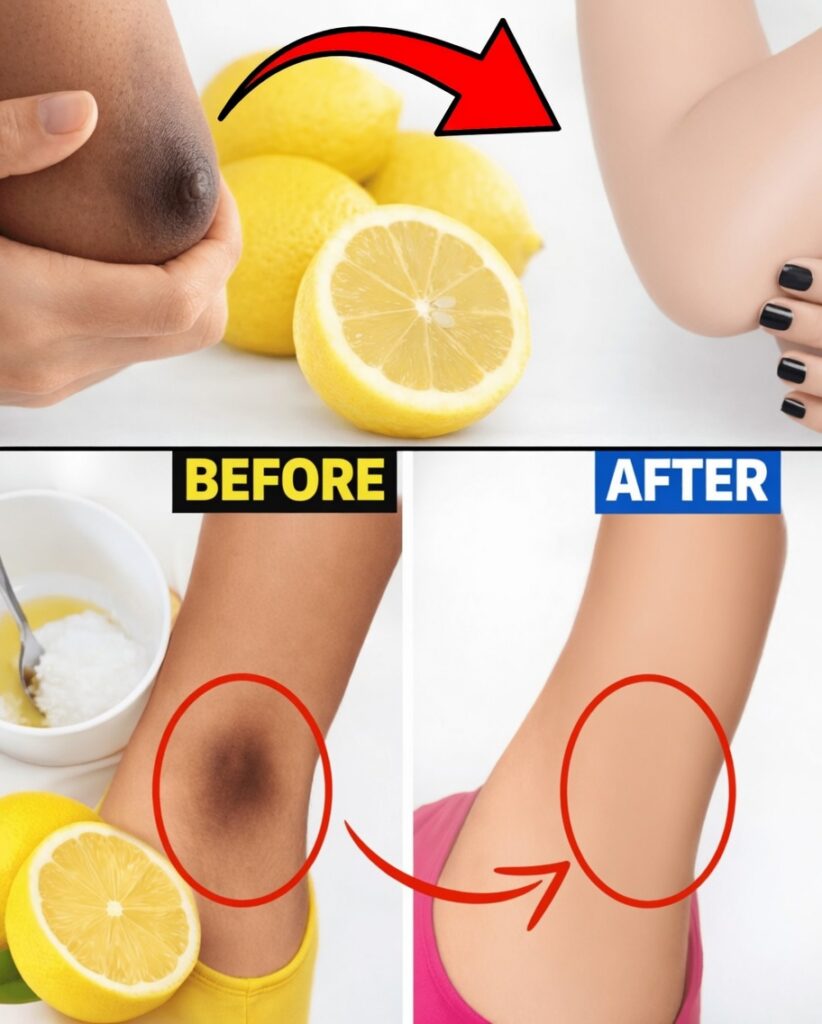
Dark Underarms: Causes, Confidence, and How to Brighten Them Safely
Noticing darker patches under your arms is far more common than most people realize. Dermatology research suggests that up to 74% of people with certain risk factors—including obesity or insulin resistance—may develop darker skin in body folds such as the underarms. While it’s a widespread concern, it can still feel personal, especially when it affects what you wear and how comfortable you feel lifting your arms in public.
Picture being able to wear sleeveless tops, swimwear, or workout gear without second-guessing your underarms. For many people, that confidence comes back through simple, consistent habits—not harsh bleaching or aggressive treatments.
This guide breaks down why underarms darken and shares 12 practical, evidence-informed strategies you can try at home, plus smart lifestyle changes that support long-term results.
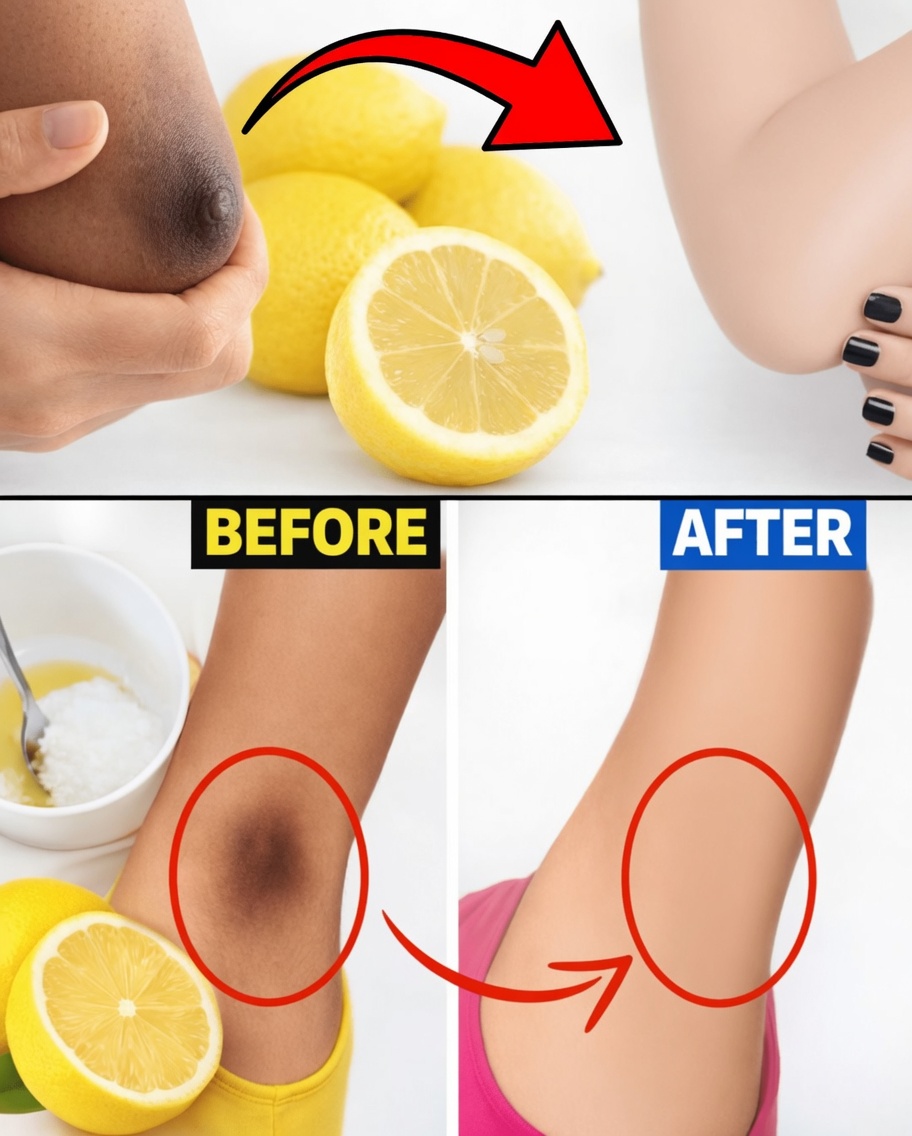
Why Dark Underarms Happen (and Why It’s So Annoying)
Dark underarms—often referred to as axillary hyperpigmentation—usually develop when the skin produces extra melanin in response to triggers such as:
- Friction (tight clothing, skin-to-skin rubbing)
- Irritation (shaving, waxing, harsh deodorants)
- Inflammation (rashes, allergic reactions)
- Underlying health factors (insulin resistance, hormonal shifts)
Many people notice changes in their 30s and 40s because everyday factors stack up: more frequent shaving, tighter activewear, sensitivity to deodorants, or weight changes that increase friction.
It’s especially discouraging when you’re trying to “do the right things,” yet the skin looks darker—or feels more irritated. Hyperpigmentation is also more noticeable and more easily triggered in deeper skin tones, where melanin can respond strongly to inflammation.
Beyond appearance, ongoing irritation can lead to persistent discomfort, recurring rashes, and sometimes can hint at broader health issues. That’s why the most effective approach isn’t just “lightening”—it’s reducing triggers and supporting healthy skin renewal.
Common Triggers: Friction, Shaving, and Deodorant Irritation
If underarm darkening started after a deodorant change or a new gym routine, you’re not imagining it. The underarm area is warm and moist, which can encourage product buildup and dead skin accumulation, making the skin look dull and uneven.
The most common external causes include:
- Friction from tight clothing, especially workout tops and bras
- Frequent shaving, which can create micro-injuries and inflammation
- Alcohol-based or heavily fragranced deodorants
- Antiperspirants that trigger irritation in sensitive skin
Quick self-check: If you shave often and regularly use scented products, those habits may be key contributors.
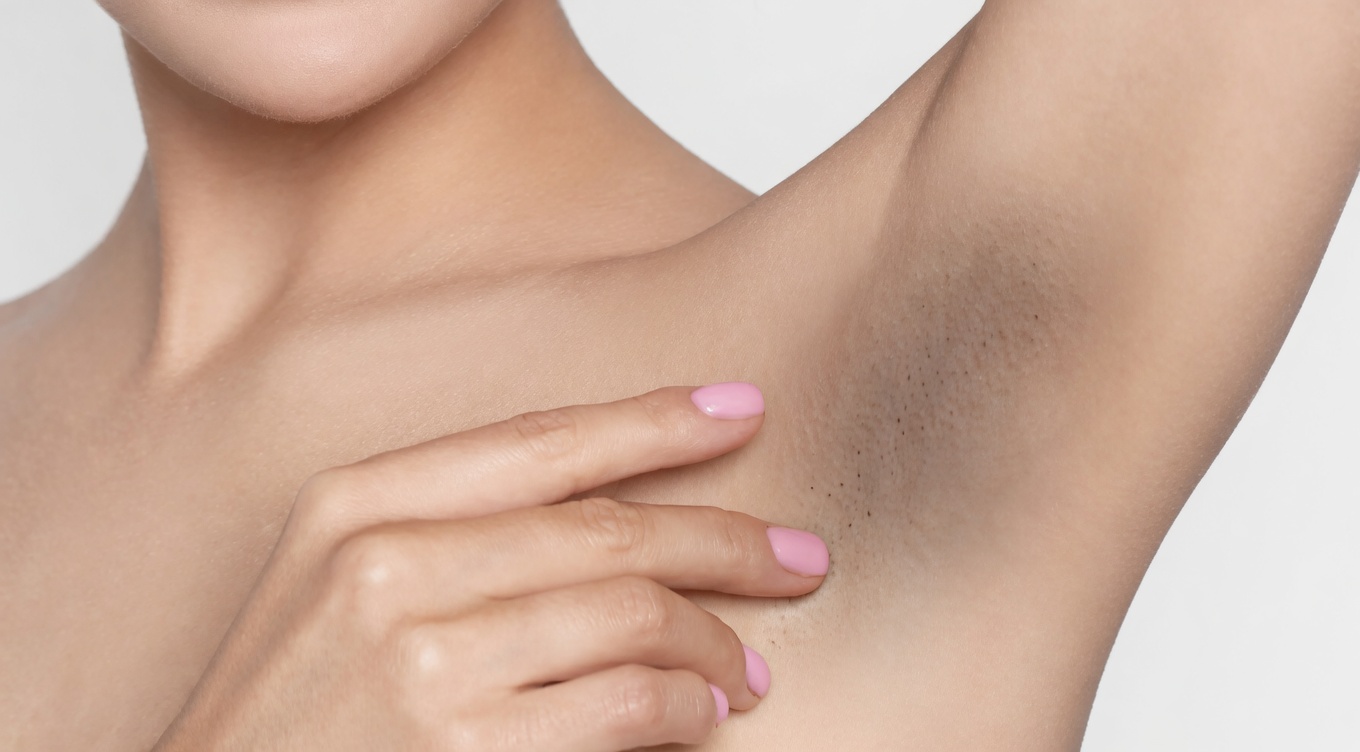
Health Connections: Insulin Resistance, Hormones, and Acanthosis Nigricans
Sometimes dark underarms aren’t only cosmetic. Darkened, velvety patches in body folds may be associated with Acanthosis Nigricans, a condition commonly linked to:
- Insulin resistance
- Obesity
- Type 2 diabetes risk
- Hormonal imbalances
In these cases, treating the skin alone may not fully solve the problem. Improving underlying factors—especially blood sugar regulation and weight-related friction—can make a visible difference over time. If the darkening is sudden, spreading, or paired with other symptoms, it’s worth discussing with a healthcare professional.
12 Practical, Evidence-Informed Ways to Lighten Underarms
Below are gentle options that focus on exfoliation, soothing inflammation, improving texture, and reducing irritation. Results usually come from steady routines, not quick fixes.
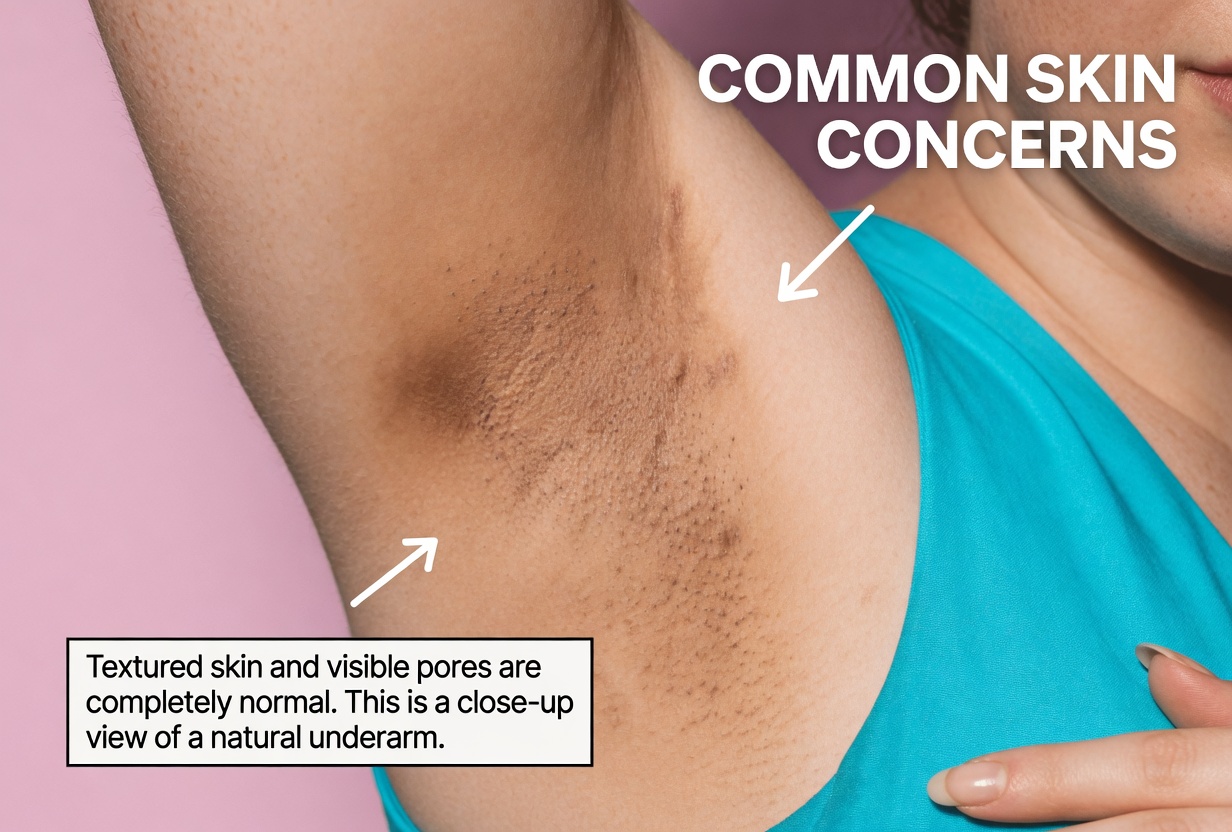
12) Gentle Exfoliation with a Baking Soda Paste
If your underarms feel rough or look dull, mild exfoliation can help remove dead skin buildup.
How to use:
- Mix 1–2 tablespoons of baking soda with water or a gentle carrier oil to form a paste.
- Apply to clean underarms 2–3 times per week.
- Massage lightly for 1–2 minutes, then rinse.
Tip: Adding a small amount of olive oil may reduce dryness. Stop if you notice stinging or redness.
11) Apple Cider Vinegar (ACV) Toner for pH Support
Diluted ACV may help with pH balance and odor-causing bacteria, which can reduce irritation-related darkening for some people.
How to use:
- Dilute ACV with water in a 1:2 ratio.
- Apply with a cotton pad after showering.
- Leave on 5–10 minutes, then rinse.
- Use 3–4 times weekly.
Important: Always patch test—ACV can irritate sensitive skin.
10) Olive Oil + Sugar Scrub for Softening and Smoothing
This combo offers gentle exfoliation plus moisture support—useful when friction has left the skin dry or textured.
How to use:
- Combine 2 tablespoons olive oil + 2 tablespoons sugar.
- Massage gently for 1–2 minutes, rinse well.
- Repeat twice weekly.
9) Diluted Lemon Juice (Use Carefully)
Lemon contains citric acid, which can lightly exfoliate and brighten, but it can also cause irritation.
How to use:
- Dilute lemon juice with water (1:3).
- Apply for 5–10 minutes, then rinse.
Safety note: Avoid if you have sensitive skin, irritation, or have just shaved. Do not use before sun exposure; consider sun protection for nearby exposed areas.
8) Potato Juice Mask (Mild Brightening)
Potatoes contain enzymes some people use for gentle brightening over time.
How to use:
- Grate a potato and extract the juice.
- Apply to underarms for 15 minutes.
- Use daily or several times per week.
7) Aloe Vera Gel for Daily Soothing
Aloe vera is known for calming sensitive skin and supporting recovery from irritation.
How to use:
- Apply a thin layer of fresh aloe gel nightly.
- Leave on or rinse after 20–30 minutes based on comfort.
6) Turmeric + Yogurt Mask (Anti-Inflammatory + Gentle Exfoliation)
Turmeric is widely used to calm inflammation, while yogurt offers mild exfoliation from natural acids.
How to use:
- Mix a small amount of turmeric with plain yogurt.
- Apply for 10–15 minutes, then rinse thoroughly.
- Repeat twice weekly.
Note: Turmeric can temporarily stain skin or fabric—use sparingly.
5) Cucumber Slices or Juice for Cooling Relief
Cucumber can hydrate and cool skin that feels irritated from shaving or friction.
How to use:
- Place cucumber slices on underarms for 15 minutes, or
- Apply cucumber juice similarly.
4) Coconut Oil as a Night Moisturizer
Keeping skin soft and protected can reduce friction-related irritation and improve texture.
How to use:
- Massage a small amount of coconut oil into clean underarms at night.
If coconut oil feels heavy or causes bumps, switch to a lighter, fragrance-free moisturizer.
3) Switch to a Fragrance-Free, Aluminum-Free Deodorant
If your underarms darkened after changing deodorants, irritation may be the driver.
What to look for:
- Fragrance-free
- Alcohol-free
- Aluminum-free (especially if antiperspirants irritate you)
Give a new deodorant 2–4 weeks to assess changes.
2) Commercial Kits (Example: Qraa Underarm Kit)
Some underarm brightening kits use ingredients such as licorice extract and aloe, which are commonly marketed for helping reduce the look of hyperpigmentation.
How to use:
- Follow the product directions precisely.
- Patch test first and discontinue if burning or rash occurs.
1) A Consistent, Gentle Routine + Lifestyle Adjustments
The most reliable results usually come from reducing triggers and staying consistent.
High-impact changes include:
- Wear looser, breathable fabrics to minimize friction
- Use a gentle moisturizer regularly
- Consider an electric razor to reduce shaving trauma
- Avoid harsh scrubs if you’re already irritated
- Address health factors (especially if signs point to insulin resistance)
With consistent care, many people see gradual improvement in tone and texture over several weeks.
Comparison Snapshot: Remedies, Evidence, and Safety
- Baking soda paste: Exfoliation; evidence is mostly anecdotal; may dry or irritate; 2–3x/week
- ACV toner: pH support; limited evidence; must be diluted; 3–4x/week
- Oil + sugar scrub: Softens + exfoliates; generally safe if gentle; avoid over-scrubbing; 2x/week
- Lemon (diluted): Mild exfoliation; higher irritation risk; avoid after shaving; occasional use
- Aloe vera: Soothing and hydrating; widely tolerated; daily
- Deodorant switch: Removes a major irritant trigger; often helpful; daily habit
Final Takeaway
Dark underarms usually develop from a combination of irritation, friction, dead skin buildup, and sometimes health-related factors. The best approach is gentle: reduce triggers, support skin recovery, and stay consistent. If the darkening is sudden, thick/velvety, or spreading, consider a medical check to rule out insulin resistance or related conditions.