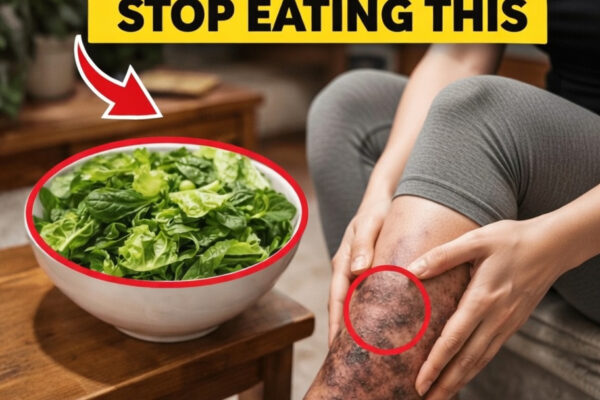
Knee Osteoarthritis and Daily Pain: How Food Choices Can Support Your Joints
More than 32 million American adults live with osteoarthritis, and knee pain is one of the most common and frustrating symptoms. Morning stiffness, a crackling sound with each step, or that split-second pause before kneeling can make ordinary tasks feel like obstacles. Over time, these limitations can shrink your world—reducing mobility and taking the joy out of activities like gardening or playing with grandchildren, especially as many people notice symptoms increasing after age 40–50.
The encouraging part is this: while cartilage doesn’t dramatically regenerate, research suggests that consistent dietary habits may help support joint lubrication, calm inflammation, and protect the cartilage you still have. Below are 12 evidence-informed foods that may support how your knees feel day to day—plus one vitamin frequently highlighted by experts for overall joint wellness. One of the most unexpected takeaways is that joint comfort may also connect to something far from your knees: your gut.

Why Knee Cartilage Tends to Wear Down With Age
As people move into their 50s and beyond, knee problems often become more noticeable—stiffness in the morning, swelling after activity, or aches that flare when the weather shifts. Research indicates that roughly 1 in 4 adults over 45 experiences knee osteoarthritis, and the likelihood rises with age. This is more than a pain issue: reduced movement can lead to less activity, weight changes, and even a drop in mood due to persistent discomfort.
Many people try creams, braces, and supplements hoping for quick cartilage repair. However, most options show limited evidence for meaningful cartilage regrowth. For many, the more realistic goal becomes supporting joints through nutrition and lifestyle patterns that may help preserve function and reduce symptom intensity over time.
Probiotics and the Gut–Joint Link (The Connection Many People Miss)
Gut health may not sound related to knee discomfort, but growing research discusses a “gut–joint axis.” In simple terms, a healthier gut microbiome may influence systemic inflammation, which is a key factor associated with joint pain and stiffness.
Easy probiotic options include plain kefir or yogurt with live cultures. Some studies suggest probiotics may help regulate inflammation connected to osteoarthritis symptoms. A practical approach is to try about 1 cup of plain kefir daily, then track changes—especially morning stiffness—over several weeks.
12 Natural Foods That May Support Knee Comfort and Cartilage Health
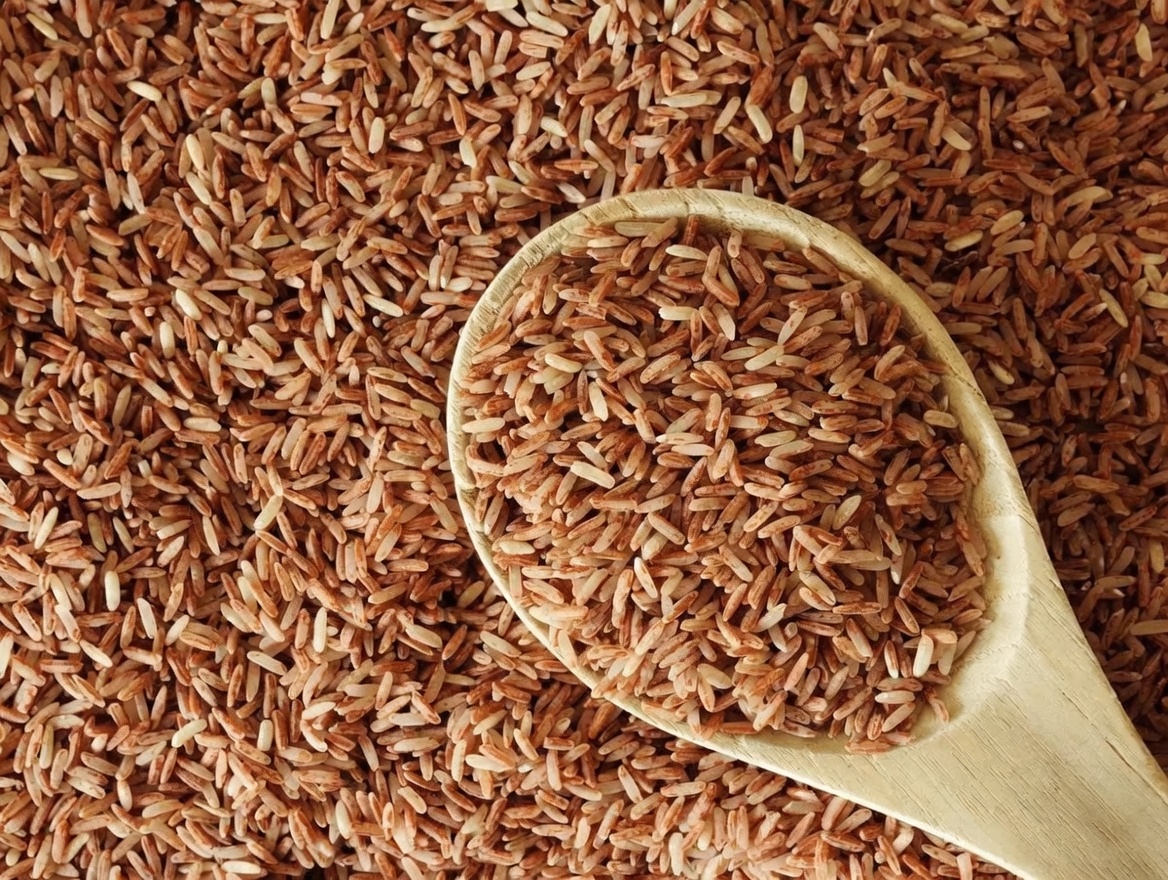
1) Brown Rice (Whole-Grain Support for Joint Lubrication)
Whole grains such as brown rice do more than provide fiber. Research notes that certain compounds found in whole grains may support factors related to joint lubrication and moisture retention.
- Try replacing white rice with brown rice.
- Aim for ½–1 cup cooked several times per week.
- For added flavor and nutrient absorption, cook it in herbs or low-sodium broth, and consider a small drizzle of olive oil.
2) Bone Broth (Collagen, Glucosamine, and Chondroitin)
Slow-simmered bone broth can release naturally occurring compounds such as collagen, plus cartilage-related nutrients like glucosamine and chondroitin—often studied for their potential role in joint support and inflammatory balance.
- Consider 1 cup daily, especially if homemade from quality bones.
- Traditional simmer times are often 12–24 hours.
A useful self-check: note whether grinding or “creaky” sensations change over time.

3) Fatty Fish (Omega-3s for Inflammation Control)
Fatty fish—such as salmon, sardines, mackerel, and herring—are rich in omega-3 fats (EPA and DHA). Multiple studies link omega-3 intake to lower inflammatory markers and improved joint function in osteoarthritis.
- Aim for 3–4 oz per serving, 2–3 times per week.
- Bake or grill, and add lemon for flavor (and extra vitamin C).
4) Blueberries (Anthocyanin Antioxidants for Joint Tissue)
Blueberries are loaded with anthocyanins, antioxidants that help defend against oxidative stress, a process associated with tissue wear in research models.
- Add ½ cup daily to oatmeal, yogurt, or smoothies.
- Fresh or frozen both work well.
5) Sulfur-Rich Foods (Asparagus, Eggs, Garlic)
Sulfur plays a role in collagen formation, which supports joint structure. Helpful everyday sources include:
- Eggs (often 1–2 daily if appropriate for your diet)
- Garlic used in regular cooking
- Asparagus about 3–4 times per week
6) Pineapple (Bromelain for Swelling and Comfort)
Fresh pineapple contains bromelain, an enzyme researched for potential benefits related to swelling reduction and comfort in osteoarthritis symptoms.
- Choose fresh pineapple when possible.
- Try about 1 cup of pineapple chunks daily in salads or smoothies.
7) Nuts and Seeds (Minerals + Healthy Fats)
A mix of almonds, walnuts, flaxseeds, and pumpkin seeds can provide nutrients often associated with bone and joint support, including magnesium, zinc, boron, and plant-based omega-3s.
- A simple goal: one small handful daily.
8) Legumes and Beans (Plant Protein + Building Blocks)
Lentils, chickpeas, and black beans provide protein, fiber, and micronutrients that support overall tissue health.
- If digestion is a concern, soak beans overnight and cook thoroughly.
- Rotate legumes through soups, salads, and grain bowls.
9) Avocado (Healthy Fats for Joint Lubrication)
Avocado offers monounsaturated fats and vitamin E, which supports antioxidant defenses.
- Try ½ avocado daily on toast, in salads, or blended into sauces.
10) Cruciferous Vegetables (Broccoli, Cabbage, Kale)
Cruciferous vegetables provide vitamin C and sulfur-containing compounds linked to collagen synthesis and tissue maintenance.
- Light steaming helps preserve nutrients.
- Add them to stir-fries, soups, or side dishes.
11) Extra-Virgin Olive Oil (Anti-Inflammatory Fat Choice)
Olive oil is a practical swap for more inflammatory fat sources and supports overall dietary patterns associated with healthier inflammation levels.
- Use it as a dressing or finishing oil.
- Pair with vegetables or whole grains for better meal quality.
12) Vitamin C–Rich Produce (Collagen Support)
While cruciferous vegetables help, other vitamin C sources—like citrus, bell peppers, and strawberries—also support collagen production, an important structural protein for joints.
- Include at least one vitamin C–rich food daily.
A Simple 8-Week Plan to Test What Works for You
-
Weeks 1–2: Prioritize kefir + brown rice
- Example: 1 cup kefir daily, ½ cup cooked brown rice most days
- Goal: notice changes in morning stiffness
-
Weeks 3–4: Add bone broth + fatty fish
- Example: 1 cup bone broth daily, fish 2–3 times weekly
- Goal: support inflammation management and comfort
-
Weeks 5–8: Rotate in berries, pineapple, nuts/seeds, legumes, and more vegetables
- Goal: improve daily mobility and consistency of knee comfort
Foods to Limit if You’re Managing Joint Inflammation
Some foods are associated with higher inflammatory load and may worsen symptoms for certain people:
- Processed meats
- Sugary snacks and sweetened drinks
- Refined carbs (white bread, pastries)
- Excess saturated fats
Some individuals also report sensitivity to nightshades (tomatoes, peppers, eggplant). If you suspect this affects you, test it carefully and individually.
The Key Nutrient Many Experts Emphasize: Vitamin D
Among nutrients studied for osteoarthritis and joint discomfort, vitamin D stands out. Low vitamin D levels are associated with greater joint discomfort in some research, and vitamin D supports bone strength by improving calcium absorption.
Ways to support vitamin D intake include:
- Sensible sunlight exposure (varies by location/season)
- Fatty fish
- Fortified foods
- Testing and supplementation when recommended by a clinician
Small steps matter. Starting with one change—like adding kefir or a salmon meal—can build momentum toward better daily movement.
Practical Tip: A Simple Combination Many People Try
Some people pair bone broth (collagen compounds) with kefir (probiotics) as a “two-angle” approach—supporting both joint-building nutrients and the gut microbiome.
Medical Note
This article is for informational purposes only and is not a substitute for professional medical advice. Consult your healthcare provider before making dietary changes, especially if you have existing medical conditions or take medications.
FAQ
What foods may help support knee joint health naturally?
Foods commonly associated with joint support include fatty fish (omega-3s), berries (antioxidants), cruciferous vegetables (vitamin C and sulfur compounds), and bone broth (collagen-related compounds). These may help support inflammation balance and cartilage protection over time.
How can gut health relate to knee pain?
Emerging research describes a gut–joint connection, where the microbiome may influence systemic inflammation. Probiotic foods like kefir or yogurt with live cultures may help support a healthier inflammatory environment.
Is vitamin D important for osteoarthritis symptoms?
Research links adequate vitamin D with better musculoskeletal support, and low levels are common in people with joint complaints. Maintaining healthy vitamin D status may support comfort and mobility, especially alongside an overall nutrient-dense diet.