From Kitchen Waste to a Warm Herbal Infusion: Rethinking the Avocado Seed
Every day, countless people cut open an avocado, enjoy the rich green flesh, and immediately discard the large pit. It’s an automatic routine—so familiar that few stop to wonder whether that “waste” might be useful.
In many traditional wellness cultures, however, avocado seeds have been treated differently. Instead of being thrown away, they’ve been repurposed alongside other plant ingredients in simple, everyday rituals. This long-running practice reflects a broader idea: with a mindful approach, ordinary foods can sometimes play a gentle role in a balanced lifestyle.
If you’ve ever wondered whether that seed could become part of a soothing plant-based drink, keep reading—near the end you’ll find an easy method many people use, plus why interest in this blend is growing again.
Why Avocado Seeds Are Being Discussed Again
An avocado seed is not a small byproduct. It can represent roughly 13–17% of the fruit, and studies have identified a range of naturally occurring compounds inside it—such as phenolics, flavonoids, and other bioactive components. Scientific reviews and exploratory research have investigated avocado seed extracts for potential antioxidant activity, and some laboratory and animal studies have also suggested possible anti-inflammatory effects (including work referenced by Penn State University and other academic sources).
That said, it’s important to keep the evidence in perspective:
- Much of the current research is based on test-tube or animal models
- There is still a lack of large, well-controlled human trials
- Traditional uses are generally framed as general well-being practices, not medical treatment
At the same time, today’s renewed attention is also driven by sustainability. More people are exploring avocado seed uses as part of waste-reduction habits—turning a routinely discarded ingredient into something purposeful.
The Traditional Blend: Ingredients People Commonly Pair With Avocado Seed
This drink is often made as an infusion that combines the avocado pit with aromatic, widely used botanicals. The goal isn’t just function—it’s also flavor, warmth, and comfort.
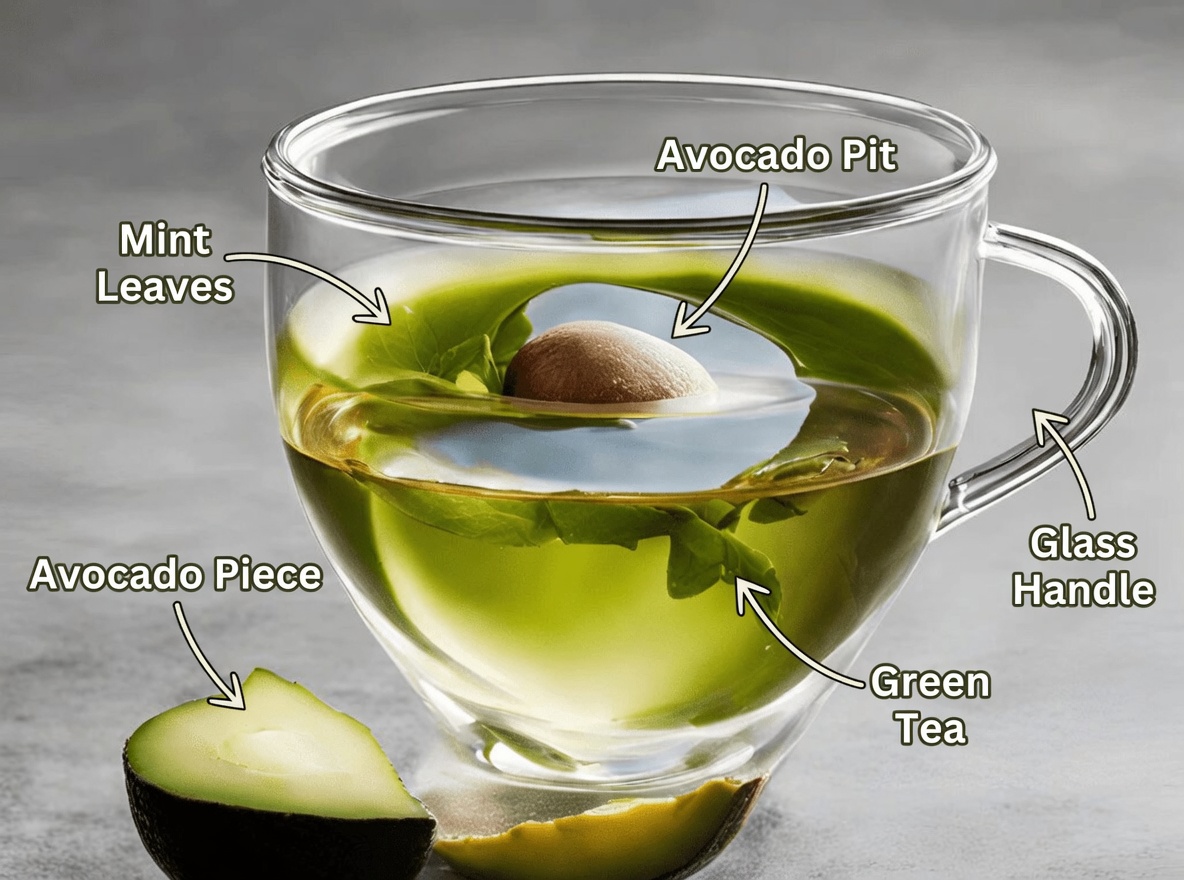
Here are the core ingredients used in this traditional-style combination:
- Avocado seed: Typically grated so more of its compounds can release during simmering.
- Dried hibiscus flowers (also known as roselle or Jamaica): Known for a deep red color and tangy taste. Hibiscus has been studied for its antioxidant content, including anthocyanins and vitamin C.
- Whole cloves: Added for a warming, spicy aroma. Cloves have a long history of traditional use for their comforting scent and culinary-herbal character.
Some research on hibiscus suggests potential support for healthy blood pressure and lipid levels in certain contexts, while cloves contribute a familiar, soothing profile that many people associate with comfort.
How to Make Avocado Seed, Hibiscus, and Clove Infusion (Step-by-Step)
This homemade infusion is simple and requires only a few minutes of hands-on effort.
- Wash and dry the avocado seed
- Clean it thoroughly, then let it dry before preparing.
- Grate the seed
- Use a fine grater to create small shavings (this helps it infuse more effectively).
- Combine the ingredients
- Add to a pot:
- grated avocado seed
- a handful of dried hibiscus flowers
- a small handful of whole cloves
- Add to a pot:
- Add water
- Pour in 3 cups of fresh water.
- Simmer
- Bring to a boil, then reduce heat and simmer for about 15 minutes.
- Strain and serve
- Strain out solids and enjoy the drink warm.
The finished infusion is typically reddish with an earthy, tart, spice-forward aroma that many people find calming.
How People Traditionally Drink It (A Simple Routine)
In many traditional approaches, the focus is on regularity rather than dramatic, instant effects. A commonly shared routine is:
- 1 cup in the morning (often on an empty stomach)
- 1 cup in the evening (often before bed)
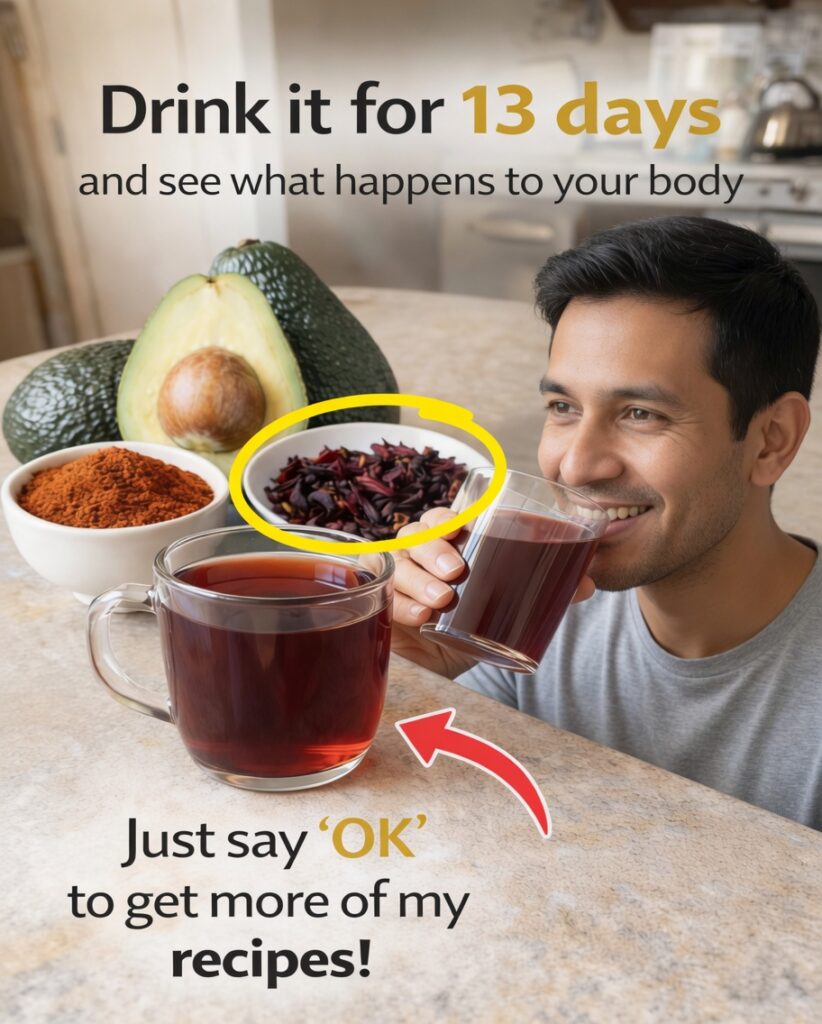
Some practices follow this for up to 13 consecutive days, then take a pause to observe how the body responds. Rather than strict rules, the emphasis is usually on mindful adjustment and paying attention to personal comfort.
Wellness Associations in Traditional Use (Not Medical Claims)
In cultural and family traditions, infusions like this are often described as gentle “supportive” additions to a healthy lifestyle. People commonly associate them with:
- Awareness of balanced blood sugar
- A sense of smoother circulation
- Greater comfort and relaxation
- Support for vitality and daily well-being
These are traditional associations and personal experiences—not proven medical outcomes. While early research on ingredients (like avocado seed antioxidants or hibiscus studies related to blood pressure) offers context, it does not replace qualified medical guidance.
Traditional roles often mentioned for each ingredient
- Avocado seed: explored in preliminary research for antioxidant potential
- Hibiscus: traditionally used as a refreshing botanical; studied for possible effects on blood pressure and lipids
- Cloves: valued for a warming aroma and traditional ties to digestive comfort
Together, they create a blend that many people enjoy for both its flavor and its connection to older, low-waste routines.
The Bigger Trend: Rediscovering Everyday Ingredients
There’s a growing shift toward using practical, kitchen-available items with less waste. Avocado seeds are a clear example: what used to be automatic trash can become part of an intentional habit. Research interest in fruit byproducts also highlights how “discarded” parts of plants may contain meaningful compounds—making reuse feel both sustainable and empowering.
This isn’t about miracle cures. It’s about curiosity, tradition, and small daily choices.
Before You Try It: A Practical Note on Safety
If this is new to you, start conservatively:
- Begin with small amounts
- Notice how your body responds
- Be aware that “natural” does not always mean risk-free
Some individuals may experience mild digestive changes or sensitivity. If you have health conditions, take medication, are pregnant, or are nursing, professional guidance is especially important.
Conclusion: Seeing the Avocado Seed Differently
The avocado seed may look like a useless pit, but traditional wellness practices suggest it can be more than that. This infusion—made with avocado seed, hibiscus, and cloves—is simple, aromatic, and rooted in long-standing habits that also align with modern sustainability.
Whether you’re motivated by reducing kitchen waste, exploring traditional plant-based drinks, or just wanting a comforting warm cup, this is one way to look at a familiar food in a new light.
FAQ
Is avocado seed infusion safe to drink?
Many people consume avocado seed infusions in traditional routines. However, most research is still preliminary and often focuses on extracts in lab or animal settings, with limited long-term human safety data. Start small and consult a healthcare professional—especially if you have medical conditions or take medications.
What does hibiscus add to this drink?
Hibiscus contributes a bright tart flavor and deep red color, and it’s known for antioxidants such as anthocyanins. Some studies suggest hibiscus may support healthy blood pressure and lipid profiles in certain cases.
Can I drink it daily over the long term?
Traditional patterns often use cycles (for example, about 13 days followed by a break). If you want ongoing use, listen to your body and seek personalized guidance from a qualified professional.
Important Disclaimer
This article is for educational and informational purposes only and is not medical advice, diagnosis, or treatment. These statements have not been evaluated by the FDA. Consult a qualified healthcare professional before starting any new dietary routine, especially if you have health conditions, are pregnant or nursing, or take medications. Individual responses vary, and natural products may interact with other substances.