Aging Eyes and Everyday Vision Changes: Why It Happens
As the years go by, many people start noticing small but frustrating shifts in vision—needing brighter light to read, feeling bothered by glare, or seeing colors as slightly less vivid. These changes often relate to normal aging in the eye’s most sensitive tissues, especially the retina and the macula.
One major driver is oxidative stress. Daily exposure to light, air pollution, and even normal metabolism can produce free radicals that slowly strain retinal cells. Over time, this wear-and-tear may make daily tasks harder and prompt concerns about maintaining clear vision long-term.
Interestingly, research is now exploring whether a familiar kitchen spice could offer gentle support for eye wellness: saffron.
Why Saffron Stands Out for Eye Health
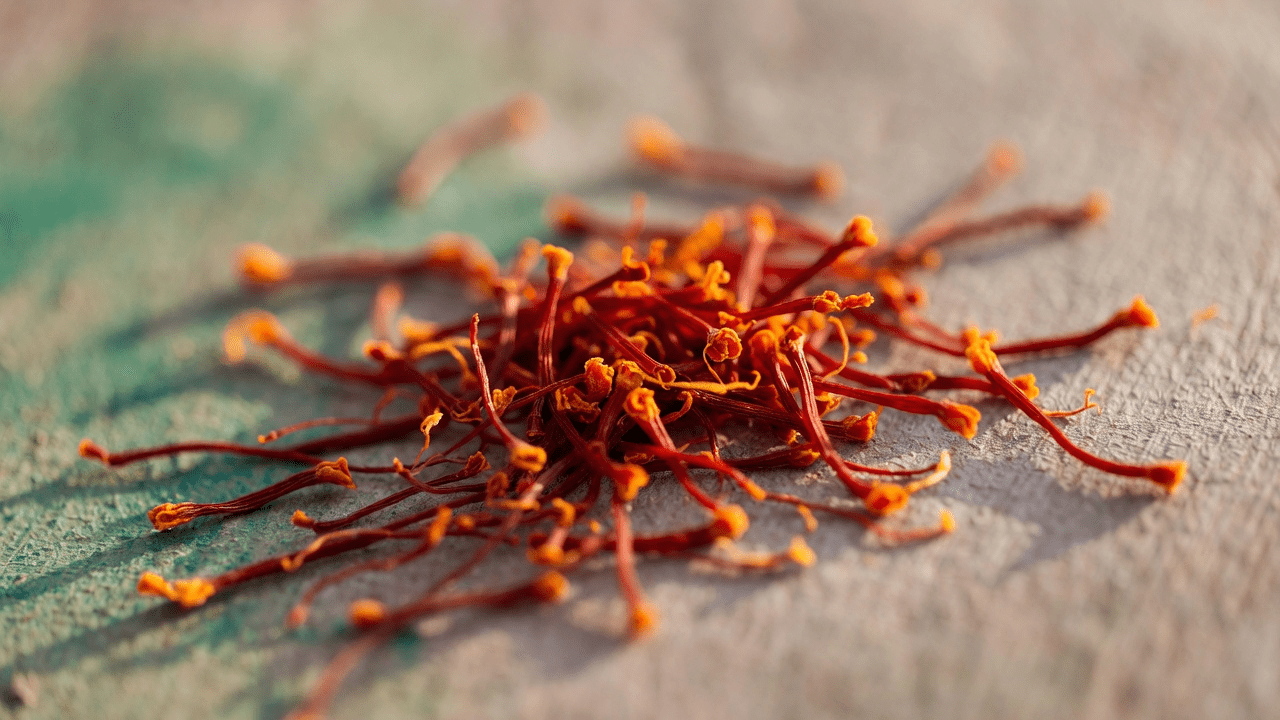
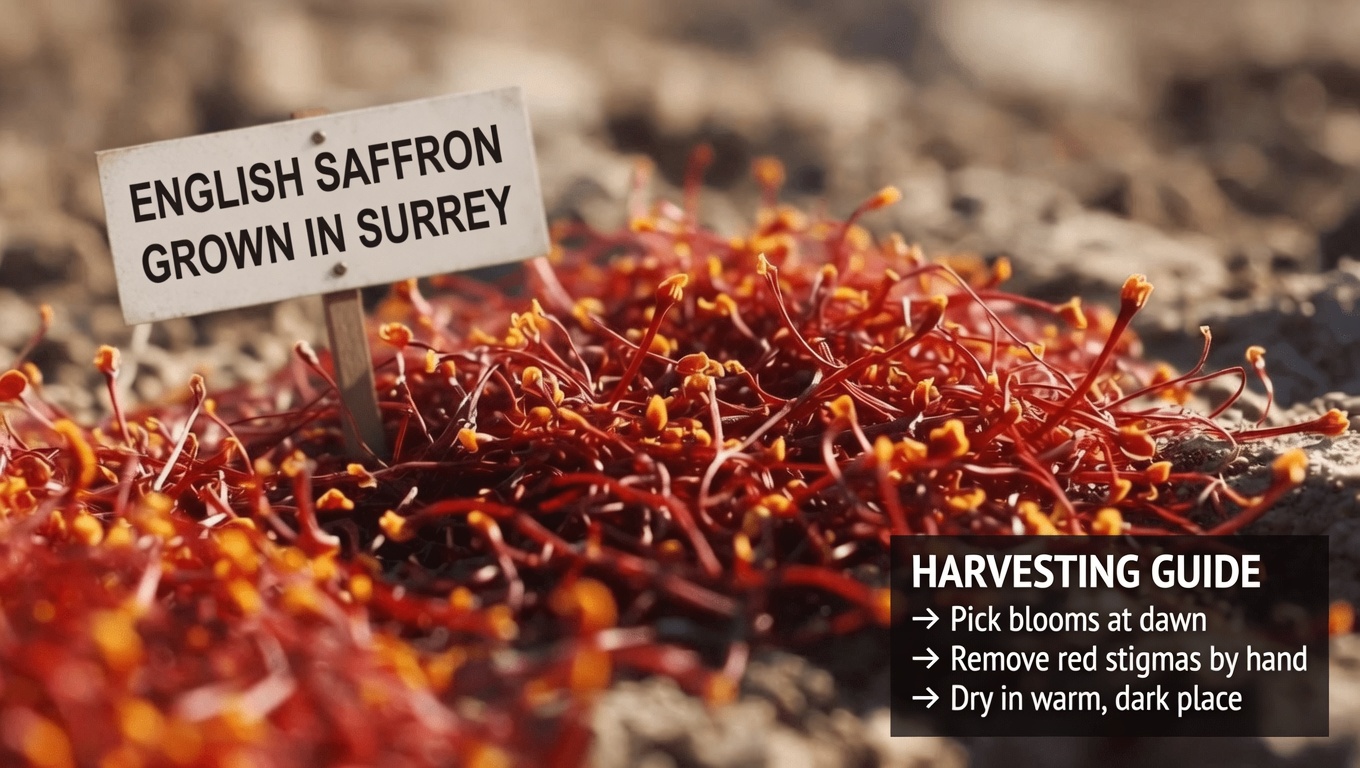
Saffron comes from the bright red stigmas of the Crocus sativus flower. Because each flower produces only three threads and harvesting is done by hand, saffron has earned the nickname “red gold.” Beyond its culinary value, saffron is rich in bioactive compounds—especially:
- Crocin
- Crocetin
- Safranal
Crocin and crocetin belong to the carotenoid family and are widely studied for their antioxidant activity. This matters for vision because the retina is both highly metabolic and constantly exposed to light—two factors that make it especially vulnerable to oxidative damage. By helping neutralize free radicals, saffron’s compounds may support cellular resilience in the retina.
How Saffron May Support Vision Naturally
Scientific attention has focused on saffron for age-related vision support, particularly where oxidative stress and retinal strain play key roles.
1. Antioxidant Support for Retinal Cells
The retina’s light-detecting cells operate under continuous oxidative pressure. Evidence suggests that saffron’s key compounds, particularly crocin and crocetin, may help reduce oxidative injury and support the structural integrity of retinal cells. This antioxidant foundation helps explain why saffron keeps appearing in eye-health research.
2. Potential Benefits for Age-Related Macular Degeneration (AMD)
Age-related macular degeneration (AMD) is a common concern with aging, primarily affecting central vision. Several controlled clinical studies have investigated saffron supplementation in individuals with early or mild-to-moderate AMD.
Across trials, typical protocols use about 20–30 mg per day of saffron extract for 3 to 6 months, with reported improvements such as:
- Better visual acuity
- Improved contrast sensitivity
- Enhanced retinal function measured by electroretinogram (ERG) testing
Some longer follow-ups (including around 12 months) suggest these functional gains may be maintained, with preserved retinal response density in important central areas. Researchers also emphasize a consistent theme: while results are promising, larger and longer studies are still needed to define the full impact and ideal use.
Research snapshot (high level):
- ~3 months: Improvements reported in best-corrected visual acuity and multifocal ERG responses in mild-to-moderate AMD.
- ~6 months: Retinal function indicators improved in studies including dry and wet AMD populations.
- ~12 months or longer: Benefits may persist, with ongoing support suggested for central retinal responses.
Saffron is best viewed as a complementary strategy, not a replacement for evidence-based eye care.
3. Broader Retinal and Ocular Support (Early Evidence)
Beyond AMD, early-stage research has examined saffron’s possible anti-inflammatory and neuroprotective properties in conditions involving retinal stress, including diabetic eye changes and glaucoma models. The theory is that saffron may help reduce inflammatory signaling and support nerve-related eye health, but human evidence in these areas is still developing.
Practical Ways to Use Saffron Daily
Adding saffron can be simple and approachable. For many people, consistent culinary use is an easy starting point for general antioxidant intake.
Try these ideas:
- Saffron tea: Steep 5–10 threads in hot (not boiling) water for 5–10 minutes. Add honey or lemon if you like.
- Cook with a pinch: Mix a small amount into rice (paella, risotto), soups, stews, or eggs for color and depth of flavor.
- Standardized supplements: If you want the more consistent dosing used in studies (around 20–30 mg daily), choose a reputable, clearly labeled saffron extract. Start with a lower dose and pay attention to how you respond.
Quality tip: Real saffron has a distinctive aroma and naturally turns water a deep golden-yellow. Low-cost imitations may be adulterated and less likely to contain meaningful active compounds.
Safety Notes and What to Keep in Mind
Saffron is generally well tolerated in food amounts, and studies commonly report good tolerability at supplement doses up to 30 mg/day. That said, some people may experience mild side effects, including:
- Digestive discomfort
- Dizziness
- Allergic reactions (in sensitive individuals)
Important precautions:
- Talk with an eye doctor or healthcare professional before using saffron supplements—especially if you have an eye condition, take medications, or are pregnant/breastfeeding.
- Buy from trusted sources, as adulteration is a known issue with saffron.
- Support saffron use with proven eye-protective habits: a colorful produce-rich diet, UV-blocking sunglasses, avoiding smoking, and regular eye exams.
Key Takeaways
Saffron contains standout antioxidants—especially crocin and crocetin—that may help defend the retina against oxidative stress and support retinal function with age. Clinical research in early and mild-to-moderate AMD shows modest but encouraging improvements in certain measures of vision and retinal performance. However, saffron is not a cure and should be considered part of a broader, long-term eye health plan.
Used thoughtfully—either as a culinary ingredient or as a carefully selected supplement—saffron may be a simple way to add extra support for healthy aging vision.
FAQ
How much saffron should I take daily for eye support?
In food, a few threads can contribute antioxidants naturally. Clinical studies commonly use 20–30 mg/day of standardized saffron extract. For personalized guidance, consult a healthcare professional.
Is saffron safe to use long term?
Trials lasting up to 12 months generally report good tolerability with minimal side effects. If using supplements, ongoing monitoring and professional advice are recommended.
Can saffron replace standard eye treatments or eye exams?
No. Saffron may complement healthy habits and medical care, but it does not replace prescribed treatments, routine eye exams, or protective strategies like UV protection.
Disclaimer: This article is for informational purposes only and is not medical advice. These statements have not been evaluated by the FDA. Results can vary by individual. Saffron supplements are not intended to diagnose, treat, cure, or prevent any disease. Always consult a qualified healthcare provider before changing your diet or starting supplements, especially if you have medical conditions or take medications.