Knee discomfort caused by everyday wear and tear can turn basic tasks—walking, climbing stairs, or even getting out of bed—into frustrating challenges. As cartilage naturally becomes thinner with age, repetitive movement, or old injuries, many people look for realistic ways to support knee comfort and mobility through daily habits. One of the most practical starting points is nutrition: certain common foods provide nutrients that research associates with cartilage maintenance and overall joint health. Notably, one simple pantry staple is frequently highlighted by orthopedic experts because of its standout nutrient profile.
In this guide, you’ll discover that everyday food—plus 10 additional evidence-informed options—to help nourish your knees naturally. You’ll also find easy, actionable ways to start using them right away.
Why Nutrition Matters for Knee Cartilage
Cartilage works like a shock absorber between the bones in your knee joint. However, because it has limited blood supply, it’s harder for your body to deliver nutrients directly to cartilage and repair it efficiently. That’s where diet becomes especially relevant: nutrients circulate through the bloodstream and reach joint structures via synovial fluid.
Research suggests that eating patterns rich in anti-inflammatory compounds, antioxidants, and key structural nutrients—such as those commonly found in a Mediterranean-style diet—may support joint health over time by helping manage inflammation and promoting healthier cartilage maintenance.
Beyond overall healthy eating, some foods offer more targeted nutritional support for joints.
The #1 Everyday Food: Whole Eggs (A Joint-Support Nutrient Staple)
Many orthopedic professionals frequently point to whole eggs as a top everyday choice for supporting knee cartilage and joint function. They’re affordable, easy to prepare, and packed with nutrients that align with what your joints rely on.
Whole eggs can provide:
- Complete, high-quality protein to support tissue upkeep and repair
- Vitamin D, which helps maintain bone structure around joints and has been linked in studies to slower cartilage-related changes
- Choline and lutein, nutrients that contribute to cellular function and antioxidant protection
Some research notes that pasture-raised eggs may contain higher levels of vitamin D and omega-3s, nutrients commonly associated with healthier inflammatory balance and improved joint comfort in osteoarthritis-related findings. Adding whole eggs to your routine is one of the simplest ways to gain these benefits without complicated meal planning.
10 More Nutrient-Dense Foods Associated With Cartilage and Joint Support
Whole eggs are a strong foundation, but combining them with other nutrient-rich foods can further support inflammation management, collagen production, and antioxidant defense. Here are 10 options to rotate into your meals.
1) Bone Broth (Collagen and Amino Acids)
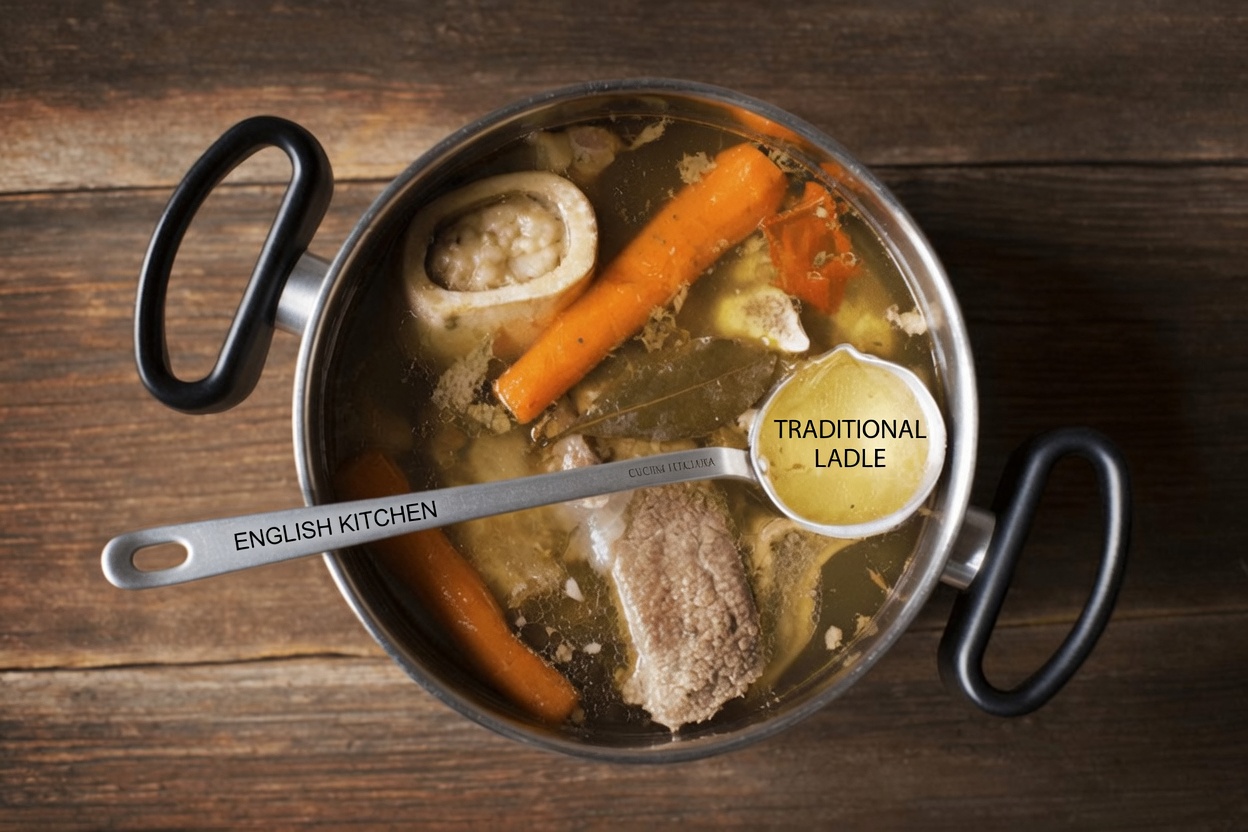
Bone broth is simmered long enough to release collagen, gelatin, amino acids, and minerals—components often described as building blocks for connective tissues, including cartilage. Many people also find it easy to incorporate into soups, stews, or sipping routines.
2) Fatty Fish (Omega-3s for Inflammation Balance)
Fish such as salmon, sardines, mackerel, and tuna are rich in omega-3 fatty acids, which research connects to inflammation regulation. Lower inflammatory activity may support better joint comfort and healthier movement over time.
3) Leafy Greens (Vitamin K + Antioxidants)
Vegetables like spinach, kale, and broccoli deliver vitamin K (important for bone metabolism) along with antioxidants that help protect joint cells from oxidative stress.
4) Citrus Fruits (Vitamin C for Collagen Synthesis)
Oranges, lemons, and kiwis are well-known sources of vitamin C, a key nutrient required for collagen production—a major structural protein within cartilage and connective tissue. Studies often associate higher vitamin C intake with improved long-term joint resilience.
5) Nuts and Seeds (Healthy Fats + Minerals)
Options such as walnuts, chia seeds, flaxseeds, and Brazil nuts provide a mix of healthy fats, magnesium, and other supportive minerals that play roles in tissue function and recovery.
6) Garlic (Allicin and Supportive Compounds)
Garlic contains allicin, a compound studied for its potential anti-inflammatory activity in lab research. It’s also an easy, flavorful way to build more joint-supportive meals without adding processed ingredients.
7) Sweet Potatoes (Vitamin C + Manganese)
Sweet potatoes contribute vitamin C (collagen support) and manganese, a mineral involved in cartilage formation pathways and antioxidant processes within the body.
8) Lean Proteins (Amino Acids for Maintenance)
Chicken, turkey, and eggs supply amino acids needed for ongoing tissue upkeep and for maintaining strength in the muscles that support your knees.
9) Berries (Antioxidant Protection)
Blueberries, strawberries, raspberries, and similar fruits provide antioxidants that help counter oxidative stress—one factor that can contribute to cartilage breakdown—while also making meals and snacks more enjoyable.
10) Extra-Virgin Olive Oil (Polyphenols and Mediterranean Benefits)
A cornerstone of Mediterranean eating, extra-virgin olive oil contains polyphenols linked to inflammation support and potential protective effects on joint tissues.

Actionable Tips: How to Start Nourishing Your Knees Today
To make this practical, focus on small changes you can repeat consistently:
- Build a better breakfast: Include 1–2 whole eggs most days (boiled, scrambled, or poached) for protein and vitamin D.
- Add fatty fish weekly: Aim for 2–3 servings per week—try baked salmon or sardines added to salads.
- Upgrade your plate with plants: Make leafy greens a daily habit and rotate citrus and berries across meals.
- Use bone broth strategically: Drink a cup or use it as a soup base 2–3 times per week.
- Choose olive oil daily: Use extra-virgin olive oil for dressings or low-to-medium heat cooking.
- Snack with purpose: Choose nuts/seeds or berries more often than processed snack foods.
Consider tracking how your knees feel over 4–6 weeks of steady changes—many people notice small but meaningful shifts in day-to-day comfort and mobility.
Final Thoughts
No single food can “fix” knee problems overnight. However, consistently choosing nutrient-dense staples—especially whole eggs along with fish, colorful produce, olive oil, and collagen-supportive options—can play a valuable role in joint health as part of a balanced lifestyle. Pair smart nutrition with low-impact movement (like walking or swimming), healthy weight management, and regular activity to give your knees the strongest overall support.
FAQ
What is the best food for supporting knee cartilage?
Whole eggs often rank highly because they provide vitamin D, complete protein, and additional joint-friendly nutrients, aligning with recommendations commonly referenced by orthopedic professionals and supported by inflammation-related research.
How can a Mediterranean-style diet help joints?
Studies associate stronger adherence with lower inflammatory markers, less worsening of discomfort, and better joint-related outcomes—likely due to its focus on fish, vegetables, fruit, nuts, and extra-virgin olive oil.
Can diet alone solve knee pain?
Diet can support joint function by supplying nutrients needed for tissue maintenance and inflammation management, but it works best alongside movement, weight management, and professional guidance if symptoms persist.
Disclaimer
This article is for informational purposes only and does not provide medical advice. If you have ongoing knee pain or a diagnosed joint condition, consult a qualified healthcare professional before changing your diet or starting new health routines.