
Why Your Kidneys Need Daily Support—Even When You Feel Fine
Your kidneys do an astonishing amount of work every day, quietly filtering about 180 liters of blood to remove waste, balance fluids, and help regulate healthy blood pressure. Because they operate in the background, it’s easy to overlook them—until a problem appears.
One of the most common issues is dehydration, which can creep in without obvious warning signs. This becomes even more likely with age, since thirst cues may be weaker or less consistent. When your body runs low on fluids, your kidneys must work harder, which can add unnecessary strain over time. The encouraging part is that a simple, realistic habit can support kidney function without major lifestyle changes.

The Daily Challenge Your Kidneys Face
Think of your kidneys as a high-performance filtration system. They help clear toxins from the bloodstream while holding onto nutrients your body still needs, and they keep electrolytes (like sodium and potassium) in balance.
When you don’t drink enough fluids, your blood becomes more concentrated. That makes filtration less efficient and can increase the workload on the kidneys. Organizations such as the National Kidney Foundation emphasize that adequate fluid intake supports healthy circulation to the kidneys and helps the body remove waste through urine more effectively.
Consistent hydration doesn’t mean drinking extreme amounts. It means maintaining a steady intake that matches your needs throughout the day.
What “Mindful Hydration” Really Means
Mindful hydration is not about chugging water only when you feel thirsty. Instead, it’s a purposeful approach: paying attention to your body’s fluid needs and drinking regularly—even during busy routines.
Thirst isn’t always a reliable signal, particularly for older adults. By drinking with intention, you can:
- Keep urine more diluted
- Help flush normal metabolic waste
- Reduce mineral concentration that can contribute to crystal formation
Research and kidney-focused health organizations have linked adequate hydration with lower risk of certain kidney problems, including kidney stones, and possibly slower decline in filtration function over time.

Why Mindful Hydration Helps Protect Kidney Health
Mindful hydration stands out because it’s practical, free, and easy to maintain. Here’s how it may benefit your kidneys:
- Supports waste removal: Water helps carry waste and byproducts out of the body through urine, reducing the kidneys’ burden.
- May reduce kidney stone risk: A steady fluid intake increases urine volume, making it harder for crystals to join together. Many urology guidelines recommend drinking enough to produce about 2–2.5 liters of urine per day for prevention.
- Helps maintain electrolyte balance: Hydration supports stable levels of minerals such as sodium and potassium, which affect both kidney and heart function.
- Eases filtration strain: When you’re well-hydrated, blood flows more smoothly to the kidneys, improving filtering efficiency.
- May support long-term function: Observational cohort research (including studies conducted in Canada and Australia) suggests higher fluid intake—particularly plain water—may be associated with better-preserved kidney function and slower age-related changes in filtration rates.
How Much Should You Drink Each Day?
There isn’t a single “perfect number” that works for everyone. Your optimal intake depends on your:
- Age
- Body size
- Activity level
- Climate
- Overall health and medications
A common guideline referenced by kidney health organizations is to aim for urine that is light yellow to clear. That’s often one of the simplest ways to check hydration status.
Helpful hydration guidelines
- Drink fluids gradually across the day, not all at once.
- Water is usually the best option.
- Other supportive choices can include:
- Unsweetened herbal tea
- Naturally infused water (cucumber, lemon, berries—without added sugar)
- Some soups and broths
- Increase fluids in hot weather, during exercise, or when sick to replace losses from sweat or illness.
Easy Ways to Practice Mindful Hydration Every Day
You don’t need expensive tools or complicated tracking. Small adjustments can turn hydration into an automatic habit:
- Space it out: Sip consistently instead of drinking large amounts at once.
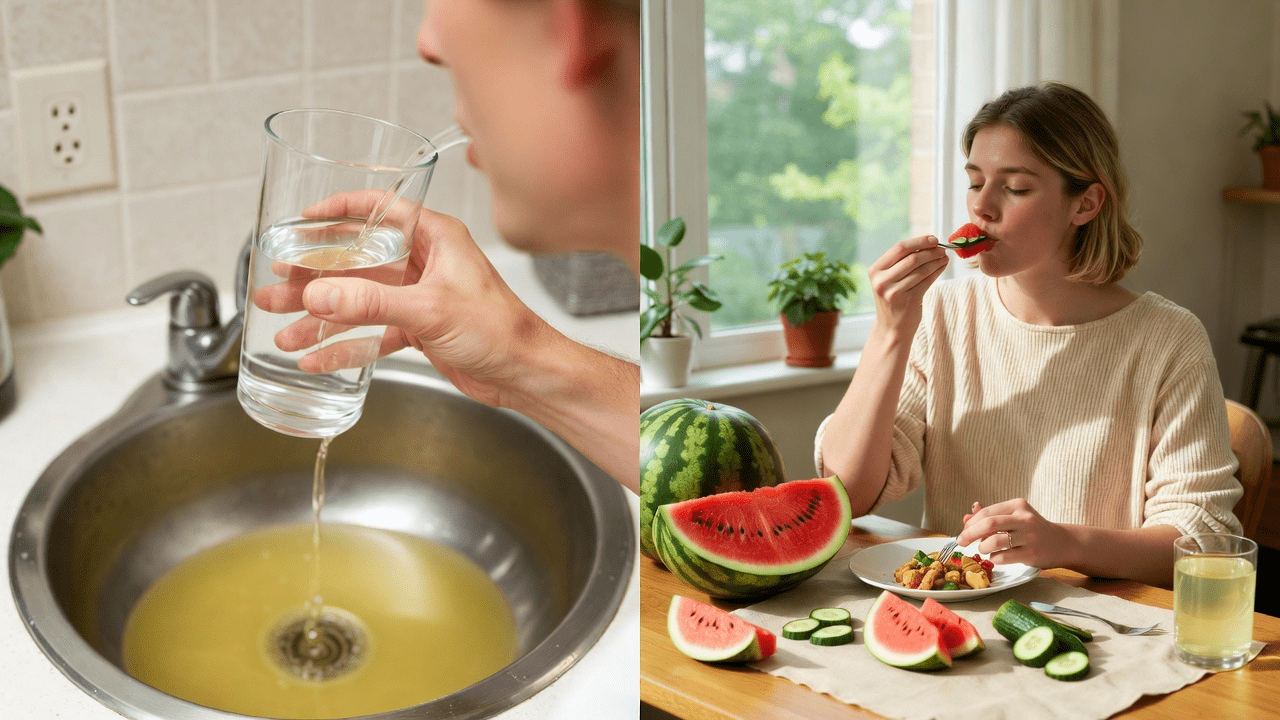
- Use urine color as a guide: Pale yellow usually indicates good hydration; darker urine often means you need more fluids.
- Choose water first: Prioritize water over sugary drinks, heavy alcohol intake, or excessive caffeine, which may contribute to dehydration for some people.
- Match your lifestyle needs: Increase intake during workouts, heat, humidity, and also during pregnancy or breastfeeding.
- Connect hydration to routines: Drink a glass:
- After waking up
- With each meal
- During work breaks
- Before bed (as comfortable for you)
If useful, set gentle phone reminders.
- Eat more water-rich foods: Hydrating produce adds fluid naturally, including:
- Watermelon
- Cucumbers
- Oranges
- Lettuce
Hydration Works Best as Part of an Overall Kidney-Friendly Lifestyle
Mindful hydration is powerful, but it’s even more effective when paired with other supportive habits:
- Eat a balanced diet with fruits, vegetables, and whole grains
- Stay physically active to support circulation
- Manage blood pressure and maintain a healthy weight
- Avoid smoking
- Limit heavily processed foods, especially those high in sodium
Final Takeaway: Small Steps, Strong Long-Term Benefits
Your kidneys work nonstop to keep your body stable and healthy. Practicing mindful hydration—drinking fluids intentionally and consistently—is a low-effort habit that can meaningfully support kidney function over time. Start with small changes, stay steady, and combine hydration with other healthy routines for lasting benefits.
Frequently Asked Questions (FAQ)
How do I know if I’m drinking enough water for kidney health?
A practical indicator is urine color. Aim for pale yellow. If it’s frequently dark, increase fluids gradually. Also adjust based on heat, activity, and daily schedule.
Can you drink too much water?
Yes. Although uncommon, overhydration can happen, especially with certain medical conditions or medications that affect fluid balance. If you have kidney disease or specific health concerns, discuss fluid goals with a healthcare professional.
What are good kidney-friendly drinks besides water?
Good options include unsweetened herbal tea and naturally infused water without added sugar. Hydrating foods also contribute. Try to limit sugary beverages, excessive caffeine, and alcohol if they lead to dehydration for you.
Disclaimer
This article is for informational purposes only and does not provide medical advice. Hydration needs vary by individual. Consult a healthcare provider for personalized guidance, especially if you have kidney disease or other health conditions.