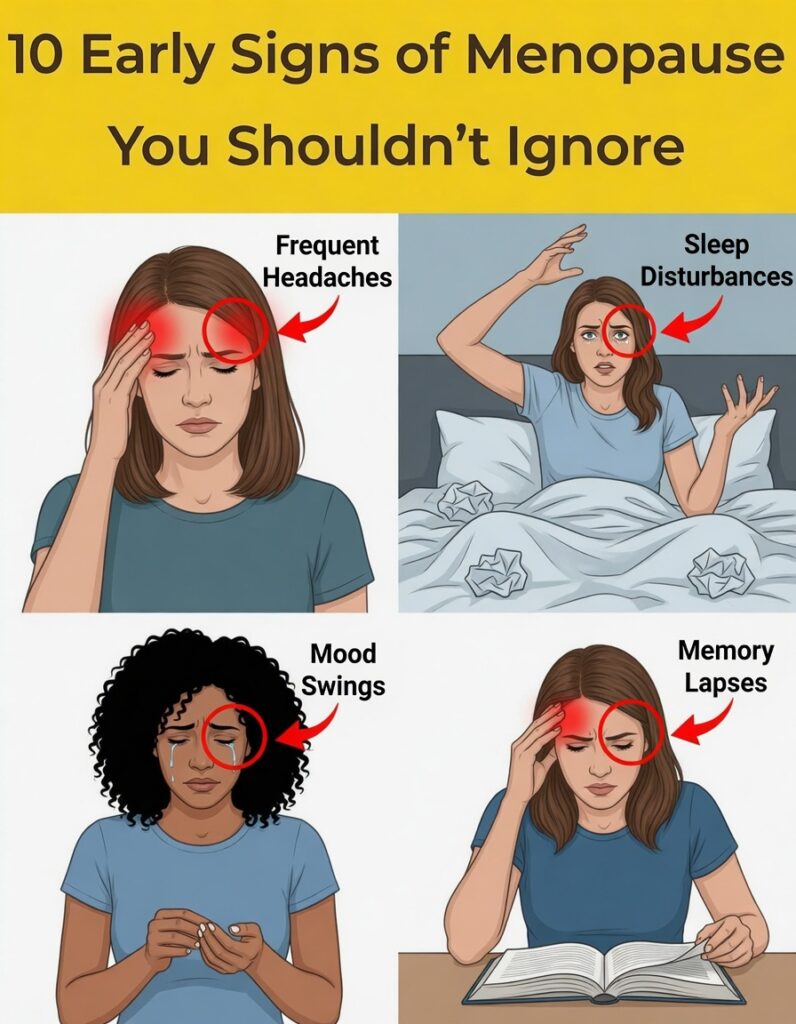
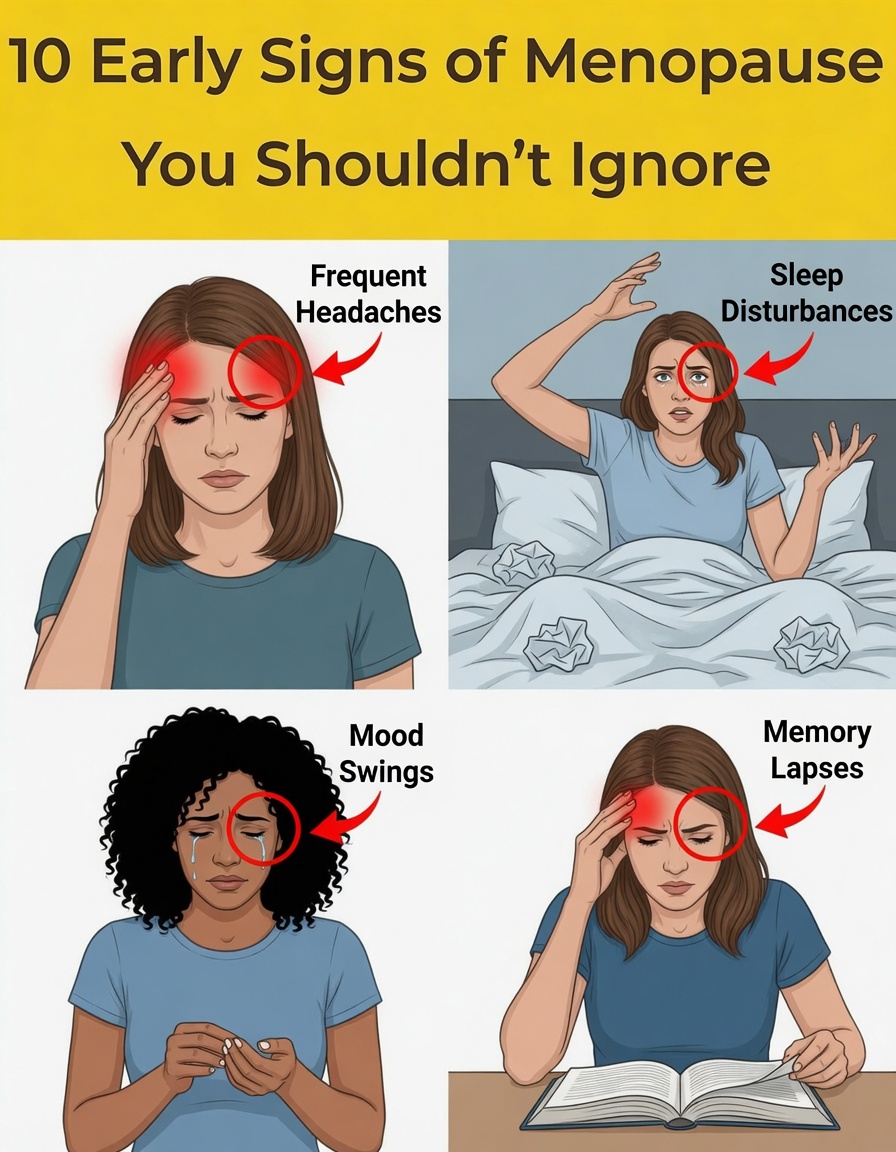
Many women in their late 30s and early 40s begin to notice body changes they didn’t expect—cycles that suddenly become unpredictable, intense heat episodes, or fatigue that doesn’t match their lifestyle. It’s easy to dismiss these shifts as stress, burnout, or “just getting older.” But for some, they can signal early menopause, which affects roughly 5% of women before age 45 and about 1% before 40. Because hormone levels can change quickly, symptoms may feel more abrupt and disruptive.
The encouraging part is that spotting the signs sooner can make it much easier to manage symptoms and protect long-term health. Below is a research-informed guide—drawing on widely trusted medical sources such as the Cleveland Clinic and Mayo Clinic—to help you recognize common indicators and take practical steps forward. Stay to the end for a simple tracking habit that can make doctor visits far more productive.
Why Early Menopause Can Feel Especially Difficult
Going through perimenopause or menopause earlier than the average age (around 51) often means spending more years with lower estrogen. Estrogen supports several key functions, including:
- Bone strength
- Heart and blood vessel health
- Mood and emotional regulation
Over time, earlier estrogen decline may raise the likelihood of concerns such as osteoporosis and cardiovascular disease. Even so, many women push through symptoms, assuming they are a normal part of aging. In reality, these changes are often hormone-driven, and early, proactive care can significantly improve quality of life.
The 10 Most Common Signs of Early Menopause
Healthcare providers often look for a pattern rather than a single symptom. If multiple signs below sound familiar, consider discussing early menopause symptoms with a clinician.
1. Irregular Periods (Often the First Sign)
Cycle changes are frequently the earliest clue. Your period may become:
- Shorter or longer than usual
- Heavier or lighter
- More or less frequent
- Associated with spotting between periods
Many women notice these shifts years before their final period, which is why tracking cycle changes can be so valuable.
2. Hot Flashes and Night Sweats
Hot flashes are sudden surges of heat—often starting in the chest and rising toward the neck and face—followed by sweating. These vasomotor symptoms impact up to 80% of women during menopause and may feel more intrusive when they begin earlier than expected.
Night sweats can repeatedly disturb sleep, leaving you drained and irritable the next day.
3. Vaginal Dryness and Discomfort
As estrogen declines, vaginal tissue can become thinner and less elastic, leading to:
- Dryness
- Irritation
- Discomfort or pain during sex
This is common, treatable, and often under-discussed. Options may include vaginal moisturizers, lubricants, or medical therapies—your provider can help you choose what fits.
4. Mood Shifts (Irritability, Anxiety, Low Mood)
Hormone fluctuations can affect brain chemistry. That means mood changes may not be “just stress,” even if life is busy. Some women experience:
- Increased irritability
- Anxiety
- Feeling down or emotionally sensitive
If mood symptoms last or interfere with daily life, professional support can make a real difference.
5. Sleep Problems
You might struggle to fall asleep, stay asleep, or wake up too early. Sleep often gets worse when combined with night sweats, and poor rest can intensify mood issues and fatigue—creating a frustrating loop.
6. Persistent Fatigue or Low Energy
This is more than feeling tired after a long day. Many women describe a deep exhaustion that persists even after rest, often linked to disrupted sleep and hormonal impacts on metabolism.
7. Brain Fog and Memory Issues
Common complaints include difficulty focusing, forgetfulness, or feeling mentally “cloudy.” Research suggests estrogen plays a role in supporting cognitive function, which may explain why concentration changes show up during this transition.
8. Unexplained Weight Gain (Especially Around the Belly)
Without major changes to diet or exercise, some women notice weight gain—often centered around the midsection. Hormonal shifts may affect:
- Metabolic rate
- Fat distribution
- Muscle maintenance
9. Joint and Muscle Aches
Lower estrogen can influence inflammation and tissue health, contributing to stiffness, soreness, or joint discomfort that may resemble early arthritis symptoms.
10. Lower Libido or Changes in Sexual Desire
Sexual interest can shift due to a combination of factors, including:
- Vaginal dryness or pain
- Fatigue
- Mood changes
- Hormonal effects on desire
This is common and often improvable with targeted support.

Additional Symptoms That Can Also Appear
Some early menopause signs are less talked about, but still relevant. You may notice:
- More frequent headaches or migraines
- Heart palpitations
- Dry skin, dry eyes, or dry mouth
- More urinary tract infections (UTIs)
- Hair thinning
Tracking these symptoms over several weeks can reveal patterns and help your healthcare provider make a clearer assessment.
Long-Term Health Considerations of Early Menopause
Because early menopause extends the time your body spends with reduced estrogen, research links it with higher long-term risk for:
- Heart disease
- Osteoporosis and fractures
- Possible cognitive changes over time
The takeaway is not fear—it’s opportunity. With medical guidance and lifestyle adjustments, many women reduce risk and feel better day to day.
When to Talk to a Doctor
Consider scheduling an appointment if you are under 45 and experiencing irregular periods plus symptoms such as:
- Hot flashes or night sweats
- Vaginal dryness
- Sleep disruption
- Mood changes
A clinician may review your symptoms, discuss medical history, consider hormone testing, and rule out other causes. Bringing up family history is especially useful because genetics can influence timing.
Practical Ways to Support Yourself Through the Transition
You don’t need to wait for a formal diagnosis to start improving your well-being. Many women benefit from these evidence-based strategies:
- Protect bone and heart health: Do weight-bearing movement most days (walking, strength training), and prioritize calcium-rich foods plus vitamin D.
- Reduce stress load: Mindfulness, yoga, and short daily breathing exercises can support mood and sleep.
- Improve sleep conditions: Keep a consistent bedtime routine, limit late-day caffeine, and sleep in a cool, dark room.
- Eat with hormone health in mind: Focus on balanced meals, include phytoestrogen-containing foods (like soy), and stay hydrated.
- Track symptoms consistently: Use a journal or app for 2–3 months to spot trends and make medical visits more productive.
Start with one or two changes that feel realistic this week.

Real Experiences: What Many Women Report
A common theme is relief—once women recognize what’s happening, the experience becomes less confusing and isolating. Some find that symptom tracking helps them identify triggers (like alcohol, heat, or poor sleep). Others say that honest conversations with a doctor turn the transition from overwhelming into manageable.
If you’re going through this, you’re far from alone—and support is available.
Quick Self Check-In
Take a moment to reflect:
- How many of the 10 common signs sound familiar?
- What symptom affects your daily life the most right now?
- On a scale of 1–10, how is your energy compared with last year?
These answers can help clarify your next step—whether that’s lifestyle changes, a medical appointment, or both.
Bottom Line: Knowledge Helps You Take Control
Early menopause can feel unexpected, but understanding the signs gives you options. With early recognition, lifestyle support, and professional care when needed, many women maintain their health, energy, and confidence through this stage.
A simple starting point: write down your symptoms for the next two weeks (cycle changes, sleep, hot flashes, mood). That small habit can lead to clearer decisions—and feeling more like yourself again.
Frequently Asked Questions (FAQ)
What’s the difference between early menopause and premature menopause?
Early menopause typically refers to menopause between 40 and 45. Premature menopause (often discussed alongside premature ovarian insufficiency) happens before 40. Symptoms can be similar, but the timing is earlier than expected.
Can lifestyle choices affect early menopause?
Certain factors—especially smoking—are associated with earlier menopause. A heart-healthy lifestyle supports overall well-being and may help reduce symptom burden.
Are early menopause symptoms the same as typical menopause symptoms?
Generally yes, but they can feel more intense or more surprising because they occur earlier than many women anticipate.