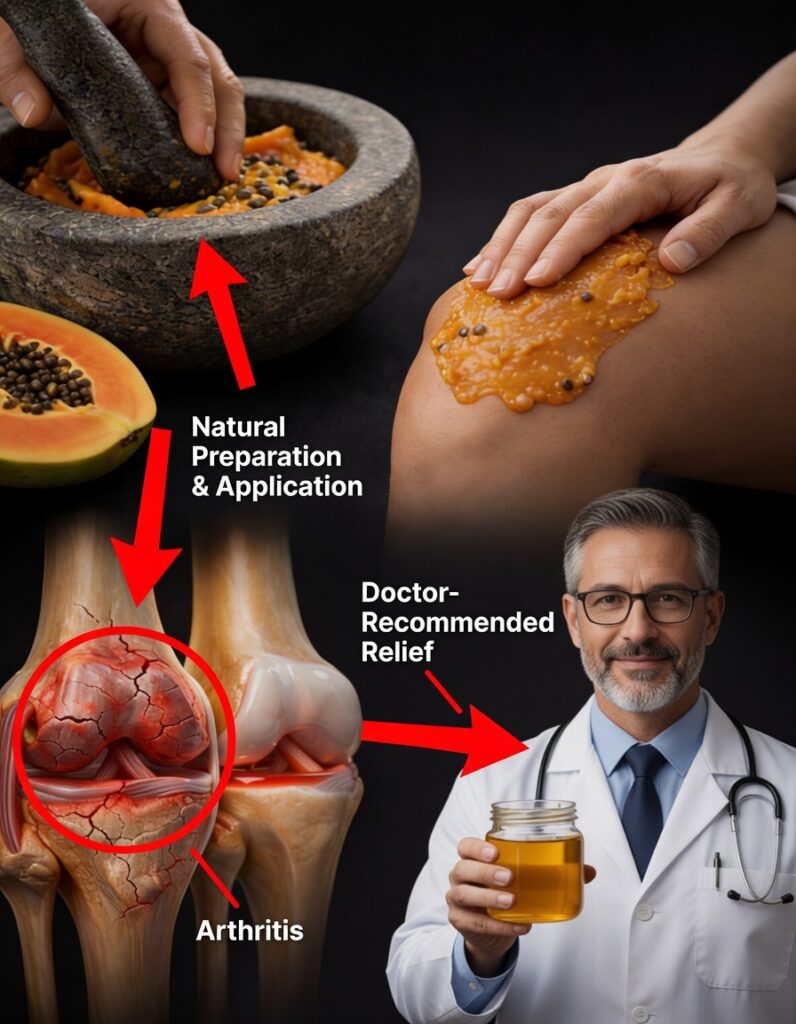
Joint Stiffness After 40: Could Papaya Seeds Help Support Daily Comfort?
Many adults over 40 notice occasional joint stiffness or discomfort—often in the knees, lower back, or along the spine—especially first thing in the morning or after routine activities. When simple movements start feeling harder, it can take the joy out of exercise, hobbies, and even quality time with family. The challenge grows when stretching, rest, or common over-the-counter options only bring short-lived relief.
What if a small, everyday part of a fruit most people throw away could offer meaningful support? Below, we explore traditional use and emerging research around papaya seeds as a natural, food-based option for promoting joint comfort and mobility.
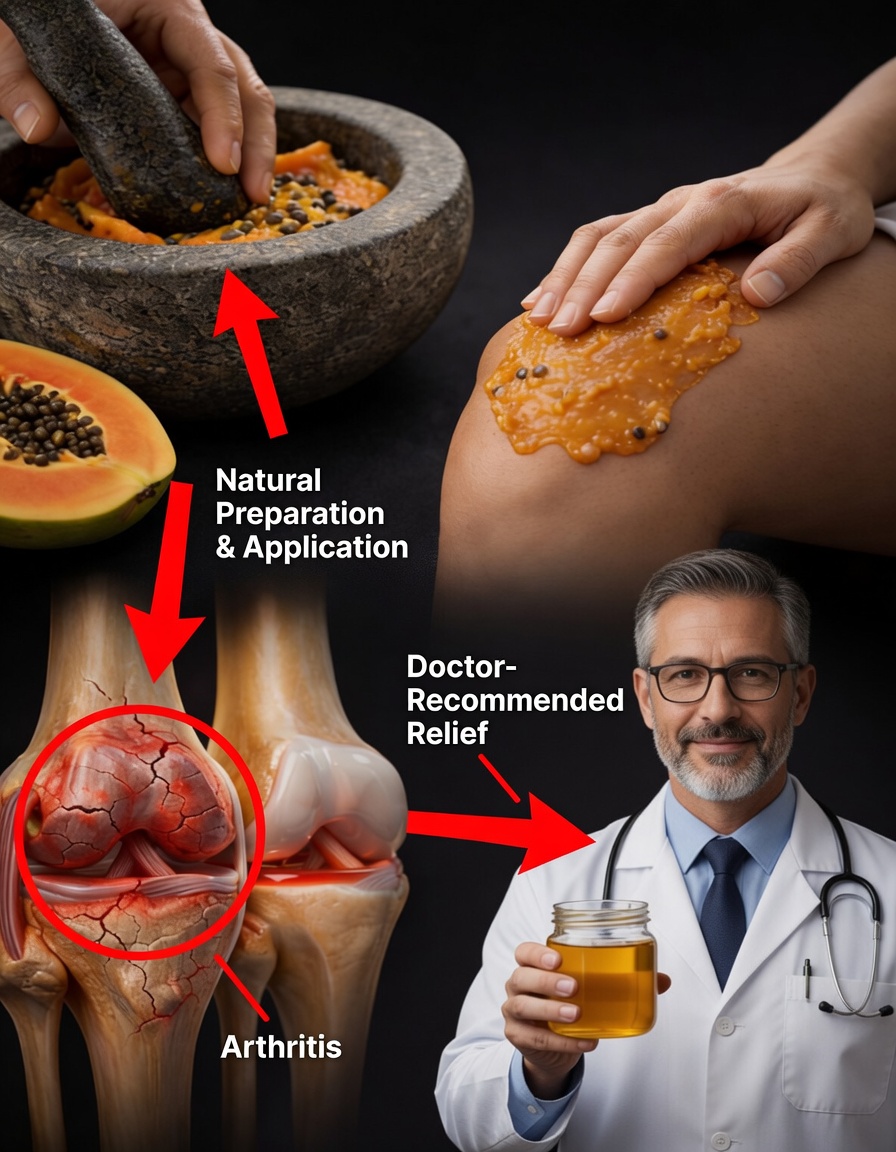
Why Joint Discomfort Is Becoming More Common
Joint concerns affect a massive number of people worldwide. In the United States alone, CDC data indicates that roughly 21% of adults report diagnosed arthritis, and the rate rises dramatically with age—exceeding 50% among adults 75+. Beyond diagnosed arthritis, many people experience persistent stiffness or mild aches without ever receiving a formal label.
Common contributing factors include:
- Daily wear and tear over time
- Low-grade inflammation that accumulates with age
- Oxidative stress, which can affect tissues throughout the body
To manage these issues, many individuals try supplements such as glucosamine, chondroitin, or turmeric. However, results vary—some people notice modest support, while others look for gentler approaches rooted in whole foods. That’s where papaya seeds—the small black seeds inside papaya—have started to attract attention due to their enzyme activity and antioxidant profile.
What Makes Papaya Seeds Interesting? The Compounds Researchers Focus On
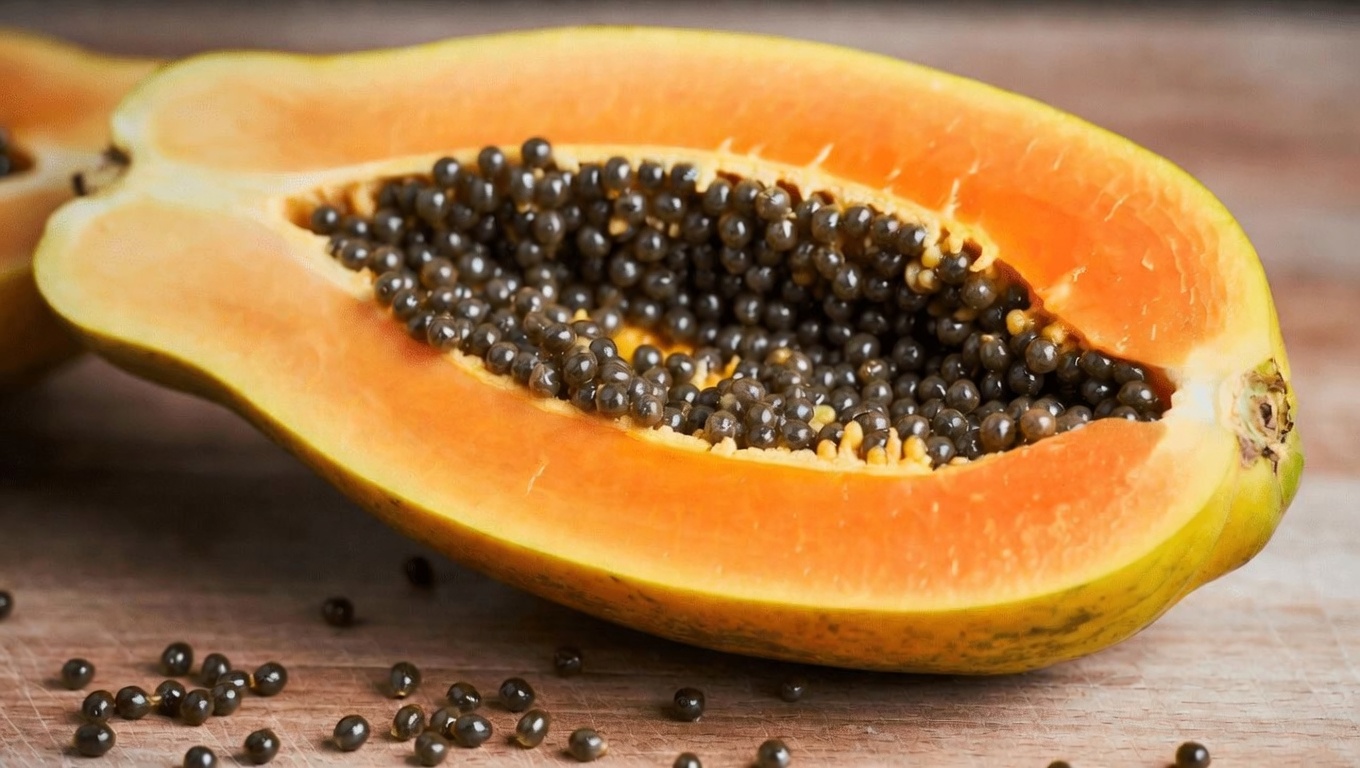
Papaya seeds contain several bioactive components being studied for their potential roles in wellness and comfort:
-
Papain (a proteolytic enzyme)
Papain helps break down proteins and has shown promise in laboratory and animal research related to inflammatory pathways. Reviews in sources such as Journal of Medicinal Food and Nutrients discuss papain’s potential to support a balanced inflammatory response, though more robust human research is still needed. -
Antioxidants and polyphenols
Oxidative stress is often discussed as a factor in tissue aging, including joints. Papaya seeds contain polyphenols and antioxidant compounds that may help support cellular protection. Some research suggests seed antioxidants can be notably concentrated compared with certain plant foods. -
Additional nutrients and plant compounds
Papaya seeds provide fiber, plus minerals like potassium and magnesium. They also contain alkaloids such as carpaine, which researchers have explored for various biological effects that may indirectly influence comfort and muscle tension.
A mini-review available through PMC reports anti-inflammatory activity from papaya seed extracts in different models—while also emphasizing that human trials remain limited.
Papaya Seeds vs. Common Joint-Support Options (Quick Comparison)
Below is a simplified comparison many readers find useful when considering cost and practicality:
-
Glucosamine/Chondroitin
- Typical monthly cost: $35–60
- Stomach concerns: Low
- Long-term notes: Generally considered safe
- Reported support: Moderate
-
Turmeric supplements
- Typical monthly cost: $25–50
- Stomach concerns: Medium (depends on formulation)
- Long-term notes: Varies by product quality and dose
- Reported support: Moderate to good
-
Daily NSAIDs
- Typical monthly cost: ~$10
- Stomach concerns: High
- Long-term notes: Best monitored by a clinician
- Reported support: Strong short-term
-
Fresh papaya seeds
- Typical monthly cost: $4–8
- Stomach concerns: Very low (when starting small)
- Long-term notes: Whole-food option
- Interest level: Growing (mostly anecdotal so far)
What Research and Traditional Use Suggest About Papaya Seeds for Joint Comfort
Research on papaya (including the fruit, leaves, and seeds) points to several potential mechanisms that may relate to joint wellness:
-
Inflammation modulation
In animal and in vitro studies, papaya seed extracts have reduced inflammation-related markers (such as swelling in certain models). These findings are promising, but not yet definitive for humans. -
Antioxidant defense
Polyphenols and other antioxidants may help counter oxidative stress, which is commonly linked with tissue aging and discomfort over time. -
Enzyme-based support (papain)
Papain’s protein-digesting activity is frequently discussed as a way it may support tissue health and comfort, potentially influencing stiffness-related sensations. -
Gut health connections
Because the seeds contain fiber, they may support digestive function. Many wellness models connect gut health with whole-body inflammatory balance. -
Minerals that support muscle function
Magnesium and potassium contribute to normal muscle function and may help with tension that sometimes surrounds sore joints or the spine.
While most evidence is preclinical or small-scale, these themes align with why some individuals report feeling looser or more mobile after consistent use.
What People Report Online (Anecdotal Experiences)
Across forums and social platforms, some users describe incorporating papaya seeds and noticing:
- Easier movement in the morning
- Less discomfort after walking, workouts, or gardening
- Better confidence returning to light activity
These stories are not scientific proof, but they help explain why papaya seeds for joint stiffness has become an increasingly searched topic.
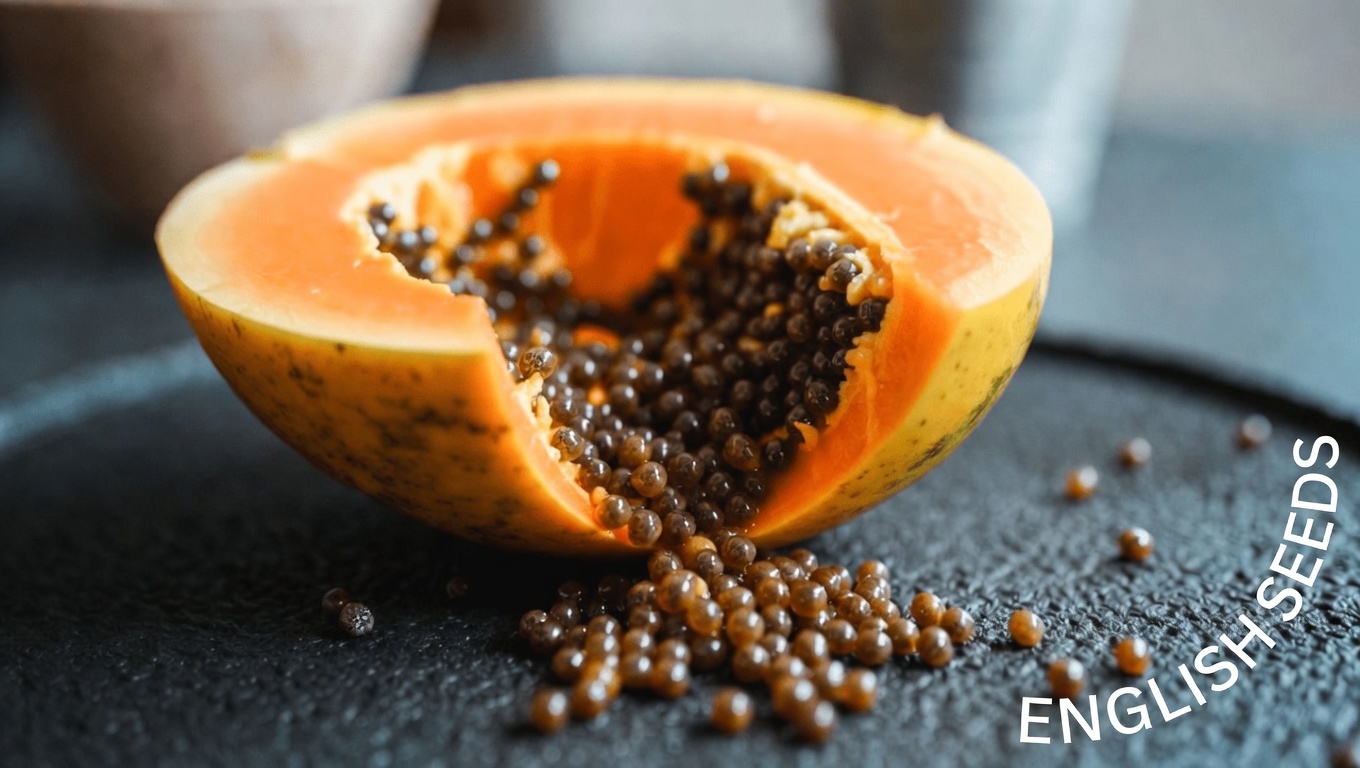
How to Take Papaya Seeds: Simple, Practical Options
If you decide to try papaya seeds, it’s best to begin conservatively and monitor how you feel.
1) Basic daily method
- Scoop seeds from a ripe papaya
- Rinse and pat dry
- Take ½–1 teaspoon of fresh or dried seeds daily
- Options for use:
- Swallow with water
- Blend into a smoothie
- Stir into yogurt
2) Optional blend for stronger flavor and routine pairing
Some people combine papaya seeds with common pantry ingredients:
- Grind seeds and mix with:
- A pinch of black pepper (piperine is often used to improve absorption of certain compounds)
- Turmeric
- Let the mixture sit about 10 minutes before consuming
3) A gentle 30-day starter plan
- Week 1: ½–1 teaspoon daily to assess tolerance
- Week 2–3: Increase to 1–1½ teaspoons (optionally with turmeric/pepper)
- Week 4: Maintain 1–2 teaspoons and track comfort during daily movement
If you notice digestive sensitivity, reduce the amount and take it with food. When possible, choose fresh, high-quality (ideally organic) papayas.
Tips to Get Better Results (Without Overcomplicating It)
To evaluate whether papaya seeds are helping, keep it simple and consistent:
- Rate morning stiffness from 1–10 each day
- Note changes in ease of:
- Climbing stairs
- Bending down
- Walking after sitting
- Give it time: many people who report benefits describe gradual improvement over several weeks
For best synergy, pair any food-based approach with:
- Gentle, regular movement
- Hydration
- Balanced meals rich in whole foods
Conclusion: A Low-Cost, Food-Based Option Worth Exploring
Papaya seeds are an affordable, accessible ingredient with a long history of traditional use and growing scientific interest—especially for their enzymes and antioxidants. They are not a substitute for medical care, but they may be a reasonable addition to a broader lifestyle approach for those looking to support joint comfort and mobility naturally.
FAQ: Papaya Seeds for Joint Comfort
-
How many papaya seeds should I eat daily?
Begin with ½–1 teaspoon (roughly 5–10 seeds) and slowly increase up to 1–2 teaspoons if well tolerated. Staying moderate helps reduce the chance of digestive discomfort. -
Are papaya seeds safe for everyone?
Many adults tolerate small amounts well, but you should speak with a healthcare professional if you are pregnant, breastfeeding, managing digestive conditions, taking medications, or have ongoing health concerns. Larger amounts may cause mild stomach upset in some people. -
Can papaya seeds replace my current joint supplements?
No. Consider papaya seeds a complementary food option, not a replacement. If you plan to change your supplement routine, discuss it with your clinician for a safe, individualized approach.
Disclaimer
This article is for informational purposes only and does not provide medical advice. It is not intended to diagnose, treat, cure, or prevent any condition. Always consult a qualified healthcare professional before starting a new dietary routine—especially if you have medical concerns or take prescription medications.