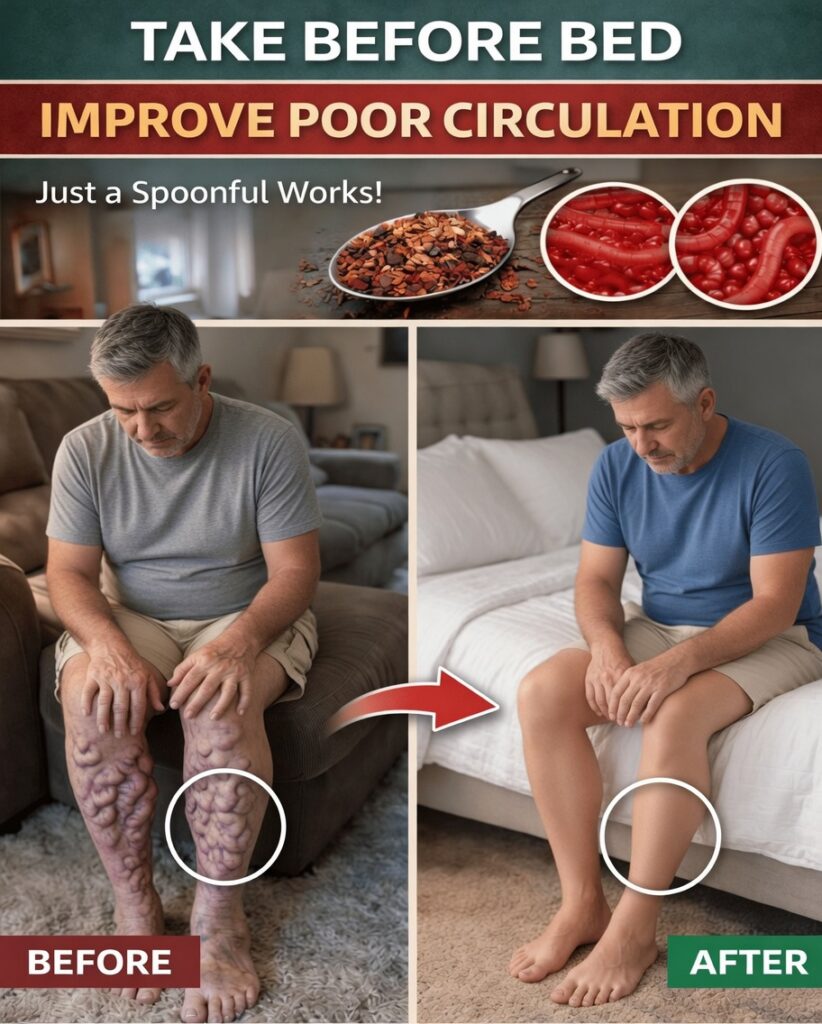
Many older adults notice subtle but frustrating changes in their legs—an evening heaviness, toes that feel cold at night, or a tingling sensation that disrupts sleep. With age, blood vessels often lose some flexibility, and modern routines (like long hours sitting) can further limit blood flow to the lower legs and feet. The result can be uncomfortable nights and stiff, sluggish mornings.
What if a simple, natural addition to your evening routine could help support healthier circulation while you rest? One familiar kitchen staple has drawn attention in research for its potential role in blood-flow support.
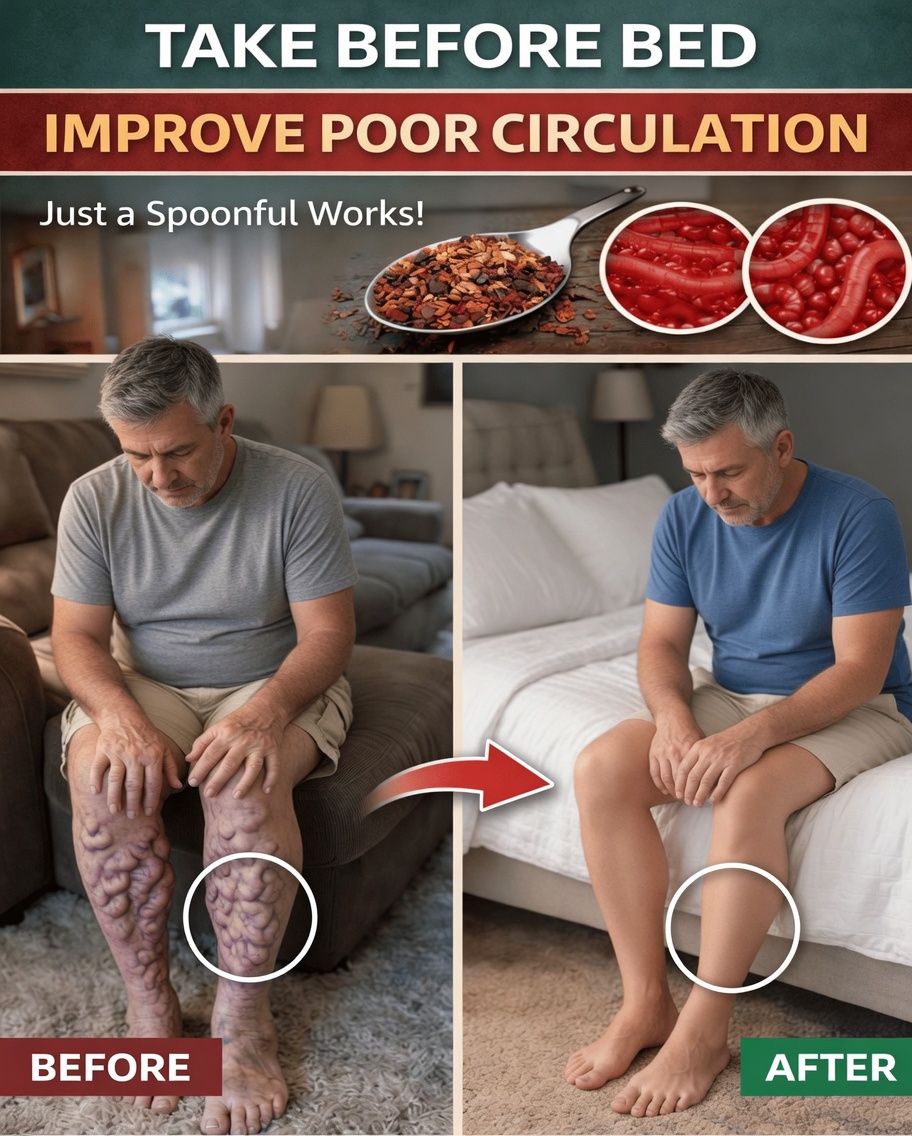
Why Leg Circulation Often Declines With Age
Circulation problems in the legs are common after 60. One major contributor is peripheral artery disease (PAD)—a condition where arteries narrow and reduce blood supply to the limbs. Global research shows PAD affects millions of people, and rates increase substantially with age, reaching around 15% in adults aged 80–84 in some datasets.
Typical warning signs include:
- A heavy, tired feeling in the legs after daily activity
- Feet that stay cold at night and interfere with sleep
- “Pins-and-needles” sensations or tingling
These symptoms may reflect age-related vessel changes combined with lifestyle factors such as reduced movement and less supportive dietary patterns. The encouraging takeaway is that small, consistent daily choices can help support vascular function over time.
Why Supporting Blood Flow Can Improve Everyday Comfort
When circulation is reduced, even simple activities—like an evening walk—can feel harder than they should. Poor blood flow can contribute to discomfort, fatigue, and lower activity levels, which may create a cycle that further limits mobility.
Research also links healthier circulation with better movement, stamina, and overall energy in older adults. Rather than expecting instant transformation, the goal is steady, practical support—especially through habits that fit easily into real life.
One area of growing interest is dietary nitrates, naturally found in certain vegetables. The body can convert these compounds into nitric oxide, a molecule that helps blood vessels relax and widen, supporting healthier blood flow.
And one vegetable stands out for being both nitrate-rich and easy to use—especially in the evening.
Beetroot: A Natural Circulation-Supporting Staple
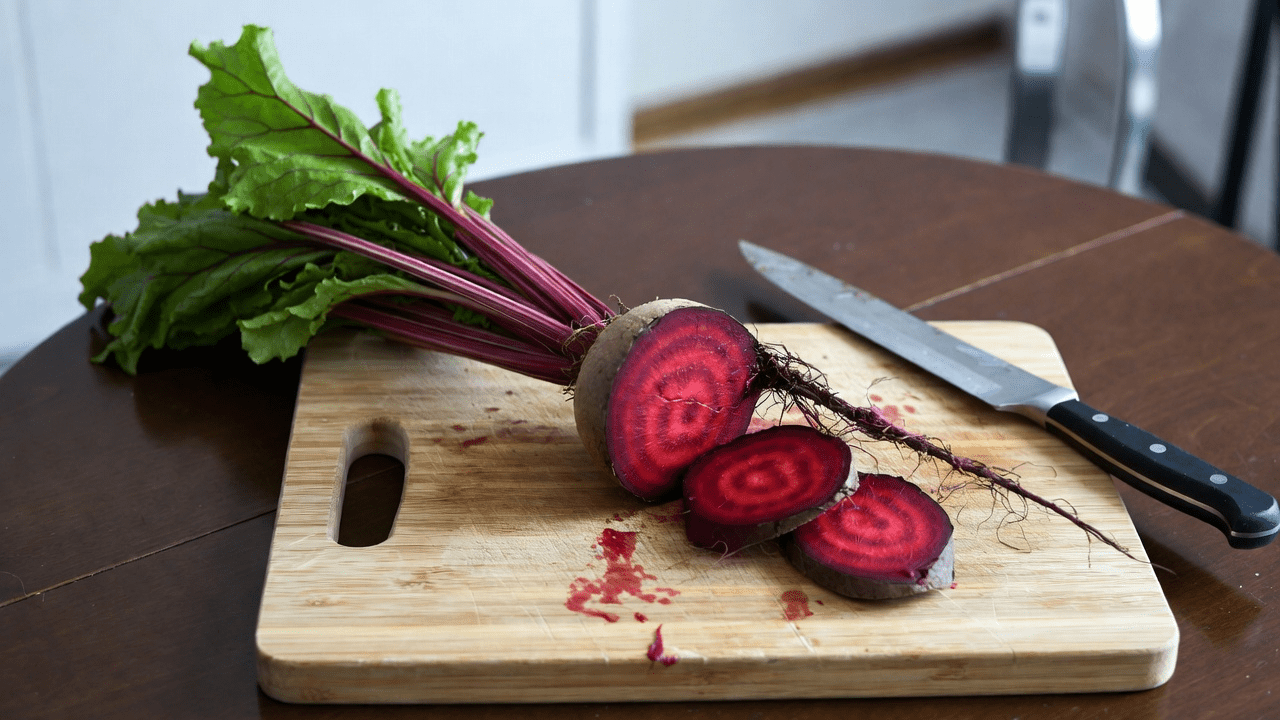
Beetroot (beets) is known for its deep red color and mild sweetness, but its real circulation connection comes from its high nitrate content. After you eat beets (or drink beet juice), dietary nitrates can convert into nitric oxide, which may support vessel relaxation and improved circulation.
Studies involving older adults and people with circulation-related concerns suggest beetroot (as juice or whole food) may:
- Increase plasma nitrite levels (a marker related to nitric oxide availability)
- Support endothelial function (how well blood vessels respond and dilate)
- Contribute to blood pressure regulation, which is closely connected to vascular health
Some research indicates measurable changes in certain markers can occur within hours to days, depending on the measure and the individual.
So how might this translate into a bedtime-friendly routine?
Possible Benefits of Adding Beetroot at Night
A consistent evening beetroot habit may support comfort in several practical ways:
- Lighter-feeling mornings: Some people report less stiffness upon waking, potentially tied to improved overnight oxygen and nutrient delivery.
- Less evening heaviness: Supporting circulation may help legs feel more comfortable after a full day of activity.
- Cardiovascular support: Peripheral circulation is connected to whole-body heart and vessel health, and beets also contain helpful plant compounds.
- More nighttime comfort: Better comfort may reduce sleep interruptions; beets also provide potassium, which supports muscle function.
- Smoother recovery after activity: Improved delivery of nutrients and oxygen may support recovery after walking or light exercise.
These are supportive possibilities—not guaranteed outcomes—but they align with how nitrate-rich foods work in the body.
Beetroot vs. Traditional Circulation Approaches
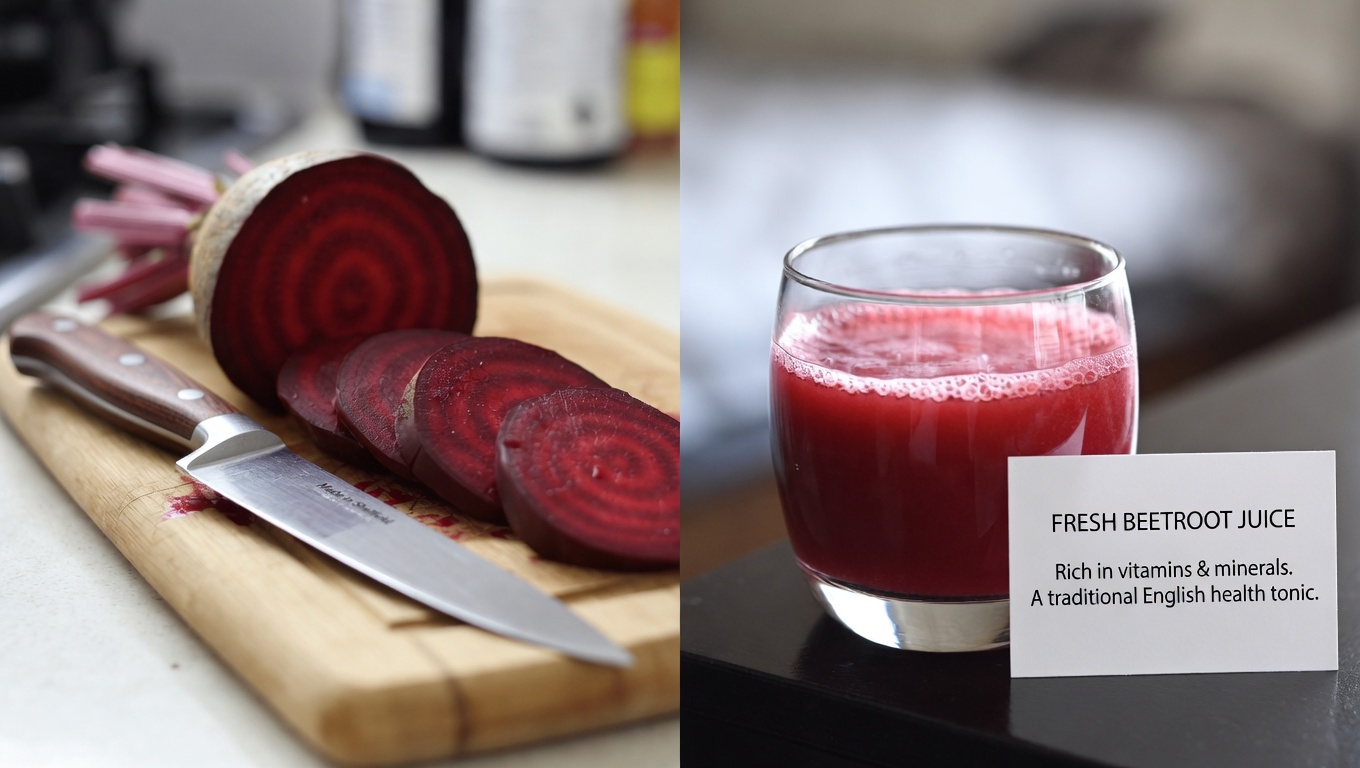
Beetroot is not a replacement for medical care, but many people explore it as a gentle complement. Here’s a practical comparison:
-
Accessibility
- Traditional options: may involve prescriptions, devices, or clinical supervision
- Beetroot: an everyday grocery item that’s simple to prepare
-
Composition
- Traditional options: often synthetic or processed
- Beetroot: naturally contains nitrates, antioxidants, and key nutrients
-
Timeline
- Traditional options: some benefits may take weeks depending on the approach
- Beetroot: some studies show changes in certain markers within hours (results vary)
-
Cost
- Traditional options: may become expensive over time
- Beetroot: typically affordable as fresh beets or juice
How to Try Beetroot Before Bed (Simple Steps)
If you want to experiment safely, keep it straightforward:
-
Pick your format
- Choose fresh beets (sliced, cooked, or blended) or beetroot juice.
- Organic is a plus when available, to reduce pesticide exposure.
-
Start with a modest serving
- Try about ½ cup of sliced beets or 4–8 oz (120–240 ml) of beet juice.
- Aim to take it 1–2 hours before bedtime.
-
Keep preparation easy
- Wash well, peel if you prefer, and use it:
- Raw in salads
- Lightly steamed or roasted
- Blended into a smoothie
- Pairing with a light snack may feel easier on digestion for some people.
- Wash well, peel if you prefer, and use it:
-
Stay consistent for a week
- Track changes in:
- Warmth in feet
- Nighttime comfort
- Morning stiffness or heaviness
- Track changes in:
-
Adjust based on how you feel
- Reduce the amount if it feels too strong for your stomach, or discuss dosing with a clinician.
Safety notes
- Beetroot is generally well tolerated.
- A harmless side effect is red or pink urine/stool (beeturia).
- If you have kidney concerns or take certain medications (including blood pressure medications), speak with a healthcare professional first.
What Some Seniors Report After Trying Beetroot at Night
Personal experiences vary, but many older adults say they notice practical improvements after adding beetroot in the evening. Some describe warmer feet at night, while others report less leg heaviness and more comfortable mornings, helping them stay consistent with walking, hobbies, or daily errands.
These stories are not proof—but they do match broader research trends suggesting nitrate-rich foods can support vascular function. The best approach is careful personal testing with professional guidance when needed.
Next Steps Toward More Comfortable Nights and Easier Mornings
If nighttime leg discomfort or cold feet are affecting your sleep, beetroot may be a simple, food-based habit worth discussing with your healthcare provider. As part of a consistent routine, it may support:
- Better morning comfort
- Reduced evening heaviness
- Long-term vascular support and vitality
Note: Beetroot also contains betalains, plant pigments studied for their antioxidant and inflammation-supporting properties—another reason it can be a valuable addition to your plate.
FAQ
Can beetroot improve leg circulation overnight?
Research suggests beetroot nitrates may help the body produce nitric oxide, which supports blood vessel relaxation and circulation. Some markers can change relatively quickly, but consistent use is typically more supportive than one-time use.
How much beetroot should seniors take before bed?
A common starting point is ½ cup of beets or 4–8 oz of beet juice about 1–2 hours before sleep. Individual needs vary, so personalize with medical guidance.
What side effects should I watch for?
Beetroot can cause harmless red urine or stool. If you have kidney disease, are prone to kidney stones, or take blood pressure medications, consult your clinician before increasing intake.
Medical Disclaimer
This article is for informational purposes only and does not replace professional medical advice. Always consult a qualified healthcare provider before making dietary changes, especially if you have medical conditions or take prescription medications.