
Aloe Vera for Dry, Flaky Skin: Hydration, Comfort, and Gentle Eye-Area Support
Fast-paced lifestyles, changing weather, pollution, and everyday stress can leave skin feeling tight, rough, and visibly flaky. When that happens, many people look for straightforward, natural ways to bring back a smoother, healthier-looking glow—without piling on complicated products.
Aloe vera is one of the most trusted plants for skin comfort, thanks to its naturally hydrating gel and long history in daily wellness routines. Beyond general skincare, there’s also growing curiosity about how aloe may gently support the delicate skin around the eyes—if used carefully.
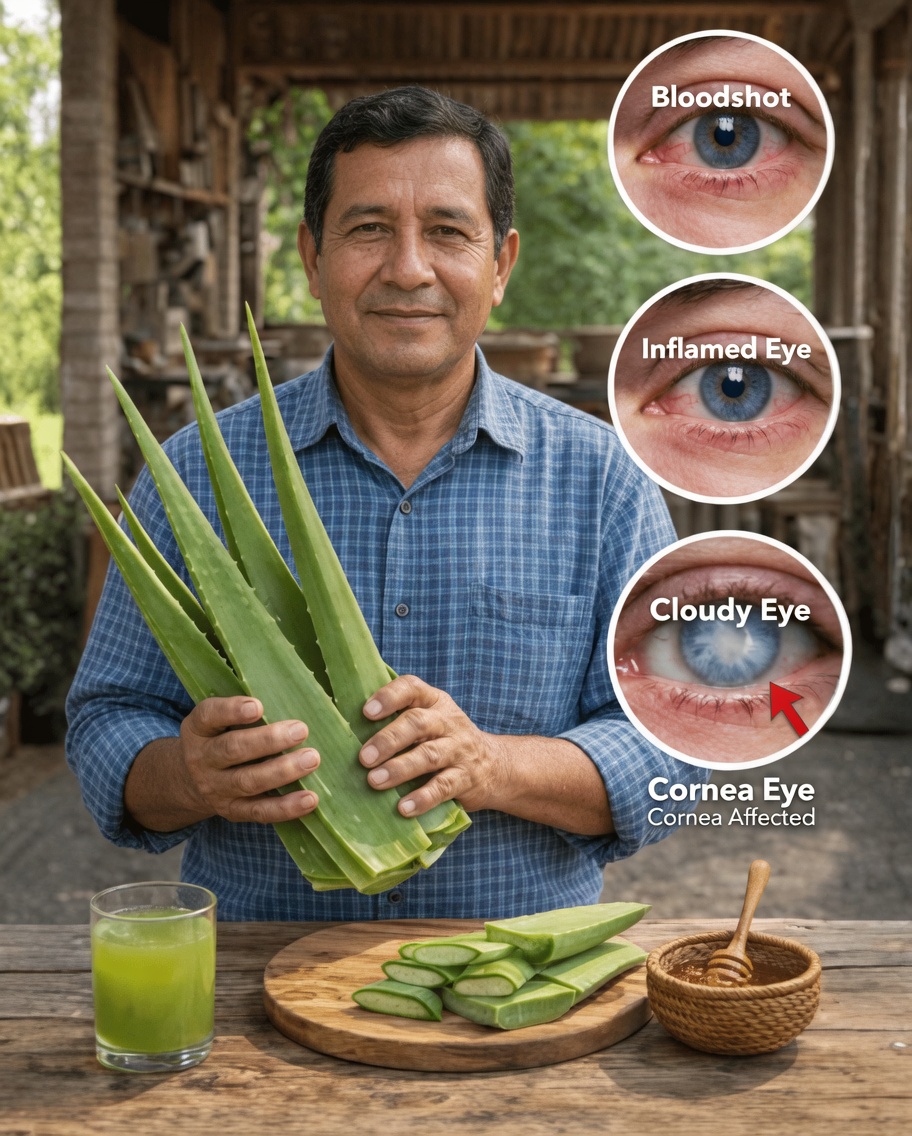
What Is Aloe Vera—and Why Do So Many People Use It?
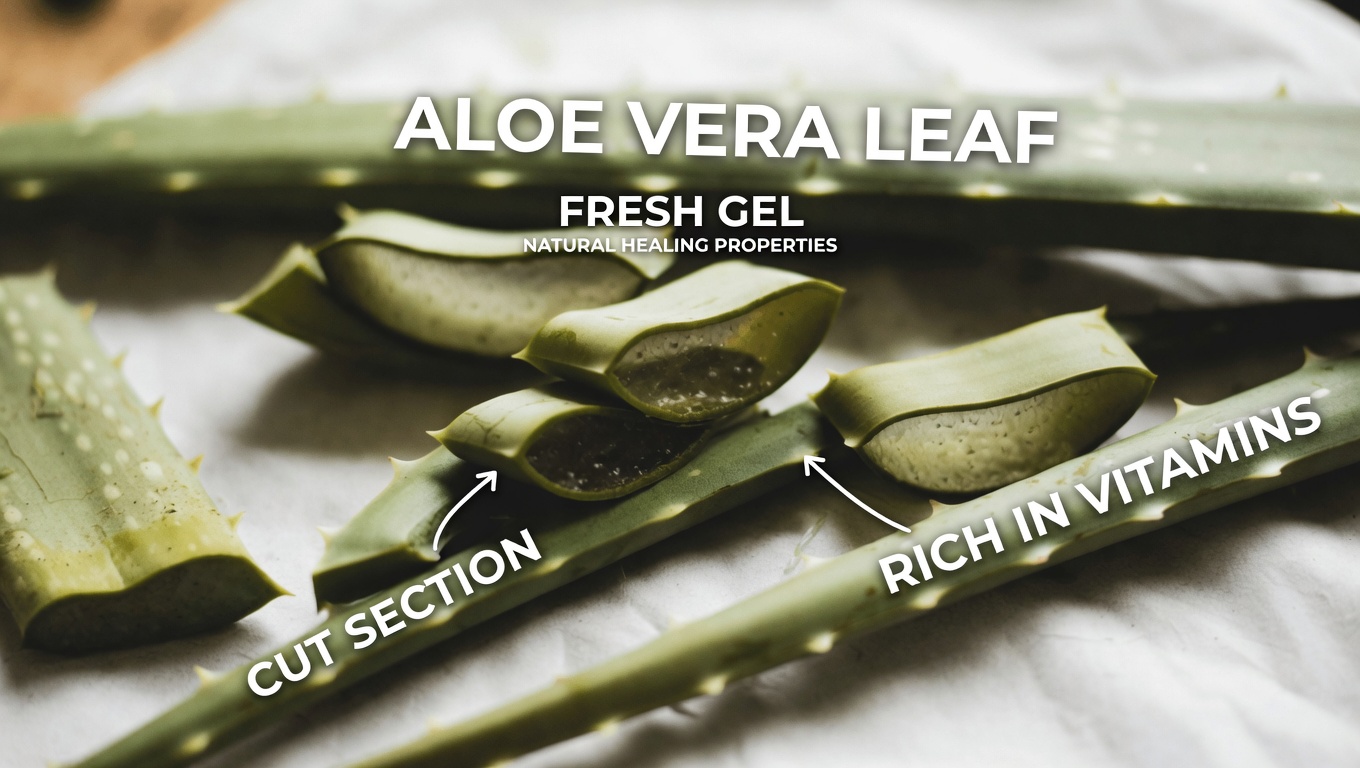
Aloe vera is a drought-resistant succulent that stores water inside thick, fleshy leaves. When you open the leaf, you’ll find a clear gel that contains a mix of beneficial compounds, including vitamins, minerals, and antioxidants—one reason it’s widely used in natural skincare.
Across many cultures and generations, aloe has been valued for its cooling, comforting feel on the skin. Today, it’s still a household essential because it’s easy to use, widely available, and fits into simple routines. Research also suggests aloe contains compounds that support skin moisture and provide a soothing effect—making it a popular choice for everyday care.
How Aloe Vera Helps Hydrate and Calm Dry Skin
One of aloe vera’s most recognized benefits is lightweight yet effective hydration. The gel contains moisture-binding components that help the skin feel softer and more supple throughout the day.
Regular use may also help support a healthier-looking skin barrier, which can gradually reduce the appearance of dryness. For people who prefer to avoid heavy or highly synthetic moisturizers, aloe can feel like a cleaner, more breathable alternative.
Aloe is also known for its calming properties. Its natural compounds may help ease mild irritation caused by common daily exposures such as wind, sun, or dry air. Many people enjoy applying aloe after time outdoors because it feels instantly refreshing, and consistent use may improve the look and feel of skin texture (results vary by individual).
Aloe Vera for Skin Repair and a More Youthful-Looking Appearance
As skin matures, concerns like reduced elasticity and fine lines become more common. Aloe vera has been studied for its potential to support processes tied to collagen and elastin—two proteins closely linked to firmness and bounce.
Research has also explored aloe’s role in skin regeneration, which may help soften the look of fine lines over time. For those seeking plant-based, gentle options, aloe offers an approachable addition to long-term skincare habits.
Another benefit: aloe can act like a mild exfoliating support by helping loosen dead surface cells, revealing a brighter-looking complexion. Its antioxidant content may also help skin handle day-to-day environmental stressors.
Some studies have reported improvements in skin moisture and elasticity among participants using aloe consistently, suggesting it can be a subtle but meaningful way to maintain a healthy-looking glow.
Aloe Vera vs. Typical Moisturizers: A Quick Comparison
Below is a simple overview of how aloe vera gel often compares with common synthetic moisturizers:
-
Hydration source
- Aloe vera gel: natural mucopolysaccharides
- Synthetic moisturizers: chemical humectants
-
Soothing effect
- Aloe vera gel: naturally occurring calming compounds
- Synthetic moisturizers: may include added fragrances/preservatives
-
Skin-type compatibility
- Aloe vera gel: generally suitable for most skin types, including sensitive
- Synthetic moisturizers: may irritate some users depending on formula
-
Added nutrients
- Aloe vera gel: commonly contains vitamins such as A, C, and E
- Synthetic moisturizers: varies; often includes lab-derived ingredients
-
Environmental profile
- Aloe vera gel: plant-based and potentially more sustainable
- Synthetic moisturizers: may be petroleum-derived
Even with natural products, a patch test is always smart—especially if your skin is reactive.
Easy Ways to Add Aloe Vera to Your Daily Routine
Aloe is popular because it’s low-effort and easy to layer into busy schedules.
Daily use for lightweight hydration
After cleansing in the morning, smooth a thin layer of pure aloe vera gel across your face. It absorbs quickly, feels weightless, and can sit comfortably under sunscreen or makeup. You can also blend a small amount with your usual serum for extra slip and hydration.
Simple DIY aloe face mask (weekly refresh)
- Prepare the gel: scoop fresh gel from a leaf or use a high-quality, pure store-bought gel.
- Mix: combine 2 tablespoons of aloe gel with 1 teaspoon of honey for added moisture.
- Apply: spread evenly over the face, avoiding the eye area.
- Wait: leave on for 10–15 minutes.
- Rinse and moisturize: wash off with cool water and follow with your regular moisturizer.
Many people find this mask leaves skin feeling calmer and more balanced.
Aloe for internal wellness (optional)
Some choose food-grade aloe vera drinks to support hydration and digestion when used in moderation. Start with small amounts, read labels carefully, and choose products specifically marked for consumption. If you have health conditions or take medications, consult a qualified professional before adding aloe drinks to your routine.

Aloe Vera for Eye-Area Comfort: What We Know (and How to Use It Safely)
Although aloe is best known for face and body skincare, some people apply a tiny amount around the eyes to help with dryness or the appearance of puffiness. The gel’s cooling feel can be comforting and non-greasy.
Early and limited research suggests aloe’s hydrating properties may help reduce minor irritation around the eye area, but evidence is still developing. Aloe is not a treatment for eye conditions, and it should not replace medical care.
Tips for using aloe near the eyes (external use only)
- Choose pure, organic aloe gel with minimal additives.
- Use clean hands and apply a very small dab under the eyes.
- Consider using it at night for overnight moisture support.
- Pair with cool cucumber slices for a spa-like calming routine.
Important: apply aloe only to the skin around the eyes—never inside the eye. Stop immediately if you feel stinging, redness, or discomfort.
Safety Notes and Precautions
Aloe vera is often well tolerated when used topically, but reactions can happen. Patch test first by applying a small amount to your inner arm and waiting 24 hours.
For oral use, only choose aloe products labeled as safe for consumption. Parts of the plant (such as latex) may cause digestive upset if used incorrectly or in excess. Moderate use matters.
If you are pregnant, nursing, managing a medical condition, or taking medications, seek professional guidance before ingesting aloe or making major routine changes. When buying aloe, consider ethically sourced options to support more responsible farming practices.
Conclusion: Making Aloe Vera Part of a Balanced Skincare Lifestyle
Aloe vera offers an accessible, plant-based way to support skin hydration, comfort, and a smoother-looking texture. Used consistently and thoughtfully, it can fit into a simple routine—whether you apply it topically, use it in an occasional mask, or explore food-grade options in moderation.
Some people also find aloe helpful for gentle eye-area comfort, as long as it’s used carefully and externally only. Start with small amounts, pay attention to how your skin responds, and keep your routine practical and sustainable.
Frequently Asked Questions (FAQ)
What are simple ways to use aloe vera at home?
You can apply a thin layer of aloe gel to clean skin for hydration, mix it into a mask (for example with honey or yogurt), or use food-grade aloe in drinks or smoothies for internal support. Always choose reputable products.
Is aloe vera suitable for every skin type?
It’s generally gentle for dry, oily, and sensitive skin, but individual reactions are possible. Patch test first, and consult a dermatologist if you have chronic irritation or skin conditions.
Can aloe vera reduce the look of puffy eyes?
Some people use it under the eyes for a cooling effect that may temporarily improve the appearance of puffiness. Use only on the surrounding skin and avoid eye contact.
Disclaimer
This article is for informational purposes only and is not intended to diagnose, treat, cure, or prevent any condition. Consult a qualified healthcare professional for personalized advice.