
Many of us deal with tight, flaky dry skin after a long day, or dull, fragile hair that still won’t cooperate no matter how many products we try. When your everyday routine doesn’t deliver, it’s easy to feel discouraged—and a little less confident.
One simple, budget-friendly option that keeps resurfacing in beauty and wellness conversations is rice water: a traditional, low-waste staple that can be worked into modern self-care. And there’s a small, lesser-known trick to make it even more enjoyable to use—stay with it, because it’s revealed near the end.
What Is Rice Water?
Rice water is the milky, starchy liquid that remains after soaking rice or cooking and straining it. For centuries, it has been used in home routines across different cultures for both beauty and general wellness.
This “leftover” water isn’t just rinse-off waste. As rice sits in water, small amounts of naturally occurring compounds leach out—such as:
- Vitamins and minerals
- Amino acids
- Plant-based compounds (including inositol, highlighted in research interest)
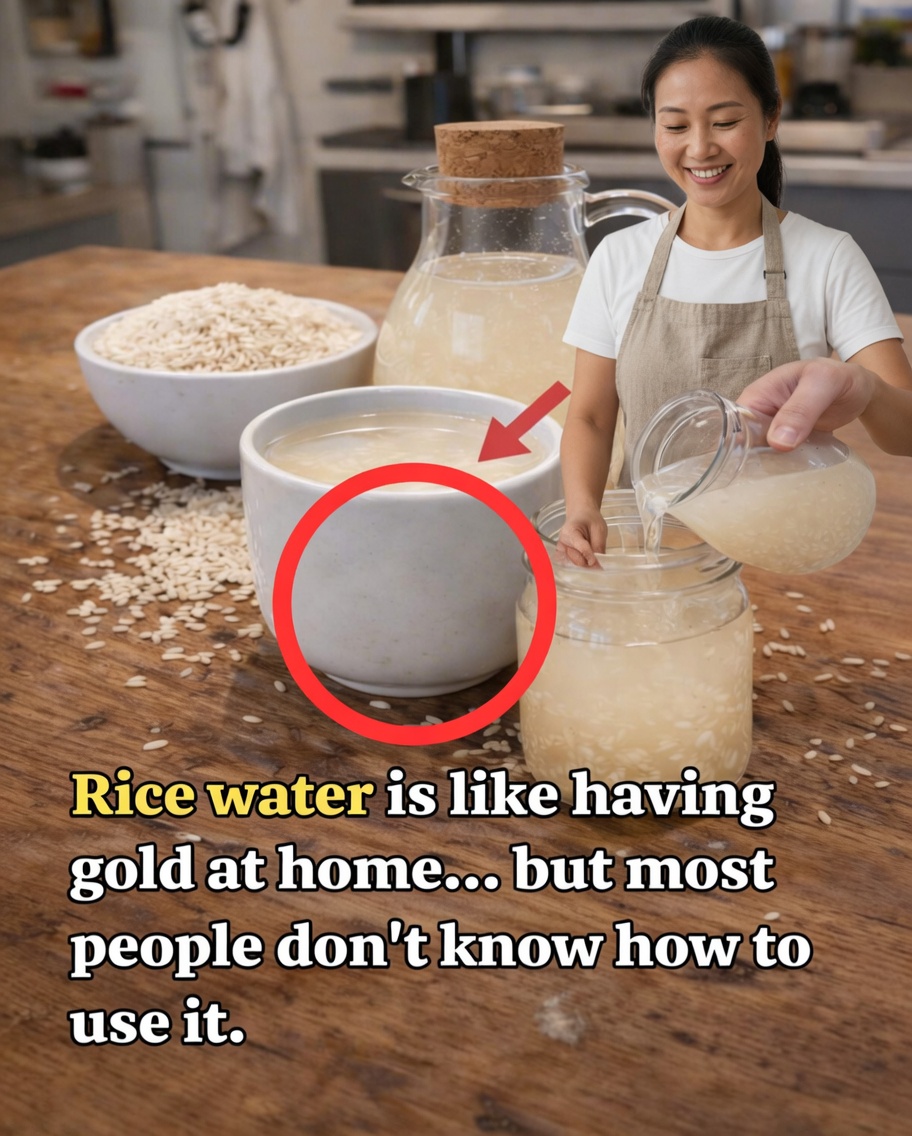
Because it’s quick to make and requires only pantry basics, rice water is easy to fit into a busy lifestyle—whether you’re using it for hair, skin, or as a mild wellness drink.
A Quick Look at the History and Cultural Traditions
Rice water has deep roots in East Asian beauty traditions, particularly in Japan and China, where it has long been used as part of hair and skin rituals.
A frequently cited example is China’s Huangluo Yao Village, where residents popularly attribute their long, strong hair to consistent use of fermented rice water.
Rice water also appears in traditional systems such as Ayurveda, where rice-washed water has been used across everyday life—ranging from household practices to cosmetic applications.
Beyond tradition, rice water also supports a modern value: sustainability. Reusing what would normally be discarded helps reduce waste while adding something practical to your routine.
Potential Hair Benefits (What People Use It For)
Rice water is especially popular in hair care, driven by both long-standing anecdotal use and early scientific attention.
Some research suggests rice water may help improve the way hair behaves by supporting:
- Reduced surface friction (hair may feel smoother)
- Improved elasticity (potentially less breakage during styling)
Rice water also contains nutrients often associated with general hair vitality—such as B vitamins and vitamin E.
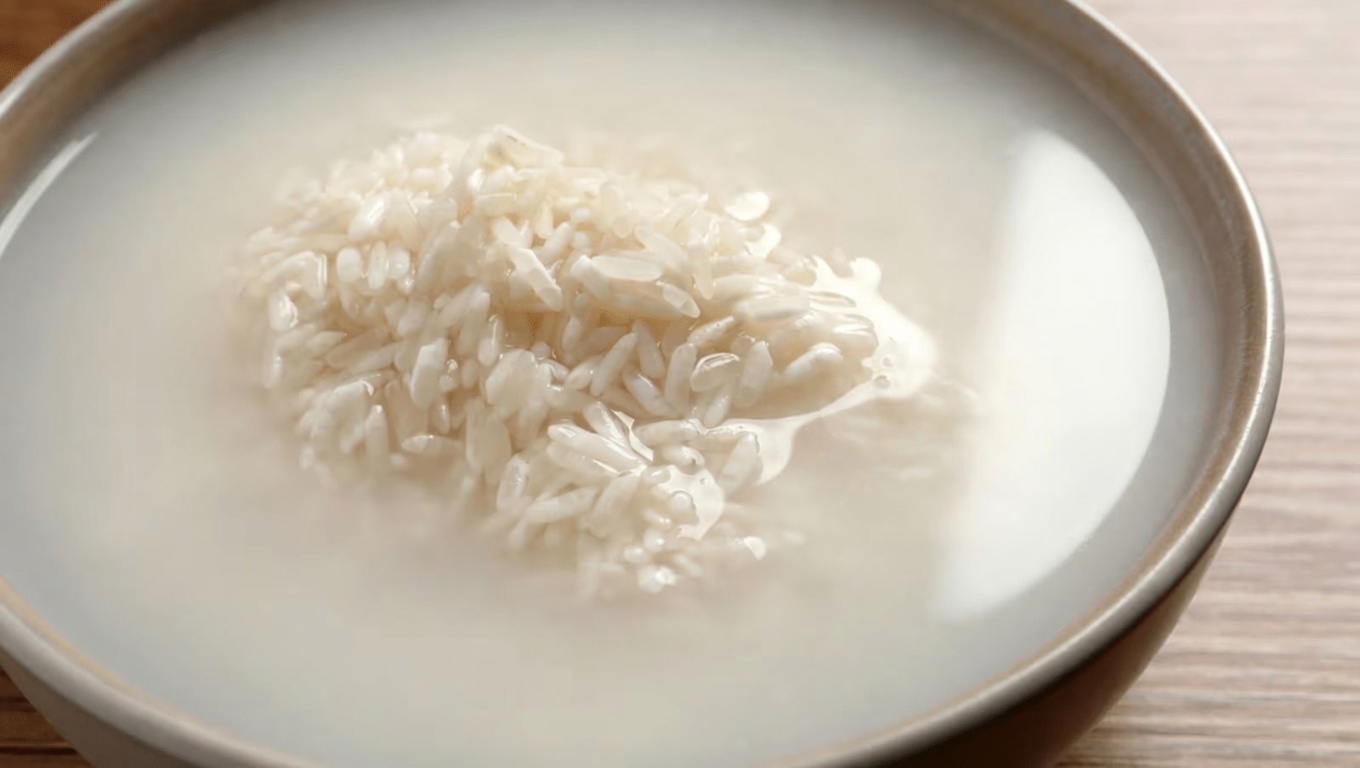
Why fermented rice water gets extra attention
Fermented versions are often described as “stronger” in effect and may offer additional supportive properties. Some reviews of rice fermentation byproducts discuss potential anti-aging-related effects, which may be relevant to overall scalp and hair condition.
Key components commonly linked to hair support
- Inositol: often discussed for helping support the feel of damaged hair over time
- Amino acids: associated with hair structure and resilience
- Antioxidants: may help counter environmental stress exposure
- Vitamins (especially B-group): frequently tied to hair strength and shine
Results can differ by hair type, frequency, and how you apply it—so treat it as a gentle experiment rather than a guaranteed fix.
Potential Skin Benefits (Hydration and Comfort)
Rice water isn’t only a hair trend—it’s also widely used in simple skincare routines, especially by people looking for a mild, soothing option.
Studies suggest rice water formulations may support skin hydration. For example, one study reported increased hydration when using a gel containing a high percentage of rice water compared with a placebo.
Rice water is also valued for:
- A softening feel due to its starch content
- Antioxidant activity, which may help address everyday exposure to environmental stressors
- Fermented versions that have been explored for sun-related skin appearance support
Many people use rice water as a lightweight toner, a compress, or a simple mask ingredient. As with any new topical routine, it’s smart to patch test first, especially if your skin is sensitive.
Rice water types for skincare: a simple guide
- Soaked rice water: gentle, basic hydration and calming feel
- Boiled rice water: often richer and more concentrated
- Fermented rice water: commonly used for enhanced antioxidant-focused routines
For Digestive Comfort and Everyday Wellness
Outside of beauty routines, rice water has also been used traditionally as a mild, soothing drink during periods of digestive discomfort.
Its starch content is often described as helpful for a gentle, settling effect, and rice water may contribute small amounts of minerals such as:
- Magnesium
- Zinc
If you try it as a drink, consider diluting it, keeping portions modest, and treating it as a supportive habit—not a replacement for medical care or treatment.
How to Make Rice Water (3 Easy Methods)
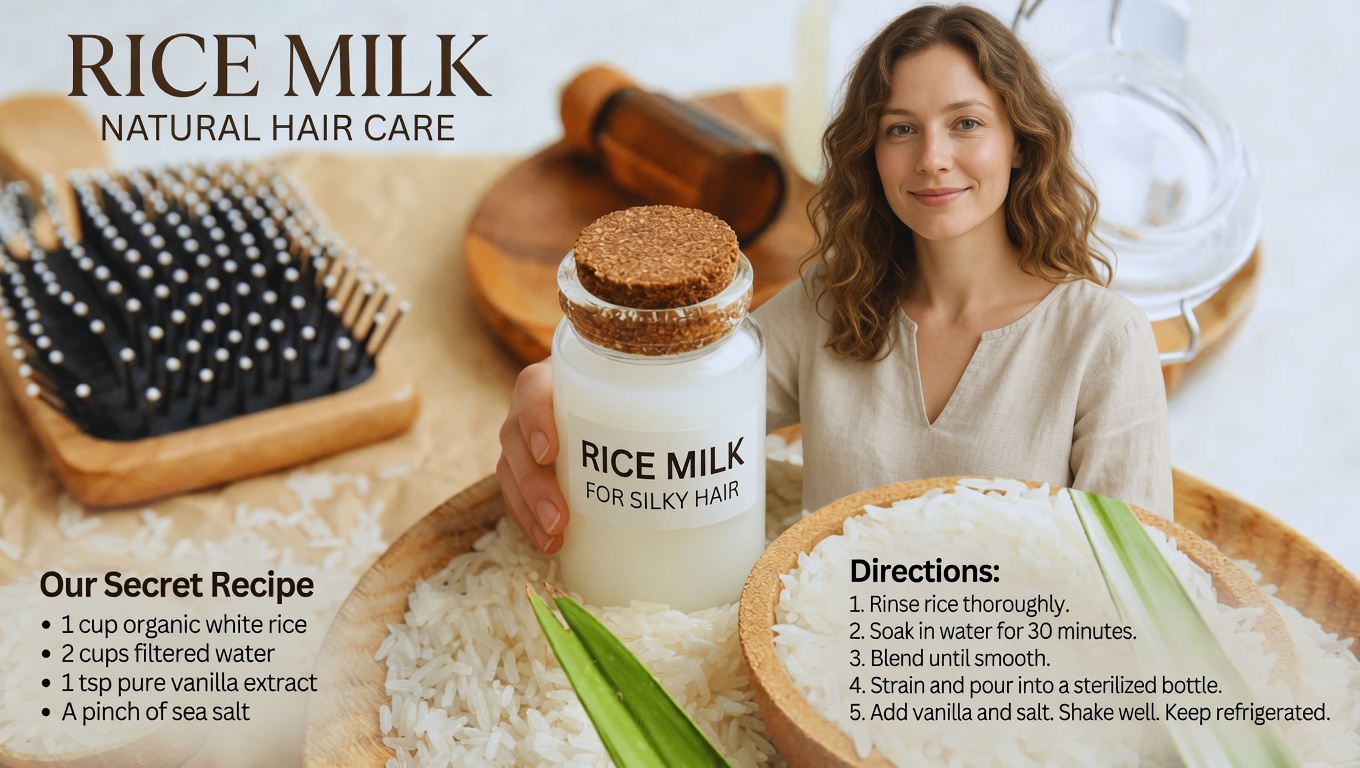
Rice water is simple to prepare with minimal tools. Start with about 1/2 cup uncooked rice (any type works; organic is often preferred). Rinse briefly, then choose one method:
1) Soak method (fast and beginner-friendly)
- Add rice to a bowl with 2–3 cups of water
- Let sit for 30 minutes, stirring occasionally
- Strain into a clean container
2) Boil method (more concentrated)
- Cook rice using extra water (roughly double your normal amount)
- Once rice is done, strain the remaining water into a container
3) Ferment method (stronger aroma and “active” feel)
- Make soaked rice water first
- Leave it at room temperature for 24–48 hours until it smells slightly sour
- Refrigerate to slow/stop fermentation
Storage: Keep rice water refrigerated for up to 7 days. If fermented, many people prefer using it sooner for best freshness.
Practical Ways to Use Rice Water Daily
Rice water can be added to routines in several low-effort ways.
For hair
- After shampooing, apply to scalp and lengths
- Massage gently
- Leave on for 5–20 minutes
- Rinse thoroughly
For skin
- Use as a toner by applying with a cotton pad after cleansing
- Combine with other simple ingredients (like oatmeal) for a quick mask texture
For drinking (optional)
- Dilute first
- Sip in small amounts, especially after meals
- Stop if you notice discomfort
Consistency matters—but so does moderation. Overuse on hair or skin may cause buildup for some people.
Safety Notes and Smart Tips
Rice can contain trace arsenic, which varies by rice type and growing region. To reduce risk:
- Use rice water in moderation
- Consider choosing lower-arsenic rice varieties
- If irritation occurs, discontinue use
- If you have known sensitivities or health conditions, consult a qualified professional before adding new habits
The surprising twist: a simple scent upgrade
A lesser-known trick is to ferment rice water with clean citrus peels (such as orange or lemon) for a naturally fresher scent—making the experience more pleasant without adding artificial fragrance.
Conclusion
Rice water is a simple, accessible, and low-waste option for people exploring traditional approaches to hair care, skincare, and gentle wellness routines. Backed by centuries of cultural use and growing scientific curiosity, it can be a practical addition to modern self-care—especially when prepared carefully and used with balance.
FAQ
What’s the best way to store rice water?
Keep it in a clean, sealed container in the refrigerator for up to 7 days. Fermented rice water is often best used within 2–3 days for freshness.
Can I use rice water every day?
It depends on your skin and hair. Many people start with 2–3 times per week to avoid buildup, then adjust based on results.
Is rice water different when made with white vs. brown rice?
Yes. Brown rice water may contain more nutrients due to the bran layer, while white rice water is typically milder.
Educational content only. This is not medical advice. Always consult a healthcare professional before starting new routines, particularly if you have underlying health conditions.