
In a world where schedules are packed and nutrition advice is often contradictory, finding a food that’s both wholesome and easy to prepare can feel like a challenge. If you want something simple that supports daily well-being without turning meals into a complicated project, sweet potatoes are a smart option. This naturally sweet, satisfying root vegetable fits into countless dishes—and may even help you feel more steady, focused, and energized throughout the day.

What Are Sweet Potatoes?
Sweet potatoes are nutrient-rich root vegetables originally cultivated in Central and South America, but they’re now popular across the globe. Unlike white potatoes, sweet potatoes belong to the morning glory family, and they come in several varieties—most commonly orange, but also purple and other shades.
They’re known for their naturally sweet flavor and starchy texture, which makes them a staple in many cuisines. One common confusion: sweet potatoes are not the same as yams. True yams are a different plant, typically more dry and starchy, and less sweet.
Sweet Potato Nutrition: What’s Inside?
A medium sweet potato (about 150 g) delivers a strong mix of vitamins, minerals, and fiber. Key highlights include:
- Vitamin A (from beta-carotene): Often provides more than 100% of daily needs
- Vitamin C: Roughly a quarter of the recommended daily intake
- Potassium: Similar range to what you’d get from a banana, supporting fluid balance
- Fiber: About 4 g, with a meaningful portion being soluble fiber
- Other nutrients: Manganese, vitamin B6, and small amounts of iron
These nutrients tend to work best when you eat sweet potatoes as a whole food, rather than as processed versions.
Cooking matters: In general, boiling or baking helps preserve more nutrients than deep-frying.
How Sweet Potatoes Support Digestion
One of the biggest benefits of sweet potatoes is their fiber content, which can help keep digestion more consistent.
- Soluble fiber forms a gel-like texture in the gut, which can support smoother digestion and steadier nutrient absorption.
- The fiber may also encourage regular bowel movements, which can be helpful if you experience occasional constipation.
- Sweet potatoes contain prebiotic fibers that can feed beneficial gut bacteria, potentially supporting a healthier microbiome over time.
If you don’t usually eat much fiber, increase your intake gradually to reduce the chance of temporary bloating or discomfort.

Blood Sugar, Carbs, and Energy: What to Expect
Sweet potatoes contain carbohydrates, but many people find they provide more stable energy than refined grains or sugary snacks. That’s largely because they have:
- Moderate glycemic impact compared with many processed carb sources
- Fiber and resistant starch, which slow digestion and help reduce rapid blood sugar spikes
This slower release of energy can be especially useful for staying productive during long days or avoiding the “crash” that can follow high-sugar meals.
Practical tip: Pair sweet potatoes with protein (eggs, yogurt, beans, fish, tofu) to support even steadier energy.
Portion guideline: For most people, one medium sweet potato per meal is a reasonable reference point.
Immune Support and Antioxidant Power
The vivid colors in sweet potatoes are a sign of their antioxidant compounds:
- Orange sweet potatoes are rich in beta-carotene, which your body converts into vitamin A—a key nutrient for immune function.
- Vitamin C supports immune defenses and helps protect cells from oxidative stress.
- Purple sweet potatoes contain anthocyanins, antioxidant pigments also found in berries and other purple foods.
A useful bonus: many of these compounds remain effective even after cooking, so you still benefit from baked, boiled, or roasted sweet potatoes.
Heart Health Benefits
Sweet potatoes can support heart health in several ways:
- Potassium helps balance sodium and supports healthy blood pressure regulation.
- Fiber supports overall cardiovascular health and may contribute to healthier cholesterol patterns over time.
- Antioxidants may help protect blood vessels from oxidative stress.
To add a sustainability benefit, consider choosing locally grown sweet potatoes when possible.
Skin and Eye Health: A Natural Boost
Sweet potatoes are well known for their beta-carotene, which supports:
- Eye health, including the function of the retina
- Skin renewal, as vitamin A plays a role in normal cell turnover and maintenance
They also contain water and minerals that contribute to overall hydration status, which can indirectly support skin appearance.
Absorption tip: Beta-carotene is fat-soluble—eat sweet potatoes with a small amount of healthy fat (like olive oil, avocado, nuts, or tahini) to improve absorption.
Potential Risks and When to Be Careful
Sweet potatoes are safe for most people, but a few situations call for caution:
- High potassium: If you have kidney disease or impaired kidney function, you may need to limit potassium-rich foods.
- Oxalates: Sweet potatoes contain oxalates, which could be a concern for people prone to certain kidney stones—especially with very high intake.
- Digestive sensitivity: Very large servings (or eating them raw) may cause gas or discomfort in some people.
For most individuals, moderation is the key—often around 1–2 servings per day, depending on overall diet and needs.
Who Should Limit Sweet Potatoes?
You may want medical guidance or extra awareness if you fall into one of these groups:
- People taking medications that affect potassium levels (for example, some beta-blockers)
- Individuals managing diabetes who need to monitor carbohydrate intake carefully
- Anyone with a history of kidney stones or kidney disease
- Those with specific food sensitivities (though sweet potatoes are not nightshades)
Quick Overview
- Digestion
- Benefits: supports regularity, prebiotic fiber
- Possible downside: bloating if increased too quickly
- Blood sugar
- Benefits: steadier energy than many refined carbs
- Possible downside: still a carb source—portion matters for some
- Nutrients
- Benefits: high in vitamins and antioxidants
- Possible downside: oxalates may matter for stone-prone individuals
Easy Ways to Eat Sweet Potatoes Every Day
If you want consistent benefits without extra effort, try these simple routines:
- Keep it basic: Bake one and add cinnamon for a quick breakfast
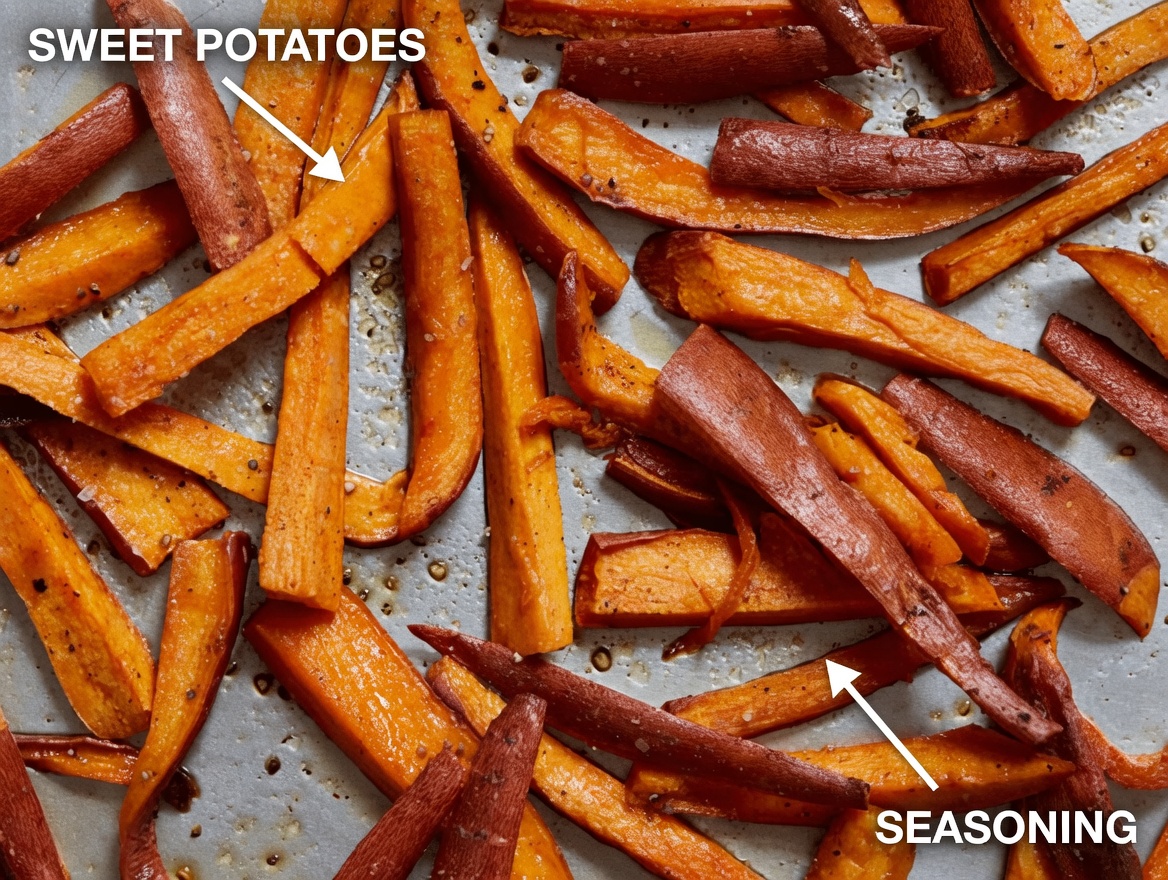
- Batch cook: Roast a tray for the week and use as sides, salad add-ins, or bowl bases
- Blend or stir in: Add to soups or smoothies for a subtle sweetness and extra nutrients
- Watch serving size: Aim for about ½ to 1 cup cooked per serving
- Switch varieties: Try purple sweet potatoes for different antioxidants and flavor
Track how your body responds over a week—especially digestion and energy.
Simple, Delicious Recipe Ideas
- Sweet potato breakfast hash: Dice and sauté with onion, then add eggs and season lightly
- Stuffed baked sweet potato: Fill with beans, greens, and a drizzle of tahini
- Crispy snack: Slice and air-fry for “chips” with minimal or no oil
Keeping recipes varied makes it easier to stay consistent and enjoy the benefits long-term.
Summary
Adding sweet potatoes to your regular meals is a practical way to increase fiber, vitamins, minerals, and antioxidants—supporting digestion, steadier energy, immune health, and more. The key is balance: choose smart portions, cook them in nutrient-friendly ways, and pay attention to how you feel.
The “unexpected twist” many people notice? More stable afternoon energy—sometimes with less need for caffeine.
Frequently Asked Questions (FAQ)
Can eating sweet potatoes daily support weight management?
Sweet potatoes can help with weight management because their fiber and satisfying texture may increase fullness and reduce cravings. However, results depend on your overall calorie intake, portion sizes, and lifestyle—sweet potatoes help most when they replace more processed foods rather than simply adding extra calories.