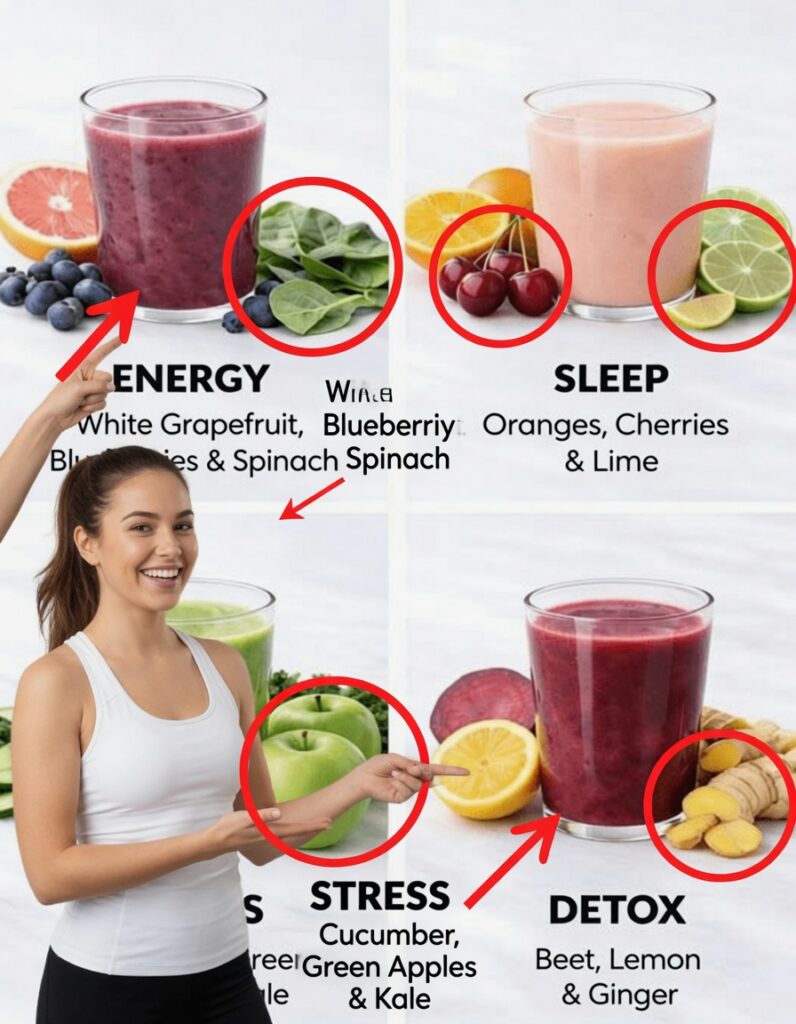
Feeling Low on Energy? Juicing Can Be a Simple, Natural Reset
Modern life moves fast, and it’s common to feel drained by the end of the day—especially if you’re also thinking about how to stay healthy and active as you get older. When energy is low, everything feels harder: exercise, focus, even enjoying everyday routines.
A practical way to support daily vitality is to add more fresh fruits and vegetables to your routine—without overcomplicating meals. One of the easiest options is fresh juicing, which turns produce into an easy-to-drink source of nutrients. And at the end of this guide, you’ll find a surprisingly powerful juice combo that many people end up loving.
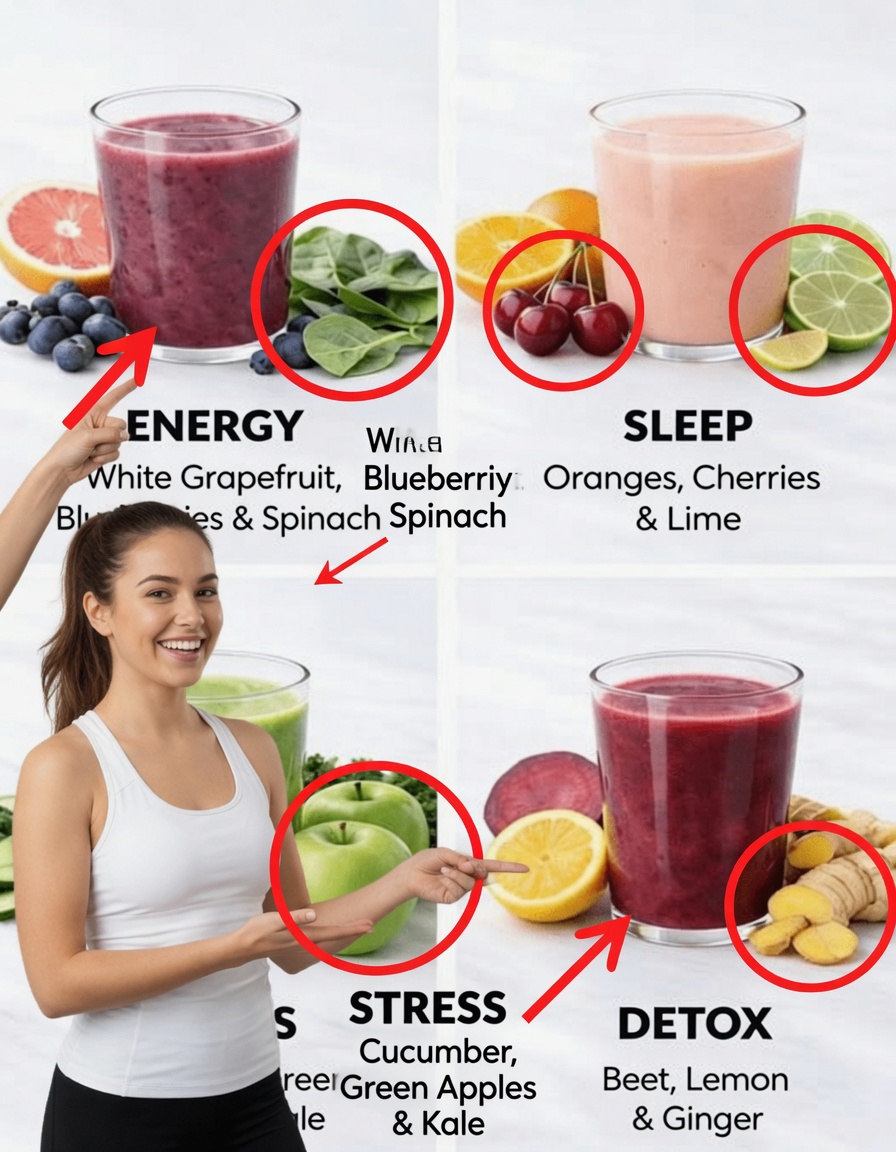
Juicing 101: What It Is and Why It’s Popular
Juicing is the process of extracting the liquid from fruits and vegetables using a juicer, separating most of the fiber (pulp) from the drink. The result is a concentrated, nutrient-dense beverage that’s quick to consume.
Many people use juicing as a convenient way to eat more plants. This aligns with guidance from public health organizations (including the World Health Organization) that consistently encourage higher fruit and vegetable intake due to its link with improved health outcomes. Juicing isn’t the only way to increase produce, but it can be a practical method for people who struggle to eat enough whole fruits and vegetables.
Why People Add Juicing to a Wellness Routine
Fresh juices can support daily nutrition by delivering a variety of vitamins, minerals, and beneficial plant compounds. Research in nutrition literature (including findings often discussed in sources like the American Journal of Clinical Nutrition) frequently connects produce-rich eating patterns with lower inflammation markers.
Another reason juicing sticks as a habit: it’s enjoyable. Mixing colors, flavors, and textures turns “healthy eating” into something creative and customizable rather than restrictive.
Key Benefits of Fresh Fruit and Vegetable Juices
Fresh juices offer more than just taste. When built thoughtfully (especially with more vegetables than fruit), they can support multiple wellness goals.
Nutrient Density That Supports Everyday Resilience
Many fruits and vegetables contain antioxidants, compounds that help protect cells from oxidative stress caused by normal metabolism and environmental factors. Juices made from berries, leafy greens, and colorful vegetables can be rich in these antioxidants, supporting overall cellular health.
In addition, specific juices offer distinct nutrients:
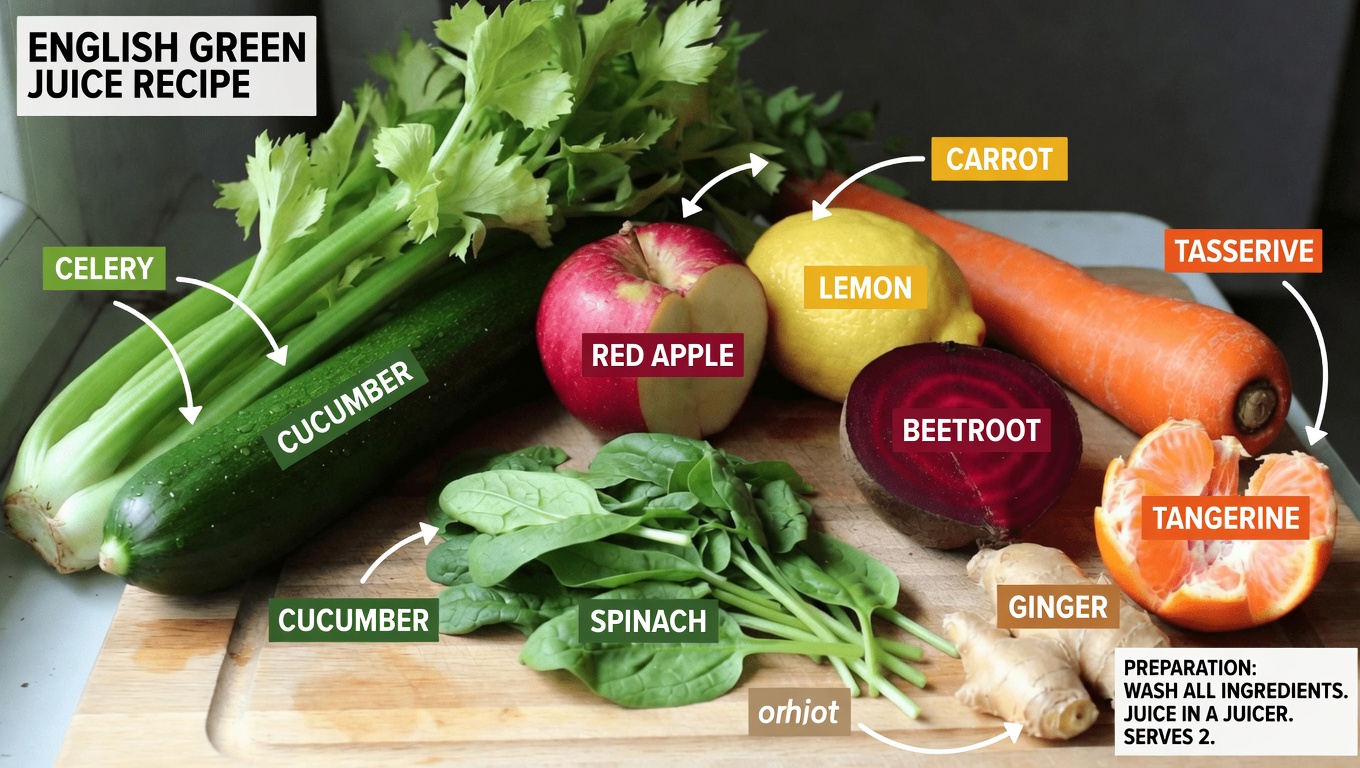
- Carrot juice can provide beta-carotene (a precursor to vitamin A)
- Beet juice contains natural nitrates, which are widely studied for their role in supporting healthy circulation
Nutrition That Can Support Heart Health
Long-term wellness is closely tied to cardiovascular health. Observational research (including widely cited work associated with institutions like the Harvard T.H. Chan School of Public Health) often shows that people who regularly eat more fruits and vegetables tend to display better cardiovascular markers overall.
Certain produce choices may be particularly helpful as part of a balanced diet:
- Juices featuring oranges or bananas can contribute potassium, a nutrient associated with maintaining normal blood pressure
Hydration and Skin-Friendly Nutrients
Because many fruits and vegetables naturally contain a high water content, juicing can contribute to daily hydration—alongside regular water intake. Hydration supports skin comfort and elasticity.
Also, vitamin C (common in citrus-based juices) is involved in collagen production, an important structural protein in skin.
A Practical Way to Reach Produce Goals
If eating several servings of produce daily feels like a challenge, juicing makes it easier by condensing multiple ingredients into one drink. This can help people move closer to common nutrition targets (such as recommendations frequently referenced by agencies like the USDA) of roughly five servings of fruits and vegetables per day.
Getting Started: Tools, Setup, and Best Practices
Starting is easier than most people expect. Focus on the basics and build from there.
Picking a Juicer That Fits Your Lifestyle
Two common juicer styles include:
- Centrifugal juicers: typically budget-friendly and fast, great for beginners
- Masticating (slow) juicers: often quieter, can extract more juice, and may preserve nutrients better due to lower heat and oxidation
Both types can work well—your best choice depends on budget, time, and what ingredients you use most (especially leafy greens).
Ingredient Prep: Keep It Simple and Safe
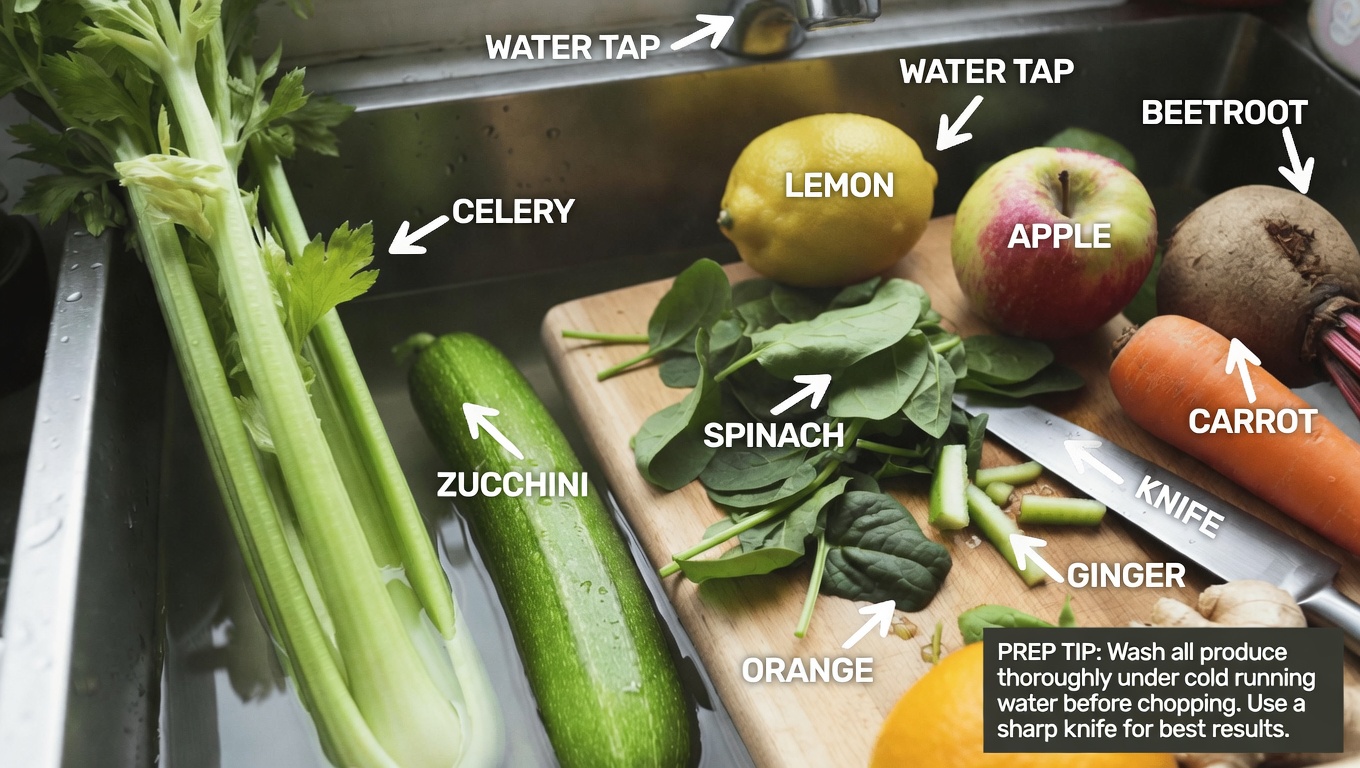
- Wash produce thoroughly to reduce dirt and residue
- Cut fruits and vegetables into sizes your juicer can handle
- To save time, prep ingredients and refrigerate them for up to 24 hours
Cleaning Matters More Than You Think
For best flavor and hygiene:
- Disassemble your juicer right after use
- Rinse components immediately
- Use a small brush to clean tight areas
Consistent cleaning reduces buildup and helps your juice taste fresh every time.
Smart Juicing Habits for Better Results
Juicing works best when it supports a balanced diet rather than replacing it.
Go Heavier on Vegetables Than Fruit
A vegetable-forward recipe usually provides more nutrients with less sugar. A simple guideline many people like is:
- 80% vegetables / 20% fruit
This approach also tends to align with steadier blood sugar responses based on insights from nutritional epidemiology.
Skip Added Sugars and Sweeteners
Let the ingredients do the work. Added sugars can quickly change the health profile of a juice, while natural flavors from fruits and veggies are usually more than enough.
Use Juice as a Complement, Not a Substitute
Juices can support nutrition, but they’re best alongside whole foods. Pair them with balanced meals that include:
- Whole grains
- Protein sources
- Healthy fats
Rotate Ingredients for Broader Nutrition
Using a variety of produce helps you consume a wider range of nutrients and plant compounds. Seasonal ingredients also tend to be fresher and more flavorful.
Simple Juice Recipes to Try (Ready in About 10 Minutes)
Each recipe below makes one serving.
-
Green Vitality Juice
- 2 celery stalks
- 1 cucumber
- 1 apple
- 1 handful spinach
- 1/2 lemon
Juice everything together for a crisp, refreshing blend.
-
Beet Boost Juice
- 1 beet
- 2 carrots
- 1 orange
- 1 small knob of ginger
Earthy and vibrant, with a naturally energizing flavor profile.
-
Citrus Sunrise Juice
- 2 oranges
- 1 grapefruit
- 1/2 pineapple
Bright, tropical, and ideal for mornings.
Once you know your preferences, experiment with different combinations to build your own “signature” juice.
Quick Comparison: Juicing vs. Blending
| Method | Pros | Cons | Best For |
|---|---|---|---|
| Centrifugal juicing | Fast, affordable | More oxidation, typically less juice yield | Beginners, quick daily juices |
| Masticating juicing | Often higher yield, good for leafy greens, quieter | Slower, usually more expensive | Nutrient-focused juicing, greens |
| Blending | Keeps fiber, versatile | Thicker texture, smoothie-like | Smoothies, meal-style drinks |
How to Make Juicing a Daily Habit (Without Overwhelm)
- Check your kitchen setup: If you don’t own a juicer, start with a basic blender or an entry-level juicer (many budget options exist).
- Buy strategically: Choose seasonal produce for better price and flavor; buy organic when it makes sense for you.
- Prep once, use often: Wash and chop ingredients in batches (for example, once per week).
- Start small: Begin with one juice per day, such as with breakfast.
- Pay attention to feedback: Track how your energy and digestion feel after a week and adjust recipes accordingly.
Common Juicing Myths (And What’s More Accurate)
-
Myth: Juicing “detoxes” your body.
Reality: Your liver, kidneys, and digestive system already manage detoxification. Juicing supports nutrition, not detox claims. -
Myth: Every juice is automatically healthy.
Reality: Balance matters—especially sugar content and portion size. -
Myth: Juice can replace meals long-term.
Reality: Juicing is best used as a supportive addition to a varied diet, not a total substitute.
Final Thoughts: A Sustainable Path to Energy and Wellness
Adding fresh juice to your routine can be an enjoyable way to increase fruit and vegetable intake while supporting consistent energy and overall well-being. The biggest factor isn’t perfection—it’s building a routine you can stick with.
And the promised “surprising” combination? Try this bold, flavorful trio:
- Turmeric + pineapple + black pepper
It’s zesty, refreshing, and includes compounds often discussed in relation to inflammation support—plus it’s a great way to change up your usual juice rotation.
Frequently Asked Questions (FAQ)
-
How often should I drink fresh juice?
Many people do well with 1–2 juices daily as part of a balanced diet. Individual needs vary, so consider professional guidance if you have specific health concerns. -
Can juicing help with hydration?
Yes. Juices contain water-rich ingredients and can contribute to fluid intake, though they shouldn’t replace drinking water. -
What if I don’t have a juicer?
Use a blender instead. Smoothies retain fiber and still allow you to explore nutrient-rich fruit and vegetable combinations.
Always speak with a qualified healthcare professional before making major dietary changes, especially if you have underlying health conditions or take medications. This article is for informational purposes only.