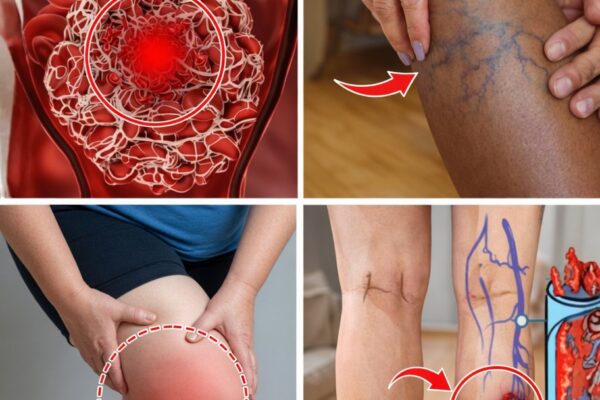
Sciatic nerve discomfort can be incredibly discouraging—and it affects millions of people worldwide. For many, it starts with everyday triggers such as extended sitting, repetitive bending, or lifting something heavy the wrong way. The sensation often feels like a radiating ache or sharp “electric” line that begins in the lower back, moves through the hips, and travels down the leg. Over time, even basic activities can feel draining, disrupting work, sleep, and time with family, and creating a frustrating cycle of tension and reduced mobility.
The encouraging part is that many people successfully manage sciatic nerve discomfort using gentle, natural strategies that are realistic—even with a busy schedule. This guide walks you through practical at-home tips and simple stretches you can begin today. Later, you’ll also learn a standout natural method that many find especially helpful for daily relief.

Understanding Sciatic Nerve Discomfort
Sciatic nerve discomfort—commonly called sciatica—happens when the sciatic nerve becomes irritated or compressed. As the body’s longest nerve, it runs from the lower spine through the buttocks and down each leg. Medical sources, including the American Academy of Orthopaedic Surgeons, note that common contributors include herniated discs, spinal stenosis, and muscle tightness around the hips and pelvis.
However, it’s not only structural issues that matter. Day-to-day habits can also intensify symptoms. Long periods of sitting, poor posture, and pregnancy-related changes in alignment can all place extra stress on the lower back and hips. Identifying your personal triggers is often the first meaningful step toward improvement.
Research in outlets such as the Journal of Orthopaedic & Sports Physical Therapy suggests that regular movement and targeted exercise may improve flexibility and reduce pressure around the nerve. You don’t need a dramatic lifestyle overhaul—small, consistent changes can be impactful.
Common Causes of Sciatic Nerve Discomfort
Sciatic nerve irritation can come from several sources. Some of the most common include:
- Piriformis syndrome: the piriformis muscle (deep in the buttocks) tightens and can press on or irritate the sciatic nerve.
- Lumbar herniated disc: the cushioning disc between vertebrae shifts out of place and may compress nerve roots.
- Pregnancy-related strain: increased weight, hormone-driven ligament changes, and altered posture can increase pressure on the lower back and pelvis.
- Postural imbalances: unsupportive shoes, uneven backpack carrying, and prolonged slouching can contribute to hip and spine misalignment.
Age-related spinal wear is also a major factor. The National Institute of Neurological Disorders and Stroke reports that around 40% of people experience sciatica at some point. Knowing the likely cause can help you make smarter adjustments in your routine.
Why Natural Methods Might Help
Natural, non-invasive approaches aim to support your body’s ability to relax, move, and recover. Think of these options as practical tools you can combine based on what your body responds to best.
For example:
- Heat and cold therapy may help calm irritated tissues and reduce soreness, supported by evidence reviews such as those in the Cochrane Database of Systematic Reviews.
- Mind-body techniques (like controlled breathing) can reduce stress—important because tension and anxiety can increase muscle tightness and make discomfort feel worse.
- Low-impact activity may support circulation and mobility. Harvard Medical School highlights the benefits of consistent, gentle movement for reducing inflammation and supporting overall nerve health.
Simple At-Home Tips to Try
Start with the basics—small changes that are easy to maintain:
- Improve your sitting posture: keep feet flat, hips level, and consider a lumbar support cushion.
- Change positions often: alternate sitting and standing when possible, especially during desk work.
- Stay hydrated: dehydration can contribute to muscle stiffness; aim for roughly eight glasses of water daily (adjust for your body and activity level).
- Walk regularly: even 10 minutes of light walking can encourage blood flow and reduce stiffness.
- Avoid leg-crossing: crossing legs may compress structures along the sciatic nerve pathway in some people.
These habits seem minor, but consistency adds up.
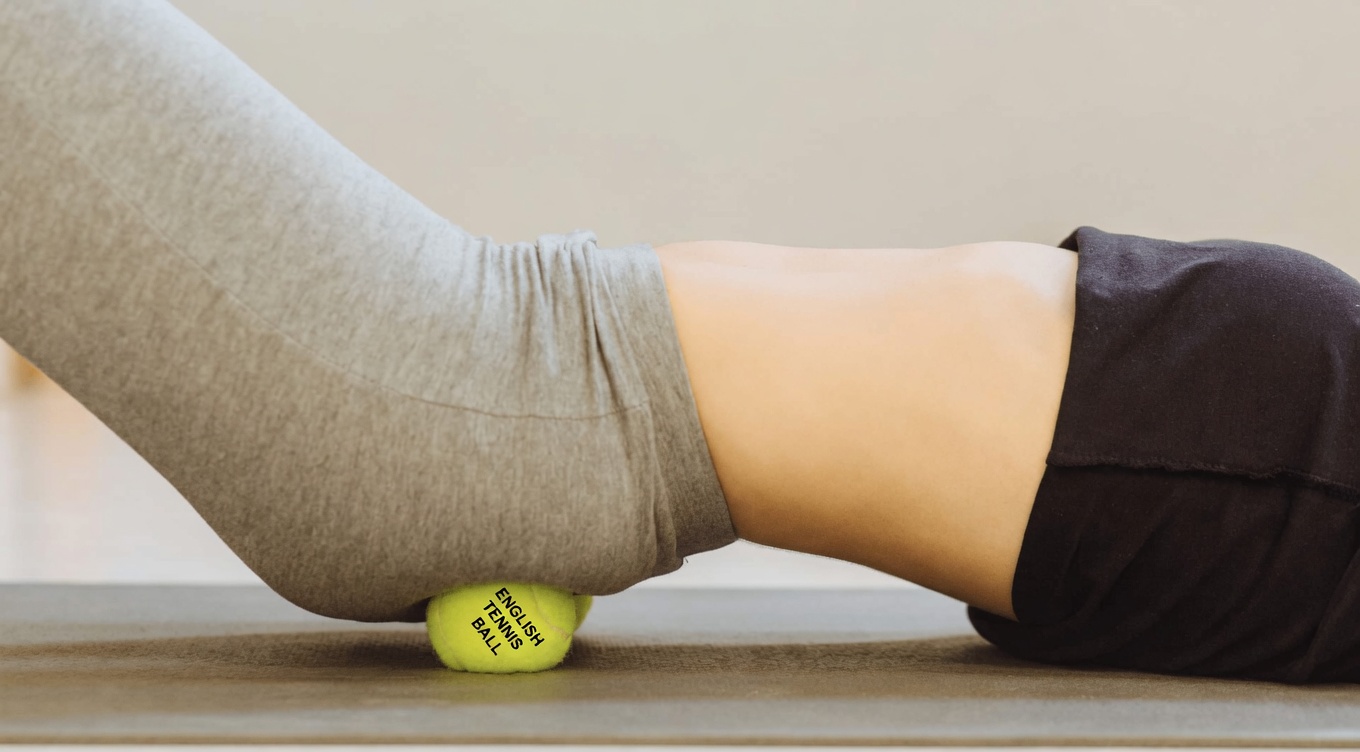
Everyday Adjustments for Better Comfort
Try integrating these routine-friendly changes:
- Use ergonomic supports
- Adjustable chair, footrest, or lumbar cushion to keep a neutral spine position.
- Alternate heat and cold
- Use a warm compress for about 15 minutes to loosen tight muscles, then a cold pack to help numb sharper sensations.
- Wear supportive footwear
- Choose shoes with solid arch support to encourage better alignment from the ground up.
- Optimize sleep positioning
- Side sleeping with a pillow between the knees may reduce hip and lower-back strain.
Step-by-Step Stretches for Sciatic Nerve Discomfort
The stretches below focus on common “problem areas” involved in sciatica—especially the piriformis, glutes, hamstrings, and lower back. Move slowly, stay within a comfortable range, and stop if you feel sharp pain, numbness, or worsening symptoms.
1) Seated Piriformis Stretch (Chair Stretch)
- Sit upright in a sturdy chair with both feet flat on the floor.
- Cross one ankle over the opposite knee.
- Keeping your back long, gently hinge forward until you feel a mild stretch in the hip/buttock.
- Hold for 30 seconds, breathe steadily, then switch sides.
2) Figure-Four Stretch (On the Floor)
- Lie on your back with knees bent.
- Place one ankle over the opposite knee (forming a “4” shape).
- Pull the uncrossed leg toward your chest until you feel a gentle stretch through the glutes/outer hip.
- Hold 20–30 seconds per side.
3) Knee-to-Chest Stretch
- Lie on your back with both legs extended.
- Bring one knee toward your chest and hold it with both hands.
- Keep the opposite leg long (or slightly bent if needed).
- Hold for 30 seconds per leg.
Benefits of These Stretches (Quick Reference)
-
Seated Piriformis Stretch
- Target: buttocks and hips
- Potential benefit: may reduce piriformis tightness
- Time: 30 seconds per side
-
Figure-Four Stretch
- Target: glutes and outer thigh
- Potential benefit: may improve hip mobility and flexibility
- Time: 20–30 seconds per side
-
Knee-to-Chest Stretch
- Target: lower back and hamstrings
- Potential benefit: may ease spinal tension and promote decompression
- Time: 30 seconds per leg
A Standout Natural Method: Modified Pigeon Pose
If you’ve been looking for one stretch that many people consider a “game changer,” a modified pigeon pose is a strong option. This yoga-inspired movement is popular because it targets deep hip tension—especially around the piriformis.
- Begin on all fours.
- Slide one knee forward and angle the shin across your body (as comfortable).
- Extend the other leg straight back behind you.
- Lower your hips gradually while keeping them as level as possible.
- If the stretch feels too intense, place a pillow or folded towel under the hip for support.
- Hold 1–2 minutes per side, breathing slowly.
Studies in the International Journal of Yoga suggest that yoga-based stretching can improve flexibility and reduce muscular imbalances. To get the most benefit, practice consistently and combine this pose with the earlier mobility and posture strategies.

Additional Lifestyle Strategies
Stretching works best when supported by broader lifestyle habits. Consider these complementary approaches:
- Anti-inflammatory nutrition
- Foods like turmeric, ginger, and omega-3 sources (such as fatty fish) may support inflammation management, as discussed in research reviews like Nutrition Reviews.
- Low-impact cardio
- Swimming and water aerobics reduce joint stress while promoting circulation and mobility.
- Stress management
- Meditation or guided breathing (including app-based routines) can help address the emotional strain that often comes with persistent discomfort.
Together, these strategies help you build a routine that supports long-term comfort and resilience.
When to Seek Professional Advice
Natural methods can be helpful, but it’s essential to pay attention to your body. Seek professional guidance if symptoms:
- persist for an extended period,
- worsen over time,
- interfere with walking, sleep, or daily function.
A healthcare professional or physical therapist can evaluate underlying causes and provide a tailored plan. Early support can prevent small issues from becoming bigger setbacks.
Conclusion
Sciatic nerve discomfort doesn’t have to control your routine. With posture improvements, simple daily adjustments, and targeted stretches—especially options like the seated piriformis stretch, figure-four, knee-to-chest, and the modified pigeon pose—many people find they can move more comfortably and feel more in control. Start gently, stay consistent, and prioritize the strategies that fit your body and lifestyle.