Don’t Toss Them: Why Papaya Seeds Deserve a Second Look
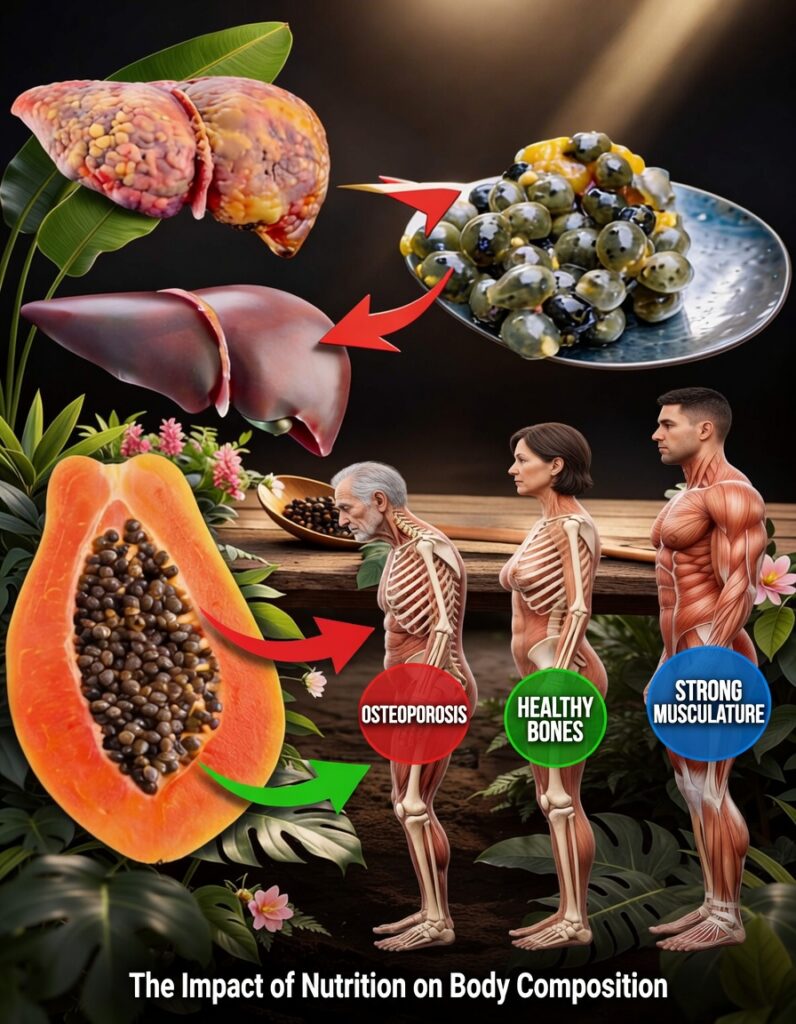
Most people savor the sweet, juicy flesh of a ripe papaya and automatically discard the small black seeds. It’s a common habit—and one that may overlook a traditional ingredient that many cultures have valued for everyday wellness support. If it feels a bit wasteful to throw them away, you’re not alone.
What if keeping those seeds could add a simple, natural upgrade to your routine—without much effort?
What Makes Papaya Seeds So Interesting?
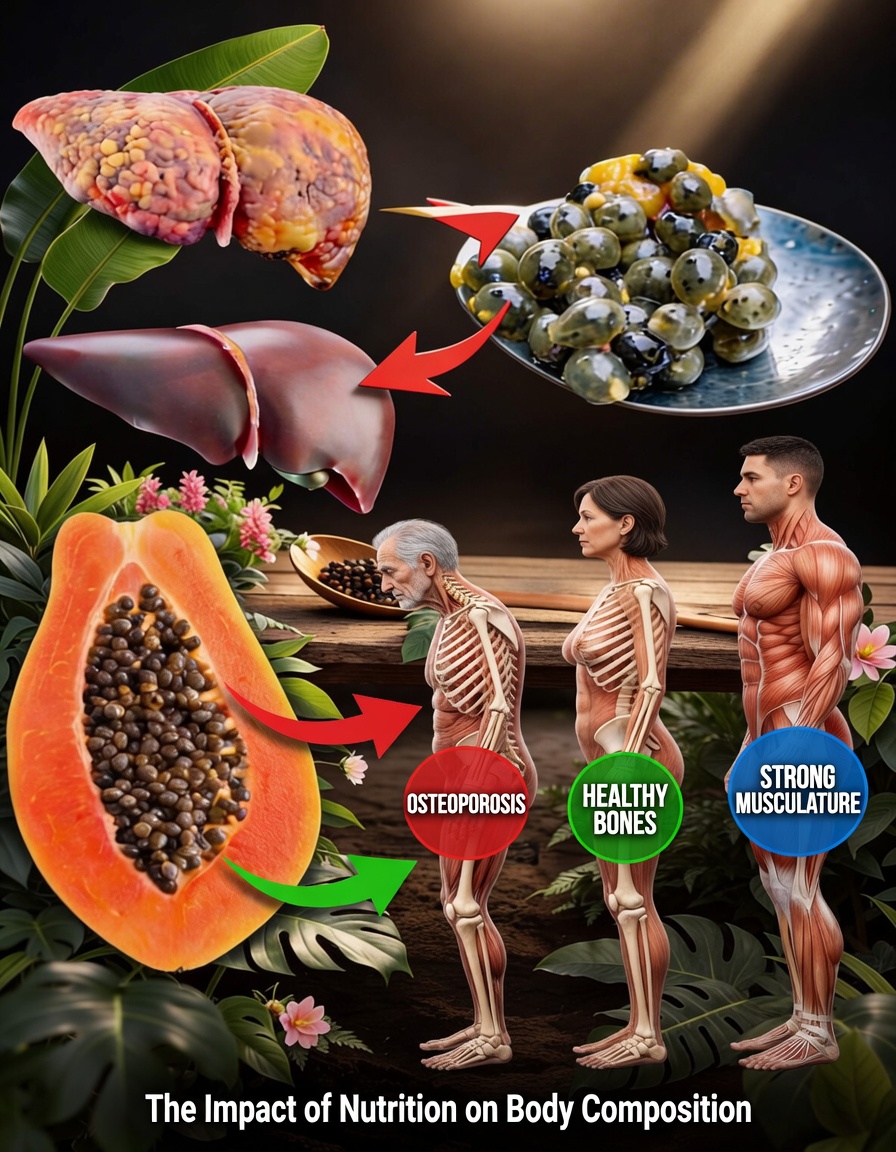
Papaya seeds have a bold, peppery bite with a noticeable bitterness. That flavor comes from naturally occurring compounds such as benzyl isothiocyanate (BITC) and carpaine, both of which have attracted scientific interest.
Beyond taste, papaya seeds have a long history in traditional home practices. Today, researchers are increasingly exploring what may explain their popularity.
Nutritionally, the seeds contain:
- Enzymes (including papain, also found in papaya flesh)
- Dietary fiber
- Antioxidants (including phenolic compounds and flavonoids)
While papaya fruit is loved for its sweetness, the seeds offer a very different kind of value—more functional than fruity.
Potential Benefits of Papaya Seeds (What Research and Traditional Use Suggest)
The points below reflect general findings from available studies and traditional use. They are not medical claims, and human research is still developing in several areas.
1) Digestive Enzyme Support
Papaya seeds contain papain, an enzyme that helps break down proteins. Because of this, some people use small amounts to support digestion after heavier meals.
Research on papain suggests it may assist with food breakdown and may help ease occasional bloating for some individuals.
2) Traditional Use for Gut Maintenance (Antiparasitic Interest)
In various regions, papaya seeds have been used as part of traditional approaches to maintaining gut balance.
One small study conducted in Nigeria involving children evaluated air-dried papaya seeds and reported favorable observations without major issues. Compounds such as carpaine and BITC are often discussed as possible contributors to this traditional use.
3) Antioxidant Support for Cellular Health
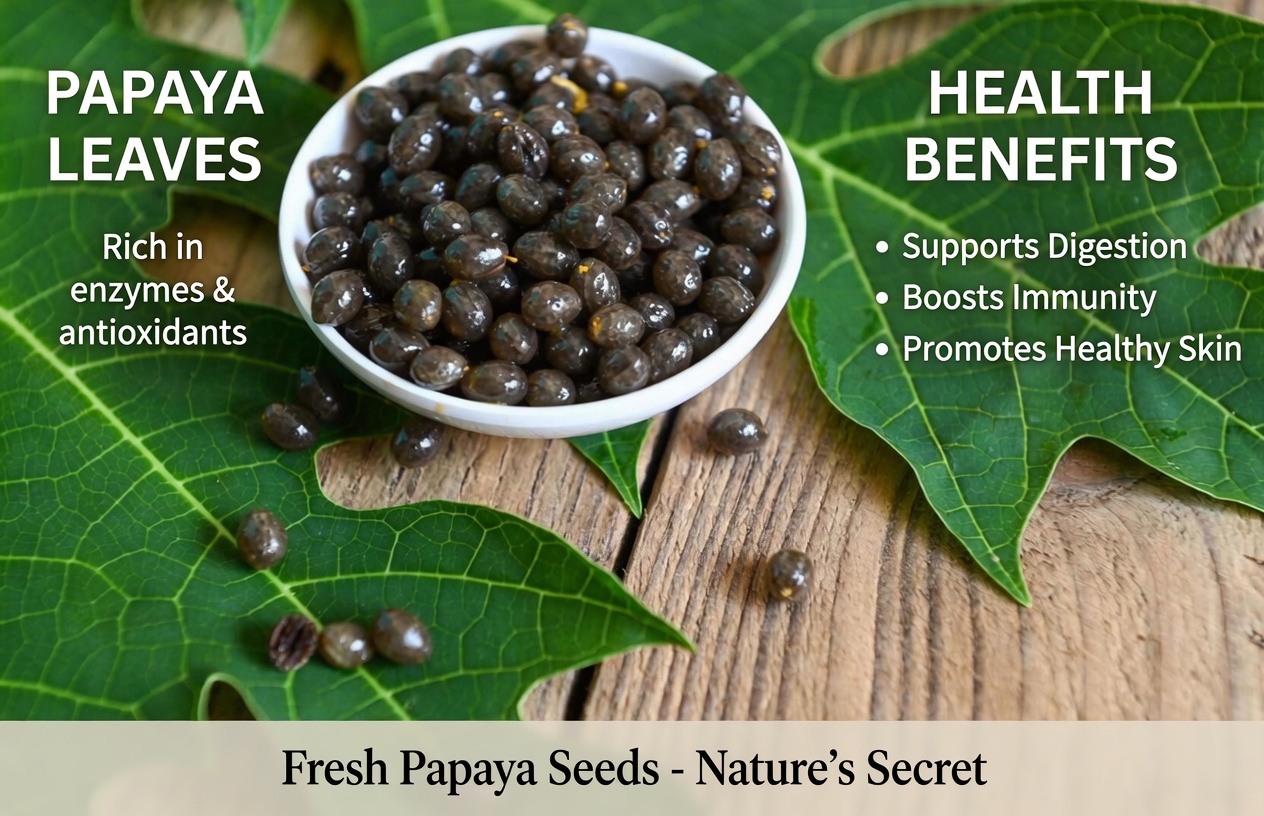
Papaya seeds include antioxidant compounds (such as flavonoids and phenolics). Laboratory studies suggest these antioxidants may help neutralize free radicals, which play a role in oxidative stress.
Many fruits and seeds offer antioxidants, but papaya seeds stand out due to their distinctive compound profile.
4) Anti-Inflammatory Comfort (Early Research)
Polyphenols in papaya seeds may be linked to mild soothing effects. Some animal research suggests potential anti-inflammatory activity, though more human studies are needed.
Anecdotally, some users describe feeling more comfortable over time when using small, consistent amounts.
5) Early Clues About Liver and Kidney Support
Some animal-based research has explored papaya seed extracts in relation to protective effects on the liver and kidneys. These findings are preliminary, but they help explain why traditional practices sometimes associate the seeds with overall vitality and internal “cleansing” routines.
This area still needs more robust human evidence.
6) Fiber for Regularity
Papaya seeds provide dietary fiber, which may support:
- More regular bowel movements
- Day-to-day digestive comfort
- A steadier gut routine (especially when introduced gradually)
Consistency—and moderation—tends to matter more than large doses.
A Simple, Natural Daily Boost
Papaya seeds combine enzymes, fiber, antioxidants, and unique plant compounds. Many people are most interested in three practical areas:
- Digestive enzyme support
- Traditional gut maintenance
- Antioxidant protection
Some notice a subtle “more balanced” feeling when using them regularly, though experiences vary.
A Real-Life Example: Elena’s Routine
Elena, 49, dealt with occasional bloating after meals. She decided to experiment by adding a small amount of ground papaya seeds to her morning smoothie.
After about four weeks, she reported that her digestion felt more comfortable and her energy seemed steadier. Her experience reflects what many people describe—though results differ from person to person.
How to Prepare Papaya Seeds (Simple and Safe)
If you want to try papaya seeds, start small and see how your body responds.
Step-by-step preparation
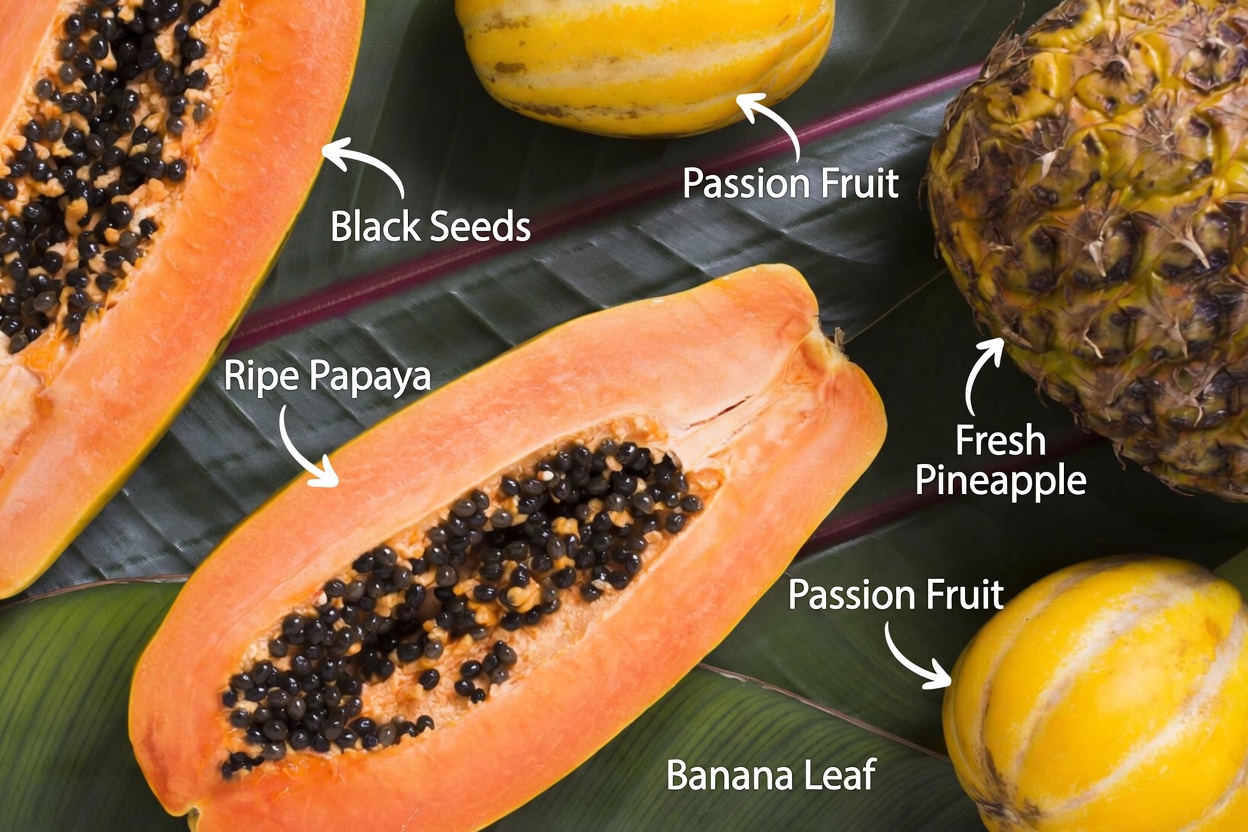
- Scoop out the seeds from a fresh papaya.
- Rinse thoroughly to remove the slippery gel-like coating.
- Dry them on a paper towel for a few hours or overnight.
- Choose your method:
- Chew raw: try 5–10 seeds
- Grind into powder: use a blender or mortar and pestle
- Store dried seeds or powder in an airtight container in a cool, dry place.
Easy Ways to Add Papaya Seeds to Your Diet
Papaya seeds are intense, so pairing them with other foods helps.
- Smoothies: Blend 1/2 teaspoon of ground seeds with banana, mango, or pineapple to soften the bitterness.
- Salads: Sprinkle a small pinch on top for a peppery crunch.
- Honey paste: Mix crushed seeds with 1 teaspoon of honey to make them easier to swallow.
- Yogurt: Stir a small amount into plain yogurt for a quick add-on.
Preparation Methods at a Glance
| Method | How to Prepare | Best For |
|---|---|---|
| Raw chewing | Rinse, remove gel, chew 5–10 seeds | Fast daily use |
| Ground powder | Dry seeds, grind, store airtight | Smoothies, yogurt, dressings |
| Honey paste | Crush seeds, mix with 1 tsp honey | Easier swallowing |
| Smoothie add-in | Blend 1 tsp (or less) with fruit | Masking bitterness |
Safety Tips and Recommendations
Because papaya seeds are potent, moderation is essential.
- Start low: begin with 1/2 teaspoon daily (about 5–10 seeds)
- Do not overdo it: larger amounts may trigger mild stomach discomfort
- Avoid during pregnancy: some animal research suggests high doses could impact fertility-related outcomes
- Check with a clinician if you:
- Have a latex allergy
- Use blood thinners
- Take diabetes medications
- Have ongoing digestive or medical conditions
Quick safety checklist:
- Typical daily amount: 1/2–1 teaspoon max
- Common issue with excess: stomach upset
- Who should avoid: pregnant/breastfeeding individuals, people on certain medications
- Storage: fully dry, sealed container
Final Thoughts: Why Give Papaya Seeds a Chance?
Papaya seeds are more than a byproduct—they may offer a practical addition to wellness habits thanks to their papain enzyme content, fiber, and antioxidant compounds. Instead of throwing them away, saving and using small amounts could be an easy experiment to support your daily routine.
For a milder flavor, dry the seeds first—they keep well for months when stored properly.
Frequently Asked Questions (FAQ)
Can I eat papaya seeds every day?
Many people use small amounts daily, especially after starting slowly to assess tolerance. Most research and traditional use point toward moderation rather than high intake.
What do papaya seeds taste like?
They are peppery and bitter, often compared to black pepper with a sharper edge. Mixing them into sweet foods (like smoothies) can reduce the bite.
Where can I learn more about papaya seeds?
You can explore general nutrition resources and published studies through databases such as PubMed, especially research discussing BITC, carpaine, antioxidants, and papain.
This article is for informational purposes only and does not replace professional medical advice. Papaya seeds may support general wellness habits but are not intended to diagnose, treat, cure, or prevent any condition. Always consult a qualified healthcare provider before adding papaya seeds to your routine, especially if you have medical concerns or take medications.