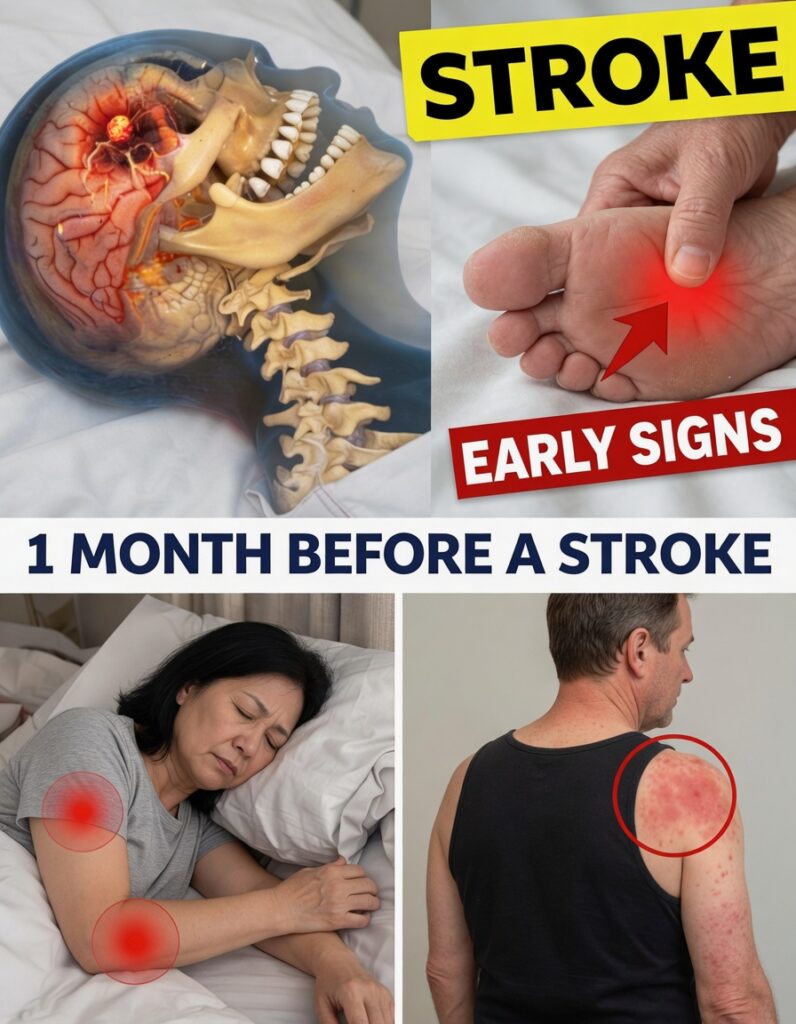
Could Subtle Symptoms Be Warning You About a Stroke Weeks Ahead?
You’re going about your normal day when a quick spell of dizziness hits—or one arm suddenly feels unusually heavy. It’s easy to blame stress, poor sleep, or dehydration and move on. But in some cases, these seemingly minor changes can be early alerts that something more serious may be building.
Many strokes appear to happen “out of nowhere.” However, research suggests that transient ischemic attacks (TIAs)—often referred to as mini-strokes—and other short-lived, stroke-like symptoms can occur days to weeks before a major stroke in a significant number of people. Recognizing these signals early can be lifesaving. The encouraging part: according to organizations such as the American Heart Association, up to 80% of strokes are associated with preventable risk factors.
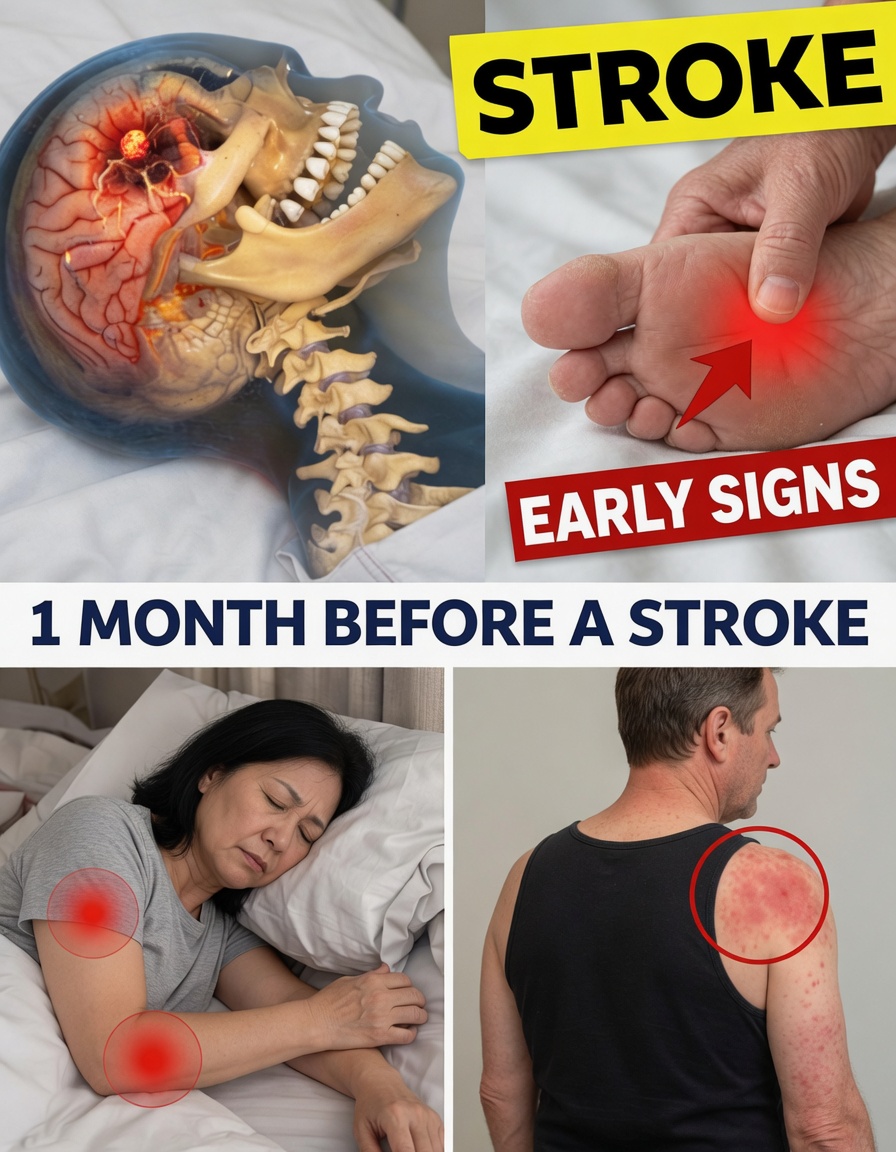
Why Stroke Awareness Matters More Than Ever
Stroke remains a leading cause of death and long-term disability in the United States, affecting close to 800,000 people each year. What makes stroke especially devastating is how abruptly it can change daily life—impacting speech, movement, memory, and independence.
What many people don’t realize is that lifestyle and medical risk factors often play a major role. Even more important: your body may sometimes provide early warning signs through a TIA or brief episodes that resemble stroke symptoms but resolve on their own.
A TIA is not “nothing.” Neurology research has found that TIAs frequently occur in the days or weeks preceding a full stroke, and ignoring them can significantly raise the likelihood of a major event. The key is to treat any unusual, sudden neurological symptom as urgent—especially if it comes and goes.
8 Early Warning Signs You Should Never Ignore
These symptoms may appear abruptly and disappear within minutes or hours—particularly in TIAs. Because they can feel mild or temporary, many people dismiss them. Clinicians emphasize that even short-lived symptoms deserve immediate medical evaluation.
1) Sudden numbness or weakness (usually on one side)
You may notice numbness or loss of strength in your face, arm, or leg, often limited to one side of the body. This is part of the well-known FAST warning framework (Face, Arms, Speech, Time).
2) Trouble speaking or understanding language
This may look like slurred speech, difficulty finding words, or feeling unable to follow a simple conversation—as if your brain can’t “translate” normally.
3) Unexpected vision changes
Sudden blurred vision, double vision, or partial vision loss in one or both eyes can occur—sometimes described like a curtain coming down over the field of view.
4) A sudden, severe headache unlike your usual headaches
A powerful headache that appears quickly and feels different from your typical pattern can be a serious sign. If it’s intense and unusual, do not assume it’s “just a migraine.”

5) Dizziness, loss of balance, or poor coordination
You may feel the room spinning, struggle to walk straight, or feel unusually unsteady. If this is new for you—especially if paired with other symptoms—it should be treated as urgent.
6) Sudden confusion or noticeable memory problems
Brain fog, decision-making difficulty, and short-term memory lapses can seem like stress or burnout, but they can also reflect reduced blood flow to the brain.
7) Shortness of breath or chest discomfort
Feeling unusually winded during light activity or experiencing chest pressure can overlap with other conditions, but it may also occur around stroke-related cardiovascular issues.
8) Extreme fatigue or abrupt mood changes
Unusual exhaustion despite rest—or sudden irritability, anxiety, or depression-like shifts—may be part of the broader picture, especially if occurring alongside other warning signs.
Patterns that raise concern:
- Transient (TIA-like): Symptoms last minutes to hours and then disappear.
- Persistent: Symptoms continue or worsen—this is an emergency.
- Clustered: Multiple symptoms together are more concerning than one isolated symptom.
Research summarized by groups such as the American Academy of Neurology shows that many TIAs happen close to major events—often within about a week—but any unexpected neurological change is worth immediate attention.
9 Evidence-Based Ways to Lower Your Stroke Risk
Many major stroke risks can be improved through consistent habits and medical follow-up. Prevention guidelines from the American Heart Association emphasize both lifestyle choices and managing health conditions early.
1) Build a regular exercise routine
Aim for 150 minutes per week of moderate activity (such as brisk walking or cycling). Movement improves circulation, helps manage weight, and supports blood vessel health.
2) Eat in a heart-healthy pattern
Prioritize vegetables, fruits, whole grains, beans, nuts, lean proteins, and healthy fats (a Mediterranean-style approach is commonly recommended). Reduce salt, ultra-processed foods, and saturated fats, which are linked to higher cardiovascular risk.
3) Control blood pressure consistently
Check your blood pressure regularly and work toward under 130/80 mmHg, using diet, exercise, stress management, and medication if prescribed. Blood pressure control is one of the strongest protective steps.
4) Keep cholesterol in a healthy range
Use a diet rich in fiber and follow clinician guidance on cholesterol-lowering medication (such as statins) when appropriate. Lower LDL helps prevent artery narrowing.
5) Manage blood sugar (especially with diabetes)
Steady blood sugar—through nutrition, activity, and medication—can reduce vascular damage and complications that increase stroke risk.
6) Stop smoking
Quitting smoking delivers benefits quickly, and stroke risk decreases over time—often moving closer to the risk level of non-smokers.

7) Keep alcohol intake moderate
If you drink, stay within widely used limits: up to 1 drink/day for women and up to 2 drinks/day for men. Excess alcohol can increase blood pressure and other risks.
8) Treat irregular heart rhythm (such as atrial fibrillation)
Atrial fibrillation can increase clot formation. If diagnosed, follow treatment plans carefully, including blood thinners when prescribed.
9) Stay current on screenings—and act fast on symptoms
Know your key numbers and track trends:
- blood pressure
- cholesterol
- blood sugar
- weight/BMI
If you notice any warning sign—even if it vanishes—get evaluated. Early action can prevent a major event.
Quick Stroke-Prevention Targets (Simple Tracker)
| Risk Factor | Target Goal | Key Actions |
|---|---|---|
| Blood Pressure | <130/80 mmHg | Monitor regularly + lifestyle changes + meds if prescribed |
| LDL Cholesterol | <100 mg/dL (or lower for high risk) | Fiber-rich diet + possible statin therapy |
| Blood Sugar (A1C) | <7% for many people with diabetes (individualized) | Diet, exercise, medication plan |
| Weight | BMI 18.5–24.9 (general reference) | Balanced eating + consistent movement |
You don’t need perfection on day one. Start with one or two realistic changes, then build from there.
What to Do Immediately If You Notice Symptoms
If any of the warning signs appear—even briefly—call emergency services right away. Do not wait to see if it passes. TIAs and early stroke symptoms require urgent evaluation, because the highest-risk window for a major stroke can be soon after.
For prevention, schedule a medical appointment to review your personal risk profile and create a practical plan. Tracking basics like blood pressure and daily activity can help you stay consistent and spot changes early.
Take Charge of Your Health Starting Today
Learning the early warning signs of stroke—and acting quickly—can protect your long-term independence and quality of life. Small daily choices add up: a walk after dinner, a meal built around vegetables and whole grains, or a quick blood pressure check.
Even one meaningful improvement, such as quitting smoking, can significantly reduce risk over time.
Frequently Asked Questions
What’s the difference between a TIA and a full stroke?
A TIA causes temporary stroke-like symptoms that usually resolve within minutes to hours and typically leaves no lasting brain damage. A full stroke involves prolonged loss of blood flow and can cause permanent brain injury and long-term disability.
How soon after a TIA can a major stroke happen?
Risk is often highest soon after a TIA. Studies commonly show increased risk within the first 48 hours, and elevated risk can remain for weeks to months (up to about 90 days)—which is why immediate evaluation is essential.
Can lifestyle changes truly reduce stroke risk?
Yes. Evidence from major health organizations indicates that managing blood pressure, improving diet, increasing physical activity, stopping smoking, and addressing medical conditions can help prevent a large portion of strokes—often cited as up to 80% tied to modifiable factors.
Disclaimer
This article is for informational purposes only and is not a substitute for professional medical advice, diagnosis, or treatment. If you suspect a stroke or TIA, seek emergency care immediately.