
Many men over 50 start to notice small but meaningful shifts—slower urinary flow, more nighttime bathroom trips, or a general drop in day-to-day energy. These changes are often associated with benign prostatic hyperplasia (BPH), a common age-related enlargement of the prostate that can quietly interfere with sleep, comfort, and confidence. While medical care remains essential when symptoms persist, growing research suggests that nutrient-dense fruits may offer supportive benefits thanks to their antioxidants, polyphenols, and anti-inflammatory plant compounds—nutrients linked to reducing oxidative stress and chronic low-grade inflammation, two factors associated with prostate changes.
What if a few familiar fruits could become part of a simple, food-first routine for prostate wellness? Below are eight research-supported fruits that stand out, plus easy ways to include them in daily life.

The Hidden Challenges Many Men Face After 50
As men get older, the prostate may gradually increase in size. For many, this leads to symptoms such as:
- Difficulty starting urination
- A feeling of incomplete bladder emptying
- Frequent urges to urinate, especially overnight
Research suggests that BPH symptoms are widespread among men in their 60s and beyond, and the disruption can affect sleep quality, energy levels, and overall quality of life.
Although these changes can feel “normal” with aging, lifestyle choices—especially diet—may influence how the body responds. Oxidative stress and inflammation are commonly discussed contributors to prostate discomfort, and many plant foods contain nutrients that help counter both.
Why Fruits Can Support Prostate Health
Whole fruits supply far more than vitamins. They contain bioactive compounds—such as lycopene, anthocyanins, resveratrol, and ellagitannins—that research links to:
- Neutralizing free radicals (antioxidant support)
- Supporting healthy inflammatory balance
- Promoting circulation and vascular function, which matters for pelvic and urinary comfort
Unlike isolated supplements, fruits also deliver fiber (helpful for regularity and reducing constipation-related pelvic pressure) and hydration, both relevant for urinary comfort.
1. Blueberries: Small Fruit, Big Antioxidant Support
Blueberries are well known for their high levels of anthocyanins and flavonoids, antioxidants associated with protection against oxidative damage—an important theme in prostate and aging research.
They also offer fiber, supporting digestion and daily comfort.
Easy ways to eat them
- Add 1 cup fresh or frozen blueberries to oatmeal, yogurt, or smoothies
- Mix into a bowl of unsweetened cereal for a quick breakfast upgrade
2. Kiwi: Vitamin C and Fiber in a Simple Package
Kiwi delivers an impressive dose of vitamin C—often more than 100% of the daily value in just two fruits—along with polyphenols and soluble fiber. Vitamin C contributes to antioxidant defense, and higher intakes are frequently linked in studies to healthier inflammation-related markers.
The fiber supports consistent digestion, which can indirectly reduce pelvic strain.
How to use kiwi daily
- Eat 2 kiwis per day, sliced into fruit bowls or salads
- Blend into smoothies
- For extra fiber, consider eating the skin (washed) if tolerated
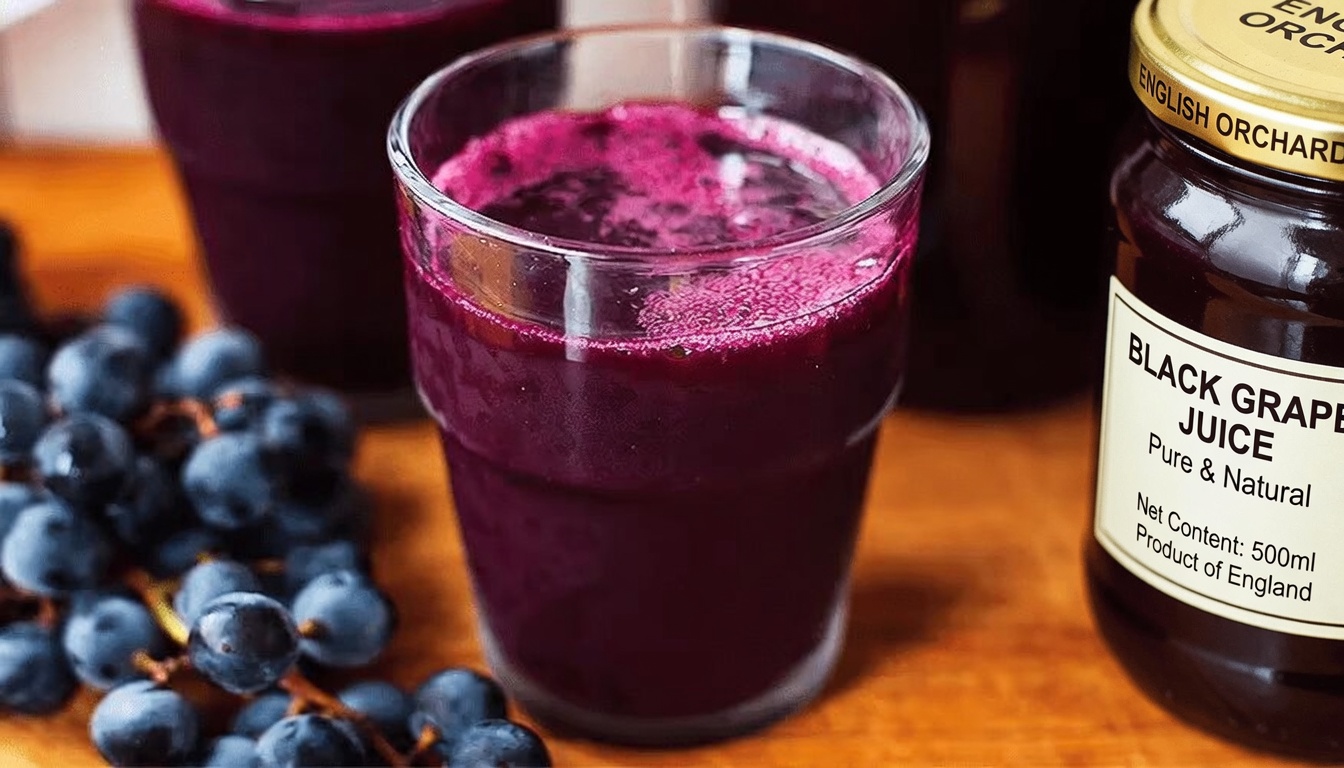
3. Black Grapes: Resveratrol-Rich and Easy to Snack On
Black grapes and other dark grape varieties contain resveratrol, a polyphenol studied for anti-inflammatory properties and its potential effects on cellular processes and blood vessel health. Grapes also provide additional polyphenols that support gut comfort and digestion.
A simple serving idea
- Snack on 15–20 grapes daily
- Freeze grapes for a refreshing alternative to sweets

4. Pomegranate: A Polyphenol Powerhouse That Gets Attention
Pomegranate is packed with polyphenols, especially ellagitannins. In a well-known UCLA study, men who consumed pomegranate juice showed an extended PSA doubling time, suggesting potential supportive effects on prostate-related markers.
These compounds are widely studied for their antioxidant and inflammation-balancing properties.
Practical ways to enjoy it
- Add half a pomegranate’s seeds to salads, yogurt, or grain bowls
- Drink 7–8 oz of pure, unsweetened pomegranate juice (choose no sugar added)
Mid-Article Check-In: Make It Personal
Take a moment to reflect:
- Have sleep, energy, or urinary comfort changed over the past few years?
- Which fruit on this list feels easiest to add this week?
Small, realistic steps tend to stick longer than big overhauls.
5. Blood Oranges: Anthocyanins That Support Circulation
Blood oranges stand out for their anthocyanins and compounds such as hesperidin, which research links to vascular function and healthier inflammation responses. Since circulation matters for many aspects of men’s health, this fruit earns a place on the list.
They also contribute vitamin C and fiber for digestive support.
Try them like this
- Eat one whole blood orange as a snack
- Or drink about 8 oz of fresh juice when available
6. Papaya: Lycopene Plus Digestive Enzymes
Papaya provides lycopene along with papain, a naturally occurring enzyme often associated with digestion. Research on lycopene-rich diets frequently highlights potential prostate-related benefits, while papaya’s fiber and water content support hydration and regularity.
Simple serving suggestion
- Blend half a papaya into a smoothie
- Add diced papaya to a breakfast bowl with yogurt and nuts
7. Watermelon: Hydrating, Lycopene-Rich, and Highly Absorbable
Watermelon contains lycopene in a form often considered highly bioavailable. Large population studies (including Harvard-linked research) have associated lycopene-rich foods with prostate-related benefits and overall antioxidant support.
Because watermelon is water-rich, it also helps prevent dehydration, which can worsen urinary irritation in some people.
How much to enjoy
- Eat 2–3 slices as a snack or dessert
- Or drink 8–10 oz of watermelon juice (unsweetened when possible)
8. Tomatoes: The Classic Lycopene Leader
Tomatoes are one of the most studied sources of lycopene, and lycopene absorption often increases when tomatoes are cooked and paired with a healthy fat (like olive oil). Large observational research, including the Health Professionals Follow-Up Study, has associated frequent tomato-product intake with a lower risk of more serious prostate outcomes in some analyses.
Easy tomato habits
- Aim for 3–4 servings of cooked tomato products per week
- Use tomato sauce in soups, stews, and pasta dishes
- Add olive oil for improved lycopene absorption
Quick Comparison: Key Nutrients and How to Eat Them
- Blueberries — Anthocyanins — antioxidant/oxidative stress support — 1 cup daily
- Kiwi — Vitamin C + fiber — inflammation and digestion support — 2 fruits daily
- Black grapes — Resveratrol — cellular and vascular support — 15–20 grapes daily
- Pomegranate — Ellagitannins — antioxidant and inflammation support — half a fruit or 7–8 oz juice
- Blood oranges — Anthocyanins + hesperidin — vascular support — 1 fruit or ~8 oz juice
- Papaya — Lycopene + papain — inflammation and digestion support — half a fruit
- Watermelon — Lycopene + hydration — antioxidant support — 2–3 slices
- Tomatoes — Lycopene (best cooked with fat) — prostate-supportive dietary pattern — 3–4 cooked servings/week
Bonus Tip: Combine Fruits for a Bigger Everyday Impact
You don’t need to choose only one. Pairing fruits can make routines easier and more enjoyable:
- Blueberries + pomegranate seeds in yogurt
- Kiwi + grapes in a fruit bowl
- Tomatoes cooked with olive oil alongside a fresh watermelon snack
Small combinations can increase variety without adding complexity.
Your Next 30 Days: Keep It Simple and Consistent
If your goal is better sleep, improved comfort, and steadier energy, start with one or two fruits from this list and use them consistently for the next month. Pay attention to how you feel, and support the routine with:
- Adequate hydration
- Regular movement
- Ongoing medical check-ups, especially if symptoms change
FAQ
What fruits are highest in lycopene for prostate support?
Tomatoes, watermelon, and papaya are top sources. Cooked tomato products are often considered the most bioavailable option, especially with a healthy fat.
How much pomegranate juice is commonly used in studies?
Many studies use around 8 oz per day of pure pomegranate juice. Start smaller if needed, and prioritize unsweetened versions.
Can these fruits replace medical care for prostate symptoms?
No. Fruits can be supportive as part of a healthy diet, but they do not replace medical evaluation or treatment. Contact a healthcare professional if you have persistent urinary symptoms.
This article is for informational purposes only and is not a substitute for professional medical advice. Please consult your healthcare provider for personalized guidance.