
Cancer Risk Reduction and Nutrition: Why Your Daily Drinks Matter
Cancer is still one of the top causes of death globally, and everyday lifestyle choices—especially diet—can meaningfully influence risk. Many leading health organizations estimate that a significant share of cancer cases may be impacted by changeable habits such as what we eat and drink. While no beverage can promise cancer prevention or replace medical treatment, certain nutrient-dense drinks contain antioxidants, anti-inflammatory compounds, and other bioactive nutrients that research associates with improved cellular protection when included in a balanced lifestyle.
The best part is that many of these options are affordable, accessible, and enjoyable. Below are 15 science-informed beverages, the key compounds they provide, and realistic ways to add them to your routine. The greatest value comes from consistent use and variety over time, not from relying on a single “miracle” drink.

Why Focus on Drinks for Cancer Risk Reduction?
Beverages can be a convenient way to consume concentrated plant compounds without drastically changing your daily meals. Early and ongoing research suggests that:
- Antioxidants may help reduce oxidative stress that can damage cells.
- Anti-inflammatory compounds may support healthier inflammatory responses linked to long-term disease risk.
- Regular intake of certain teas, juices, and infused waters is associated in some studies with a lower risk of specific cancers—though results differ by individual and more large-scale human research is still needed.
One crucial point often missed: health benefits are more likely to come from rotating multiple nutrient-rich drinks rather than searching for one “super beverage.”
15 Drinks Supported by Emerging Research
1) Green Tea (Especially Matcha)
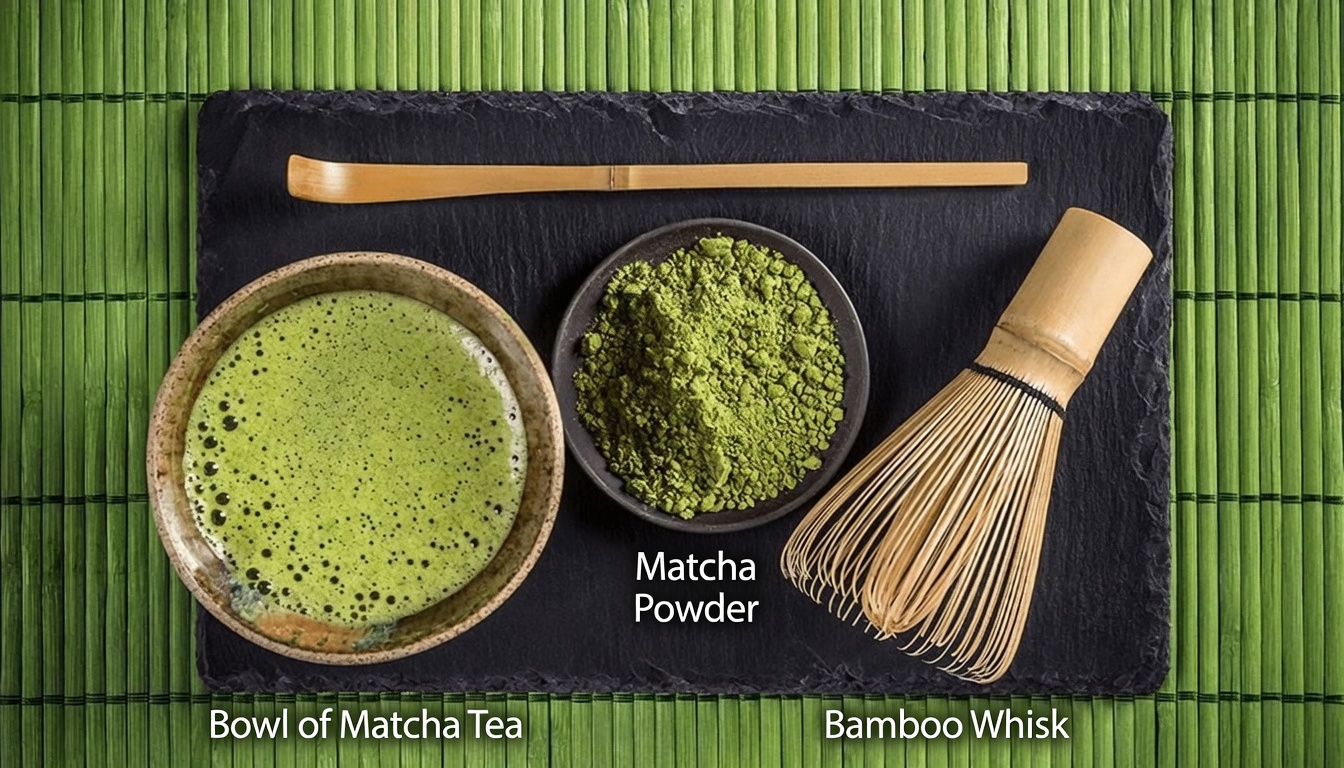
Green tea is rich in catechins—particularly EGCG—which have been widely studied for cellular support. Matcha is a more concentrated form because you consume the whole leaf. Population and lab research links regular consumption with potential reductions in risk for certain cancers, including breast and prostate.
2) Carrot Juice
Carrot juice delivers beta-carotene (a precursor to vitamin A) along with falcarinol, compounds associated with protecting cells from damage. Observational evidence suggests higher intake may correlate with lower risk for lung and other cancers.
3) Beetroot Juice
Beets contain betalains, known for antioxidant activity and possible detox-supporting properties. Lab and animal studies suggest beetroot juice may help reduce inflammation and oxidative stress processes associated with cancer development.
4) Tomato Juice
Tomatoes are a major source of lycopene, which becomes more available in cooked or processed forms. Multiple studies, including meta-analyses, associate higher lycopene intake with a modest reduction in prostate cancer risk.
5) Berry Smoothies
Berries such as blueberries, strawberries, and raspberries provide anthocyanins and ellagic acid, studied for antioxidant effects and potential support for colon and breast health.
6) Turmeric Golden Milk
Turmeric contains curcumin, a compound known for influencing inflammatory pathways. While much of the strongest evidence comes from lab and animal research, human research is growing, and curcumin is being studied for its role in multiple cancer-related processes.
7) Wheatgrass Juice
Wheatgrass contains chlorophyll and various enzymes that may support detoxification processes. Early research is exploring its potential role in lowering oxidative stress.
8) Pomegranate Juice
Pomegranate is rich in polyphenols with anti-inflammatory properties. Some studies link pomegranate intake with support for prostate health, though broader clinical evidence is still developing.
9) Flaxseed Smoothie
Using ground flaxseed in smoothies adds lignans and omega-3 fatty acids, which may support hormone-related balance and pathways relevant to breast and prostate cancers.
10) Amla (Indian Gooseberry) Juice
Amla is exceptionally high in vitamin C and diverse polyphenols, supporting antioxidant defenses and immune function.
11) Coconut Water
Coconut water provides hydration, natural electrolytes, and small amounts of antioxidants that can help reduce free-radical activity as part of an overall healthy diet.
12) Parsley Juice
Parsley contains apigenin, a plant compound studied in laboratory settings for potential cell-protective properties.
13) Cucumber-Infused Water
This simple hydration upgrade may provide small amounts of beneficial plant compounds, including cucurbitacins, which have been explored for mild anti-inflammatory activity.
14) Aloe Vera Juice
Aloe vera contains polysaccharides that may support immune modulation. Choose products designed for drinking and follow label directions carefully.
15) Soursop (Graviola) Tea or Juice
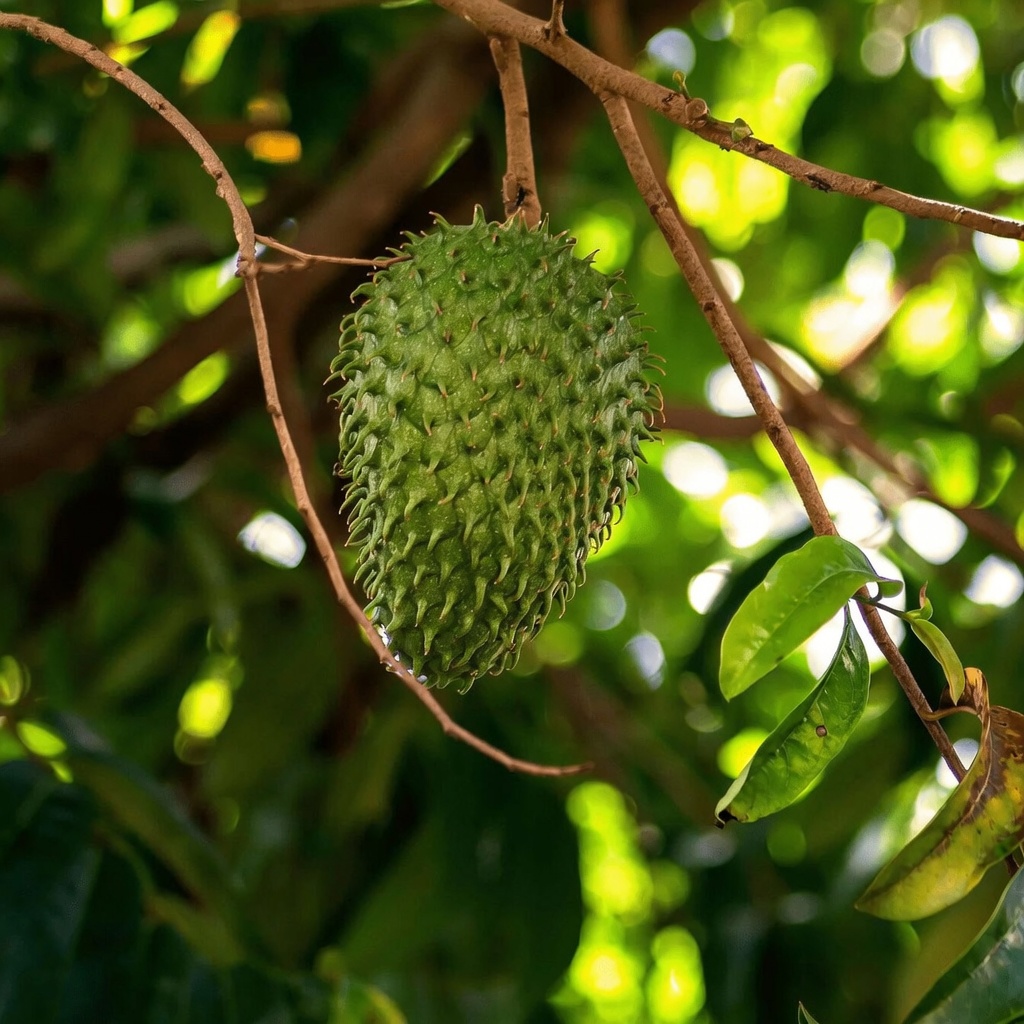
Soursop contains acetogenins, compounds studied in lab settings for selective effects on cells. However, human evidence is limited, so it should be approached cautiously and not viewed as a treatment.
Quick Comparison: Key Compounds and Potential Support
- Green Tea / Matcha: EGCG, catechins — cellular health and inflammation support
- Carrot Juice: beta-carotene, falcarinol — cell protection
- Beetroot Juice: betalains — antioxidant and detox support
- Tomato Juice: lycopene — prostate support
- Berry Smoothies: anthocyanins, ellagic acid — antioxidant defense
- Turmeric Golden Milk: curcumin — inflammation pathway modulation
- Flaxseed Smoothie: lignans, omega-3s — hormone-related support
How to Start: Simple, Practical Tips You Can Stick With
Building a routine is easier when you begin with small, realistic steps:
- Morning option: Try a carrot-beet blend
- Juice 3 carrots + 1 beet, add lemon to brighten flavor.
- Midday swap: Replace a coffee with a matcha latte
- Whisk 1 teaspoon matcha into hot water, then add milk (dairy or plant-based).
- Evening drink: Make turmeric golden milk
- Warm milk + 1 teaspoon turmeric + a pinch of black pepper + honey if desired.
- Absorption tips that matter:
- Lightly heat tomatoes with olive oil to improve lycopene availability.
- Use freshly ground flaxseed; whole seeds often pass through undigested.
- Rotation strategy: Aim for 3–4 different drinks per week to diversify beneficial compounds.
30-Day Habit Plan (Simple and Sustainable)
- Days 1–7: Prioritize carrot and tomato-based drinks to establish consistency.
- Weeks 2–4: Add matcha, berries, and turmeric drinks to broaden antioxidant and inflammation support.
- After Month 1: Rotate across the full list for long-term variety and adherence.
Extra Tips for Better Quality and Results
- When possible, choose organic produce, especially for berries, to reduce pesticide exposure.
- Fresh preparation is ideal—make juices daily or in small batches to preserve nutrients.
- Keep the basics strong: plain water remains essential for overall health.
FAQ
What’s the best time to drink these beverages?
Morning or between meals may support absorption for some nutrients, but regular intake over time matters more than perfect timing.
Can these drinks replace medical treatment?
No. These beverages may support overall wellness, but they are not a substitute for medical care, screening, diagnosis, or treatment.
How much should I drink each day?
A reasonable starting point is:
- 8–16 oz of juice, or
- 2–3 cups of tea daily.
Adjust based on how you feel, and consult a clinician if you have medical conditions (for example, kidney issues) or take medications.
Medical Disclaimer
This article is for informational purposes only and does not provide medical advice. These drinks may support a nutrient-rich diet associated with lower cancer risk factors, but they do not prevent, treat, or cure cancer. Always consult a qualified healthcare professional before making major dietary changes—especially if you have a family history of cancer, an existing diagnosis, or are currently undergoing treatment.