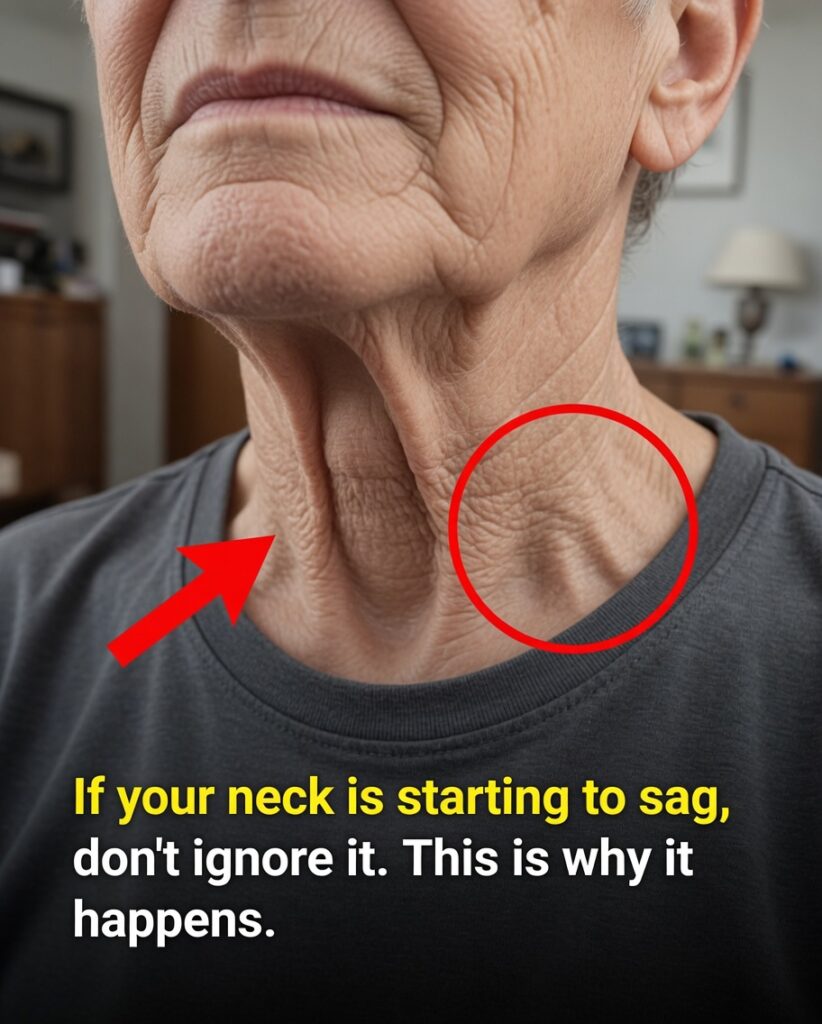
Noticing Loose Skin Under the Chin or Along the Neck?
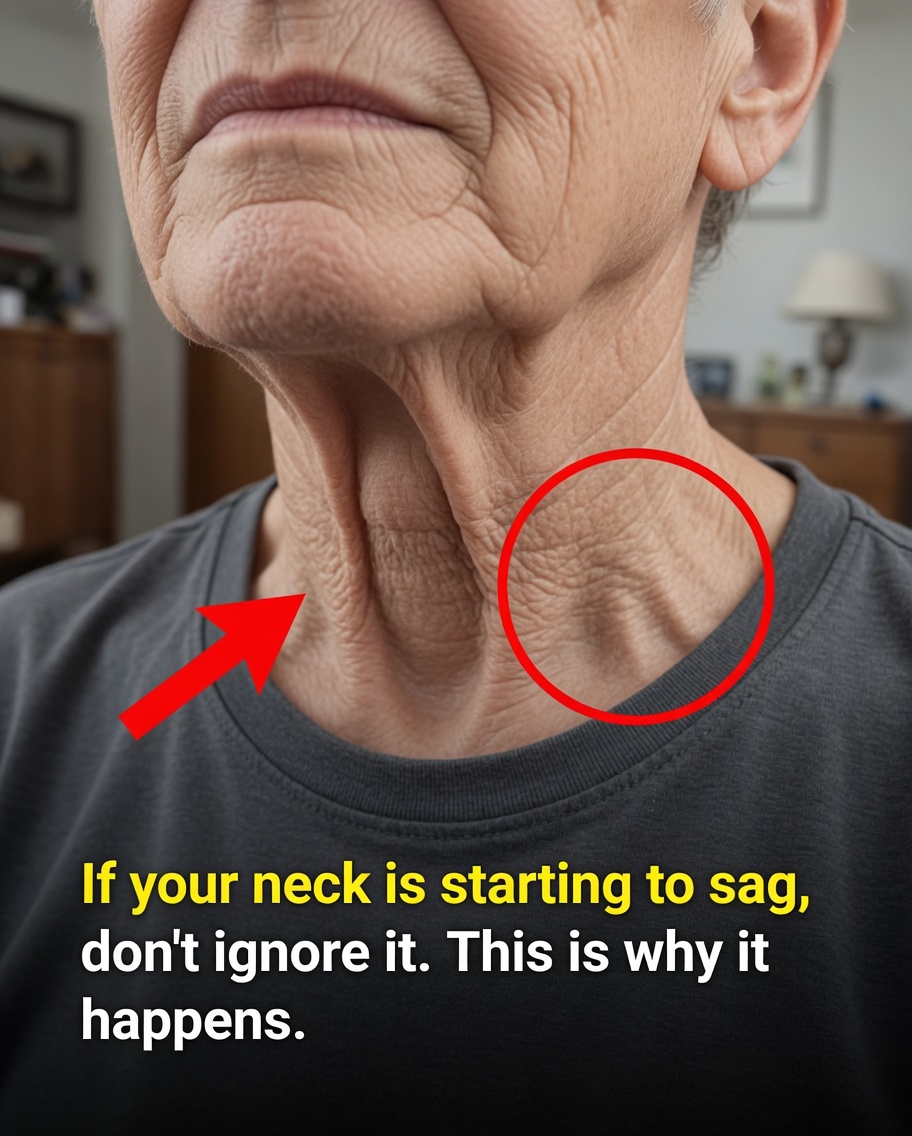
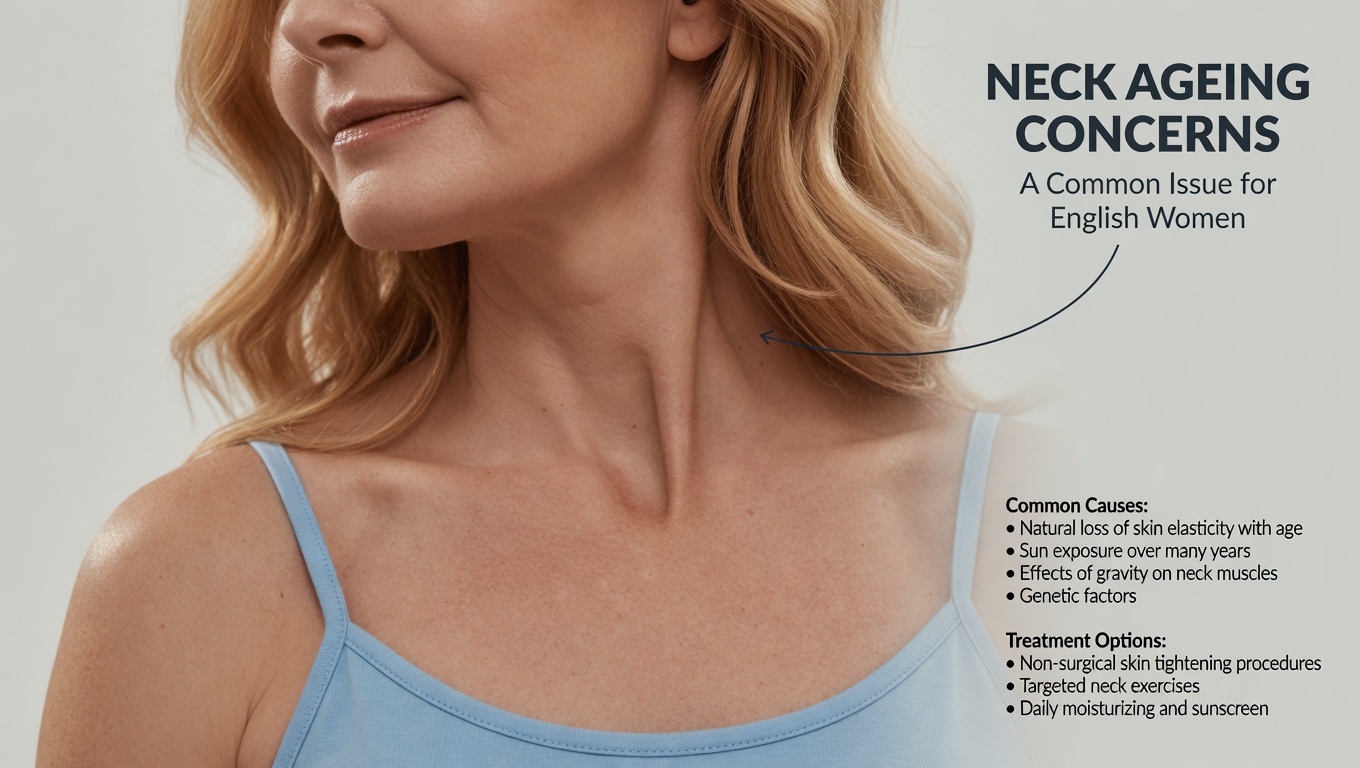
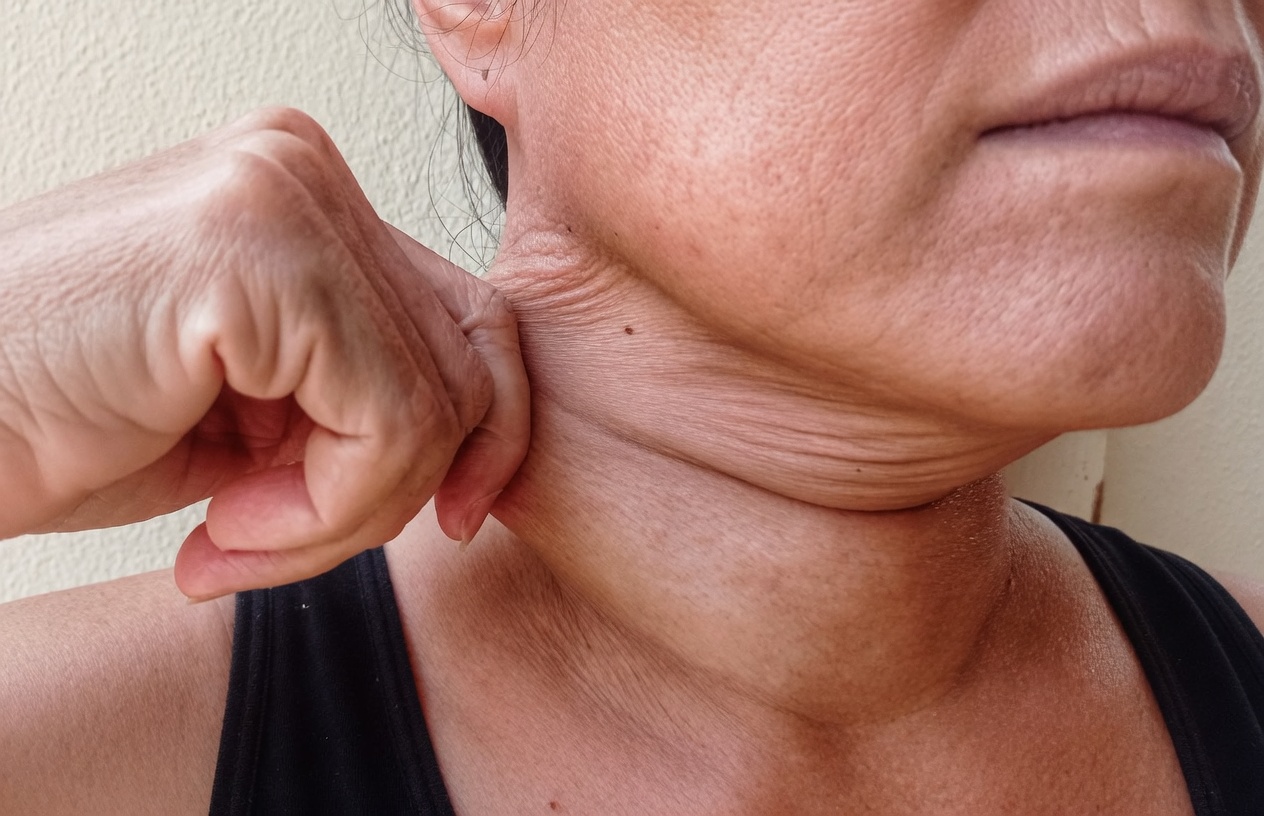
Have you recently seen skin under your chin or on your neck looking looser, thinner, or “crepey”—and felt it makes you look older than you feel? This very common concern, often nicknamed “turkey neck,” can soften the jawline and reduce neck definition, which may affect confidence in photos, certain necklines (like V-necks), or even when you tilt your head.
The encouraging part: once you understand what drives neck sagging, you can build gentle, consistent daily habits that support your skin’s appearance over time. This guide breaks down the leading causes of sagging neck skin and offers realistic steps you can begin today—plus a simple routine adjustment many people skip that can add up to visible improvement.
What Causes Sagging Skin on the Neck?
The neck often shows aging earlier than the face because the skin here is thinner, contains fewer oil glands, and is constantly moving while also being regularly exposed to the environment. Skin aging is generally shaped by a mix of internal (natural) changes and external stressors, both of which gradually reduce firmness and elasticity.
Natural Aging: Collagen and Elastin Gradually Decline
From the 30s and 40s onward, the body typically slows down production of collagen and elastin—two proteins essential for skin structure and “snap-back.”
- Collagen acts like supportive scaffolding.
- Elastin helps skin return to shape after stretching or movement.
As levels of both decrease over time, the skin becomes more prone to laxity and sagging, especially in delicate areas like the neck.
Sun Exposure: A Major Driver of Premature Neck Aging
Sunlight doesn’t just darken the skin—it can accelerate visible aging. Ultraviolet (UV) radiation breaks down collagen and elastin more quickly than aging alone. The neck is often forgotten during sunscreen application, even though it’s frequently exposed outdoors.
Over the years, this cumulative sun exposure contributes to texture changes, fine lines, and earlier loss of firmness—a process commonly referred to as photoaging.
Rapid Weight Changes Can Leave Skin Looking Looser
When weight decreases quickly, the skin that previously stretched may not tighten evenly afterward—particularly if the loss is sudden or significant. As underlying volume reduces, the outer skin can remain slack, creating a more droopy or deflated look around the neck and under the chin.
More gradual weight changes typically give the skin better opportunity to adapt.
Gravity and Neck Muscle Changes (Including the Platysma)
Gravity is always at work. Over time, it pulls skin downward while the platysma (a thin muscle covering the front of the neck) may weaken or separate, which can contribute to:
- visible vertical banding,
- folds under the chin,
- and a less defined neck contour.
When combined with age-related skin thinning, this can intensify the classic “turkey neck” appearance.
“Tech Neck”: Posture and Constant Downward Looking
Spending long hours looking down at phones, tablets, or laptops repeatedly creases the neck. This is often called “tech neck.” A forward-head posture increases mechanical stress by folding the skin in the same places over and over, encouraging:
- horizontal neck lines,
- deeper creases,
- and a looser-looking texture over time.
Other Influences: Genetics and Lifestyle
Your baseline neck aging pattern is also shaped by factors you can’t fully control, such as genetics (for example, naturally thinner skin or faster collagen breakdown). Lifestyle matters too: smoking can reduce circulation and nutrient delivery to skin, and ongoing stress may indirectly affect overall skin resilience and recovery.
Key Factors Behind Neck Sagging (Quick Summary)
- Natural reduction in collagen and elastin starting around the 30s–40s
- UV exposure without consistent sun protection
- Fast or major weight loss
- Gravity plus weakening changes in the platysma muscle
- Repetitive skin folding from “tech neck” posture
- Genetics and lifestyle factors like smoking and poor nutrition
Because several of these influences often overlap, the neck can show aging even when facial skincare is strong and consistent.
Practical Daily Habits That Support a Smoother-Looking Neck
No routine can stop aging entirely, but steady, low-effort habits can help the neck look more hydrated, resilient, and supported. Focus on three priorities: protection, hydration, and gentle strengthening.
1. Use Sun Protection—Every Single Day
Apply a broad-spectrum SPF 30+ to the neck and chest area each morning, the same way you treat your face. If you’re outside for extended periods, reapply. This is one of the most effective ways to reduce ongoing collagen breakdown from UV exposure.
2. Moisturize Consistently for Better Texture and Bounce
Hydrated skin tends to look smoother and more supple. Use a moisturizer suitable for face and neck twice daily. Ingredients such as hyaluronic acid can help draw moisture into the skin for a plumper look.
Tip: apply using gentle upward strokes to avoid unnecessary tugging and to encourage a mindful, consistent routine.
3. Improve Posture to Reduce Repetitive Creasing
Small posture adjustments can reduce daily mechanical stress on the neck:
- Hold screens closer to eye level
- Take regular breaks from looking down
- Reset your posture: shoulders relaxed, chest open, head aligned
These changes help minimize repeated folding that deepens neck lines over time.
4. Add Gentle Neck-Support Movements
Light, controlled movements may support the muscles under the skin and improve overall neck function and posture.
Try these options:
-
Chin Tuck
Sit or stand tall. Draw your chin straight back (as if creating a small “double chin”). Hold for 5 seconds. Repeat 10 times. -
Side Neck Stretch
Tilt your head so your ear moves toward your shoulder. Hold 20–30 seconds, then switch sides. Repeat 2–3 times daily. -
Jaw Release
Look slightly upward, gently move your lower jaw forward, hold briefly, then relax.
Start slowly. If you feel pain, dizziness, or discomfort—especially with existing neck issues—consult a qualified professional.
5. Aim for Weight Stability and Skin-Supportive Nutrition
If you’re changing weight, gradual adjustments are often more skin-friendly than rapid shifts. Support your skin from within by prioritizing nutrient-dense foods and adequate hydration.
The Routine Tweak Many People Miss
A simple but powerful change: extend your facial skincare down to your neck and chest consistently. Cleansing gently, applying moisturizer, and using SPF in this area—every day—can create cumulative improvement over months.
Final Takeaway: Small Daily Actions Add Up
Sagging neck skin usually results from a combination of natural aging, sun exposure, gravity, muscle changes, weight shifts, and daily habits like poor posture. By protecting the area from UV damage, keeping it moisturized, improving posture, and doing gentle movements, you give your neck the best daily support for a healthier-looking appearance.
Choose one or two steps to start today. Consistency matters far more than perfection.
Frequently Asked Questions
How early can neck sagging begin?
It depends, but early changes often appear in the 30s or 40s as collagen production slows. High sun exposure and genetics can make it noticeable sooner.
Does everyone develop “turkey neck” eventually?
Not to the same extent. Long-term habits—especially sun protection and posture—can influence how prominent it becomes.
Do neck exercises actually help?
Gentle, regular movements may improve muscle tone and support, which can enhance appearance for some people. Results vary and are usually best when paired with skincare and sun protection.
Disclaimer
This article is for educational purposes only and is not medical advice. Skin changes can have many causes. For personalized guidance, consult a qualified healthcare professional or dermatologist.