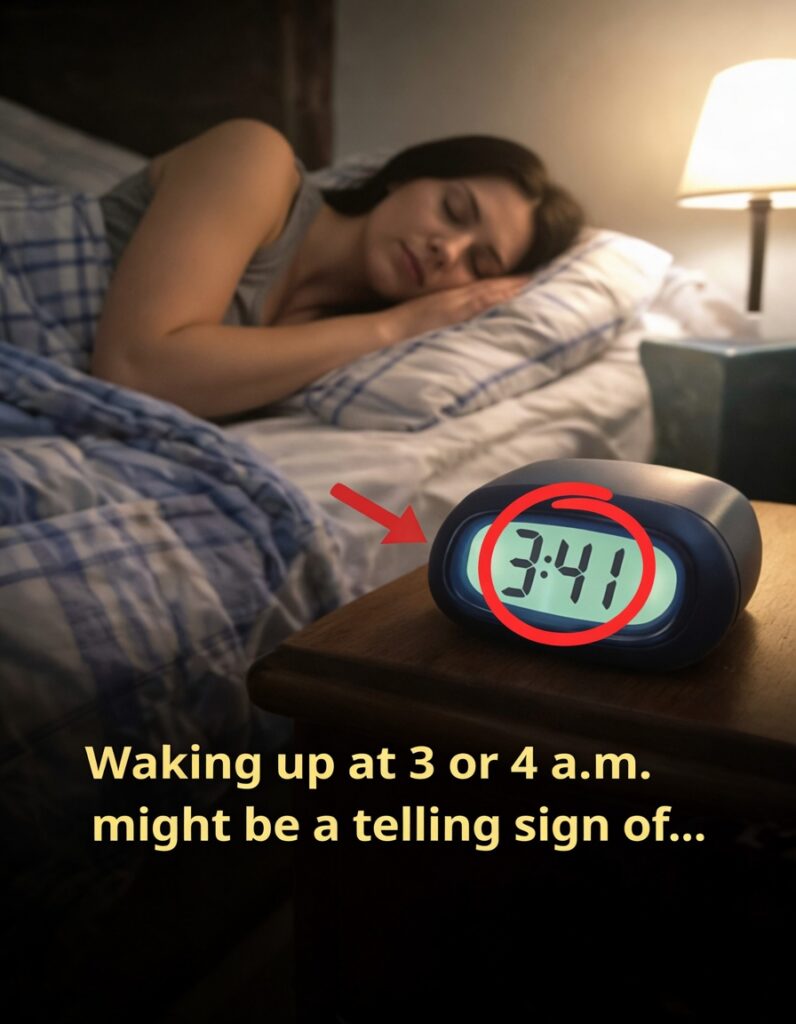
Waking Up Between 3 and 4 AM? Here’s What Your Body May Be Telling You
Do you jolt awake sometime between 3 and 4 AM, fully alert, while everything around you is quiet and still? That middle-of-the-night wake-up can be infuriating—especially when the next day brings fatigue, irritability, brain fog, and low energy. For many people, it’s not a one-off event. It repeats often enough to raise an uncomfortable question: Why does my body “switch on” when it should be recovering?
The encouraging part is that these early awakenings are frequently linked to normal biology (how sleep cycles work), plus modifiable habits and stress patterns. With a few targeted changes, many people are able to fall back asleep faster—or stop waking up as often. There’s also one overlooked connection that ties the whole pattern together, and you’ll see it clearly near the end.
How Sleep Cycles Make Early-Morning Wake-Ups More Likely
Sleep isn’t one continuous state. Instead, it moves through repeating 90-minute cycles, shifting between deeper non-REM stages and lighter REM sleep (the stage most associated with vivid dreaming).
- In the first half of the night, deep sleep is more dominant, supporting physical recovery.
- As morning approaches, REM and lighter stages become longer and more frequent.
This matters because the window around 2–4 AM often contains more light sleep, making you easier to wake. At that time, even small disruptions—like a faint sound, a slight temperature change, or an internal body signal—can pull you into wakefulness. And once you’re awake during a lighter phase, returning to sleep can feel surprisingly difficult.
Cortisol: The “Wake-Up Hormone” That Rises Before Dawn
One of the biggest biological drivers behind early waking is cortisol, sometimes nicknamed the “wake-up hormone.” Cortisol follows your circadian rhythm:
- It stays relatively low overnight to support sleep.
- Then it begins rising in the early morning—often starting around 2–3 AM—to prepare you for the day.
This natural increase helps raise alertness, blood sugar availability, and energy, which is why it’s part of how most people wake up feeling functional. But if your overall stress level is high, that normal rise can feel more like a sudden surge, pushing you into full wakefulness earlier than you want.
And cortisol isn’t acting alone—other factors can magnify its effect.

Stress and Emotions: Why Your Brain Won’t “Power Down”
When you’re dealing with ongoing stress, anxiety, or a low mood, your nervous system may stay partially activated even while you sleep. This state—often described as hyperarousal—makes lighter sleep stages more fragile.
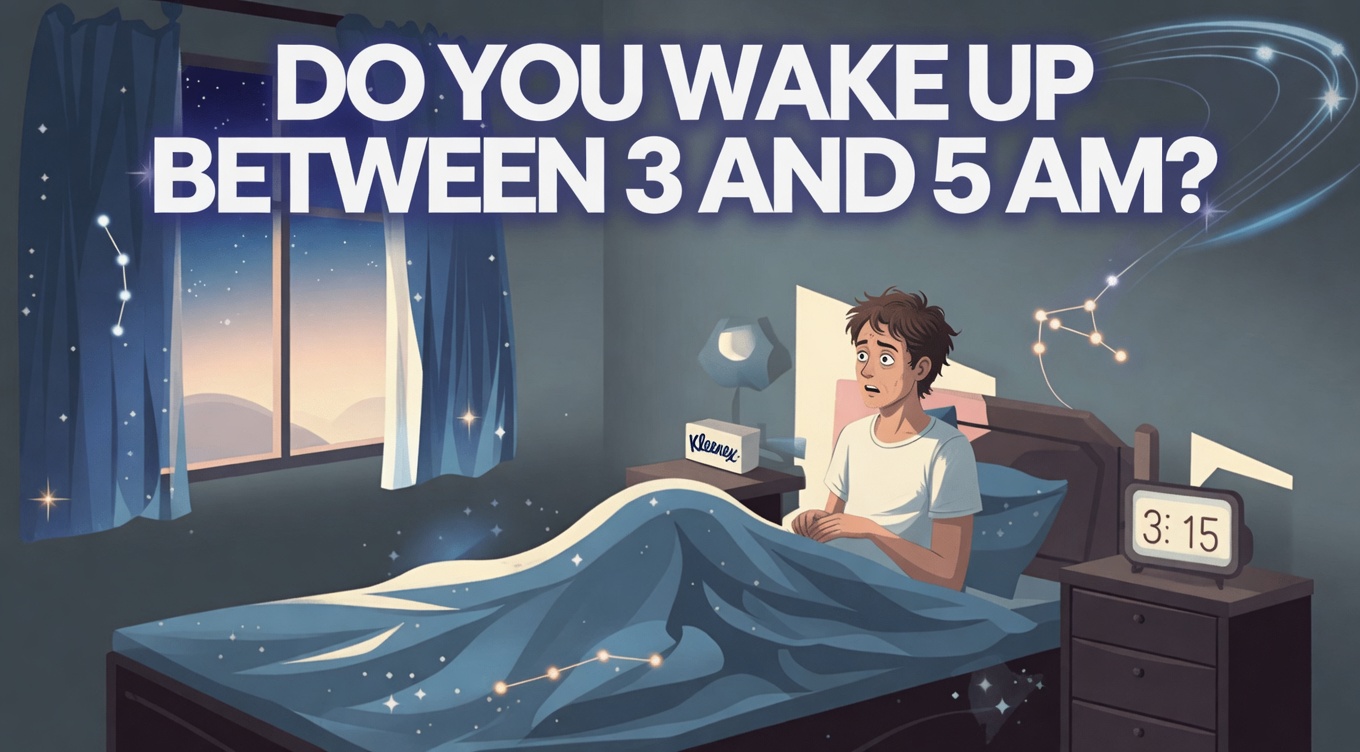
Because your sleep is already naturally lighter in the early morning, stress-related hyperarousal can trigger awakenings most noticeably around 3–5 AM. Many people describe the experience as:
- physically tired but mentally alert
- waking with a sense of urgency, worry, or looping thoughts
- struggling to “switch off” again even when they want to sleep
Over time, this pattern can become self-reinforcing: you start expecting the wake-up, and that anticipation alone can increase nighttime alertness.
Lifestyle Habits That Commonly Trigger 3–4 AM Wake-Ups
Daily routines often play a bigger role than people realize. Several common habits can fragment sleep later in the night:
- Caffeine late in the day can remain active for hours, delaying deeper sleep and increasing night waking.
- Alcohol may help you fall asleep faster initially, but it often disrupts sleep later, particularly in the second half of the night.
- Heavy or late meals can interfere with rest as digestion continues overnight.
- Irregular eating patterns can contribute to blood sugar swings. If blood sugar drops, the body may release hormones like cortisol or adrenaline to stabilize it—potentially waking you up.
- Bedroom factors (heat, light exposure, noise) tend to be more disruptive during REM/light sleep periods.
Common contributors at a glance
- Caffeine / Alcohol: delays deeper sleep, increases rebound waking later
- Stress / Anxiety: heightens nighttime alertness, makes it harder to return to sleep
- Irregular Meals: blood sugar dips may trigger hormonal “rescue” signals
- Sleep Environment Issues: small disturbances feel bigger during REM and light sleep
Traditional Timing Views (And What They Can Still Teach You)
Some wellness systems, including Traditional Chinese Medicine (TCM), connect specific nighttime hours with different body systems. In this framework, 3–5 AM is often associated with the lungs and breathing, as well as emotions such as grief or sadness.
This isn’t considered a Western medical explanation or diagnosis. However, some people find the timing concept useful as a reflection tool—especially because modern sleep research does support the idea that breathing comfort and emotional load can influence sleep quality, even if it doesn’t validate organ-specific “time slots” in a strict sense.
Practical Ways to Stay Asleep Longer (Starting Tonight)
These strategies are realistic, evidence-aligned habits that can improve sleep continuity over time.
1) Keep a consistent wind-down routine
- Lower lights 1–2 hours before bed to cue relaxation.
- Reduce screen exposure when possible, since bright/blue light can suppress melatonin.
2) Adjust evening intake
- Avoid caffeine after midday (or at least 8–10 hours before bed, depending on sensitivity).
- Stop alcohol 3–4 hours before bedtime to reduce sleep fragmentation.
- Choose a lighter dinner, and avoid very heavy meals close to sleep.
3) Improve your sleep environment
Aim for a bedroom that supports stable sleep:
- cool (60–67°F / 15–19°C)
- dark
- quiet
If noise is an issue, consider earplugs or steady white noise.
4) Use a “back-to-sleep” response when you wake up
When you wake at 3–4 AM:
- keep lights low
- avoid checking your phone
- try slow deep breathing or progressive muscle relaxation
The goal is to calm the nervous system rather than “problem-solve” your wakefulness.
5) Reduce daytime stress to protect nighttime sleep
Because early-morning wake-ups are often tied to stress physiology, daytime habits matter:
- regular walking, light cardio, or gentle yoga can support healthier cortisol rhythms
- journaling worries before bed can reduce nighttime mental rumination
Consistency matters more than intensity—small routines done daily tend to work best.
When It Keeps Happening: When to Seek Support
If you’re waking most nights and it’s affecting daily function, track it for 1–2 weeks in a simple sleep diary:
- bedtime and wake time
- when the early awakening happens
- caffeine/alcohol timing
- stress level that day
- symptoms like loud snoring, choking/gasping, or excessive daytime sleepiness
Sharing this record with a healthcare professional can help identify whether an underlying issue—such as sleep apnea or another sleep-related condition—should be evaluated.
Conclusion: Getting Your Nights Back
Waking between 3 and 5 AM is often explained by a combination of lighter sleep stages, the body’s natural early-morning cortisol rise, and amplifiers like stress and lifestyle habits. Once you understand the pattern, it becomes easier to address it with practical changes—many people see improvements in both sleep stability and daytime energy.
The overlooked connection many people miss is this: the cortisol increase before dawn is designed to help you feel ready for the day—but when daytime stress keeps cortisol elevated, that normal rise can become strong enough to interrupt sleep. Reducing stress upstream is often the key that quiets those early-morning “alerts.”
FAQ
Is it normal to wake up at 3 AM every night?
Occasional wake-ups are common due to normal sleep cycles. If it happens frequently and you struggle to fall back asleep, stress, habits, or other factors may be contributing.
Can anxiety really cause early morning awakenings?
Yes. Ongoing worry can keep the nervous system activated, making sleep lighter and more fragmented—especially during the early-morning window when cortisol naturally rises.
What should I do immediately after waking at 3 or 4 AM?
Stay calm and keep the environment dark and quiet. Try slow breathing and avoid screens. If you’re still awake after about 20 minutes, get up briefly for a quiet activity (like reading in dim light), then return to bed.
Disclaimer: This article is for informational purposes only and does not provide medical advice. If sleep problems persist or significantly affect your daily life, consult a qualified healthcare professional for evaluation and personalized guidance.