
Kidney-Friendly Spices: 5 Simple Kitchen Swaps to Support Everyday Wellness
Your kidneys work around the clock—filtering waste from the bloodstream, balancing fluids, and helping regulate blood pressure. When daily habits add extra strain (such as high sodium intake or oxidative stress), supporting kidney health can feel complicated. Fortunately, it often starts with small, practical choices—especially in the kitchen.
No spice can replace medical treatment or cure any condition. However, many common seasonings contain antioxidants and anti-inflammatory compounds that can complement a balanced, kidney-friendly eating pattern. Even better, they make low-sodium meals taste satisfying instead of bland. In this guide, you’ll discover five accessible spices often associated with kidney-supportive nutrition, along with easy ways to use them immediately—plus a smart tip at the end for combining flavors to upgrade your everyday meals.

Why Spices Matter for Kidney-Friendly Eating
When people think about kidney health, they often focus on restriction—what to cut out. A more helpful approach is also to consider what you can add to make healthy eating easier to maintain.
Spices and herbs are powerful because they:
- Add big flavor without sodium, helping reduce salt intake—an important factor in blood pressure control and kidney workload.
- Provide antioxidant compounds, which may help counter oxidative stress linked to overall wellness.
- Improve meal satisfaction, making it more realistic to stick with lower-sodium, whole-food meals long term.
With that foundation, let’s look at five standout spices and herbs you can keep in regular rotation.
1) Garlic: Big Flavor, Zero Salt Needed
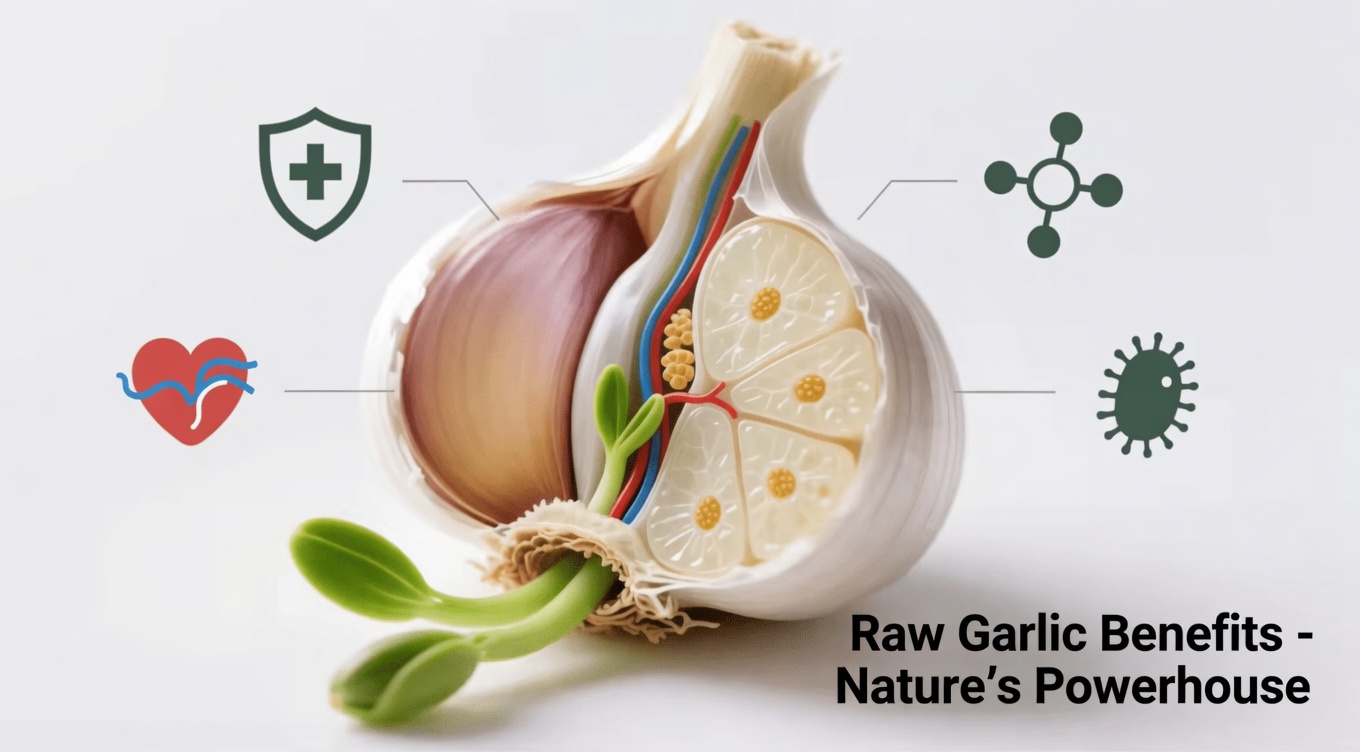
Garlic is one of the easiest ways to build savory depth without reaching for the salt shaker. Whether you use fresh cloves or garlic powder, garlic brings bold flavor while contributing beneficial plant compounds such as allicin, which has been studied for antioxidant and potential anti-inflammatory activity. Because heart and blood vessel health are closely connected to kidney function, garlic’s broader cardiovascular support is especially relevant in kidney-friendly lifestyles.
Try it today:
- Sauté 1–2 minced cloves gently in olive oil to start soups, sauces, stir-fries, or roasted vegetables.
- Use garlic powder to season lean proteins or roasted potatoes when reducing sodium.
2) Ginger: Bright Heat and Digestive-Friendly Comfort
Ginger delivers a warming, slightly peppery “kick” that works in both savory meals and drinks. It contains bioactive compounds studied for antioxidant and anti-inflammatory properties, and it’s commonly used to support digestive comfort—useful when you want meals that feel light yet satisfying.
Easy ways to use ginger:
- Grate fresh ginger into marinades, stir-fries, and salad dressings.
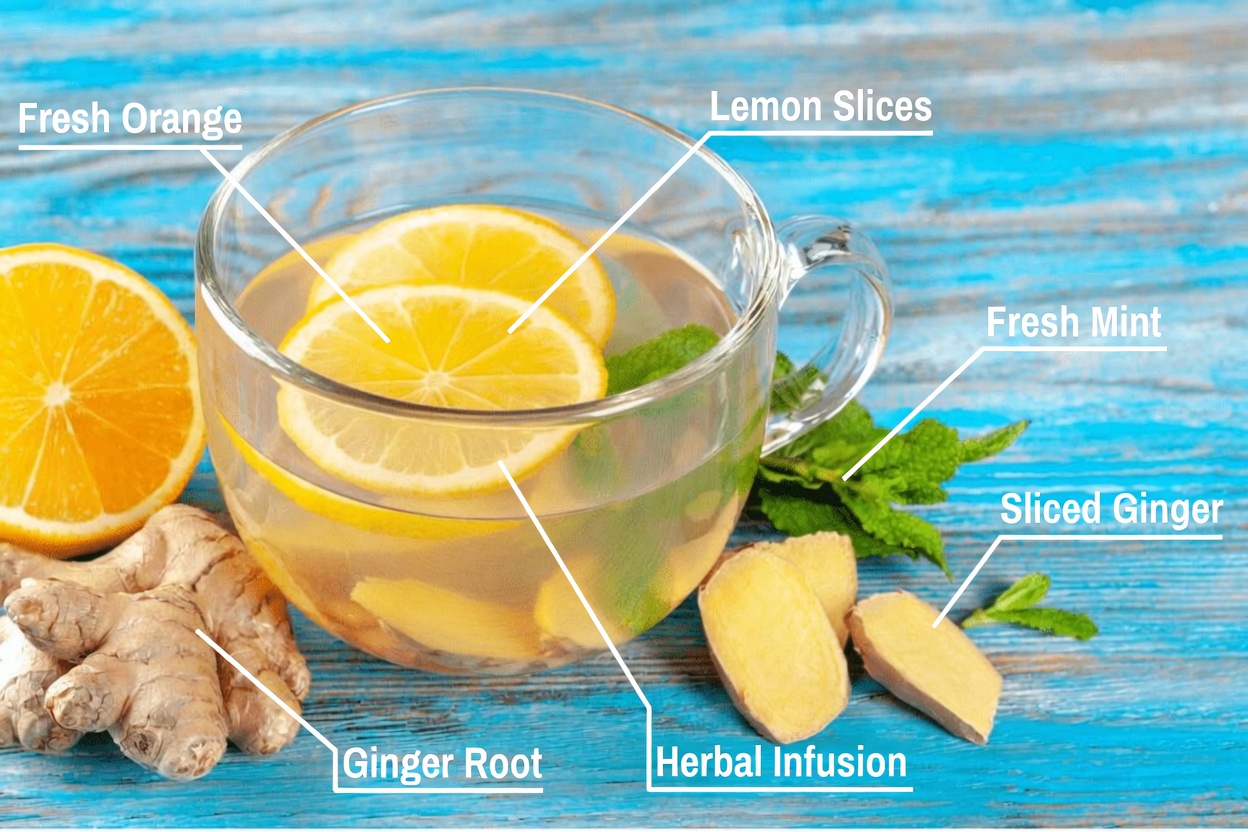
- Steep a 1-inch piece in hot water for a simple ginger tea; add lemon for extra brightness.
3) Turmeric: The Golden Spice with Curcumin
Turmeric’s vibrant yellow color comes from curcumin, a compound widely researched for its antioxidant and anti-inflammatory potential. While more human research is still developing, turmeric remains a popular choice for people aiming to support overall wellness through food. In normal cooking amounts, it’s generally considered safe and adds a warm, earthy flavor.
Practical ideas:
- Stir 1 teaspoon of turmeric into rice, soups, lentils, or smoothies.
- Combine turmeric with a pinch of black pepper to naturally enhance curcumin absorption.
4) Cinnamon: Cozy Flavor Without Extra Sugar
Cinnamon adds natural sweetness and warmth, helping meals taste richer even when you’re cutting back on sugar or salt. Reviews of cinnamon’s plant compounds suggest potential links to inflammation balance and heart health—both relevant to a kidney-conscious lifestyle.
Simple uses:
- Sprinkle ½ teaspoon into oatmeal, chia pudding, or plain yogurt.
- Add cinnamon to roasted vegetables like carrots, squash, or sweet potatoes.
- Stir into herbal tea or warm milk alternatives for a dessert-like flavor.
5) Basil (and Similar Herbs): Fresh, Bright, and Sodium-Free
Fresh herbs—especially basil, along with oregano and rosemary—can transform basic ingredients into flavorful meals without any added sodium. Many herbs offer antioxidants and help reduce dependence on salt by making food taste more vibrant and layered.
Quick tips for herbs:
- Tear fresh basil over salads, pasta, or grilled vegetables right before serving.
- Add dried oregano or rosemary to sauces, roasted dishes, and soups.
- Use herbs generously near the end of cooking to preserve aroma and freshness.
Key Benefits of Using These Spices for Kidney-Friendly Cooking
Adding garlic, ginger, turmeric, cinnamon, and basil-style herbs can support a kidney-conscious routine because they help you build a better plate—without relying on sodium.
- Lower-sodium meals that still taste great, which supports healthy blood pressure habits.
- Antioxidant and anti-inflammatory support from plant compounds found in many spices and herbs.
- More variety and enjoyment, making it easier to maintain balanced eating patterns over time.
Quick Flavor Guide (At a Glance)
- Garlic: savory and versatile; excellent base flavor for nearly anything
- Ginger: zesty heat; great for stir-fries, marinades, and tea
- Turmeric: earthy and warm; ideal in soups, rice, and lentils
- Cinnamon: sweet warmth; perfect for breakfast bowls and snacks
- Basil + herbs: fresh and aromatic; great for Mediterranean-style meals
How to Start Using These Spices Today (No Overhaul Required)
- Reduce salt gradually: Cut your usual salt in half and replace flavor with garlic, herbs, and a pinch of turmeric.
- Bloom spices for richer taste: Briefly warm ground spices in a dry pan or in a little oil to release aroma before adding other ingredients.
- Add fresh ingredients at the end: Stir in basil and fresh ginger near the finish for the brightest flavor.
- Experiment one at a time: Try one “new” spice each week to build a routine you’ll actually keep.
Simple Recipe Ideas to Try This Week
-
Garlic & Herb Roasted Vegetables
- Toss zucchini, bell peppers, and carrots with olive oil, minced garlic, oregano, and basil.
- Roast at 400°F (200°C) for ~25 minutes.
-
Ginger-Turmeric Golden Tea
- Simmer sliced ginger and turmeric in water for 10 minutes.
- Add lemon; sweeten lightly with honey if desired.
-
Cinnamon Breakfast Bowl
- Top oatmeal with cinnamon (and a touch of nutmeg if you like) plus fresh berries for natural sweetness.
A Surprising Combo Tip: Build a “No-Salt Flavor Blend”
To make kidney-friendly cooking effortless, pre-mix a simple seasoning blend and keep it by the stove:
- Garlic powder
- Turmeric
- Dried basil or oregano
- A small pinch of black pepper
Use it on roasted vegetables, rice, soups, and lean proteins whenever you’d normally add extra salt.
Final Thoughts
Using everyday spices—garlic, ginger, turmeric, cinnamon, and basil-like herbs—is a practical way to create flavorful, low-sodium meals while supporting overall wellness. These small kitchen changes can make healthy eating easier, more enjoyable, and more consistent over time—benefiting both your kidneys and your whole body.
Frequently Asked Questions
Can I use these spices on a restricted kidney diet?
In typical culinary amounts, these seasonings are generally considered kidney-friendly because they add flavor without sodium. However, kidney diets can vary widely depending on lab values and medical needs—check with your clinician or renal dietitian for personalized guidance.
How much is safe to use per day?
For most people, normal cooking amounts (usually up to 1–2 teaspoons per meal, depending on the spice) are considered safe. Avoid high-dose supplements unless your healthcare provider recommends them.
Can these spices interact with medications?
In large amounts—especially as concentrated supplements—some spices (notably turmeric and ginger) may interact with certain medications such as blood thinners. If you take prescription medicines, consult your healthcare professional before using high doses.
Disclaimer
This content is for informational purposes only and does not provide medical advice, diagnosis, or treatment. Always consult a qualified healthcare professional regarding any health-related decisions.