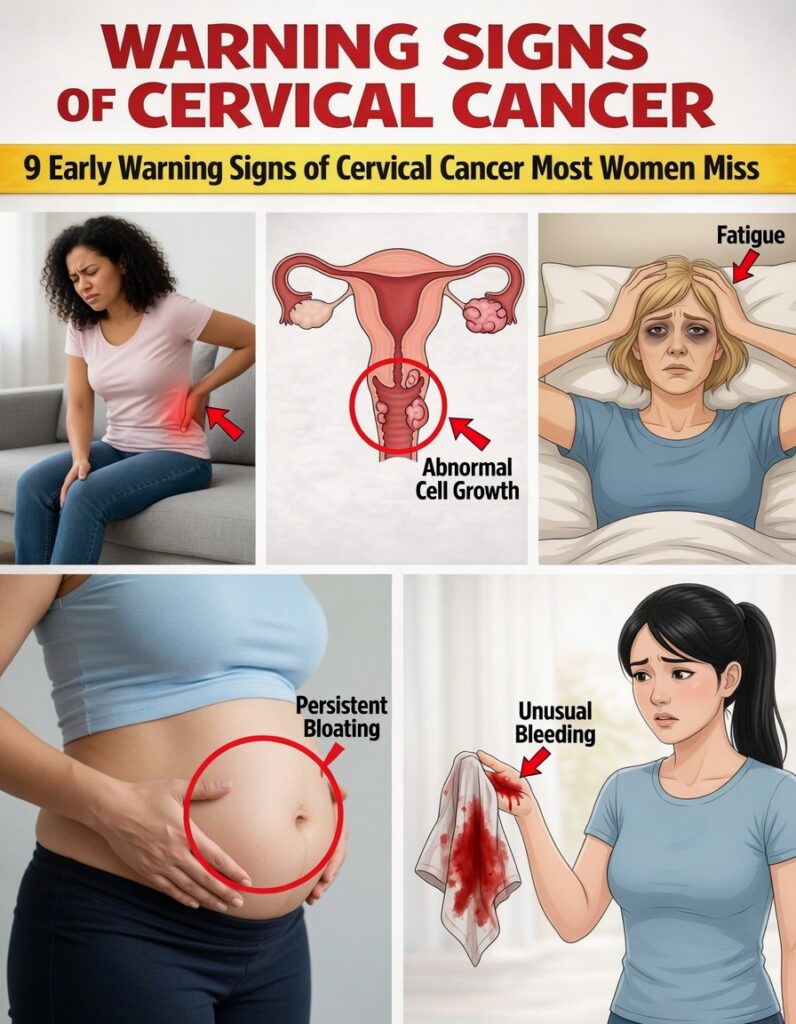
Cervical Cancer Can Be Easy to Miss—But Early Detection Changes Everything
Cervical cancer impacts thousands of women every year, and it often advances quietly because the earliest changes can look like “normal life.” Light spotting, persistent tiredness, or subtle pelvic discomfort may be dismissed as stress, hormonal shifts, or aging. Yet the National Cancer Institute notes that when cervical cancer is found early, the 5-year relative survival rate is about 91%.
The problem is that early warning signs are frequently overlooked until symptoms become harder to ignore. The good news: learning to recognize patterns sooner can lead to simpler treatment options and far more peace of mind. Later in this guide, you’ll also find practical, realistic steps you can start today—especially one routine habit that makes a major difference for many women.
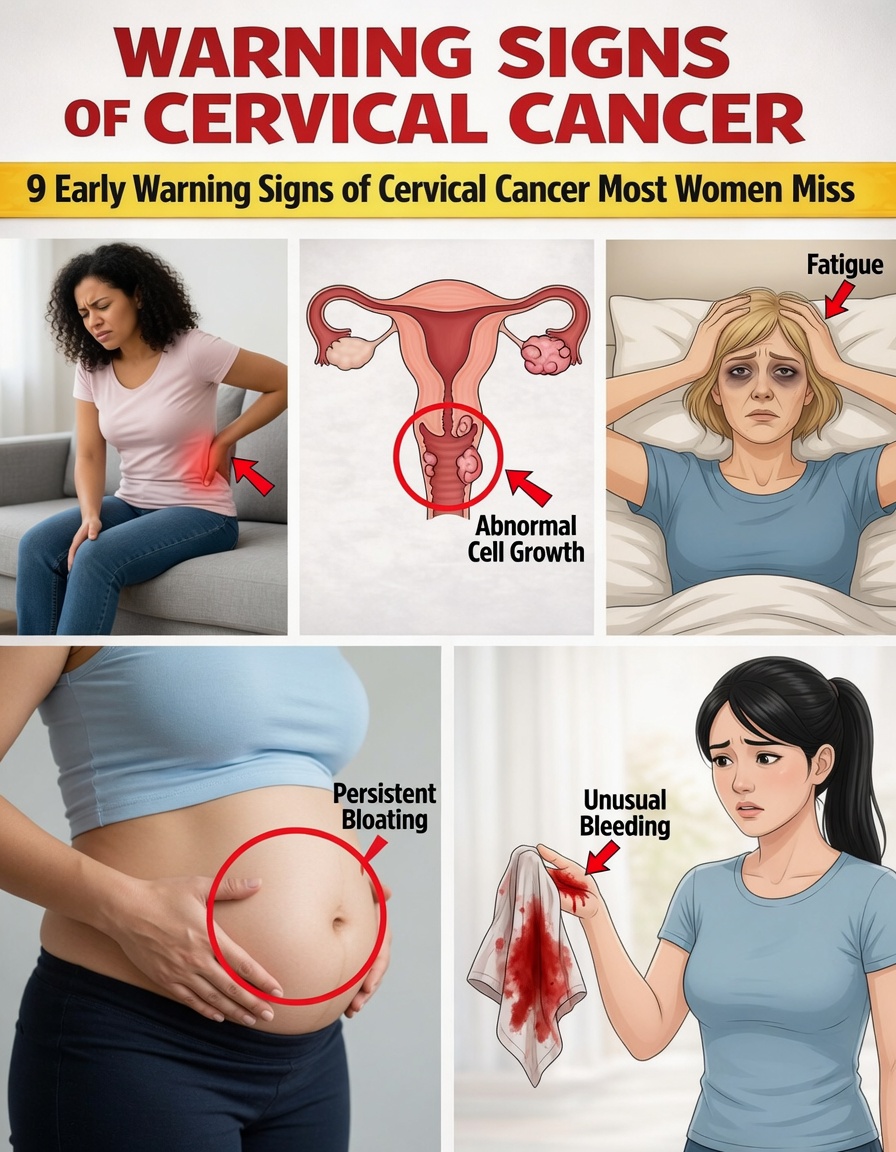
Why Cervical Cancer Can Stay “Silent” for Years
Cervical cancer usually develops slowly over time. The most common underlying driver is a persistent infection with high-risk human papillomavirus (HPV)—a widespread virus that most sexually active people encounter at some point.
In the earliest stages, cervical cell changes often cause no obvious symptoms, which is why many health organizations describe it as a “silent” condition. As abnormal cells accumulate, the body may send subtle signals, but they can easily resemble everyday issues such as infections, perimenopause, or general fatigue.
A major challenge is delay. It’s common to think, “It’s probably nothing,” and wait. However, guidance and research from leading organizations such as the Mayo Clinic and the American Cancer Society emphasize that identifying suspicious patterns early matters because precancerous changes are often very treatable when caught promptly. Paying attention—without panic—gives you options.
9 Early Warning Signs Women Commonly Overlook
These signs do not automatically mean cancer, and many have harmless or treatable explanations. Still, if symptoms are persistent, recurring, or appear in combination, they deserve a medical conversation.
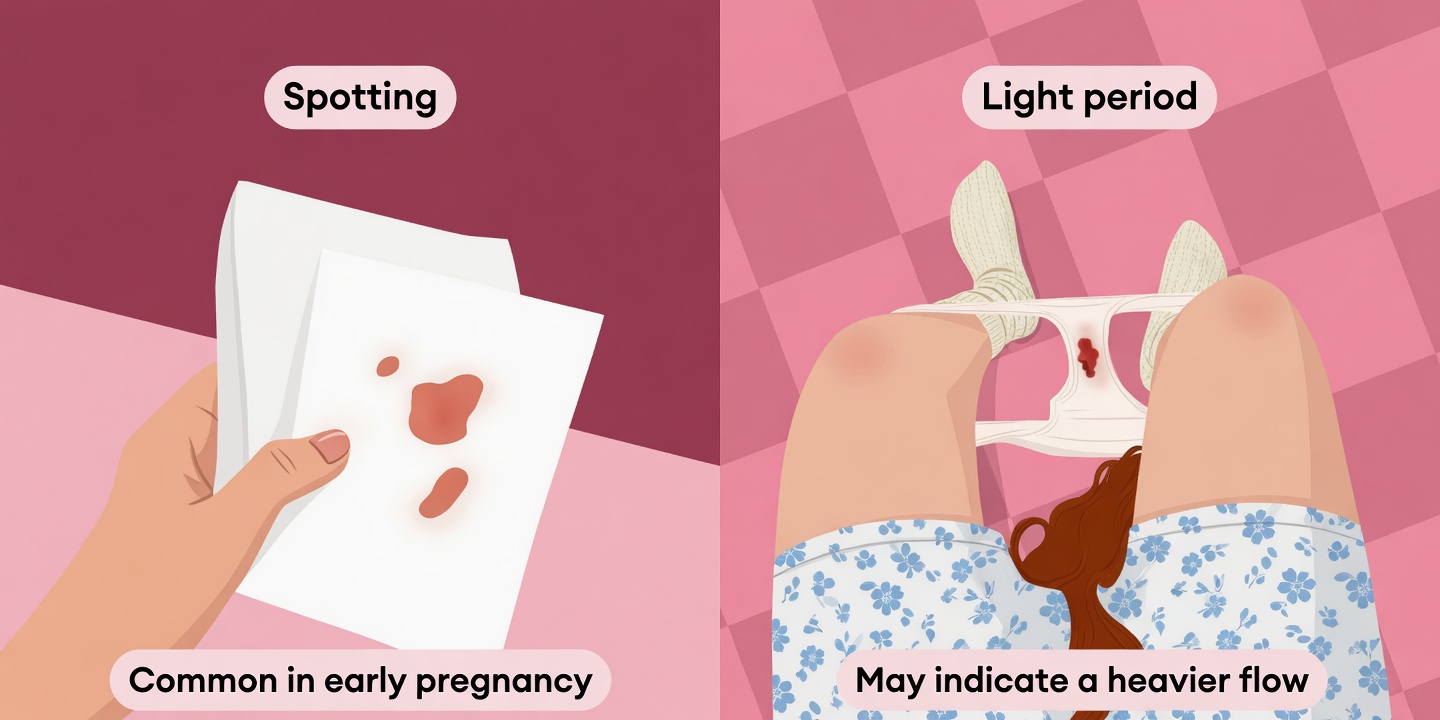
1. Unusual Vaginal Bleeding (Often the First Noticeable Sign)
According to the American Cancer Society, abnormal bleeding is one of the most frequently reported early symptoms. It may include:
- Spotting or bleeding between periods
- Bleeding after sex
- Bleeding after menopause
- Periods that suddenly become heavier or last longer than usual
These changes can happen because abnormal cervical tissue becomes more delicate, making small blood vessels easier to irritate or break. Many women assume it’s hormonal, irritation, or stress-related—especially if it shows up unexpectedly after intimacy or mid-cycle.
If this has happened to you, track when it occurs and how often. Even “small” spotting can be important if it repeats.
2. Persistent Vaginal Discharge That Looks or Smells Different
The Mayo Clinic includes discharge changes among key symptoms to watch. Typical discharge is often clear or white and has little to no strong odor. Concerning changes may look like:
- More watery or heavier discharge than normal
- Pink or brown discharge, or discharge mixed with blood
- Ongoing unpleasant or foul odor
This can occur when cervical tissue changes lead to extra fluid production or tissue breakdown. If discharge changes persist for weeks and aren’t clearly tied to an infection or another known cause, it’s worth getting checked.
3. Ongoing Pelvic Pain or Lower Back Pain
This is not the usual brief cramp or a short-lived muscle ache. It may feel like a deep, dull discomfort that:
- Lingers consistently
- Doesn’t improve with rest or typical remedies
- Gradually worsens over time
As disease progresses, a tumor can press on nearby structures or nerves. Because back and pelvic discomfort are common in everyday life, many women write it off for far too long—especially when it becomes “background pain.”
4. Pain During or After Sex
Pain with sex (dyspareunia) can show up earlier than many women expect. It may feel deep, sharp, or unusually uncomfortable, and it can sometimes be followed by spotting.
One reason is that the cervix may become inflamed or fragile, making contact more irritating. If intimacy has become noticeably painful or different, that change alone is a valid reason to seek medical advice.
5. Severe Fatigue That Doesn’t Improve With Rest
Exhaustion is one of the most commonly minimized symptoms. This is more than being busy or sleeping poorly—it can feel heavy, persistent, and out of proportion to your routine.
Possible contributors include:
- Ongoing small amounts of bleeding that may lead to anemia
- Cancer-related fatigue, which can feel unusually intense and persistent
Many women later report they noticed this early but assumed it was work, stress, or life demands. If rest doesn’t restore you and the fatigue is new or worsening, look at the full symptom picture.

6–9. Other Symptoms That May Appear Together (Often Later)
These signs can show up as changes advance, but they may also overlap with earlier symptoms:
- Unexplained weight loss, especially more than about 10 pounds without trying
- Leg swelling or leg pain (one or both legs), sometimes linked to pressure or fluid buildup
- Urinary changes, such as frequent urges, pain while urinating, or blood in urine
- Bowel habit changes, including ongoing constipation, thinner stools, or rectal bleeding
A single symptom may have many causes, but multiple symptoms at the same time—for example, fatigue plus spotting, or discharge changes plus pelvic pain—can be a stronger signal to act sooner rather than later.
How to Take Control: Practical Steps You Can Start Today
Early awareness and prevention strategies can significantly reduce risk and improve outcomes. Here’s a clear, actionable approach:
-
Stay current with cervical cancer screening
- Many major guidelines recommend Pap tests every 3 years for ages 21–65
- After 30, many organizations also support Pap + HPV co-testing every 5 years
- Your clinician may adjust the schedule based on your health history
-
Consider the HPV vaccine
- Vaccination helps protect against HPV strains responsible for most cervical cancer cases
- It’s most effective before exposure, but may still be beneficial for some older groups—ask your healthcare provider
-
Track symptoms and patterns
- Use a simple note app or journal for bleeding changes, discharge, energy levels, pain, and cycle timing
- Patterns over time are often more informative than isolated events
-
Supportive lifestyle habits
- Avoid smoking (it increases cervical cancer risk)
- Practice safer sex
- Maintain regular physical activity when possible
-
Don’t wait if symptoms persist
- If two or more warning signs continue or repeat, contact your healthcare provider—no need to wait for your next routine visit
Final Takeaway: Your Body Is Communicating—Pay Attention Early
Cervical cancer is often preventable and, when detected early, frequently responds well to treatment. The symptoms above aren’t proof of cancer, but they are meaningful prompts to check in with your health.
Start with one step today: schedule a screening, document symptoms, or reach out to a clinician if something feels off. Sharing awareness with friends and family can also make a real difference—because early action saves lives.
Frequently Asked Questions
What causes most cervical cancer cases?
The vast majority of cases are linked to long-term infection with high-risk HPV types, which are primarily spread through intimate contact.
How often should cervical cancer screening be done?
Many guidelines recommend:
- A Pap test every 3 years for ages 21–29
- Pap + HPV co-testing every 5 years for ages 30–65
Your provider may recommend a different schedule depending on your medical history.
Can cervical cancer be prevented?
In many cases, yes—through HPV vaccination, regular screening to catch precancerous changes early, and risk-reducing habits such as not smoking.
Medical disclaimer: This article is for informational purposes only and does not replace professional medical advice, diagnosis, or treatment. If you have symptoms or concerns, consult a qualified healthcare provider.