Hair Thinning With Age: Why It Happens and Why So Many People Look for Gentler Solutions
Hair thinning becomes increasingly common as we get older. By around age 50, research suggests that a large share of adults notice less hair density—often connected to hormonal shifts, chronic stress, nutrient gaps, and changes in overall scalp condition. For many, this isn’t just cosmetic: it can affect daily confidence, from styling hair to simply seeing your reflection.
Plenty of people try over-the-counter treatments, yet outcomes vary widely depending on the cause and consistency of use.
Papaya Leaves for Hair Support: What’s Behind the Growing Interest?
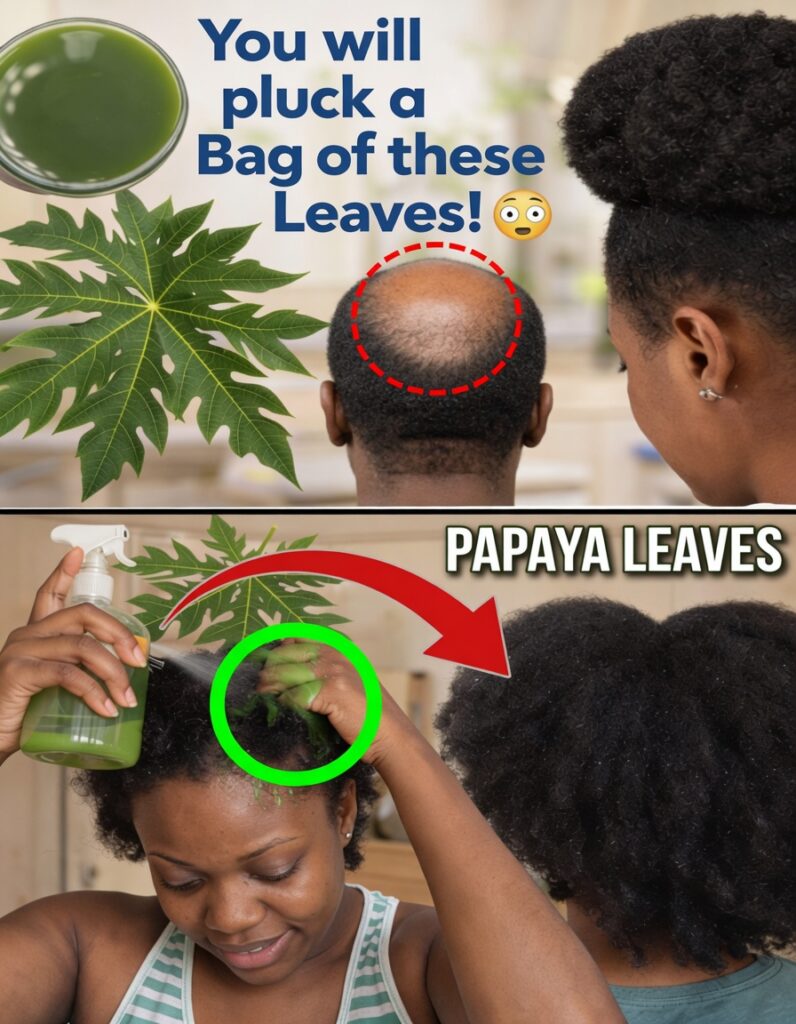
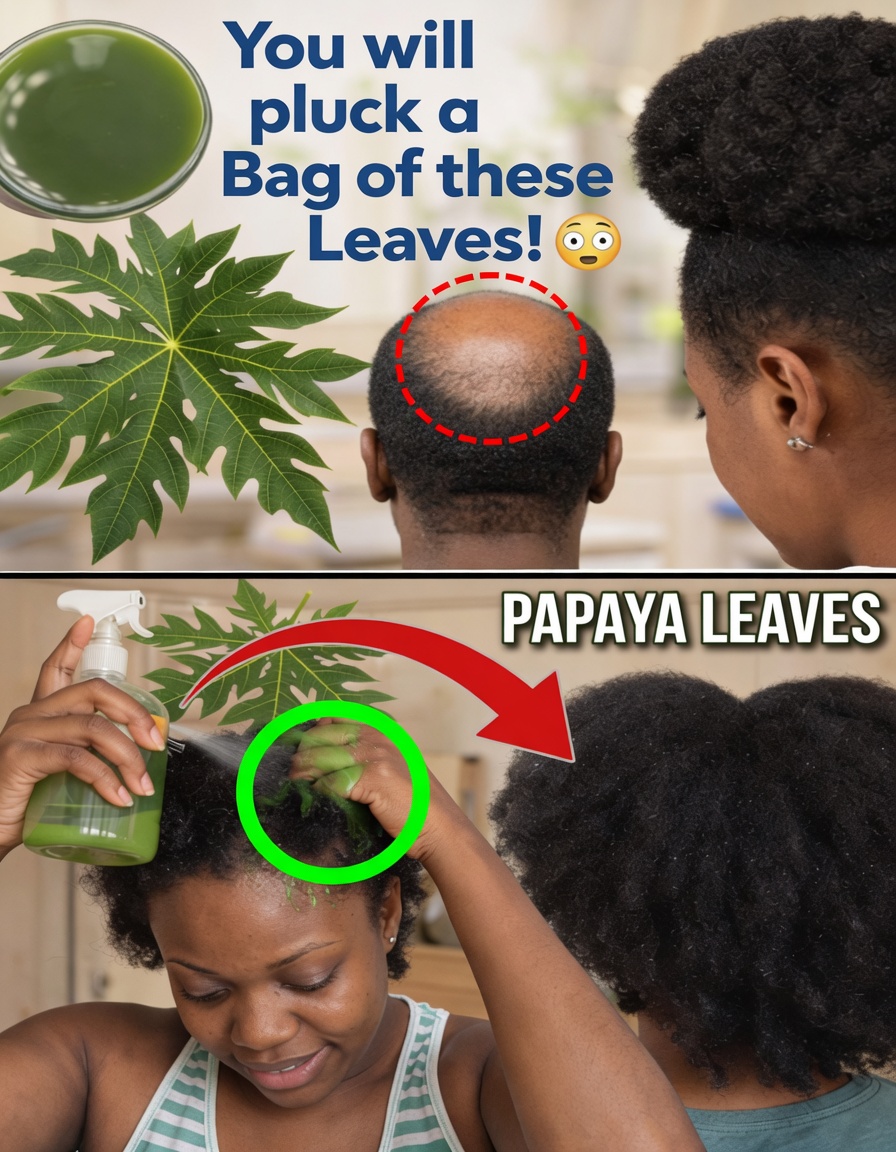
A question many people are asking is whether a natural plant ingredient—used for generations in traditional routines—can support scalp wellness in a more holistic way. Papaya leaves contain papain, a protein-digesting (proteolytic) enzyme, along with antioxidants and other bioactive compounds. Early research and many personal reports associate papaya leaf use with improved scalp comfort and healthier-looking hair conditions.
Human clinical evidence is still limited, but interest continues to grow because papaya leaves may offer multi-angle support—helping with buildup, irritation, and oxidative stress, all of which can influence the hair and scalp environment.
The Common Problem After 40: Hair Cycles Change
From the 40s onward, hair growth patterns often shift:
- Androgenetic alopecia can become more noticeable, often influenced by sensitivity to DHT (dihydrotestosterone)
- Oxidative stress may increase, affecting follicle function over time
- Reduced scalp circulation can limit nutrient and oxygen delivery to follicles
- Scalp inflammation or product buildup may interfere with healthy follicle openings
Surveys consistently show that these changes impact self-image for millions worldwide. While topical products and supplements may help some people, they don’t always address the full picture of scalp health—one reason plant-based options with multiple active compounds are getting more attention.
Papaya Leaves and Papain: A Natural Scalp Ally?
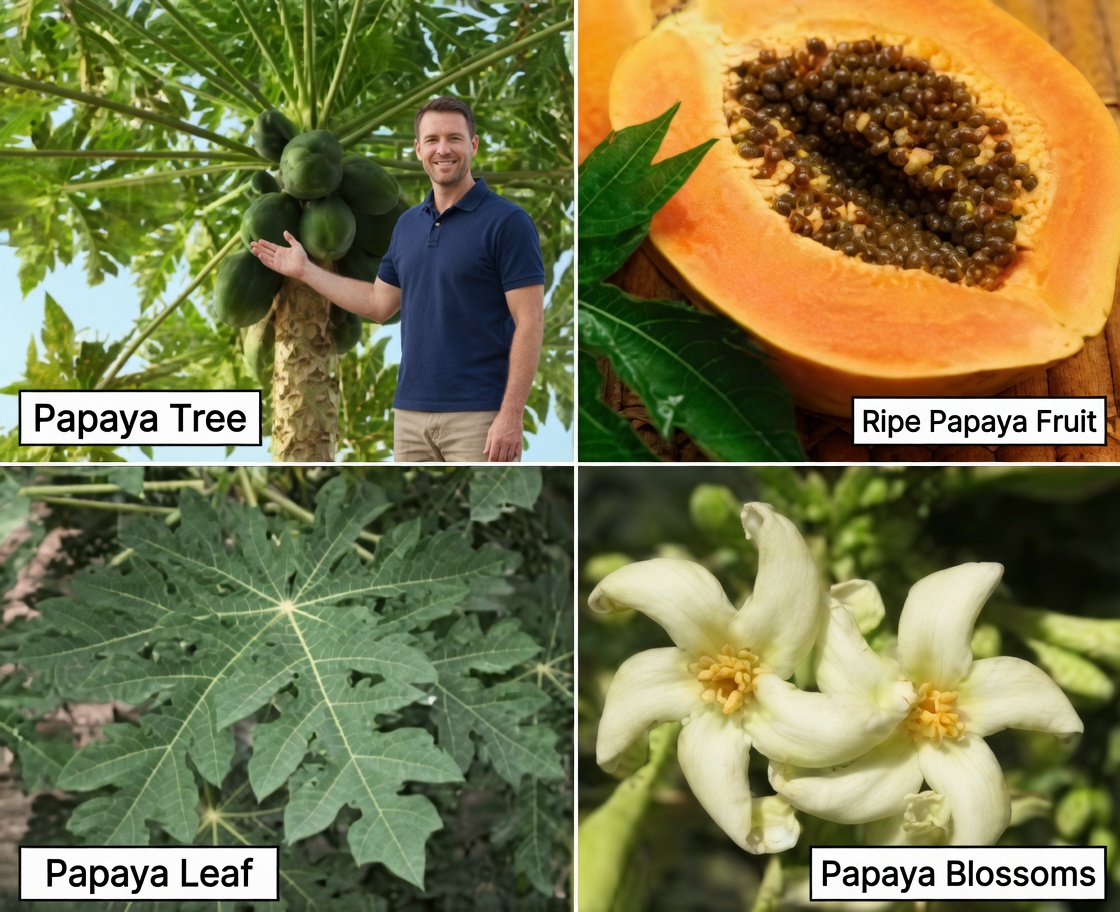
Papaya (Carica papaya) leaves are especially known for papain, an enzyme that breaks down proteins. Traditionally, papaya leaf preparations have been applied topically as part of scalp care.
Some lab and animal research suggests papaya extracts may help support the follicle environment through a combination of:
- Antioxidants (including flavonoids)
- Potential effects related to enzyme activity
- Possible support for managing inflammation, oxidative stress, and scalp buildup
Although large human studies are still lacking, early findings and practical use patterns suggest papaya leaf-based routines may help create a healthier scalp environment—an important foundation for improved hair appearance and growth cycles.
Potential Benefits of Papaya Leaves for Hair (Based on Emerging Insights)
1) Scalp cleansing and gentle exfoliation
Papain’s protein-breaking action may help loosen:
- dead skin cells
- excess oil (sebum)
- surface debris that can block follicle openings
A cleaner scalp can improve how well follicles access oxygen and nutrients.
2) Antioxidant defense
Papaya leaves contain antioxidants (including flavonoids and vitamins) that may help neutralize free radicals. Oxidative damage is commonly linked in research to weakened hair and age-related changes in the scalp environment.
3) Anti-inflammatory support
Compounds in papaya leaves may help reduce scalp irritation and discomfort. A calmer scalp often supports more stable, natural growth cycles.
4) Better circulation through massage application
Using papaya leaf rinses or masks with a brief scalp massage may encourage blood flow—supporting nutrient and oxygen delivery to follicles.
5) Possible indirect support for hormone-related thinning
Studies on other parts of the papaya plant (such as flowers) have shown 5α-reductase inhibition, a mechanism relevant to DHT-related concerns. Leaf-specific evidence is still developing, but this finding contributes to broader interest in papaya-based care.
6) Conditioning and strand strength
Papaya leaf nutrients may help hair feel smoother and less prone to breakage, potentially improving texture over time when used consistently.
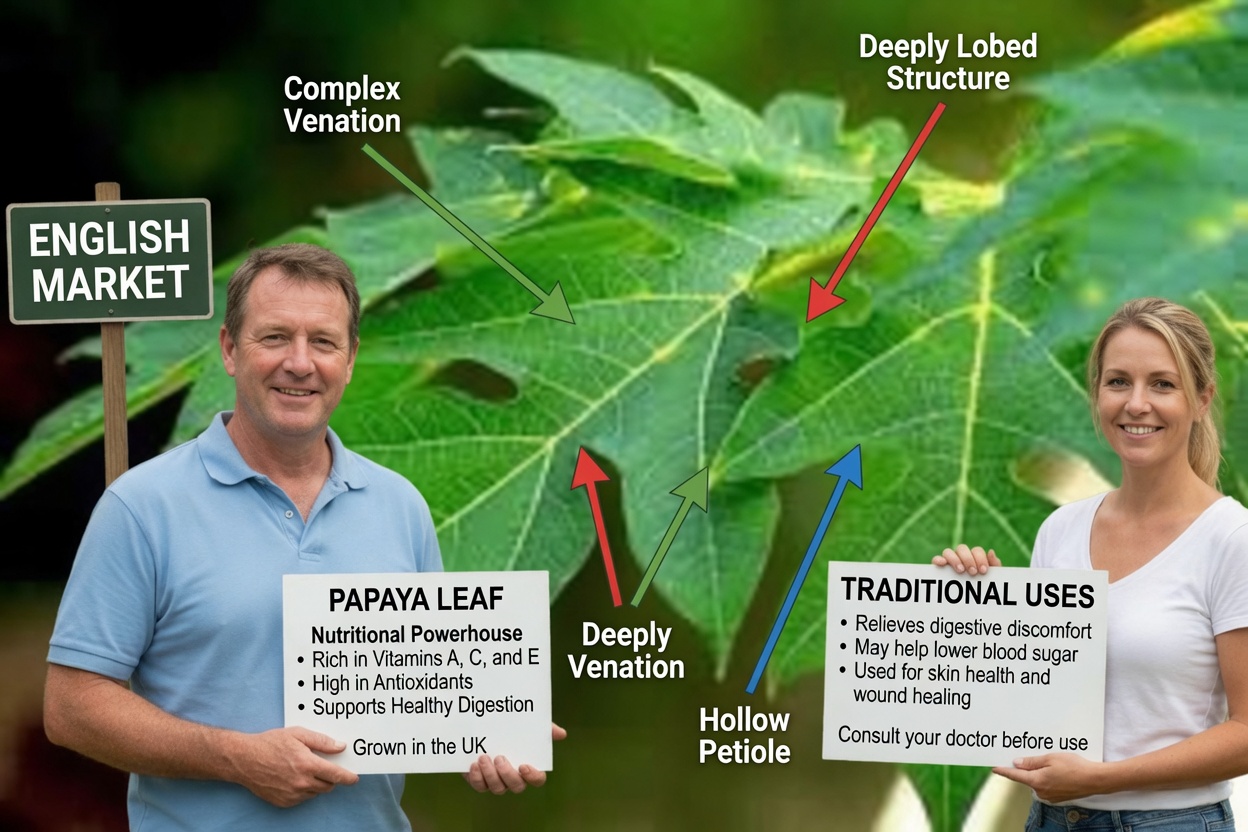
How to Use Papaya Leaves at Home (Simple Methods)
Choose fresh or properly dried papaya leaves from a trustworthy source. Always do a patch test first, since papain can be irritating for some skin types.
1) Basic papaya leaf rinse
- Rinse 8–10 fresh leaves thoroughly.
- Boil the leaves in 2 cups of water for 15–20 minutes.
- Let the liquid cool, then strain it.
- Use as a final rinse after shampooing, about 2–3 times per week.
- Gently massage into the scalp for 5 minutes, then rinse or leave briefly based on comfort.
2) Papaya leaf mask with a carrier oil
- Blend fresh leaves into a paste.
- Mix with 1–2 tablespoons of coconut oil (or another gentle carrier oil).
- Apply to the scalp, leave for 20–30 minutes, then rinse well.
- Use 1–2 times weekly.
3) Dried papaya leaf tea (internal use)
- Steep dried leaves in hot water and drink 1 cup daily only after checking with a clinician—especially if you have health conditions, take medications, or are pregnant/breastfeeding.
Tip: Consistency matters. Many people track changes over 4–8 weeks using photos under the same lighting.
Papaya Leaves vs. Common Hair-Thinning Alternatives (Quick Comparison)
-
Papaya leaf rinse
- Potential pros: natural enzymes, antioxidants, scalp-focused support
- Considerations: may require consistent use; can be bitter; possible sensitivity
-
Minoxidil
- Potential pros: clinically studied for certain types of hair loss
- Considerations: irritation for some; ongoing use is often needed to maintain results
-
Biotin supplements
- Potential pros: convenient
- Considerations: results vary widely unless a deficiency is present; absorption differs by individual
-
Aloe vera
- Potential pros: soothing and gentle
- Considerations: often milder impact, may be better as a supporting step than a standalone solution
Practical Tips to Improve Results
- Use fresh leaves when possible for stronger enzyme activity.
- Add gentle scalp massage to support circulation.
- Support your routine with a balanced diet rich in protein, iron, and key vitamins.
- Don’t overuse papaya treatments—too frequent application may lead to dryness or irritation.
What Changes Might You Notice? (Anecdotal Timeline)
- Weeks 1–2: scalp feels cleaner; shedding may appear reduced for some
- Weeks 3–4: improved comfort and less itchiness/irritation reported by many users
- Month 2+: stronger feel, improved texture, and perceived density increases in some cases
Results vary based on the underlying cause of thinning and overall scalp condition.
Final Thoughts: A Plant-Based Option Worth Considering
Papaya leaves are an accessible, natural addition to a scalp-care routine. With papain plus supportive nutrients and antioxidants, they may help improve the scalp environment—something many people find helpful when dealing with age-related thinning.
Start conservatively, watch how your scalp responds, and give the process time. Natural approaches often depend on consistency and patience.
FAQ
1) How often should papaya leaf treatments be used?
A common starting point is 2–3 times per week, then adjust based on your scalp’s response to avoid dryness or irritation.
2) Are there side effects?
Papain may cause tingling, sensitivity, or redness in some people. Stop use if irritation appears. It may not be suitable for everyone.
3) Can papaya leaves be used alongside other hair products?
Yes, but introduce changes one at a time so you can clearly see what helps—or what causes irritation.
Disclaimer: This article is for informational purposes only and is not medical advice. Hair thinning can have multiple causes. For personalized guidance, consult a healthcare professional or dermatologist.