
Millions of adults over 40 struggle to keep blood sugar stable, particularly after meals, while also worrying about stubborn belly fat and long-term cardiovascular health. Even with “doing the right things” like sensible meals and regular activity, energy dips and uncomfortable glucose readings can still happen.
Recent scientific observations suggest that a few everyday edible leaves—often already in kitchens or home gardens—contain natural compounds that may support glucose control and metabolic health. This article reviews three of the most discussed options: bay leaves, guava leaves, and mulberry leaves, along with simple, practical ways to use them thoughtfully.

Why Blood Sugar Feels Harder to Manage After 40
With age, several common factors can make glucose regulation more challenging:
- Slower metabolism and shifting body composition
- Stress and sleep changes that influence hormones tied to blood sugar
- Long-term dietary patterns that can affect insulin sensitivity
As a result, many people notice post-meal fatigue, bigger blood sugar swings, or gradual increases in midsection weight—even when their routines seem consistent. This has increased interest in gentle, food-based strategies that may complement foundational habits like balanced nutrition and movement.
Bay Leaves: A Familiar Culinary Spice with Research Interest in Glucose Support
Bay leaves (often used in soups, stews, and broths) contain polyphenols and other plant compounds that early research connects with blood sugar and lipid support.
In a small human study involving participants with type 2 diabetes, intake of 1–3 grams of bay leaf per day for 30 days was associated with:
- Lower fasting blood glucose
- Improved cholesterol and triglyceride markers
Researchers have proposed several possible explanations, including:
- Support for insulin sensitivity
- A moderating effect on carbohydrate absorption
- Antioxidant activity that may help reduce oxidative stress, a process linked with long-term vascular health
Bay leaves are also relatively fiber-rich in dried form and contain minerals such as magnesium, both relevant to metabolic functioning.
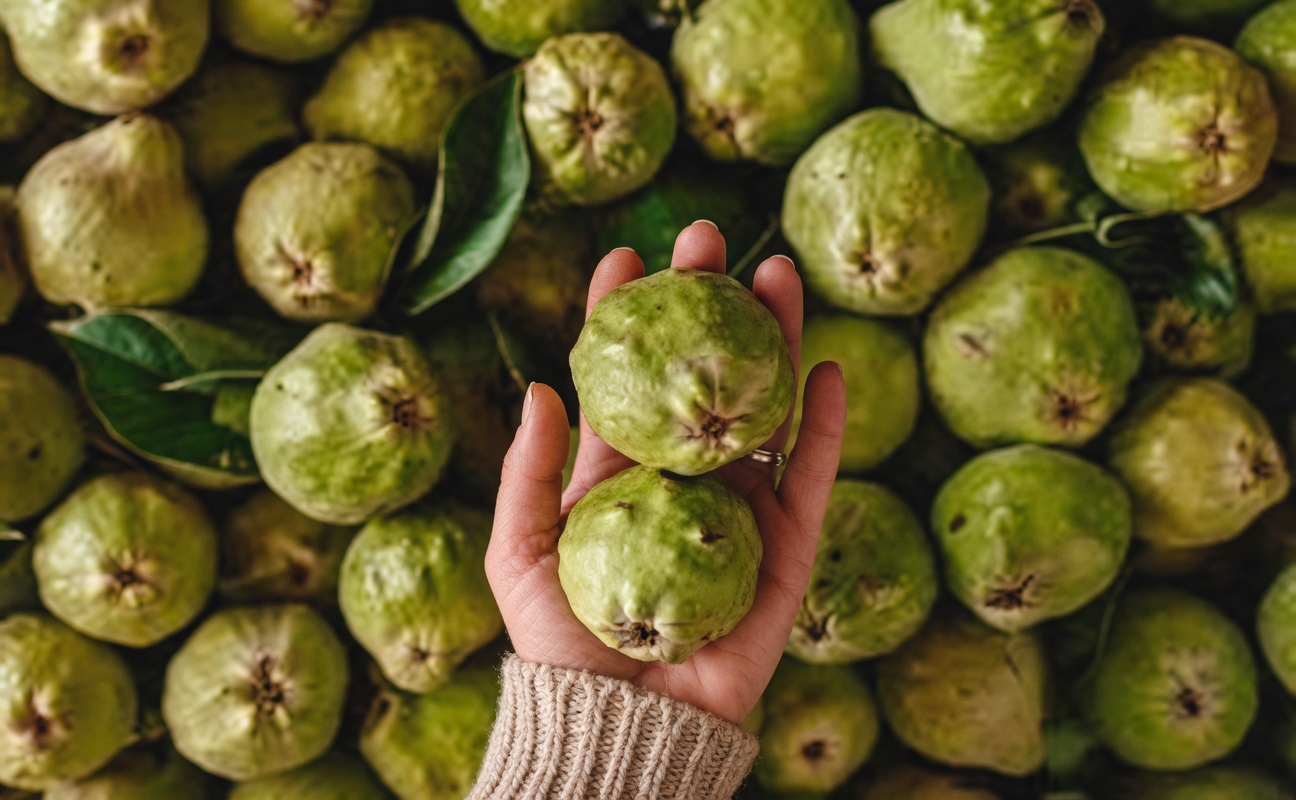
Simple Bay Leaf Tea (Easy Daily Use)
- Add 1–2 dried bay leaves to a mug of hot water.
- Steep for about 10 minutes.
- Strain and drink warm.
- Optional: add a small pinch of cinnamon for flavor and complementary support.
Many people enjoy this in the morning due to its earthy aroma and simple preparation.
Guava Leaves: Polyphenols That May Help Smooth Post-Meal Spikes
After eating the fruit, guava leaves are often ignored—yet they are rich in polyphenols such as quercetin, which research suggests may help reduce postprandial (after-meal) glucose rises, particularly after carbohydrate-heavy meals.
Clinical trials examining guava leaf tea or extract have reported:
- Reduced post-meal glucose peaks
- Lower overall glucose exposure across time (often assessed as area under the curve) in some participants
A frequently discussed mechanism is alpha-glucosidase inhibition—slowing the breakdown of carbohydrates in the digestive tract. This can lead to a more gradual entry of glucose into the bloodstream, potentially supporting steadier energy.
Guava leaves are also studied for antioxidant activity, which may contribute to broader metabolic support, including lipid-related markers.
Basic Guava Leaf Infusion
- Use 3–4 fresh or dried guava leaves
- Either:
- Boil in water for 5–10 minutes, or
- Steep in hot water until flavorful
- Optional: add lemon for a brighter taste
Some people time it before or with meals, aiming to align with its observed post-meal effects.
Mulberry Leaves: DNJ and Carbohydrate Digestion Support
Mulberry leaves are widely discussed in glucose research because they contain 1-deoxynojirimycin (DNJ), a naturally occurring compound known for alpha-glucosidase inhibition.
Multiple studies, including randomized trials, indicate mulberry leaf tea or extract may:
- Lower post-meal glucose spikes after carbohydrate intake
- Support insulin response patterns in certain settings
Because DNJ can delay carbohydrate digestion in the intestines, glucose may be absorbed more slowly, helping reduce sharp peaks.
Some observations also link mulberry leaf use with improvements over time in:
- Fasting glucose
- HbA1c (in some participants, with consistent use)
- Lipid balance and inflammation-related markers
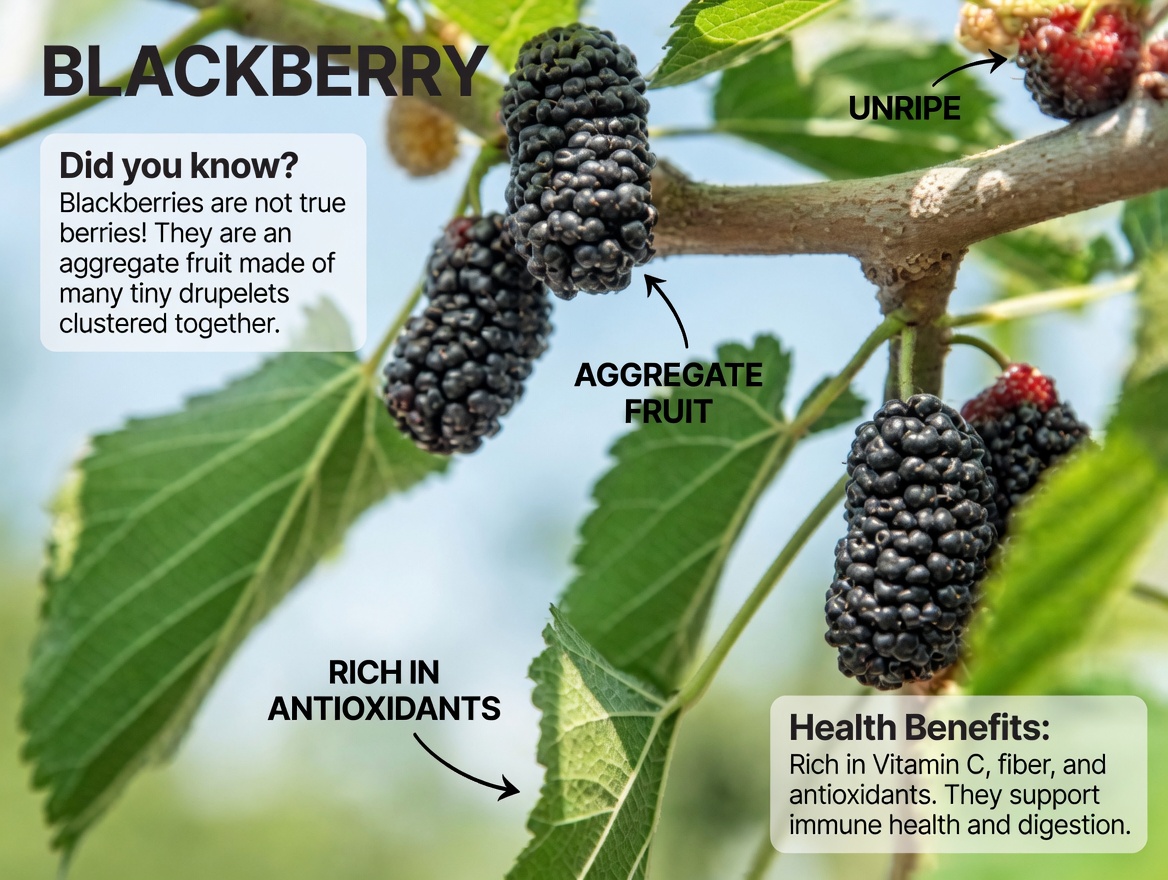
Mulberry Leaf Tea Preparation
- Steep 5–7 dried mulberry leaves in hot water for 10–15 minutes.
- Drink it before meals containing carbohydrates if you’re targeting post-meal support.
The taste is mild and earthy, making it easy to maintain as a daily habit.
Quick Research-Inspired Comparison (At a Glance)
-
Bay Leaves
- Focus: insulin sensitivity and fasting markers
- Notable note: one study associated 1–3 g/day for 30 days with roughly 21–26% fasting glucose reduction
- Also linked with improved lipid markers in that small trial
-
Guava Leaves
- Focus: post-meal glucose moderation
- Mechanism often cited: polyphenols and alpha-glucosidase inhibition
- Observed in trials: reduced glucose spikes; potential lipid support
-
Mulberry Leaves
- Focus: carbohydrate digestion control via DNJ
- Observed in trials: meaningful reduction in post-meal peaks in certain contexts
- Also studied for longer-term metabolic markers in some participants
How These Leaves May Work Together
Each leaf has a different “signature” of compounds:
- Bay leaf research often emphasizes insulin sensitivity and fasting measures
- Guava and mulberry are frequently discussed for post-meal carbohydrate handling
- All three contain antioxidants that may support metabolic resilience over time
Some people rotate these teas across the day rather than taking everything at once—introducing one option at a time to better understand personal response.
Practical Tips for Trying Them Responsibly
- Start small: one cup daily is a reasonable entry point for most people
- Use them alongside balanced meals emphasizing:
- Protein
- Fiber
- Minimally processed carbohydrates
- Add light movement after meals (even a 10–15 minute walk) to support glucose handling
- If you already monitor glucose, track patterns over several weeks
- Choose food-grade leaves from reputable sources (clean, properly dried, clearly labeled)
A Simple 30-Day “Exploration” Framework
- Week 1: Add bay leaf tea in the morning
- Week 2: Introduce guava leaf tea before or with meals
- Weeks 3–4: Add mulberry leaf tea before carb-heavy meals as needed
Some people report subtle improvements in daily comfort and energy consistency, though results vary widely from person to person.
Frequently Asked Questions
Can these leaves replace diabetes medication?
No. These are supportive, food-based options discussed in research—not replacements for prescribed treatment. Continue medications as directed and speak with a clinician before changing your plan.
Are side effects possible?
Most studies report good overall tolerance, but some individuals notice mild digestive changes. Start with small amounts and stop if you feel unwell.
When might benefits show up?
Studies include both:
- Acute effects (post-meal changes on the same day), and
- Longer-term shifts (often 4–12 weeks) with consistent use
Medical Disclaimer
This content is for informational purposes only and is not medical advice. If you have diabetes, cardiovascular conditions, or any ongoing health concerns—or if you take glucose-lowering medications—consult your healthcare provider before adding bay, guava, or mulberry leaves to your routine.