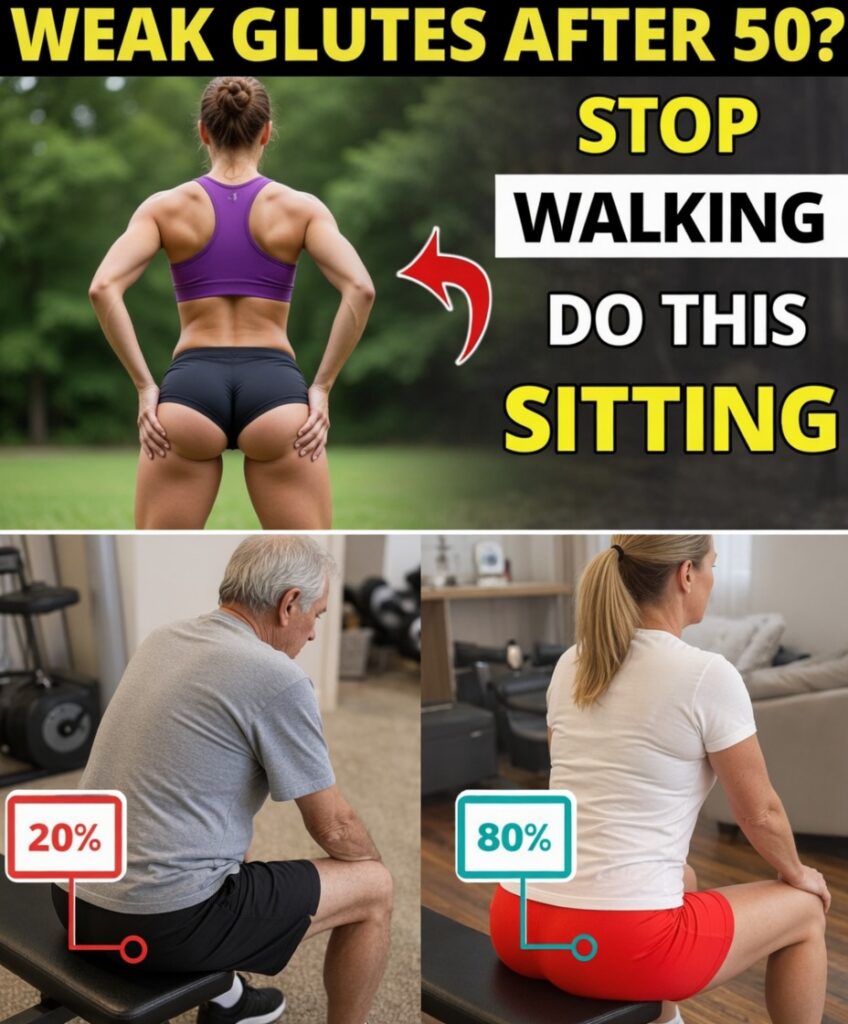
Staying Strong After 60: Why Walking Isn’t Always Enough for Hip and Leg Strength
As adults move into their 60s and beyond, it’s common to feel less steady or powerful during everyday tasks. Standing up from a chair, climbing stairs, or walking on uneven ground may start to require more effort—even for people who walk regularly.
One key reason is age-related loss of lower-body muscle mass and strength. Research suggests that after 60, inactive or non–strength-training adults may lose around 1% (or more) of muscle and strength per year, especially in muscles that aren’t being challenged in a targeted way. Walking supports heart health, circulation, mood, and overall activity levels—but it may not sufficiently stimulate the gluteus maximus (your largest and most powerful muscle) to preserve the hip and leg strength needed for real-world mobility.
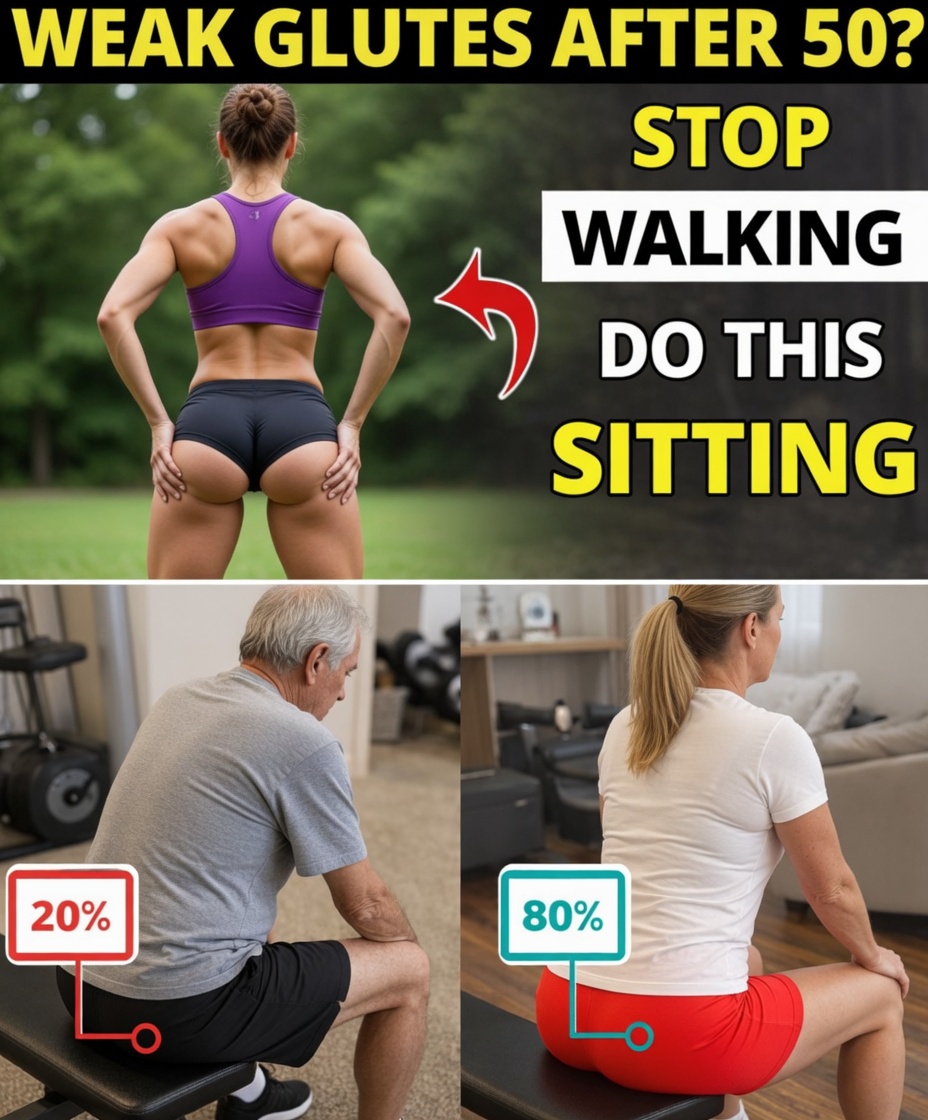
The positive takeaway: you can close that gap with a few simple, low-equipment exercises that deliberately activate the glutes. The five movements below are practical for adults over 60 and can improve balance, posture, stair confidence, and daily movement control. You’ll also find a starter routine and a key tip at the end to help you “feel” your glutes working more effectively.
The Overlooked Issue: Why Walking Alone May Not Maintain Lower-Body Strength After 60
Walking absolutely matters—but typical flat-ground walking at a comfortable pace often uses only a modest portion of glute capacity. Muscle-activation research has found that movements such as step-ups and bridge variations can recruit the gluteus maximus much more strongly than normal walking.
When the glutes aren’t challenged enough, the body may begin relying more on other areas to get the job done—often the lower back, hamstrings, or knees. Over time, this compensation pattern can contribute to discomfort, reduced stability, and postural changes.
This isn’t an argument against walking. It’s a case for adding variety. Targeted glute strengthening supports the hip extension and stability you need for functional movements like standing, climbing, and stabilizing on uneven surfaces. In older adults, stronger hip and glute function has been associated with better balance outcomes and fewer fall-risk factors.
Margaret’s Story: How Small Changes Improved Daily Confidence
Margaret, a 68-year-old retired librarian, had walked several miles most days for years. Still, she started needing both hands to push up from chairs, avoiding stairs when possible, and feeling shaky on garden paths. Once her physical therapist introduced a simple glute-focused routine, she noticed changes within weeks—standing felt easier, her steps felt steadier, and her confidence returned.
Her experience reflects what many adults discover: walking keeps you active, but targeted strength work often restores function.
5 Glute Exercises for Adults Over 60 (Low Equipment, High Practical Value)
5) Step-Ups: Build Single-Leg Strength and Balance for Real Life
Step-ups closely resemble daily actions—stairs, curbs, and stepping onto a surface—so the benefits transfer directly to mobility.
Systematic reviews and muscle-activation studies frequently place step-up variations among the highest gluteus maximus–recruiting exercises, which helps develop hip stability and single-leg control—two essentials for balance.
How to do step-ups safely
- Use a stable step about 6–8 inches (a stair, sturdy step, or secure platform).
- Hold a wall or chair lightly for balance if needed.
- Place one foot fully on the step.
- Press through the heel of the stepping foot and stand up tall.
- Step down slowly with control.
Suggested dose
- 8–12 reps per leg
- 2–3 sets
- 2–3 days per week
Go slowly and prioritize form. This exercise often builds trust in the legs over time.
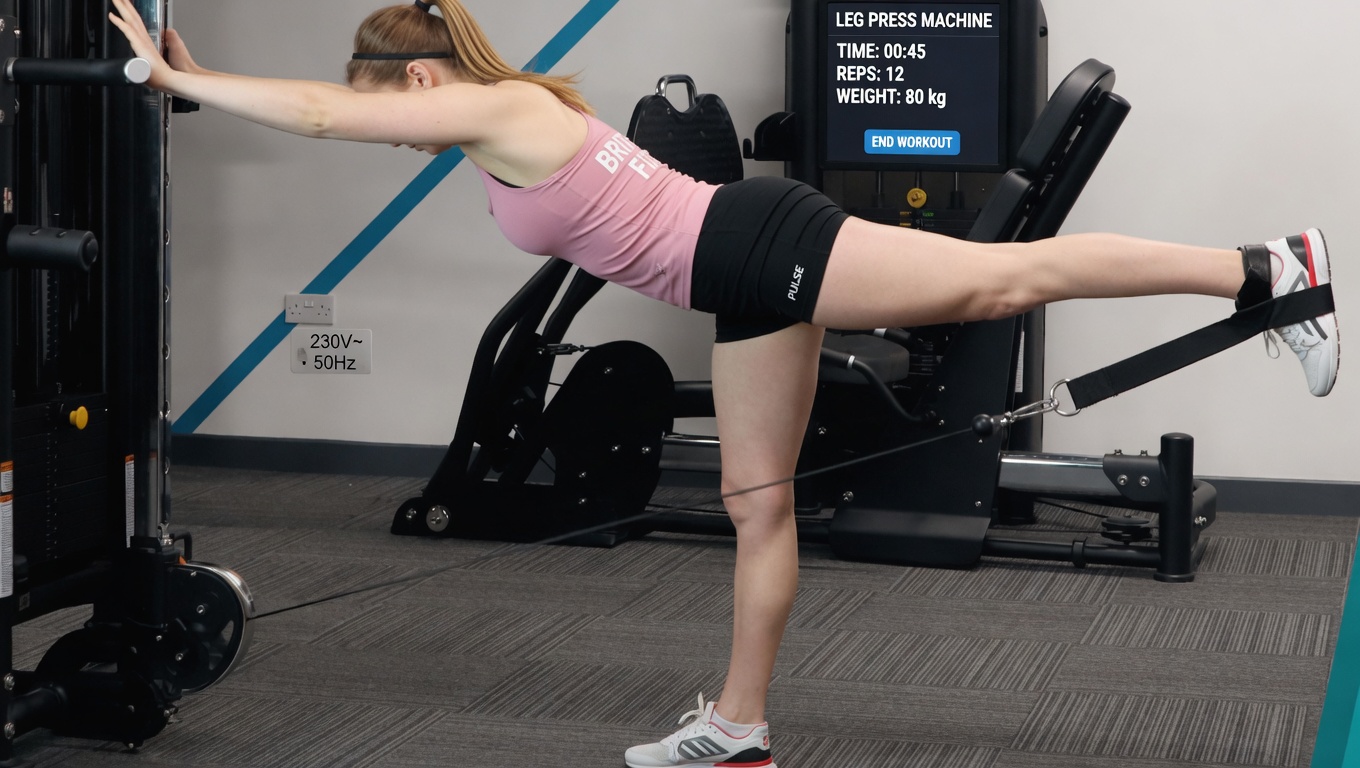
4) Glute Kickbacks: Support Hip Extension and More Upright Posture
Standing kickbacks train hip extension, which helps you move with better alignment and reduces the tendency to “pull” from the lower back during walking or standing tasks.
Geriatric rehabilitation research suggests that exercises reinforcing proper glute activation can improve hip control and walking confidence in adults over 65.
How to do glute kickbacks safely
- Stand tall and hold a chair or counter for support.
- Brace the core and keep the spine neutral.
- Move one leg straight back without arching the low back.
- Squeeze the glute at the top for 1–2 seconds.
- Lower slowly.
Suggested dose
- 10–15 reps per leg
- 2–3 sets
Many people notice they feel “taller” and more supported during walks as this pattern improves.
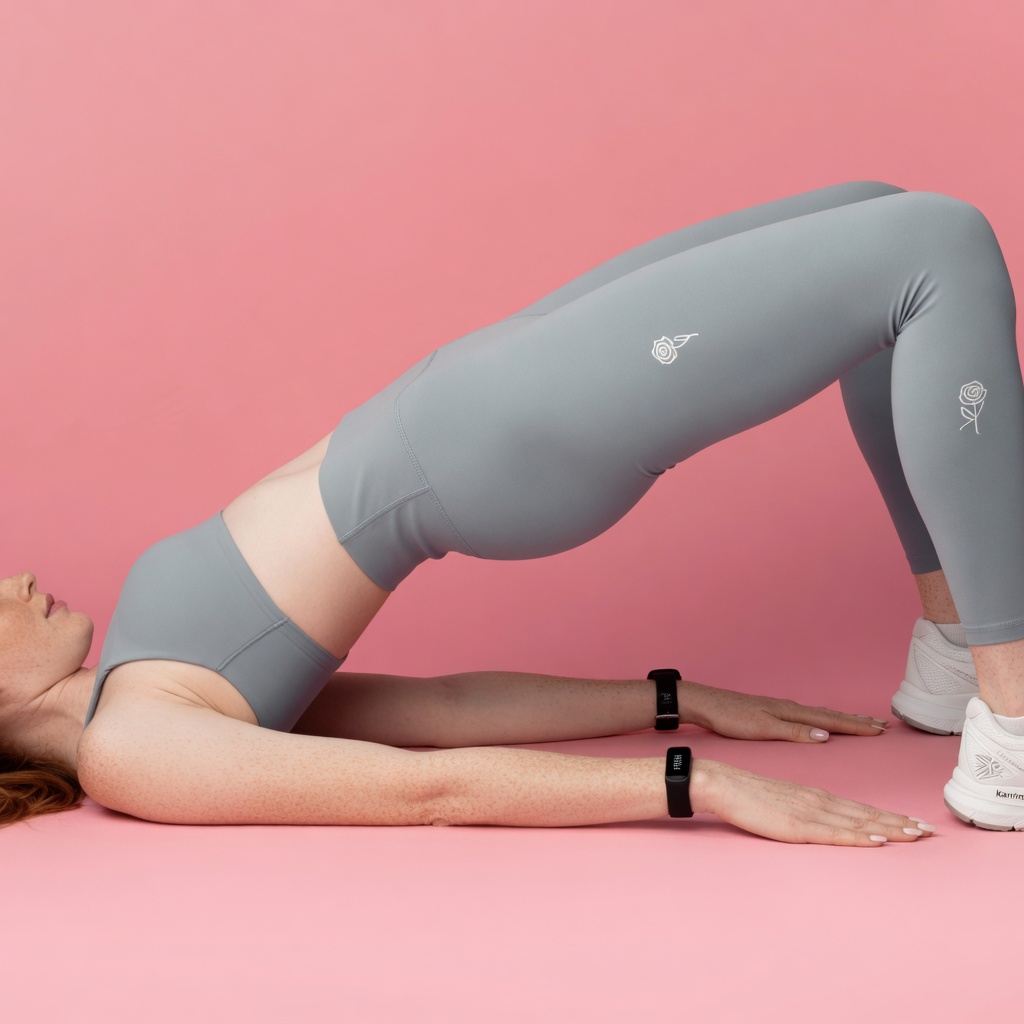
3) Glute Bridge: A Joint-Friendly Way to Strengthen the Posterior Chain
Strengthening while lying down can feel almost too easy—until you do it correctly. Glute bridges are highly effective and often comfortable for joints, making them a strong option for older adults.
Orthopedic and sports physical therapy research links bridge-style training to better posterior chain engagement and improvements in mobility, along with reduced low-back discomfort in many adults over 55.
How to do a glute bridge safely
- Lie on your back, knees bent, feet flat, about hip-width apart.
- Brace the core, then squeeze your glutes and lift hips until your body forms a line from shoulders to knees.
- Hold 2–3 seconds, then lower slowly.
Suggested dose
- 12–15 reps
- 2–3 sets
- Optional: place a small pillow between the knees to support alignment.
Consistent bridges often make standing up from sitting feel noticeably easier.
2) Seated Band Abductions: Strengthen the Side Glutes for Stability
This movement targets the gluteus medius and gluteus minimus—the “side glutes” that reduce side-to-side sway and help stabilize each step.
Research in aging, gait, and balance consistently points to hip abduction strength as a major factor in fall prevention and recovery for adults 65+.
How to do seated band abductions safely
- Sit tall on a firm chair.
- Loop a light resistance band just above the knees.
- Keep feet planted and press the knees outward against the band.
- Hold 1–2 seconds, then return slowly.
Suggested dose
- 12–15 reps
- 2–3 sets
This is an accessible exercise that helps create a more stable base for walking and turning.
1) Modified Bulgarian Split Squat: Advanced Strength for Stairs and Daily Power
When modified and supported, this single-leg exercise is a powerful tool for building symmetry, balance, and glute strength—especially for stair climbing and getting up from lower seats.
Functional training experts often use split-squat progressions to restore hip strength and improve gait mechanics in older adults when scaled appropriately.
How to do the modified version safely
- Stand about 2 feet in front of a sturdy chair.
- Place the top of one foot on the chair behind you.
- Lower only halfway (or less), keeping the front knee aligned over the ankle.
- Push through the front heel to stand back up.
- Use a wall or chair for balance support.
Suggested dose
- Begin with 6–8 reps per leg
- 2–3 sets
- Bodyweight only at first
Progress gradually. For many, this exercise creates the biggest “confidence breakthrough” once it feels stable.
Walking vs. Targeted Glute Training: A Practical Comparison
-
Regular walking
- Glute activation: moderate
- Balance support: moderate
- Stair/stand carryover: moderate
- Equipment: none
-
Step-ups
- Glute activation: high
- Balance support: very high
- Functional carryover: very high
- Equipment: low step
-
Glute kickbacks
- Glute activation: high
- Balance support: high
- Functional carryover: high
- Equipment: none (chair optional)
-
Glute bridges
- Glute activation: very high
- Balance support: high
- Functional carryover: high
- Equipment: floor mat optional
-
Seated band abductions
- Side-glute activation: high
- Balance support: very high
- Functional carryover: very high
- Equipment: light resistance band
-
Modified Bulgarian split squats
- Glute activation: very high
- Balance support: exceptional
- Functional carryover: exceptional
- Equipment: chair
Adding even a few of these movements can provide far more specific strength and stability support than walking alone.
A Simple Starter Plan You Can Begin This Week (10–15 Minutes)
Week 1 routine (3–4 days per week)
- Glute Bridge: 2 sets × 10–12 reps
- Seated Band Abductions: 2 sets × 12 reps per side
- Glute Kickbacks: 2 sets × 10 reps per side
- Step-Ups (low step): 2 sets × 8 reps per leg
- Modified Bulgarian Split Squat (with support): 1–2 sets × 6 reps per leg
Move slowly, exhale during the effort, and stop if you feel sharp pain (mild muscle burn or effort can be normal). Track simple wins, such as standing from a chair with less hand support.
Safety Notes (Especially Important After 60)
- Speak with your doctor or physical therapist before starting if you have osteoporosis, recent surgery, severe arthritis, uncontrolled blood pressure, or ongoing joint pain.
- Choose stability first: use a chair, counter, or wall support whenever needed.
- Prioritize control over speed—steady reps build strength more safely than rushing.