
Do you wake up several times a night to use the bathroom—then spend the next day tired, unfocused, and drained? It’s easy to dismiss frequent nighttime urination as “just aging” or the result of a busy schedule. But repeated trips to the toilet at night—commonly called nocturia—can steadily erode sleep quality, energy, and overall well-being.
What often begins as a minor nuisance can escalate into ongoing fatigue, mood changes, and safety risks (like tripping in the dark). Research also suggests that long-term sleep disruption linked to nocturia may contribute to broader health challenges. The encouraging part: by recognizing your patterns and making small, consistent lifestyle shifts, many people see meaningful improvement—sometimes with a simple timing adjustment that makes a bigger difference than expected.

What Is Nocturia?
Nocturia means waking up one or more times during the night to urinate, interrupting what should be an uninterrupted block of sleep. In many healthy adults, it’s common to sleep 6–8 hours without needing a bathroom break.
Nocturia typically happens when:
- The body produces more urine at night than it should, or
- The bladder can’t store a normal amount comfortably
While nocturia becomes more frequent with age—studies report rates of 50–80% in older adults—it can affect people at any age depending on lifestyle factors and health conditions.
Why People Urinate Frequently at Night
Nocturia usually isn’t caused by just one issue. It often reflects a mix of daily habits, medication effects, sleep patterns, and underlying health factors.
Common contributors include:
- Drinking large amounts of fluids late in the day, especially caffeine or alcohol
- Medications that increase urination, such as diuretics
- Diabetes and related blood-sugar issues that increase thirst and urine production
- Prostate changes in men or bladder-support changes in women (often after pregnancy or during menopause)
- Urinary tract concerns or reduced bladder capacity over time
- Sleep-related breathing issues or leg swelling that shifts fluid into circulation when lying down
Stress and poor sleep habits can also fuel a cycle: fragmented sleep may affect hormones and rhythms that influence nighttime urine production.
Who Is More Likely to Experience Nocturia?
Although anyone can develop nocturia, it’s more frequently reported among:
- Older adults, due to age-related shifts in bladder elasticity and nighttime urine regulation
- Men over 40, often linked to prostate enlargement
- Women after pregnancy or during menopause, when hormonal and muscle changes can affect bladder control
- People managing chronic conditions, including:
- high blood pressure
- heart-related concerns
- kidney function changes
- blood sugar regulation problems
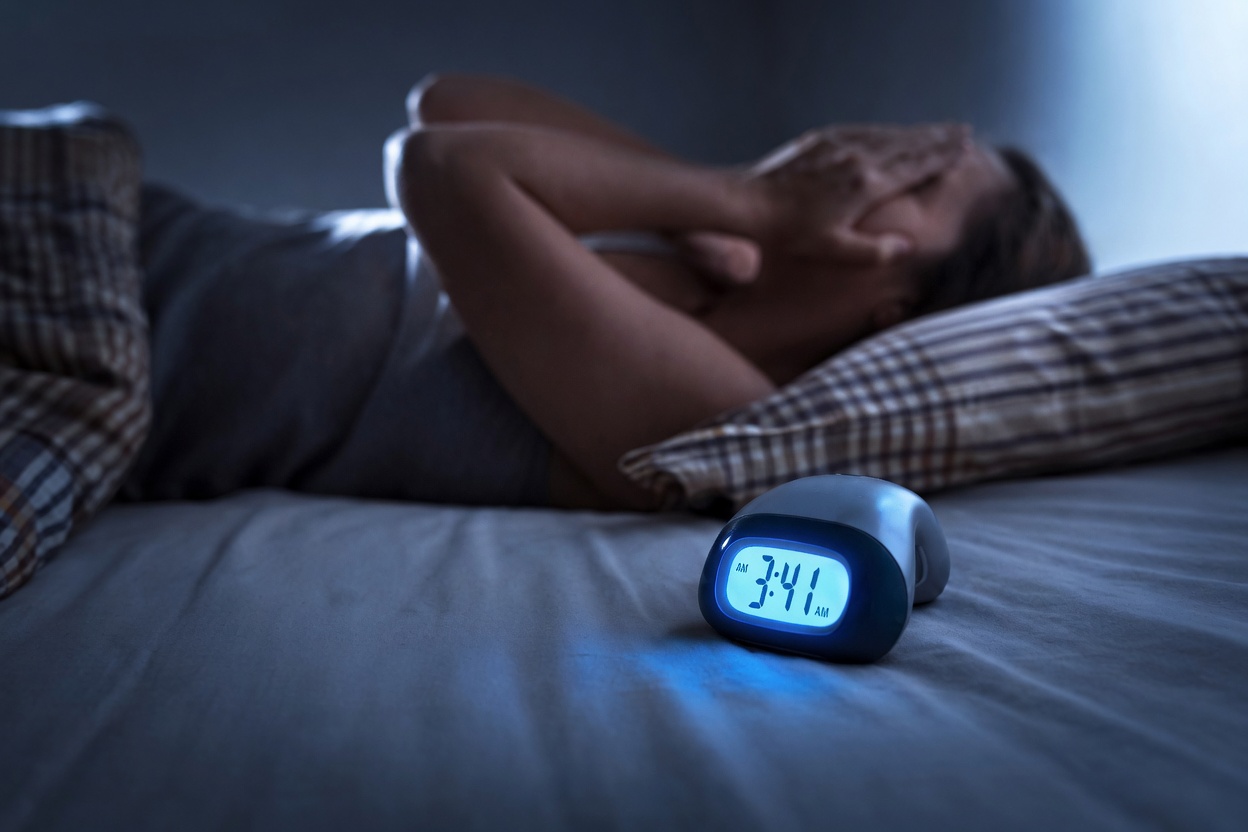
The Real Impact of Broken Sleep
Getting up at night may seem like a small inconvenience—but repeated sleep interruptions can add up quickly. Health research links nocturia-related sleep fragmentation with both immediate and longer-term consequences.
Common effects include:
- Daytime sleepiness, low energy, and persistent fatigue
- Reduced concentration, slower reflexes, and lower productivity
- Irritability, emotional swings, and low motivation
- Higher risk of nighttime falls and injuries, especially in older adults
- Lower overall resilience, as poor sleep can affect immune function and recovery
Studies have found that people who urinate multiple times at night often report worse sleep quality and significantly more daytime impairment. Over time, this pattern can make daily responsibilities feel heavier and reduce overall life satisfaction.
A simple comparison helps illustrate the difference:
- Without nocturia: longer uninterrupted sleep → deeper recovery → better mornings
- With 2+ nightly episodes: disrupted sleep blocks → less restorative rest → groggier days
When sleep is repeatedly cut into shorter segments, the body gets less of the recovery it needs.
Warning Signs You Shouldn’t Ignore
An occasional nighttime bathroom trip can be normal. But if nocturia is frequent—or comes with other symptoms—it’s smart to seek medical guidance.
Pay attention to:
- Burning, pain, or discomfort during urination
- Blood in the urine or unusual urine odor/color
- Strong thirst paired with unexplained fatigue
- Lower abdominal pain or back discomfort
- Sudden or dramatic changes in urinary patterns
These symptoms may point to concerns such as infection, blood-sugar issues, or other conditions that require professional evaluation.
Lifestyle Habits That May Help You Sleep Through the Night
These ideas focus on home and lifestyle adjustments. They are not a replacement for medical care. If nocturia is persistent, worsening, or linked with warning signs, consult a healthcare professional.
1. Improve Fluid Timing (The High-Impact “Timing Trick”)
Instead of simply drinking less overall, many people do better by shifting fluid intake earlier:
- Drink most fluids earlier in the day
- Reduce liquids 2–3 hours before bedtime
- Notice whether very cold evening drinks increase urgency for you
For many, this timing change alone reduces nighttime bathroom trips.
2. Reduce Evening Bladder Irritants
After dinner, consider limiting items known to stimulate the bladder, such as:
- Caffeine (coffee, tea, colas)
- Alcohol
- Chocolate
- Spicy foods
3. Consider Gentle Herbal and Food-Based Options
Some people find mild support from simple, traditional choices:
- Chamomile tea: steep about 1 tablespoon of dried chamomile in hot water for 10 minutes; drink one cup around an hour before bed for relaxation support
- Pumpkin seeds: about 1 tablespoon daily (raw or lightly roasted), ideally earlier in the day, may support urinary comfort
4. Strengthen Pelvic Floor Support
Kegel exercises can help both men and women improve bladder control over time:
- Tighten the muscles used to stop urine flow
- Hold for 5 seconds
- Relax for 5 seconds
- Repeat 10–15 times, for 2–3 sets per day
Consistent practice over several weeks often brings the best results.
5. Create a Calmer Night Routine
A lower-stress evening can support healthier sleep rhythms and reduce stress-driven urgency. Helpful habits include:
- Dim lights in the evening
- Avoid screens for about one hour before bed
- Practice slow breathing or a short wind-down routine
- Take a warm shower to signal “sleep mode” to the body
Many people notice gradual progress within 2–4 weeks when combining a few of these habits consistently.

Foods That May Support Bladder-Friendly Nights
Daily food choices can influence fluid balance and bladder comfort. Consider emphasizing:
- Oats, bananas, papaya
- Brown rice
- Lean fish
- Steamed vegetables
And limiting:
- Refined sugar
- Highly processed foods
- Excess salt (which can affect fluid retention and nighttime shifts)
When Can You Expect Improvement?
If nocturia is primarily lifestyle-related, changes like better fluid timing, reducing evening irritants, and regular pelvic floor exercises may reduce nighttime waking within a few weeks. Results vary, so tracking what you drink, when you drink it, and how often you wake can help identify your personal triggers.
Conclusion
Frequent nighttime urination is not something you have to automatically accept as “normal,” especially when it steals sleep and leaves you running on empty. By identifying patterns and applying steady, practical adjustments, many people regain more continuous sleep and feel noticeably better during the day.
If lifestyle changes don’t help—or symptoms intensify—speak with a qualified healthcare professional for personalized evaluation and treatment options.
Disclaimer: This article is for informational purposes only and does not replace professional medical advice, diagnosis, or treatment. Always consult a physician or qualified health provider regarding any medical concerns.
FAQ
How many times is normal to wake up at night to urinate?
For most adults, zero to one time per night is typical. Waking two or more times often aligns with nocturia and may disrupt restorative sleep.
Can drinking less water stop nighttime urination?
Cutting back on fluids right before bed may help, but the goal isn’t dehydration. Focus on better timing—stay well-hydrated earlier in the day and reduce liquids close to bedtime.
Is nocturia always a sign of a serious condition?
Not necessarily. Many cases relate to habits, sleep disruption, or age-related changes. However, persistent nocturia or symptoms like pain, blood in urine, or sudden changes should be evaluated by a healthcare professional.