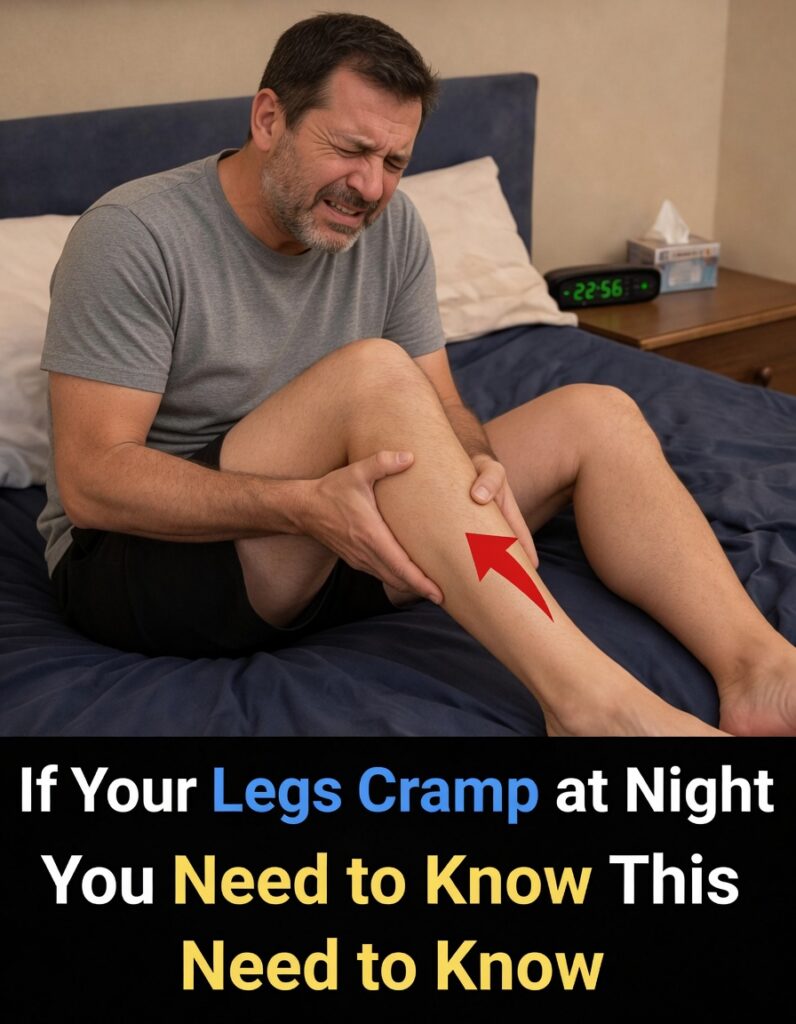
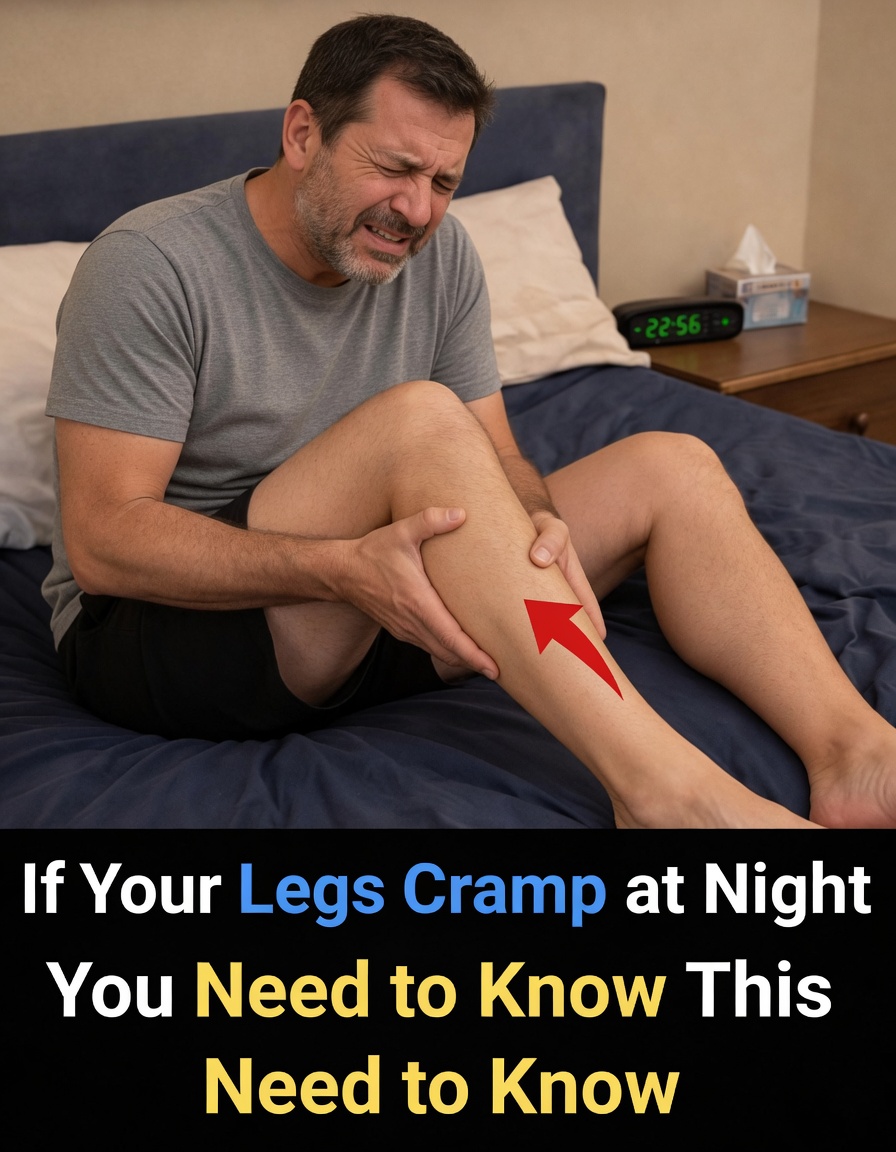
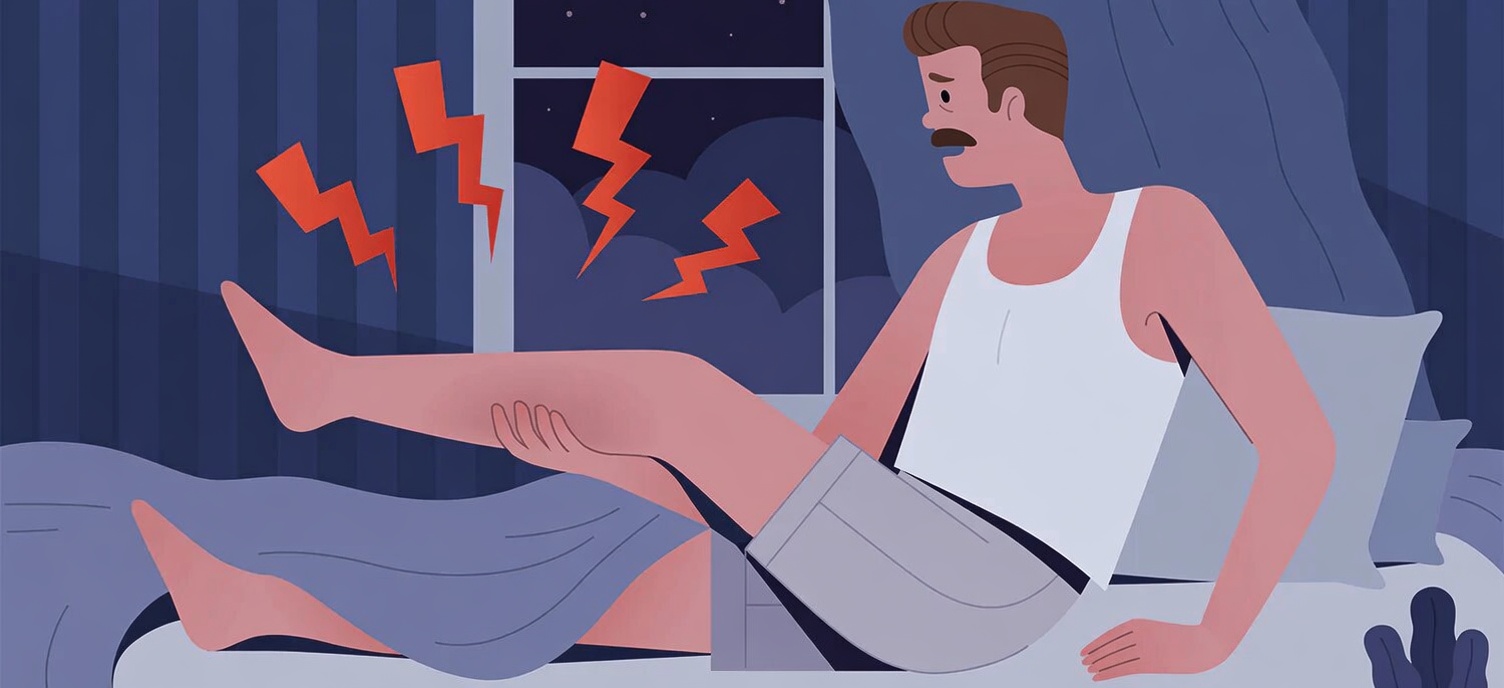
Waking up in the middle of the night to a sudden, stabbing pain in your calf is both unsettling and exhausting. The muscle locks up without warning, your toes may curl, and for several long seconds it can feel impossible to move normally. Beyond interrupting sleep, leg cramps can leave lingering tenderness the next day—and even create anxiety about going to bed. The encouraging news: a few simple, consistent daily habits can help reduce how often nighttime leg cramps occur. Plus, an often-ignored factor near the end may change how you think about preventing them.
What Are Nighttime Leg Cramps?
Nighttime leg cramps are abrupt, involuntary muscle contractions that most commonly affect the calf, but may also occur in the foot or thigh, typically while you’re resting or asleep.
They’re frequently confused with restless legs syndrome (RLS), but they are not the same:
- RLS causes an uncomfortable urge to move the legs.
- Nighttime cramps involve a strong, painful muscle tightening that can temporarily “freeze” the muscle.
Occasional cramps are common in adults and tend to increase with age. They’re also reported more often in:
- Pregnant individuals
- People who sit or stand for extended periods
Important takeaway: in many cases, nighttime leg cramps are not a sign of a serious disease. Still, recognizing common triggers can help you respond calmly and reduce repeat episodes.
Why Do Leg Cramps Happen at Night?
There isn’t always a single clear cause, but research and clinical experience highlight several frequent contributors.
1. Muscle Fatigue and Overuse
A long day of walking, intense training, or standing for hours can leave your muscles overtired. When muscles are fatigued, they often struggle to relax smoothly—making cramping more likely.
At night, the risk may increase because many people sleep with the foot slightly pointed downward, which shortens the calf muscle. A shortened, tired muscle is more likely to cramp.
Less obvious: too much sitting can also contribute. Limited movement may reduce circulation and keep muscles in a “stiff” state.
2. Dehydration
Fluids are essential for normal muscle function. When you’re low on water, the body’s mineral balance may shift in ways that make cramping more likely—especially after heavy sweating or hot weather.
Dehydration isn’t the cause for everyone, but it can be a meaningful amplifier.
3. Mineral and Electrolyte Imbalance
Electrolytes help regulate muscle contraction and relaxation, including:
- Magnesium
- Potassium
- Calcium
- Sodium
Low levels of certain minerals are associated with cramping in some people, though the relationship varies widely. This is why taking random supplements doesn’t always help—and can sometimes be inappropriate without guidance.
4. Age-Related Nerve and Circulation Changes
As people get older, subtle shifts in nerve signaling and blood flow can affect how muscles behave during rest. Other factors can also play a role, such as:
- Long periods of immobility
- Certain medications
- Health conditions that affect circulation
If your cramps are frequent, intense, or linked with symptoms like swelling, redness, or weakness, a licensed health professional should evaluate you.
Common Triggers You May Be Missing
Sometimes the culprit isn’t obvious—it’s built into your routine. Common overlooked triggers include:
- Sleeping with toes pointed downward
- Wearing high heels often
- A sudden spike in exercise or walking volume
- Sitting at a desk for long uninterrupted stretches
- Tight calves that rarely get stretched
Small corrections in these areas can lead to noticeable improvement. And while many people focus only on drinking more water, muscle flexibility and daily movement patterns can be just as important.
Simple Daily Habits That May Reduce Nighttime Leg Cramps
You don’t need complicated tools. What matters most is consistency.
1. Do a Gentle Calf Stretch Before Bed
Stretching helps lengthen tight muscle fibers and may reduce nighttime contractions.
Try this nightly routine:
- Stand facing a wall.
- Place hands on the wall at shoulder height.
- Step one foot back and keep the heel down.
- Lean forward slowly until you feel a calf stretch.
- Hold 20–30 seconds, then switch sides.
Do it every evening for two weeks. Many people notice fewer cramps with regular practice.
2. Hydrate Steadily Throughout the Day
Instead of drinking a large amount of water right before bedtime, aim for consistent hydration from morning through evening.
A practical cue: urine is typically light yellow, not dark.
If you sweat heavily, add more electrolyte-rich foods, such as:
- Bananas
- Leafy greens
- Yogurt
- Beans
3. Improve Foot Position During Sleep
Pointed toes keep the calf shortened, which can promote cramping. Helpful adjustments:
- Place a pillow near the foot of the bed to encourage a more neutral ankle position
- Avoid tightly tucked blankets that press the toes downward
- Gently flex your feet a few times before falling asleep
4. Choose Moderate, Regular Movement
Regular activity supports circulation and balanced muscle function. Good options include:
- Walking
- Swimming
- Light strength training
Avoid dramatic jumps in intensity if you’re not conditioned for it. Gradual progress is more sustainable and less likely to trigger muscle overload.
5. Use Heat or Gentle Massage
Warming the muscles can increase blood flow and reduce stiffness, especially if cramps happen often.
Options include:
- A warm towel over the calves
- A warm evening shower
- Gentle hand massage over tight areas
What to Do During a Leg Cramp (Immediate Relief)
Even with prevention, cramps can still happen. If one strikes, try the following:
- Sit up and straighten the affected leg.
- Slowly pull your toes toward your head (gentle dorsiflexion).
- Massage the tight muscle with steady, firm pressure.
- If safe, stand and put weight on the leg carefully.
Most cramps fade within minutes, though soreness may last longer. Avoid sudden, forceful movements that can worsen pain.
Should You Take Supplements for Leg Cramps?
This is one of the most common questions about nighttime leg cramps. The reality: supplements are not automatically necessary.
- Magnesium may help some individuals (including some pregnant people), but results in the general population are mixed.
- Random high-dose supplementation isn’t recommended without professional input.
Before using supplements:
- Speak with a qualified health professional
- Avoid self-prescribing large doses
- Prioritize a balanced diet first (whole foods deliver minerals in more natural ratios)
When to Get Medical Advice
Occasional nighttime cramps are common, but you should seek evaluation if you notice:
- Cramps that are frequent or severe
- New or worsening muscle weakness
- Ongoing swelling or redness
- Symptoms that disrupt daily functioning
A clinician can review potential contributors such as medications, circulation issues, and overall health—often providing clarity and reassurance.
The Overlooked Factor Many People Ignore
A surprisingly common driver of nighttime cramping is chronic muscle tightness caused by prolonged sitting.
Many modern schedules involve sitting 8–10 hours per day, encouraging the hips and calves to adapt to shortened positions. Then, at night, small changes in leg position can provoke an abrupt muscle contraction.
This is why movement breaks during the day can sometimes be more impactful than a single bedtime stretch.
Try this:
- Set a reminder to stand up once every hour.
- Move for 2–3 minutes.
- Walk briefly, flex your ankles, and lightly stretch your calves.
Over time, these “micro-habits” can retrain muscle behavior and reduce sensitivity at night. Consistency is what builds resilience.
Quick Comparison Table: Causes and Practical Fixes
- Muscle fatigue — reduced ability to relax — gentle evening stretching
- Dehydration — fluid/mineral shifts — steady hydration all day
- Pointed-toe sleeping posture — shortened calf muscle — neutral foot position
- Prolonged sitting — chronic tightness — hourly movement breaks
- Sudden intense exercise — overloaded muscle — gradual training progression